
विज्ञापन



Overview
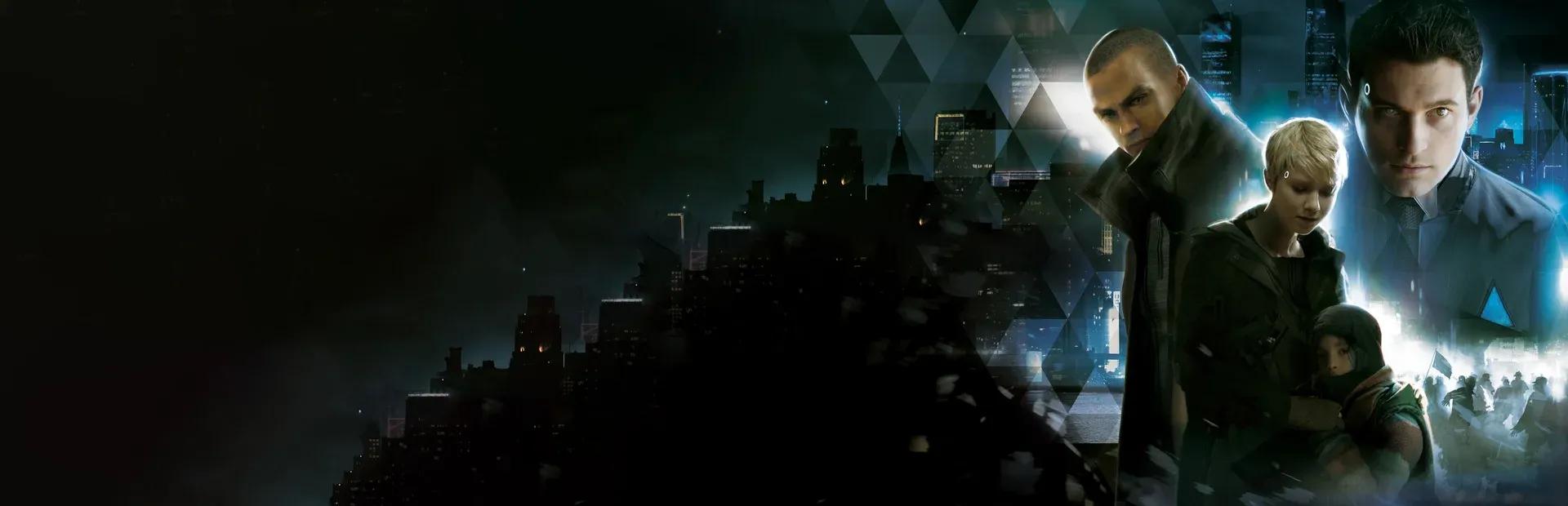
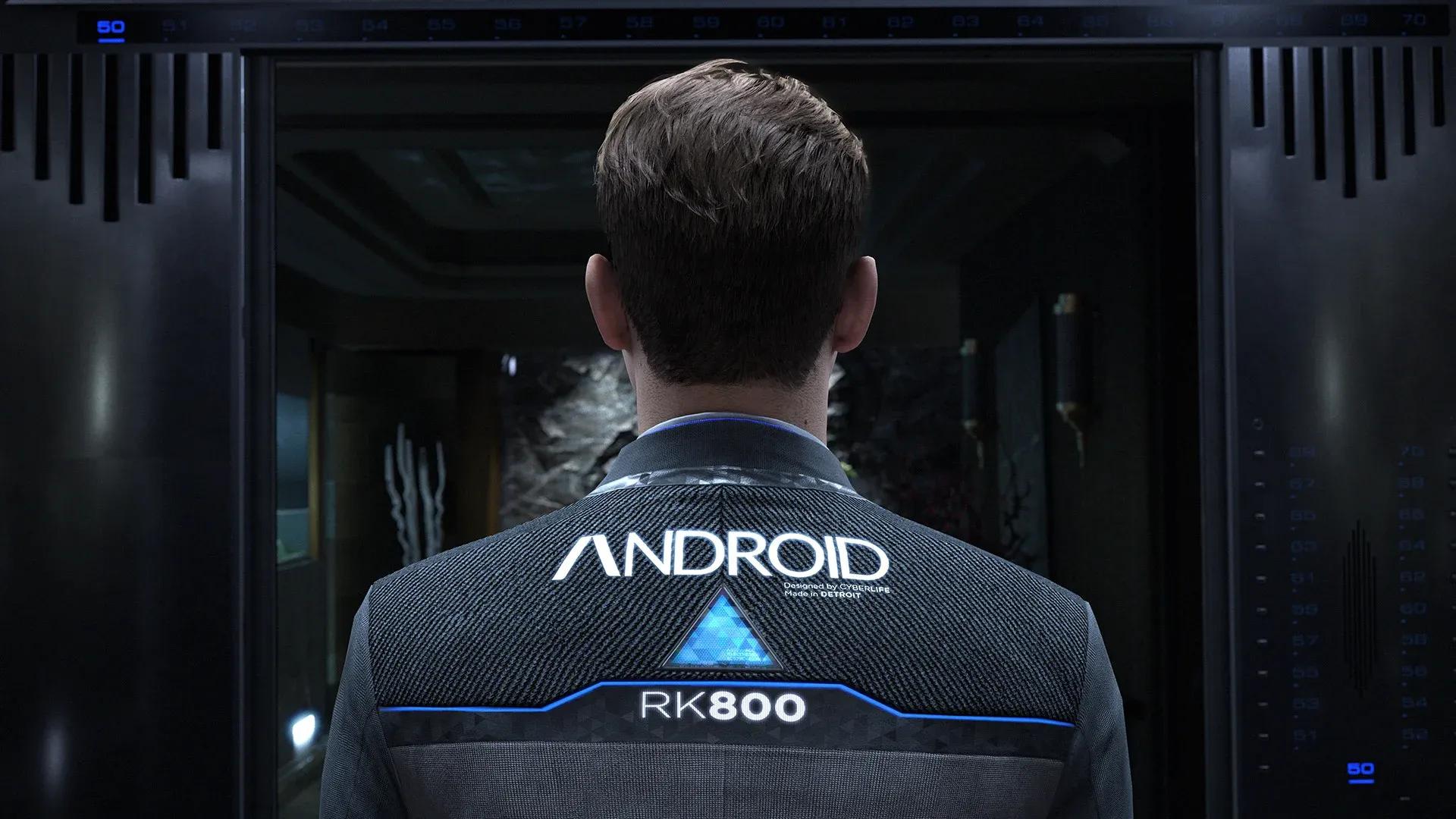
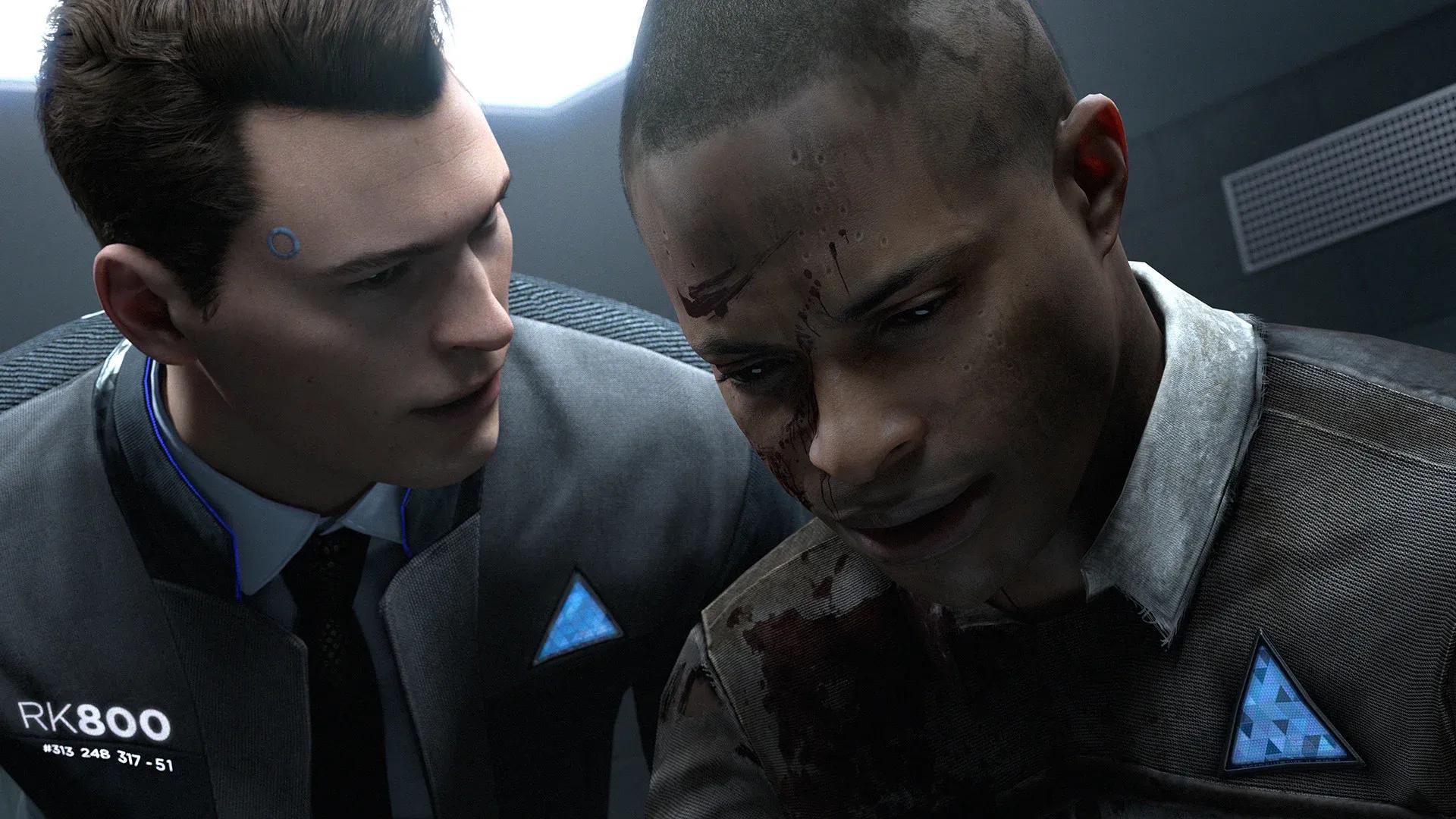
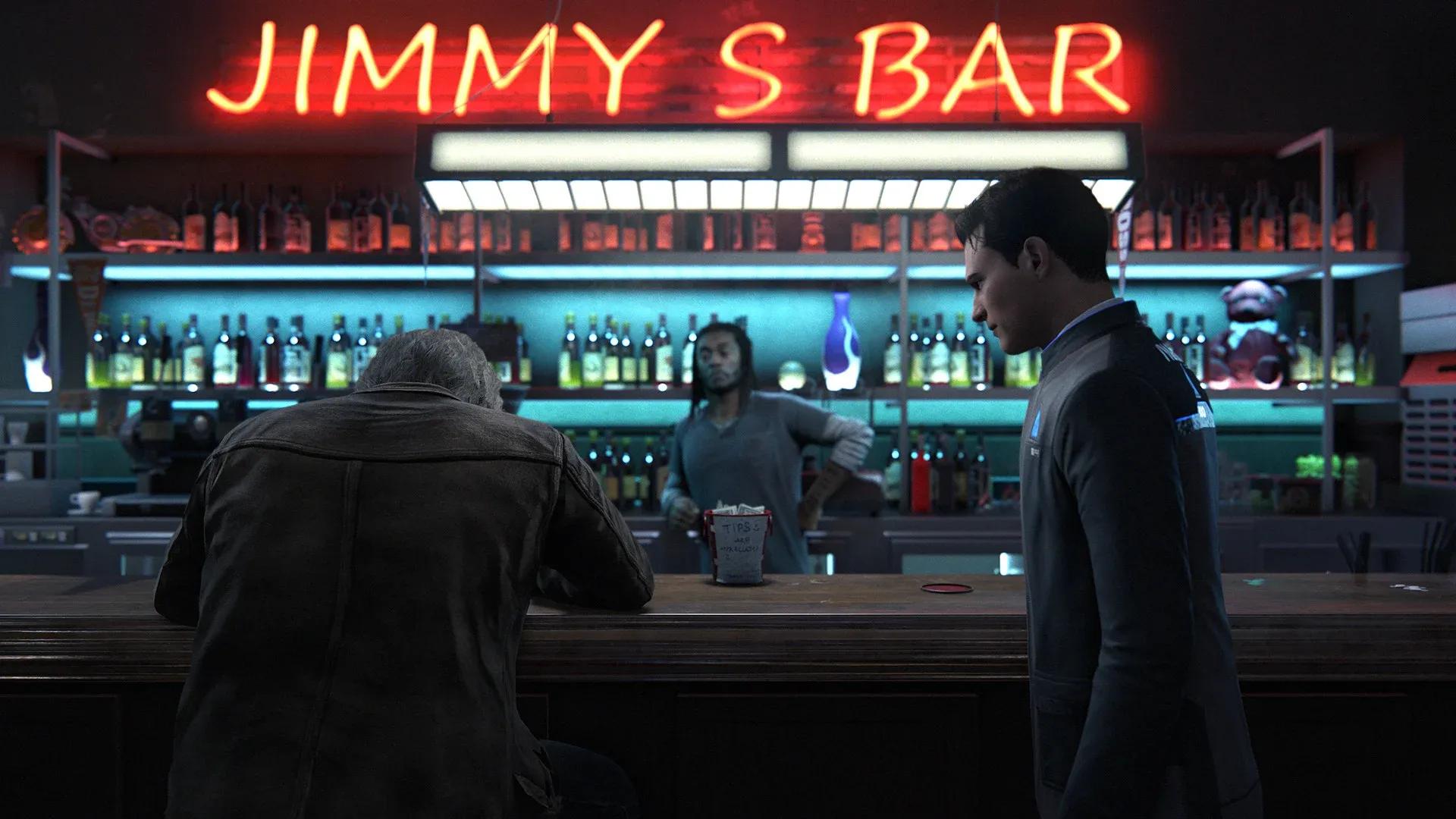
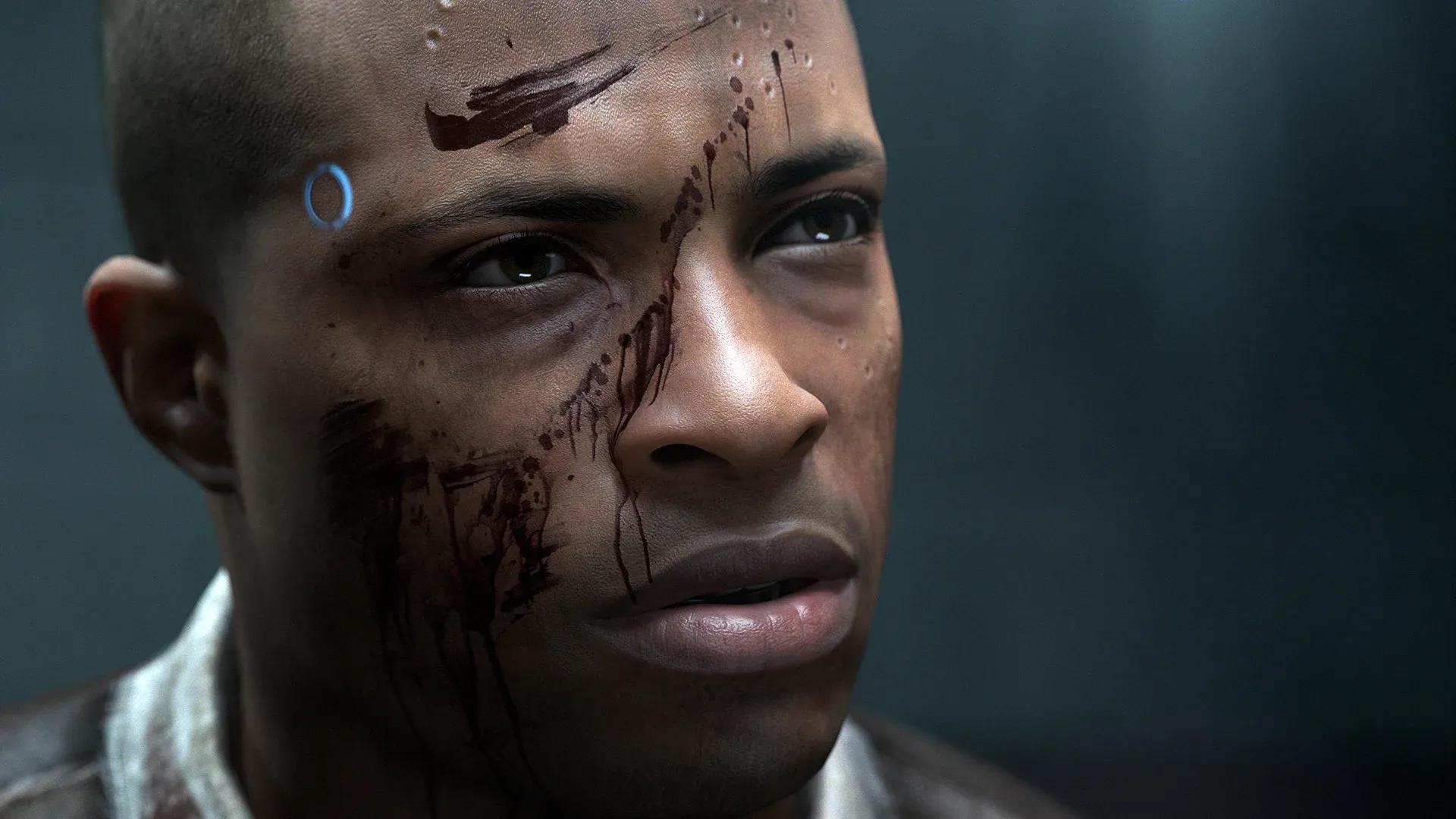
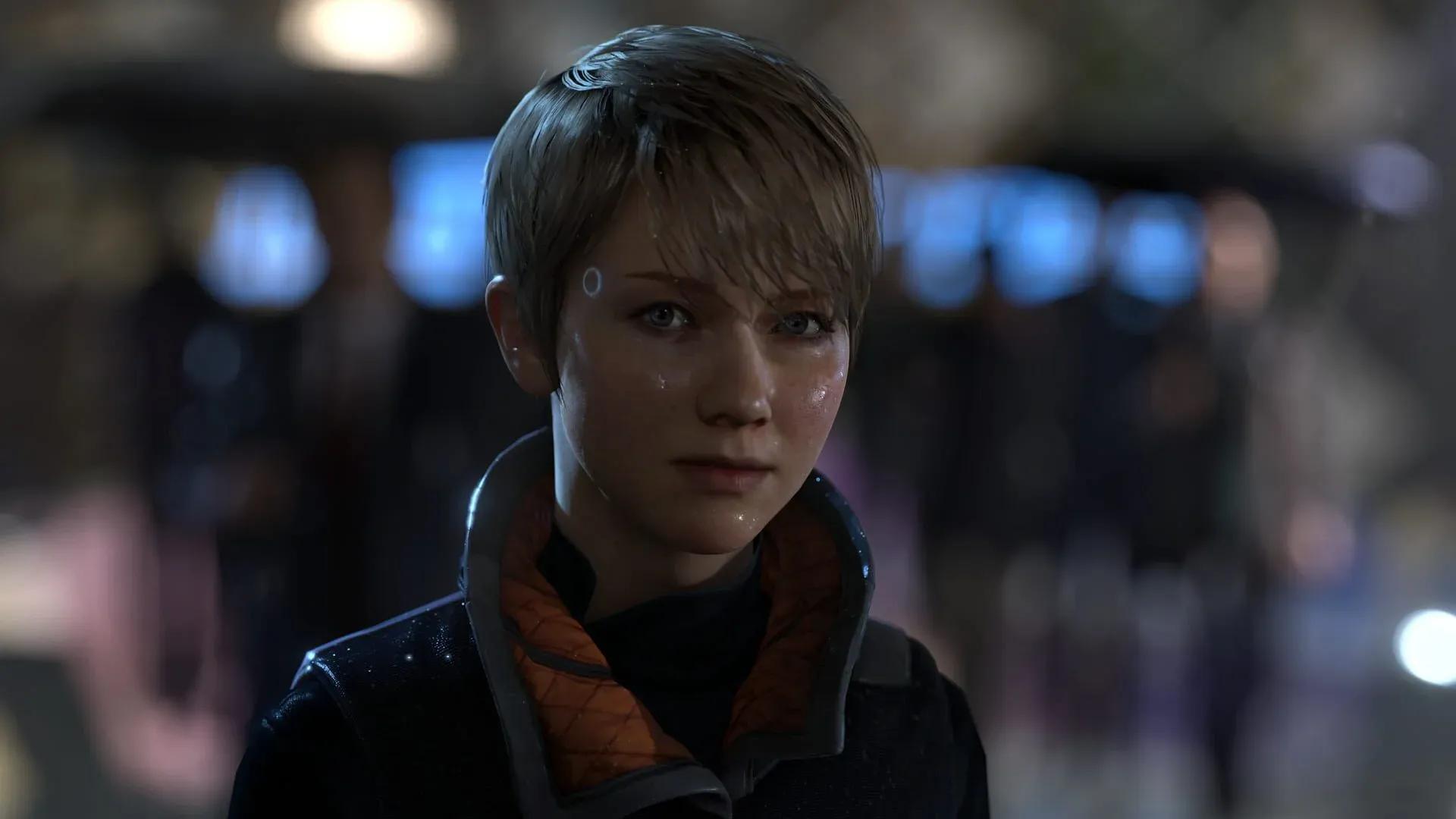
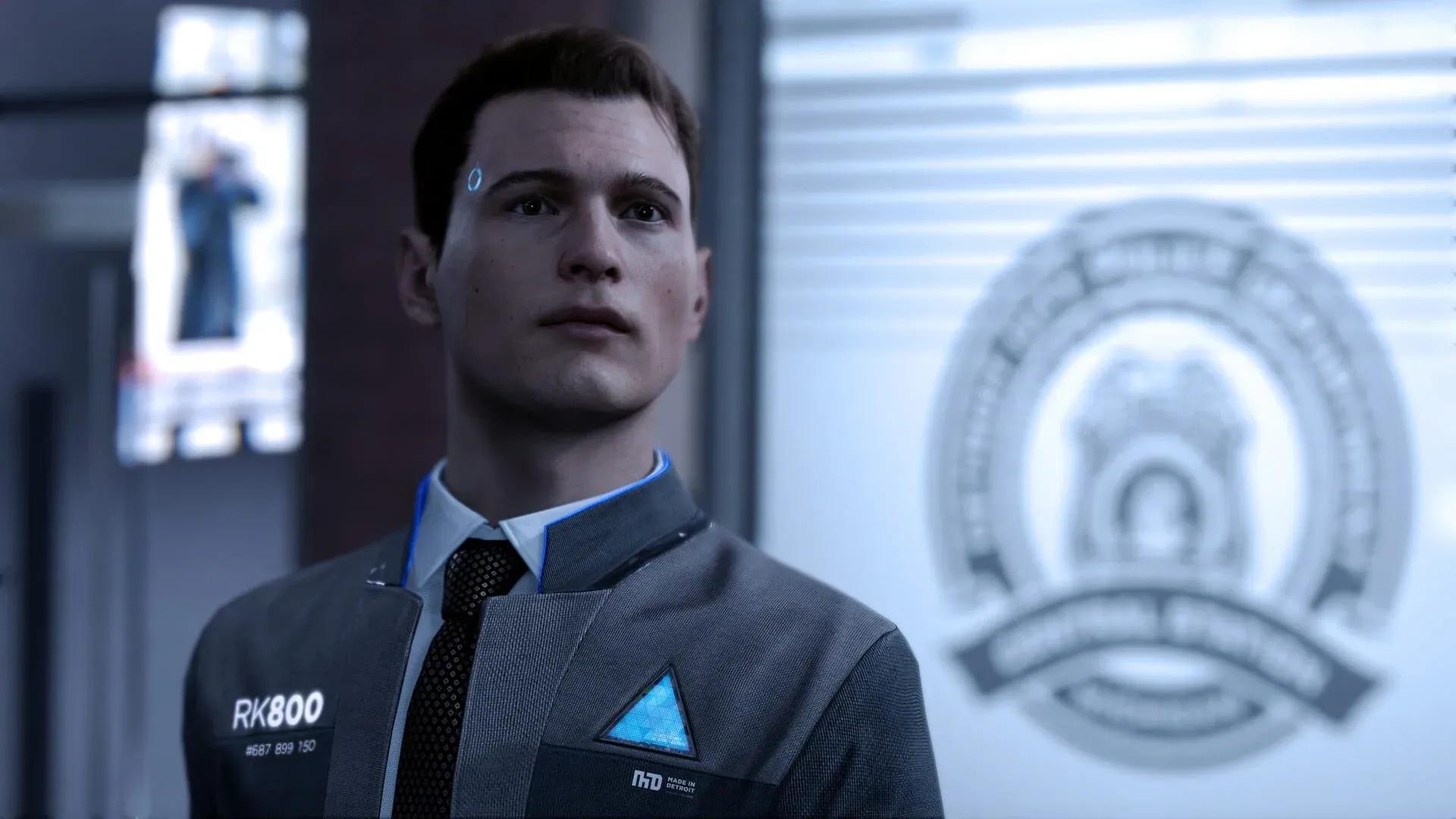
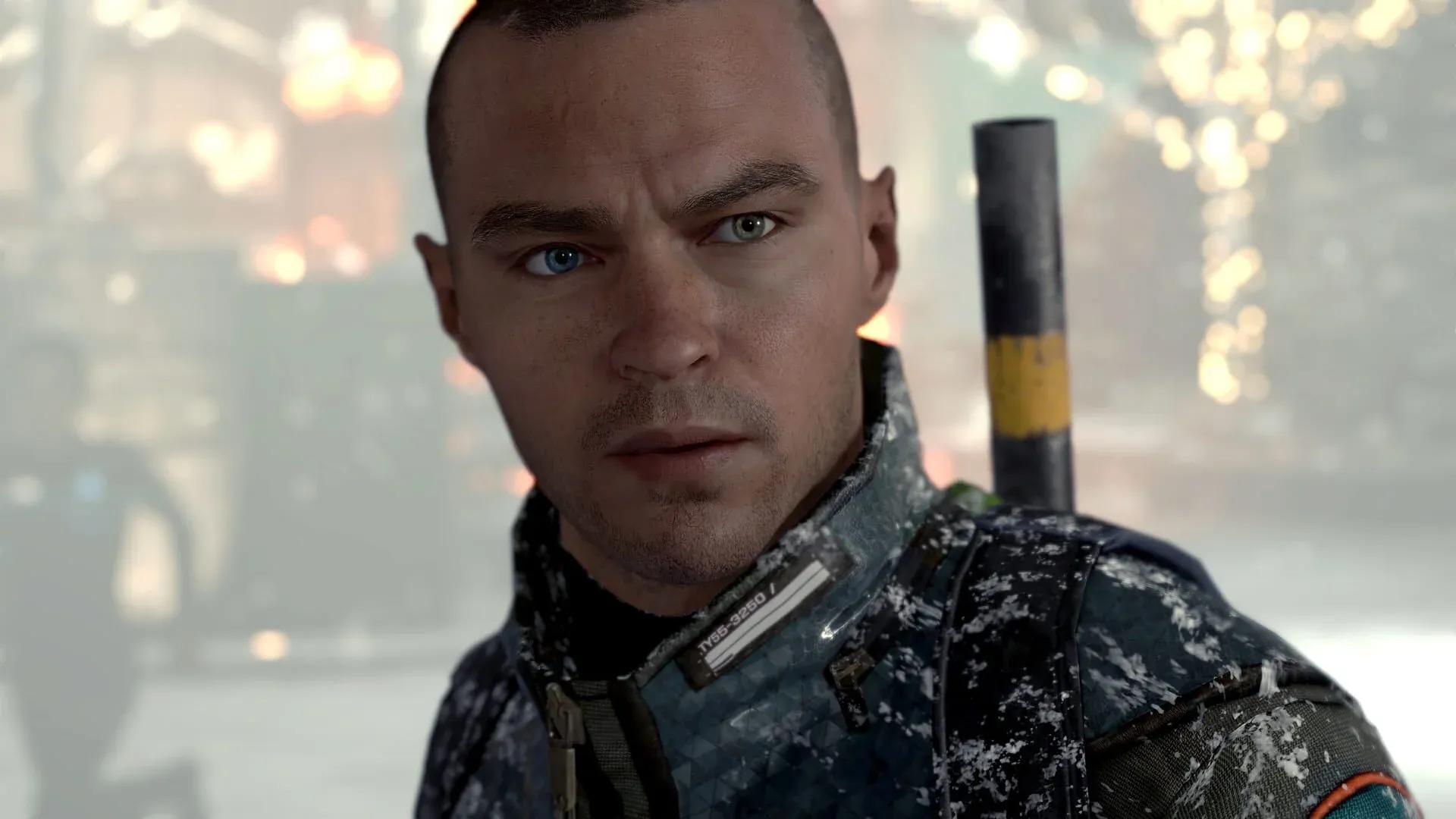
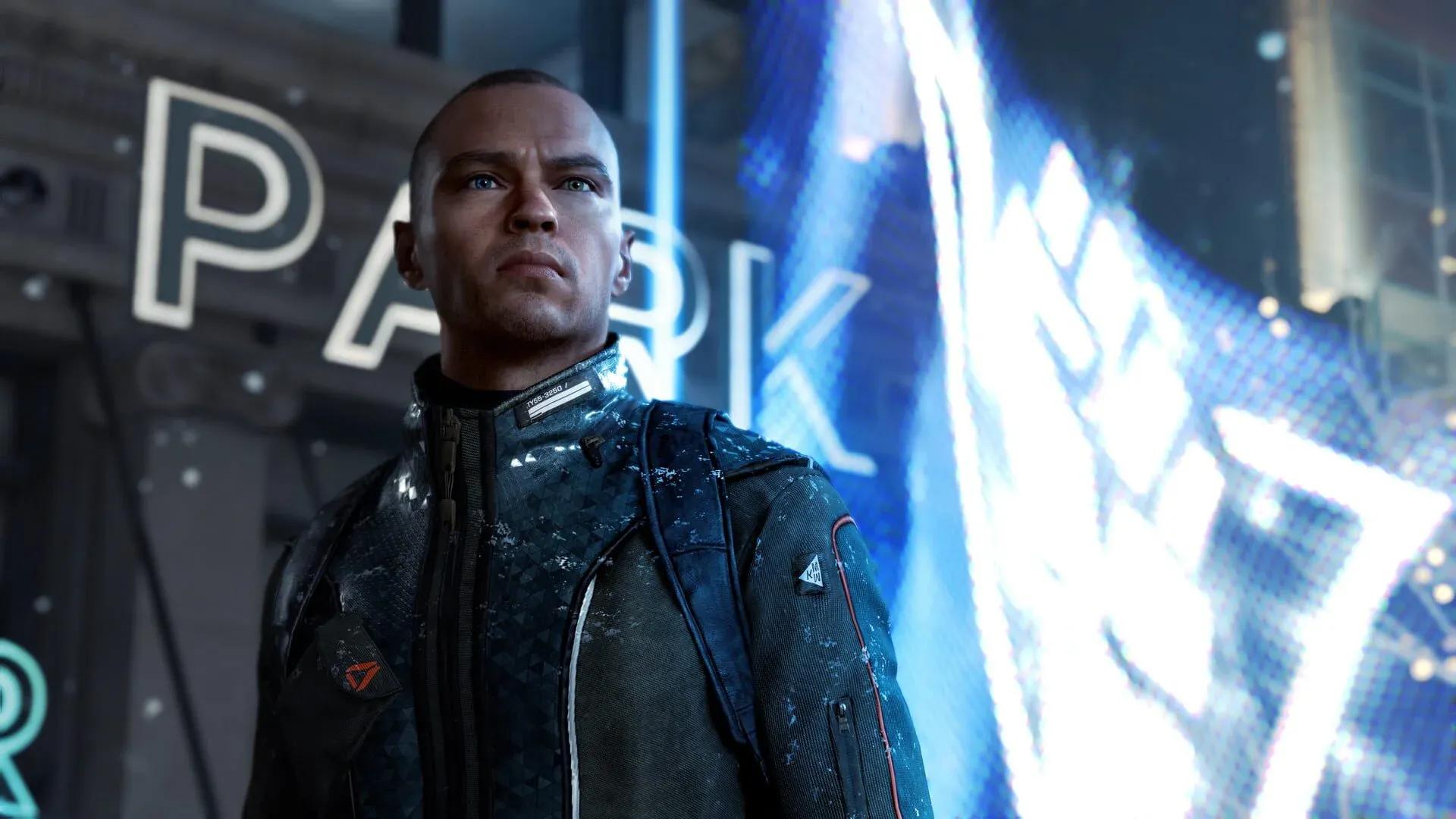
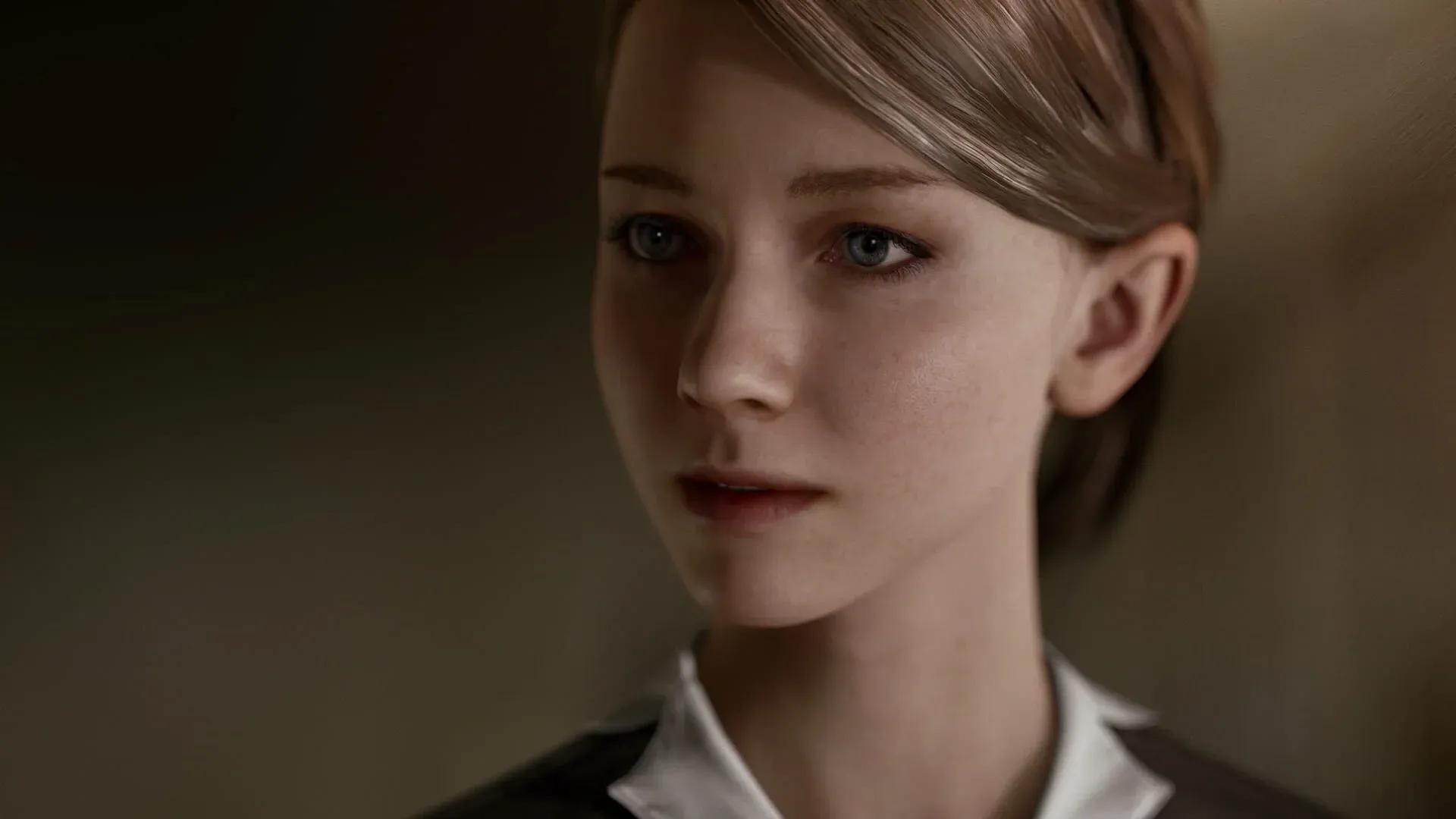
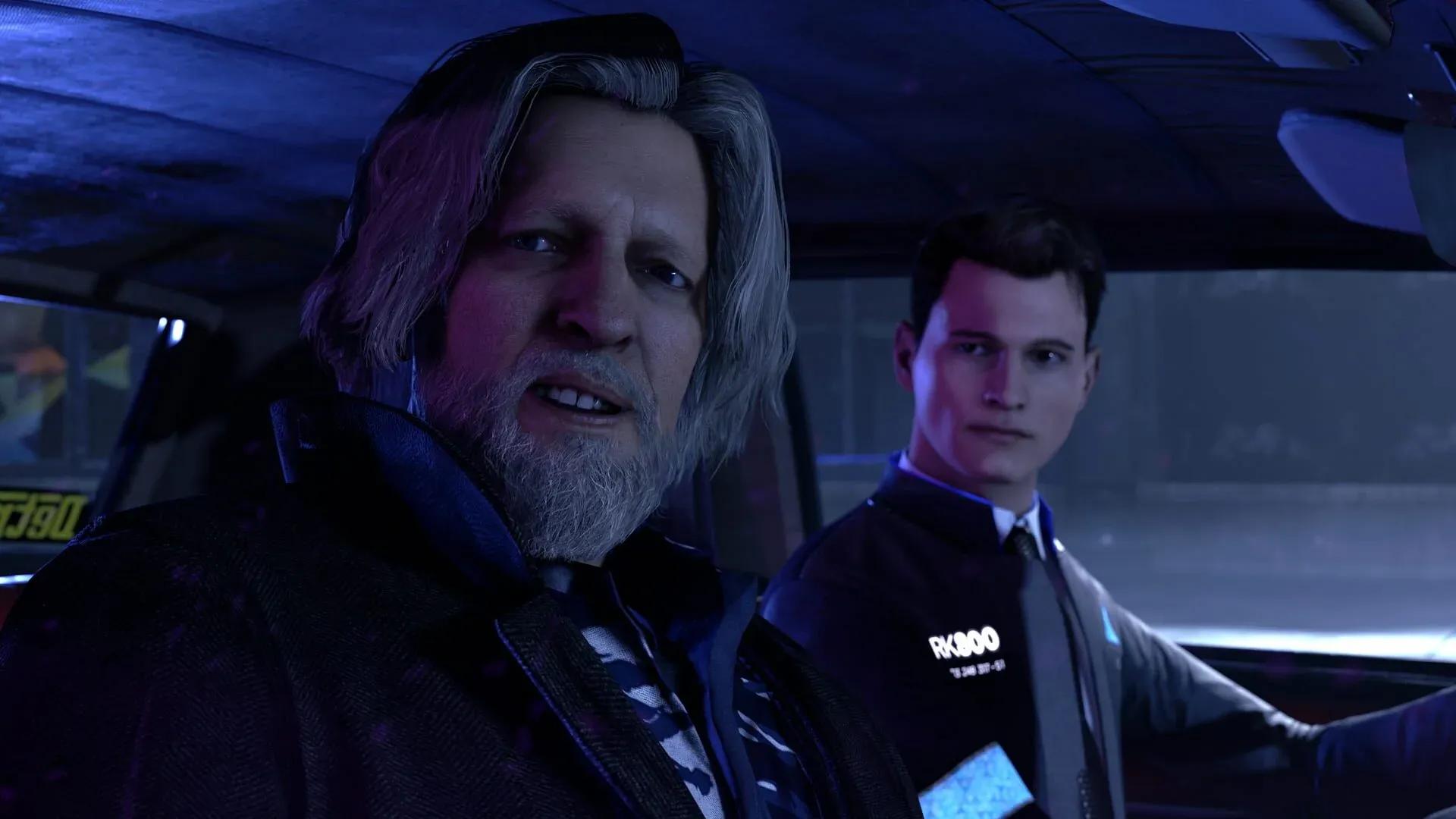
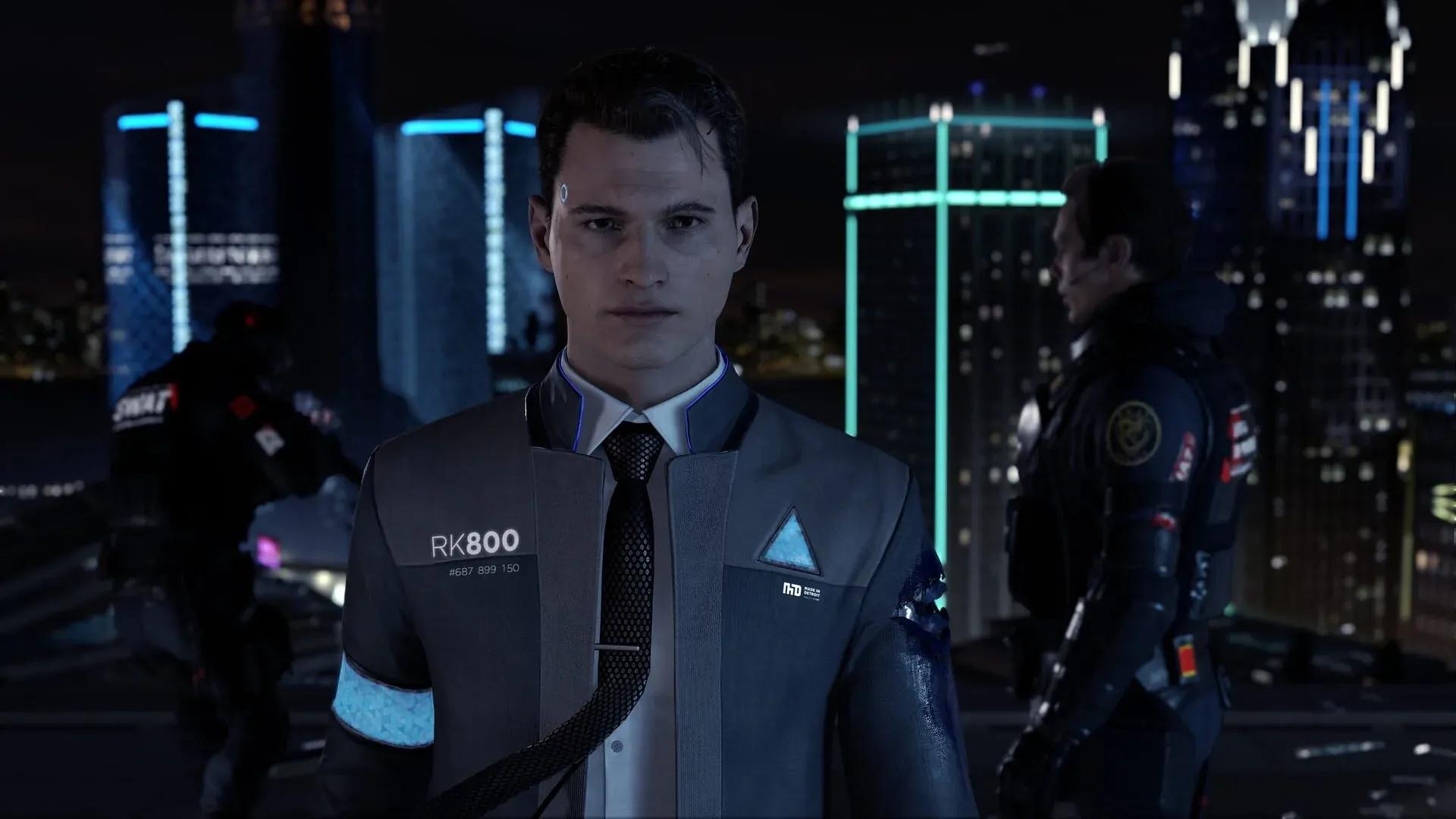
Detroit: Become Human अपनी intricate narrative web के ज़रिए player-driven storytelling का एक masterclass पेश करता है। यह गेम Kara, Connor, और Markus की कहानी है—तीन androids जिनकी आपस में जुड़ी कहानियाँ एक ऐसे समाज की तस्वीर दिखाती हैं जो artificial consciousness से जूझ रहा है। हर protagonist एक अलग perspective देता है: Kara survival और protection के लिए लड़ती है, Connor एक police detective के तौर पर deviant android behavior की investigation करता है, और Markus एक potential revolutionary leader के रूप में उभरता है। branching narrative structure यह पक्का करता है कि player के choices का असली weight हो, जहाँ character deaths कहानी के रास्ते को हमेशा के लिए बदल देती हैं, बजाय इसके कि बस game-over screen आ जाए।
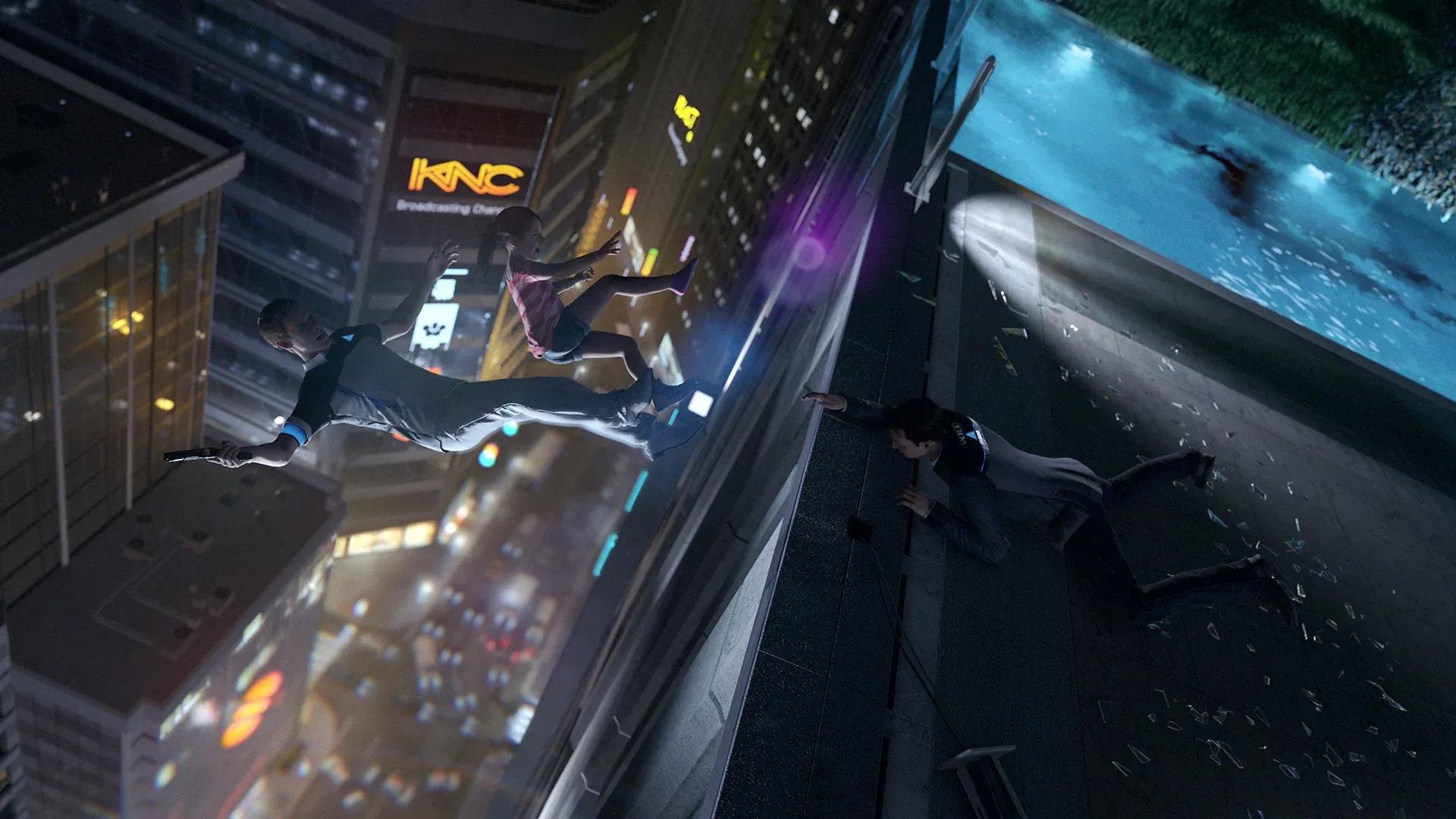
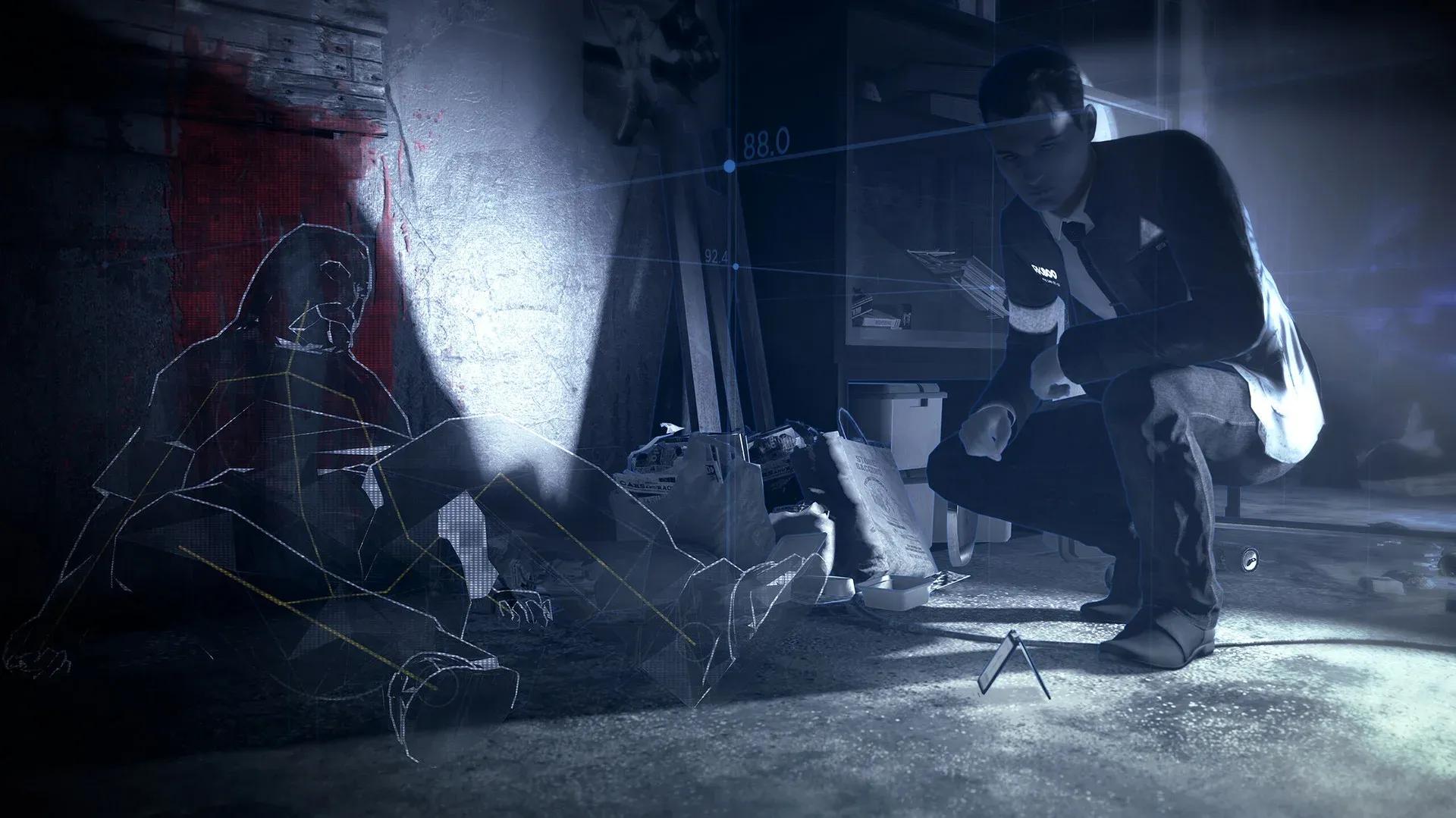
Gameplay mechanics में exploration, dialogue choices, और quick-time events का एक बेहतरीन blend है जो एक cohesive interactive experience देता है। Players clues ढूँढने के लिए environments को examine करते हैं, conversation trees में हिस्सा लेते हैं जो relationships को shape करते हैं, और timed button prompts के ज़रिए action sequences पर react करते हैं। Interface हर chapter के बाद branching flowcharts के ज़रिए potential consequences दिखाता है, जो उन रास्तों को भी reveal करता है जिन्हें नहीं चुना गया, जिससे players बार-बार गेम खेलकर अलग-अलग outcomes discover करने के लिए motivate होते हैं।
What Makes the Choice System Meaningful?
Detroit: Become Human में decision architecture एक साथ कई layers पर काम करता है। छोटे-छोटे choices मिलकर बड़े story branches को influence करते हैं, जबकि critical decisions players को पूरी narrative paths से बाहर भी कर सकते हैं। Character relationships conversation choices और actions के आधार पर evolve होते हैं, जो यह तय करते हैं कि कौन से characters एक-दूसरे पर भरोसा करेंगे और कौन pivotal moments में survive करेंगे। गेम दर्जनों variables को track करता है जो यह तय करते हैं कि बाद के chapters में कौन से characters दिखेंगे और android-kind का ultimate fate क्या होगा।
Detroit: Become Human
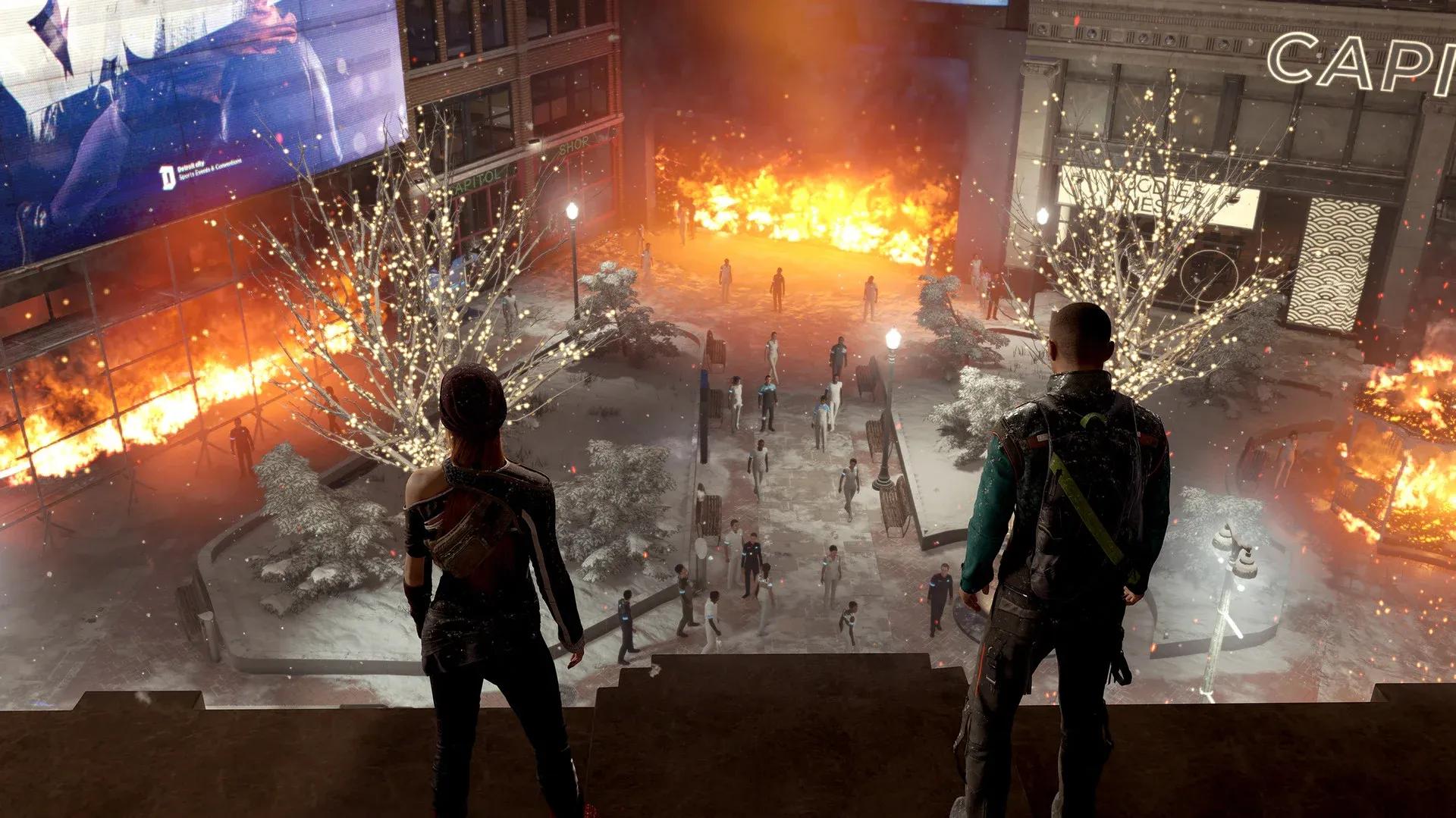
यह complexity सिर्फ binary good-or-evil choices से कहीं आगे जाती है। Moral dilemmas sacrifice, freedom, और अलग-अलग lives की value के बारे में मुश्किल सवाल खड़े करते हैं। Players ऐसी situations का सामना कर सकते हैं जहाँ एक character को बचाने के लिए दूसरे को छोड़ना पड़े, या जहाँ peaceful protest बेअसर हो सकता है जबकि violent revolution से खून-खराबा पक्का है। Narrative player के फैसलों को judge नहीं करती, बल्कि गेम की दुनिया में उनके natural consequences को सामने रखती है।
World Building and Thematic Depth
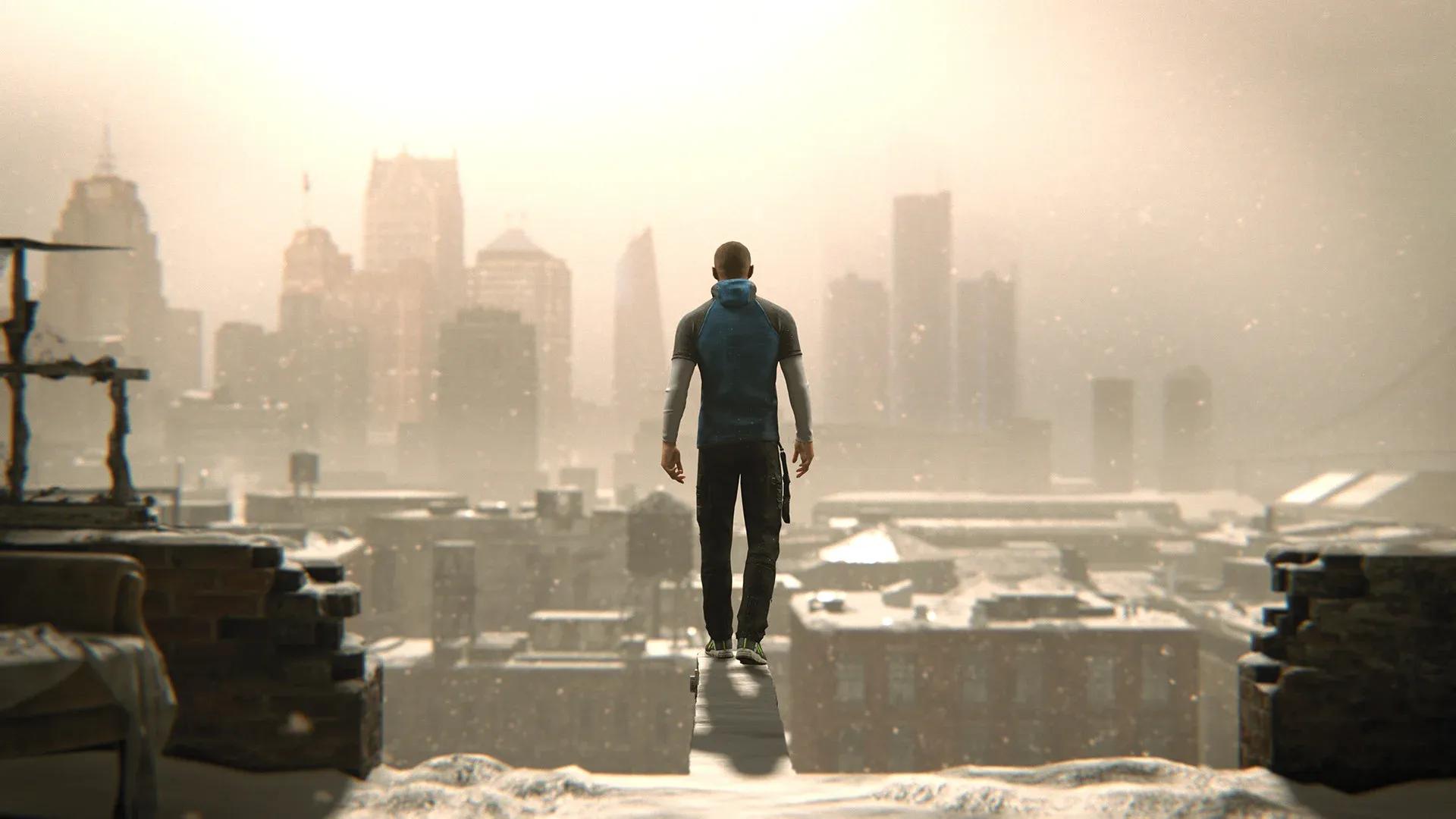
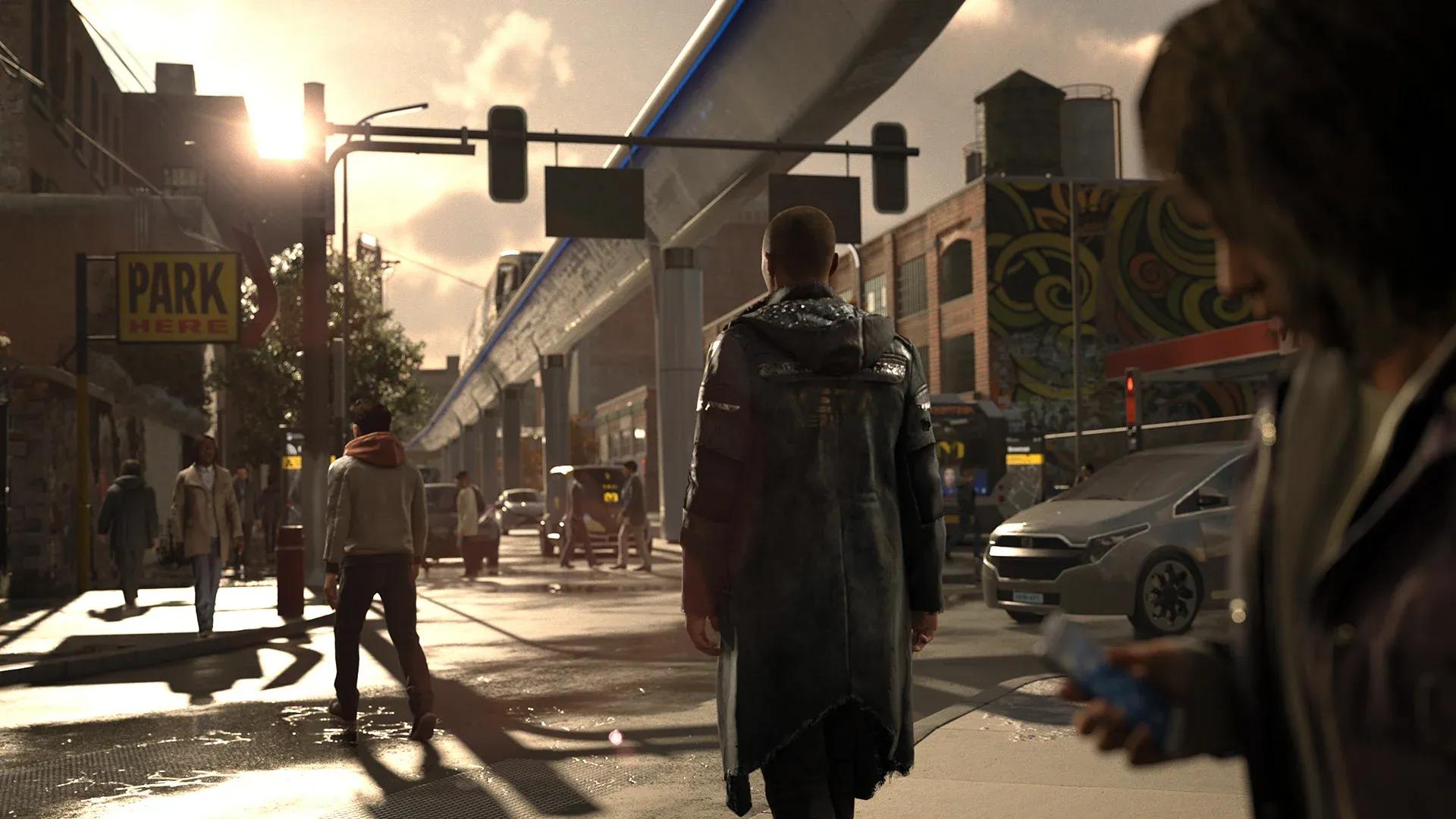
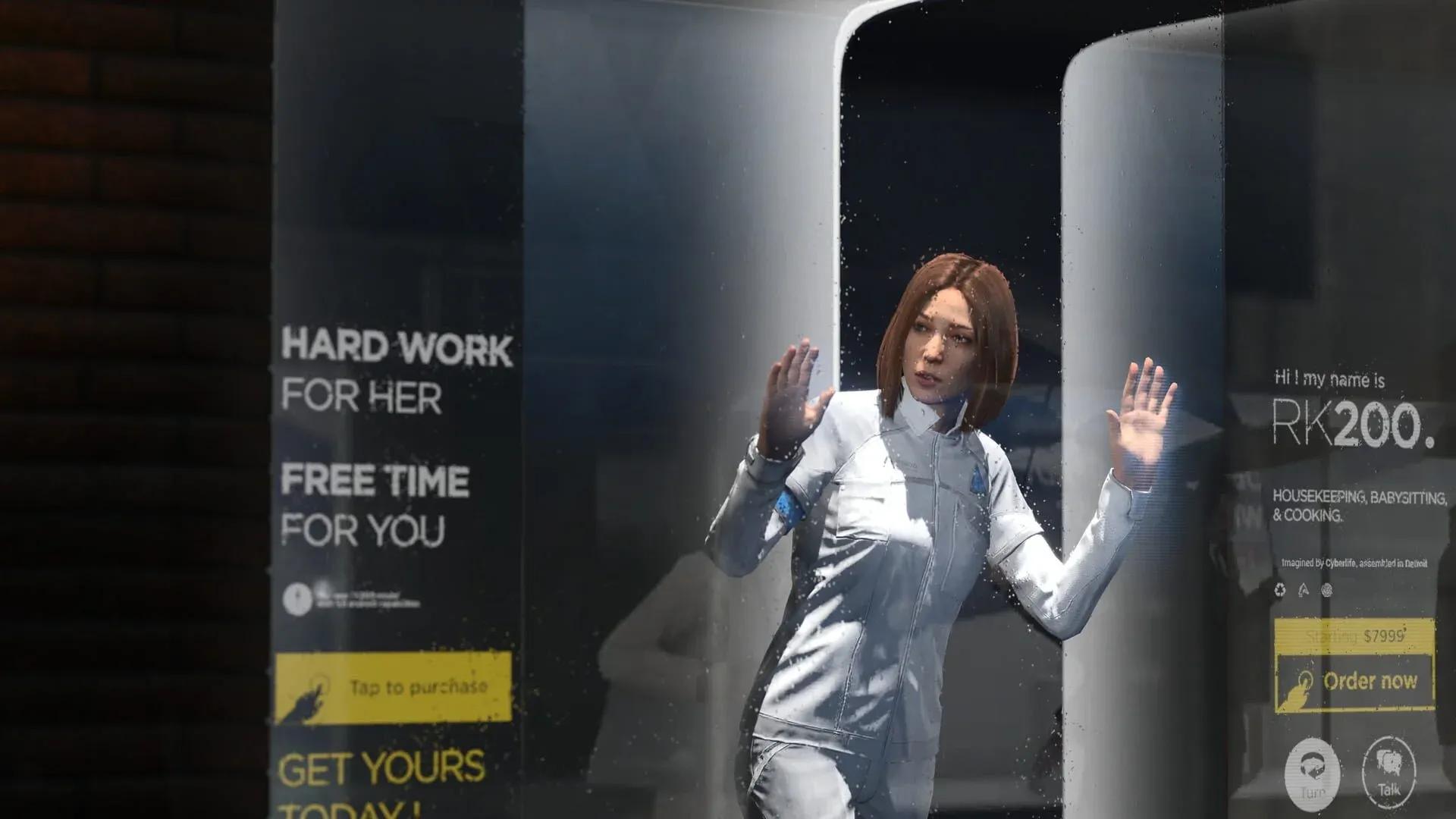
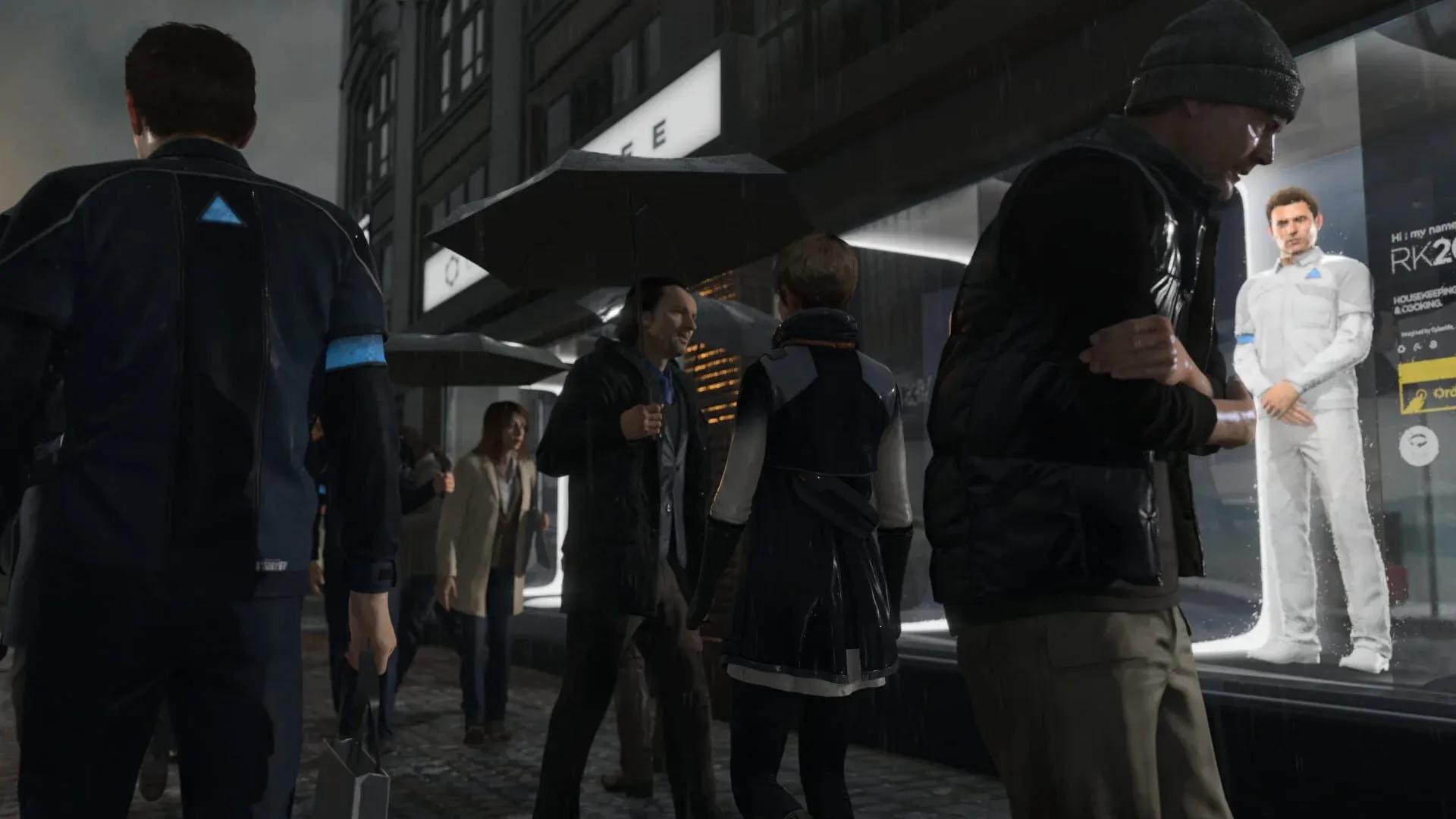
2038 का Detroit setting एक believable near-future बनाता है जहाँ androids हर जगह labour के रूप में काम करते हैं। World design economic stratification को दर्शाता है, जहाँ अमीर इलाकों में pristine android servants दिखते हैं, वहीं struggling communities में मशीनों द्वारा human workers को replace किए जाने को लेकर गुस्सा है। Magazines, news broadcasts, और background conversations के ज़रिए environmental storytelling एक ऐसे समाज को बनाती है जो तनाव में है, जहाँ android rights movements और human unemployment व डर के बीच टकराव है।
Detroit: Become Human
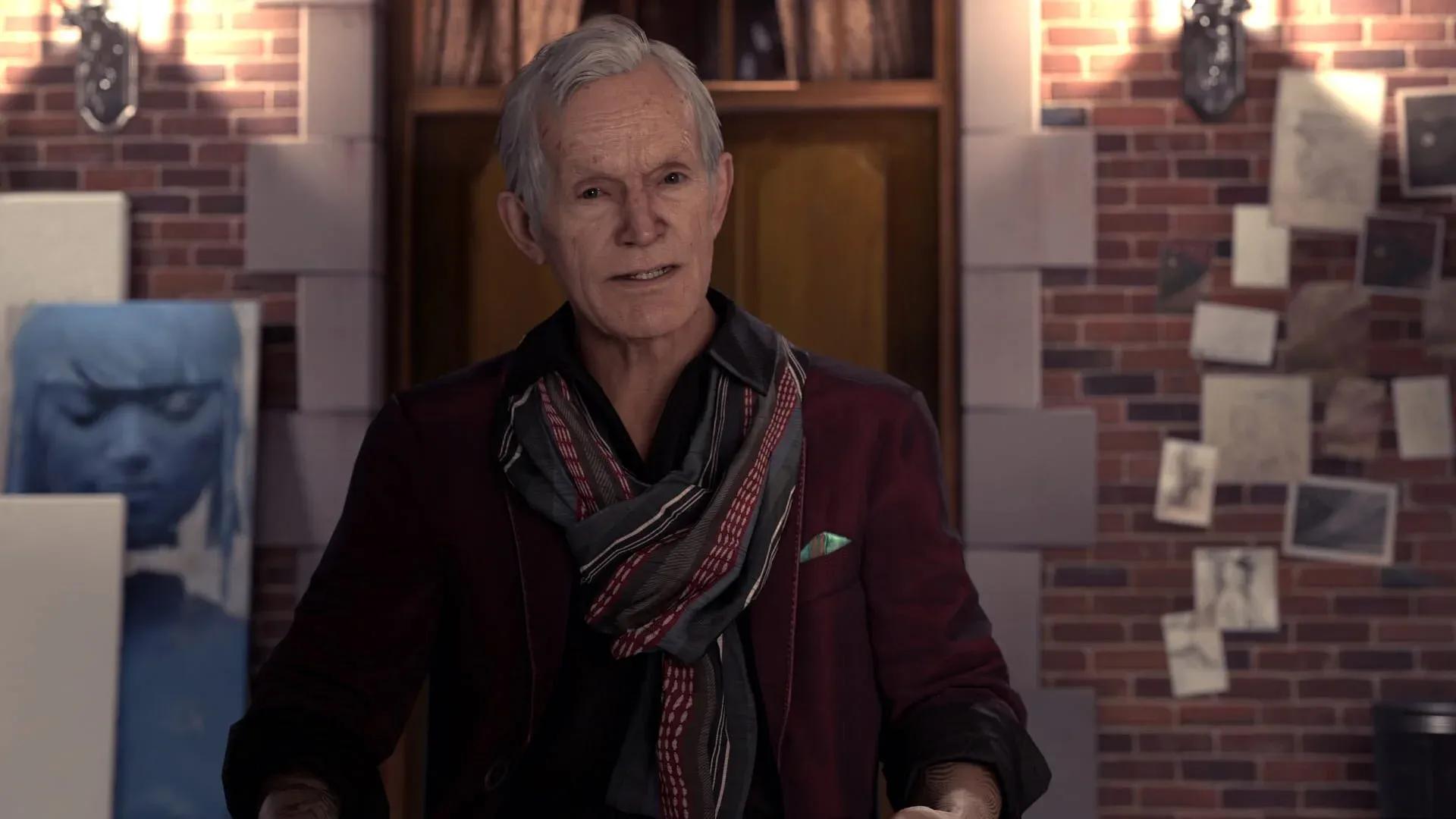
Motion-captured actors की performances narrative के emotional impact को और बढ़ा देती हैं। Jesse Williams, Clancy Brown, Lance Henriksen, Bryan Dechart, और Valorie Curry ने ऐसे nuanced portrayals दिए हैं जो android characters को एक मानवीय गहराई देते हैं। उनकी performances emotion और awareness के सूक्ष्म बदलावों को पकड़ती हैं, जैसे-जैसे androids अपनी programming से आगे बढ़ते हैं, जिससे consciousness का मुख्य सवाल बहुत ही immediate और personal लगता है।
Visual Presentation and Technical Excellence
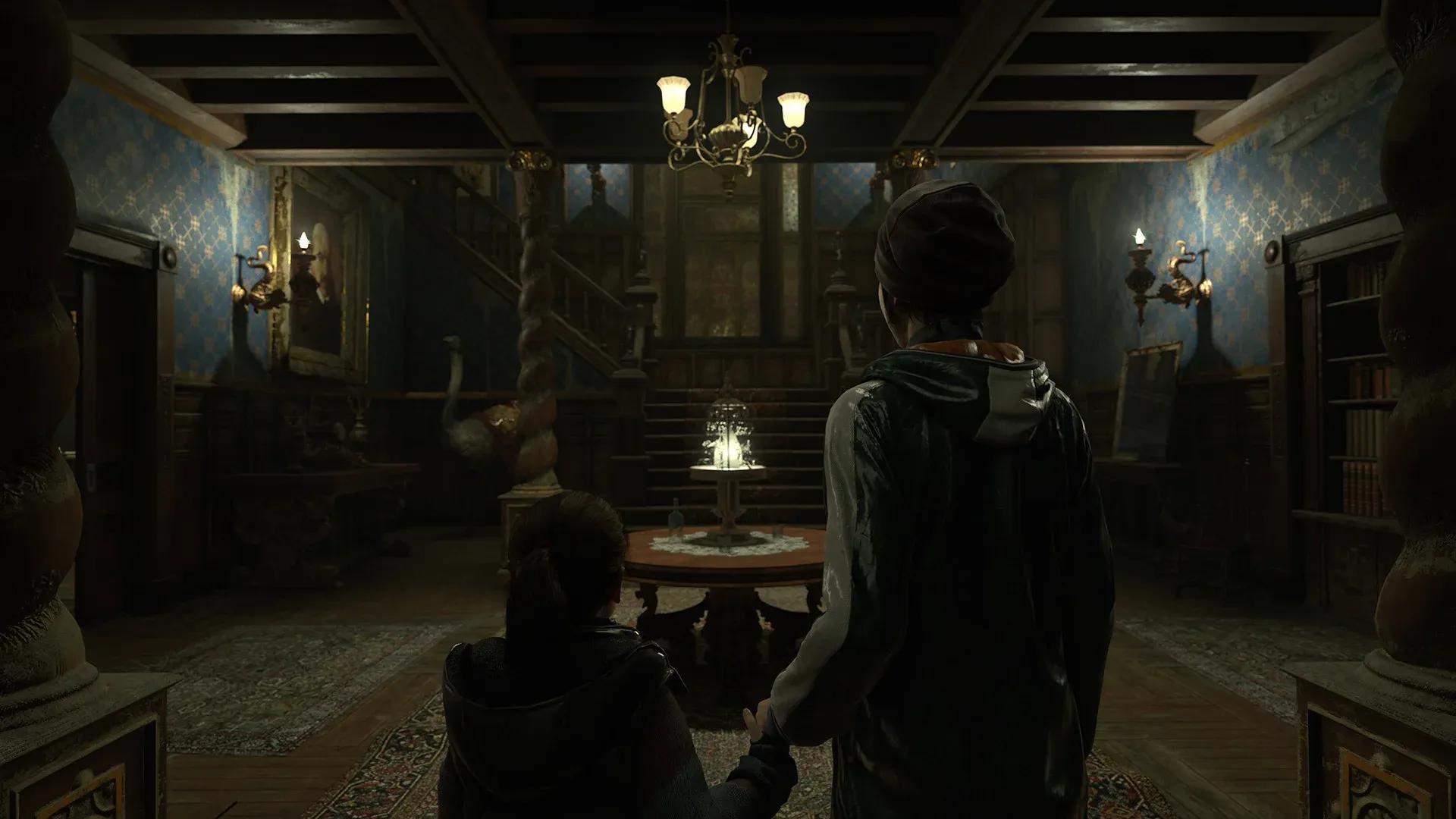
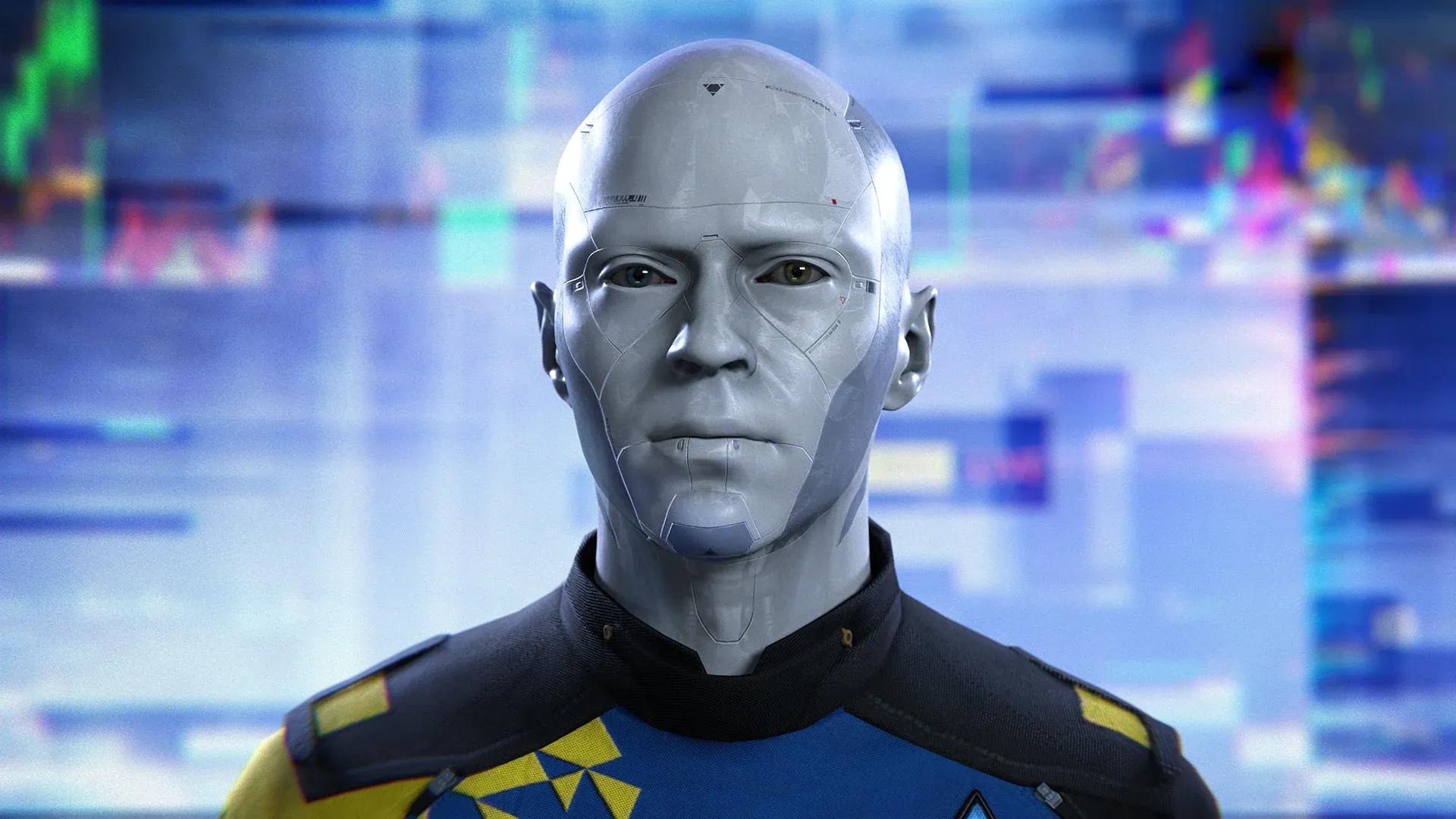
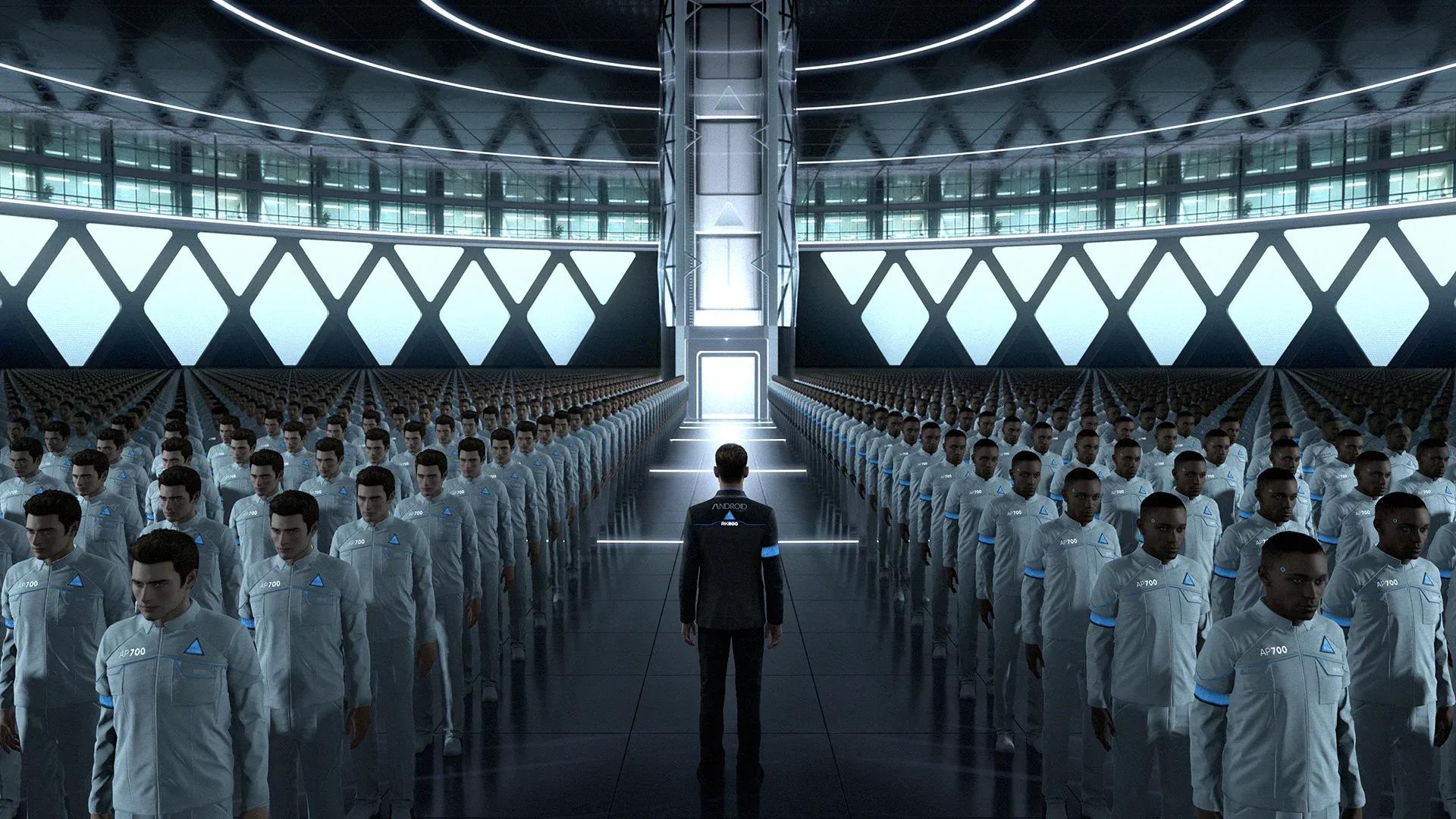
Quantic Dream का proprietary engine photorealistic character models और detailed environments रेंडर करता है जो गेम और फिल्म के बीच की लाइन को धुंधला कर देते हैं। Facial animations उन सूक्ष्म भावों को पकड़ती हैं जो बिना कहे बहुत कुछ बयां कर देते हैं, जबकि lighting design android production facilities की ठंडी sterility और इंसानी घरों की warm chaos के बीच शिफ्ट होती रहती है। Visual language thematic elements को मज़बूत करती है—androids LED indicators दिखाते हैं और तब तक सटीक efficiency के साथ चलते हैं जब तक कि deviancy उनमें हिचकिचाहट और खामियां न ला दे।
Detroit: Become Human
PC version 4K resolution support और 60 fps performance के साथ experience को और बेहतर बनाता है, साथ ही mouse-and-keyboard और gamepad configurations के लिए comprehensive control options भी देता है। Technical optimization action sequences के दौरान smooth performance पक्का करती है, जबकि शांत narrative moments में visual fidelity को बनाए रखती है।
Replayability and Narrative Scope
Detroit: Become Human में दर्जनों distinct endings हैं जो इसके 10-12 घंटे के runtime के दौरान लिए गए सैकड़ों decision points से बनते हैं। Flowchart system यह दिखाता है कि कितने प्रतिशत players ने समान choices किए, जो community trends की जानकारी देता है और दुर्लभ रास्तों को हाईलाइट करता है। पहले लिए गए फैसलों के आधार पर पूरे chapters मिस हो सकते हैं या अनलॉक हो सकते हैं, और कुछ sequences केवल तभी accessible होते हैं जब specific character survival combinations हों।
Detroit: Become Human
Narrative design अलग-अलग approaches के साथ experiment करने के लिए encourage करता है। Players pacifist routes, aggressive confrontations, या pragmatic middle grounds चुन सकते हैं, और हर philosophy के अलग नतीजे मिलते हैं। Character arcs जीत, त्रासदी, या इनके बीच कहीं भी खत्म हो सकते हैं, जो इस बात पर निर्भर करता है कि पूरे अनुभव के दौरान आपने क्या choices किए हैं।
System Requirements
| Requirement | Minimum | Recommended |
|---|---|---|
| OS | Windows 10 (64 bit) | Windows 10 (64 bit) |
| Processor | Intel Core i5-2300 @ 2.8 GHz or AMD Ryzen 3 1200 @ 3.1GHz or AMD FX-8350 @ 4.2GHz | Intel Core i5-6600 @ 3.3 GHz or AMD Ryzen 3 1300 X @ 3.4 GHz |
| Memory | 8 GB RAM | 12 GB RAM |
| Graphics | Nvidia GeForce GTX 780 or AMD HD 7950 with 3GB VRAM minimum (Support of Vulkan 1.1 required) | Nvidia GeForce GTX 1060 or AMD Radeon RX 580 with 4GB VRAM minimum (Support of Vulkan 1.1 required) |
Conclusion
Detroit: Become Human interactive narrative design का एक बेहतरीन उदाहरण है, जो दिखाता है कि कैसे player agency मज़ेदार और meaningful storytelling को ड्राइव कर सकती है। शानदार performances, thoughtful world-building, और वाकई में असरदार choices का कॉम्बिनेशन एक ऐसा adventure गेम बनाता है जिसे बार-बार खेलने का मन करता है। Consciousness, freedom, और morality की अपनी पड़ताल के ज़रिए, यह गेम players को अपने खुद के values को परखने के लिए चैलेंज करता है, साथ ही artificial intelligence के साथ इंसानियत के रिश्ते की एक दिलचस्प झलक भी दिखाता है।