
Overview
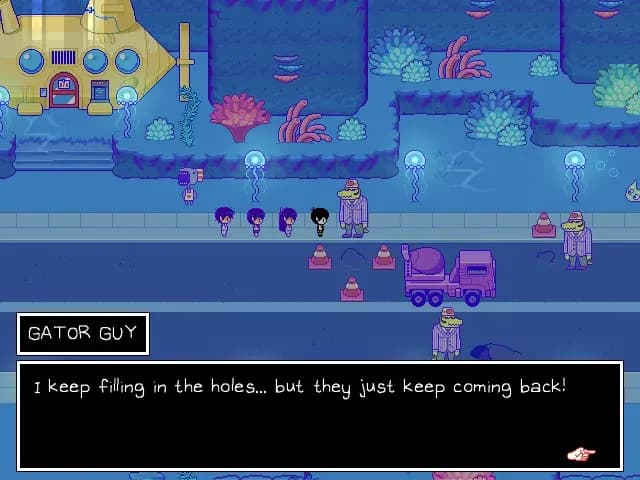
OMORI role-playing genre mein ek kaafi unique approach lekar aata hai, jahan lighthearted exploration aur deep psychological themes ka ek perfect mix dekhne ko milta hai. Players do alag realities ke beech switch karte hain: HEADSPACE ki vibrant aur surreal duniya, aur FARAWAY TOWN ka mundane setting. Yeh dual-world structure ek aisi narrative framework banati hai jahan dreamscape ka har cheerful moment apne saath kuch unresolved aur hidden baatein lekar aata hai, jo kabhi bhi surface par aa sakti hain.
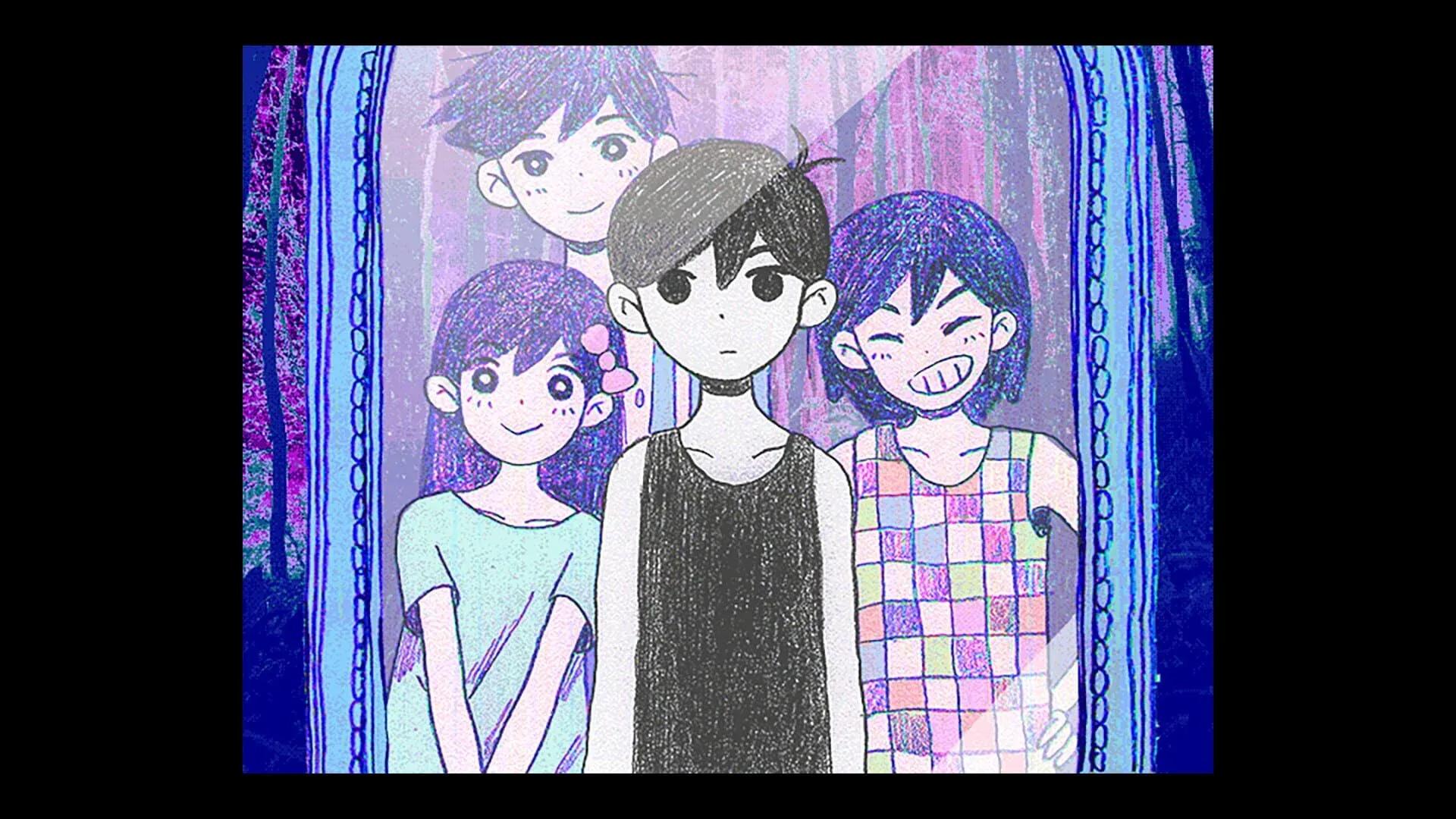
Game ka protagonist dono realms mein exist karta hai—dream world mein OMORI ke roop mein aur reality mein ek alag character ke taur par. Yeh split identity game ke memory, trauma, aur un stories ka base banati hai jo log khud ko unbearable truths se cope karne ke liye batate hain.
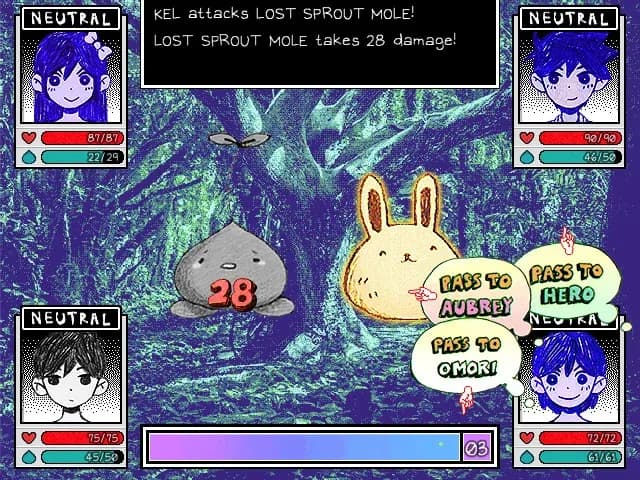
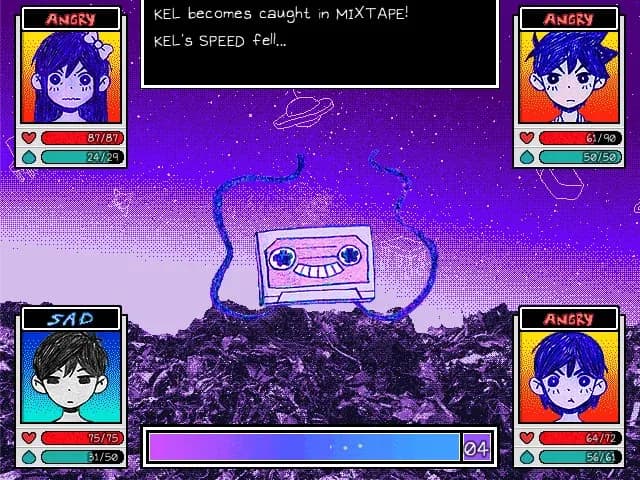
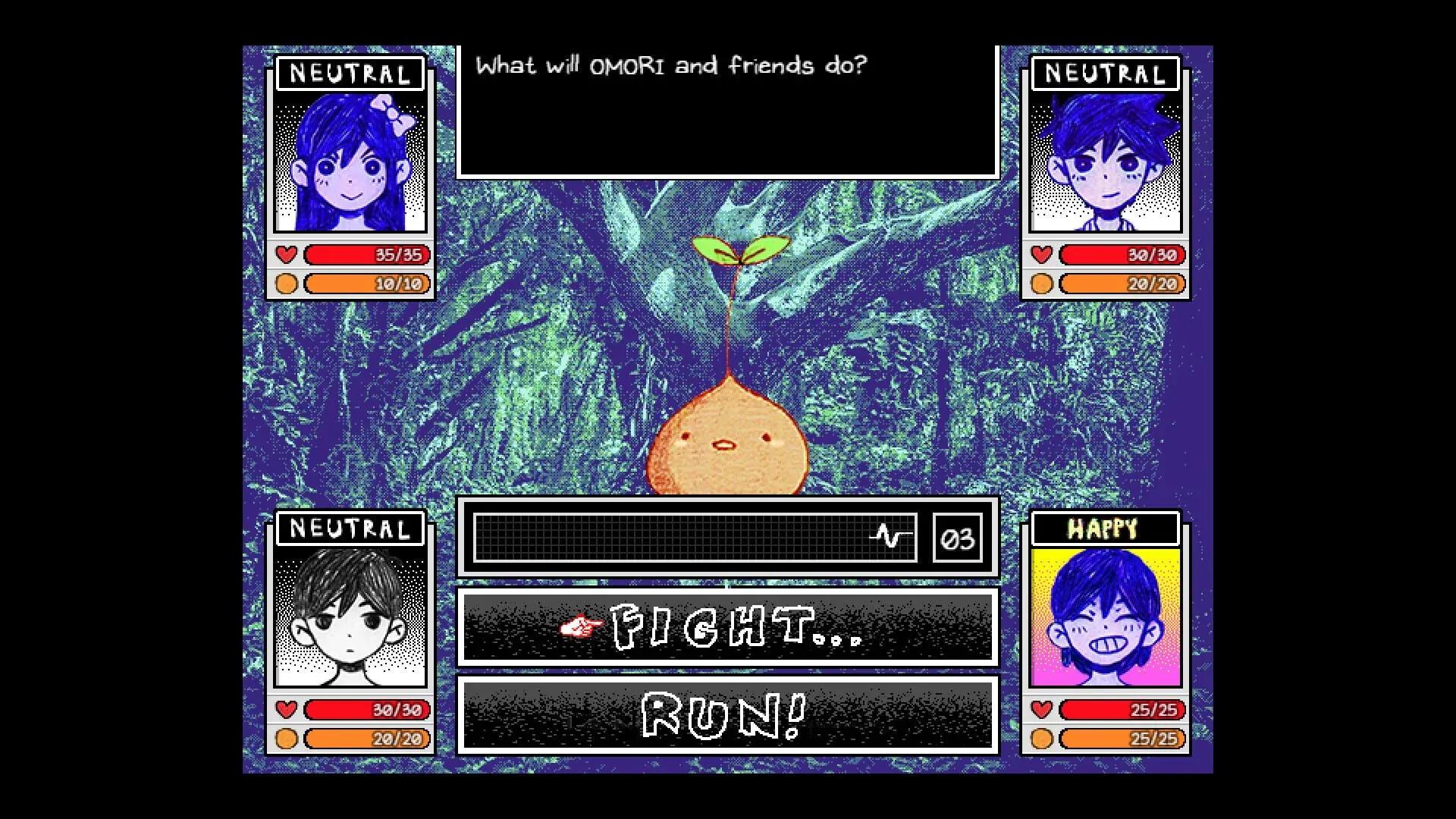
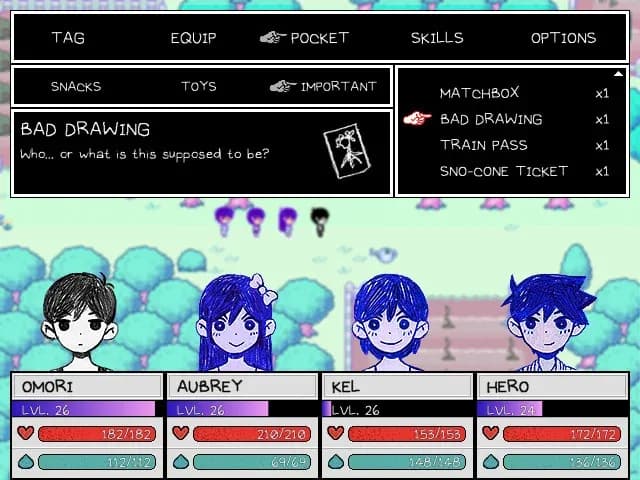
Combat encounters mein traditional turn-based system ka use kiya gaya hai, jise emotion-based mechanic ne aur bhi strategic bana diya hai. Characters alag-alag emotional states—HAPPY, SAD, aur ANGRY—experience kar sakte hain, jo battle mein unki performance ko rock-paper-scissors-style relationship ke through affect karta hai. HAPPY characters ki luck badh jaati hai par accuracy kam ho jaati hai, SAD characters zyada defensive ho jaate hain par slow ho jaate hain, aur ANGRY characters zyada damage dete hain par khud bhi zyada damage lete hain. Apni party ke in emotional states ko manage karna simple attack selection se kahin zyada tactical hai.
Game apne diverse skill system ke through experimentation ko reward karta hai. Har party member ke paas unique abilities hoti hain jo creative ways mein synergize karti hain, jisse players ko powerful combinations dhundhne ka maza aata hai. Skills mein direct damage attacks se lekar support abilities tak sab kuch hai, jo emotions ko manipulate kar sakte hain, allies ko heal kar sakte hain, ya enemies ko debuff kar sakte hain.
OMORI ki duniya itni memorable kyun hai?
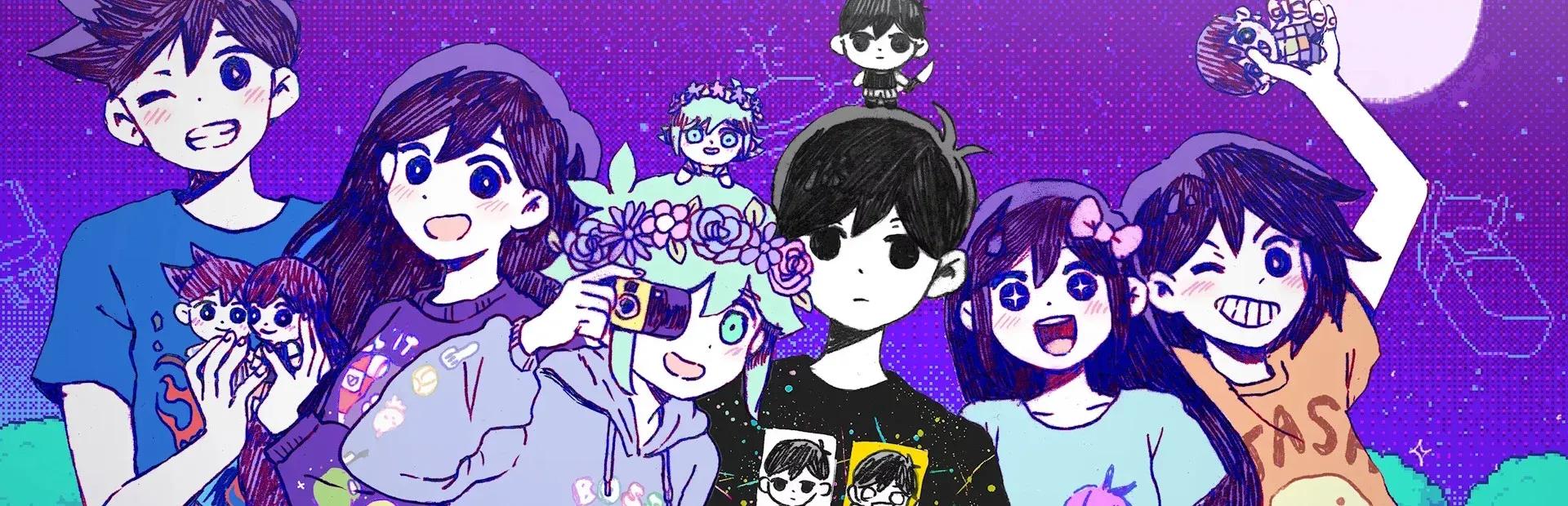
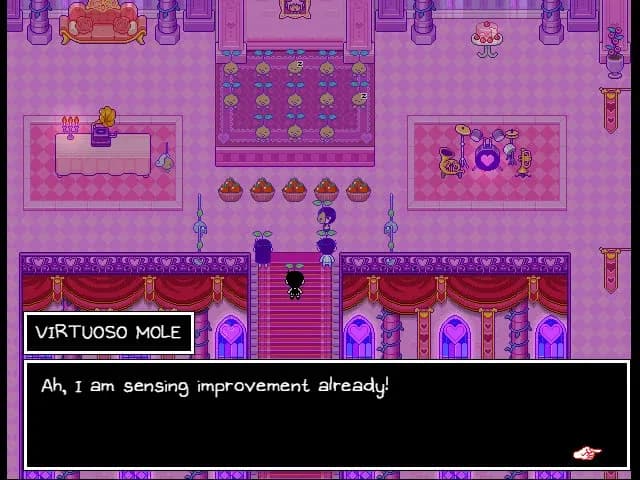
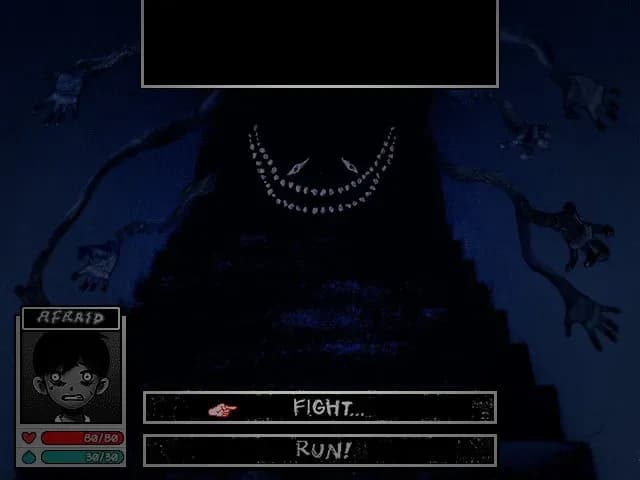
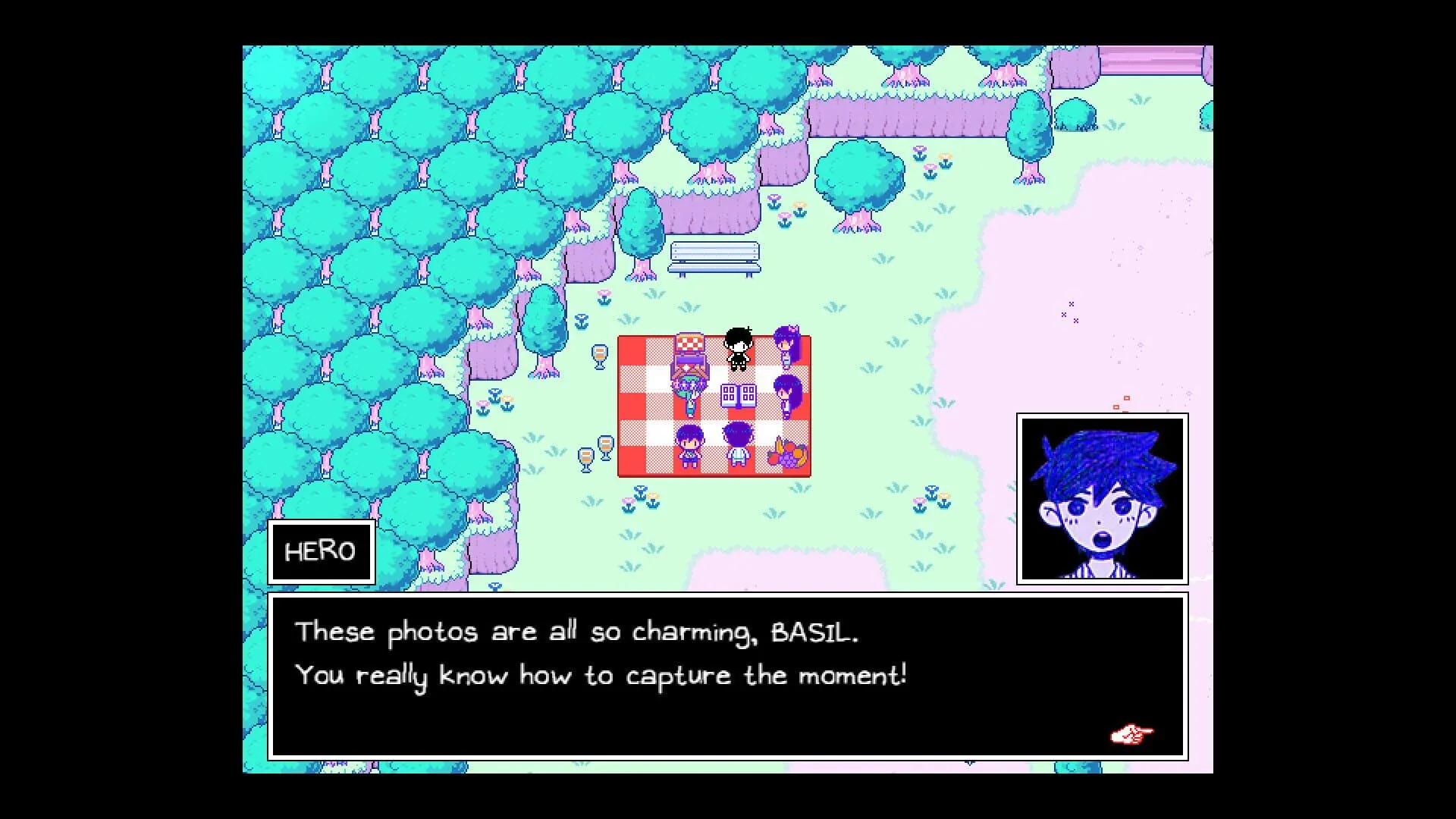
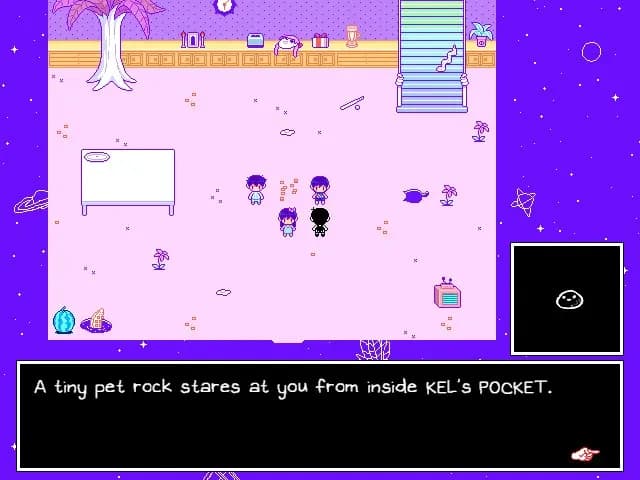
Iska visual design ek aisi aesthetic create karta hai jo turant notice ho jaati hai, jahan stark black-and-white sequences aur pastel colors ka explosion ek dusre ko contrast karte hain. HEADSPACE mein hand-drawn art style hai jo quirky characters, imaginative locations, aur surreal imagery se bhara hua hai—kabhi yeh whimsical lagta hai toh kabhi genuinely disturbing. Ek moment aap anthropomorphic creatures ke saath picnic area explore kar rahe hote hain, aur agle hi pal aap aise spaces mein hote hain jo visual metaphor ke zariye psychological distress ko darshate hain.
OMORI
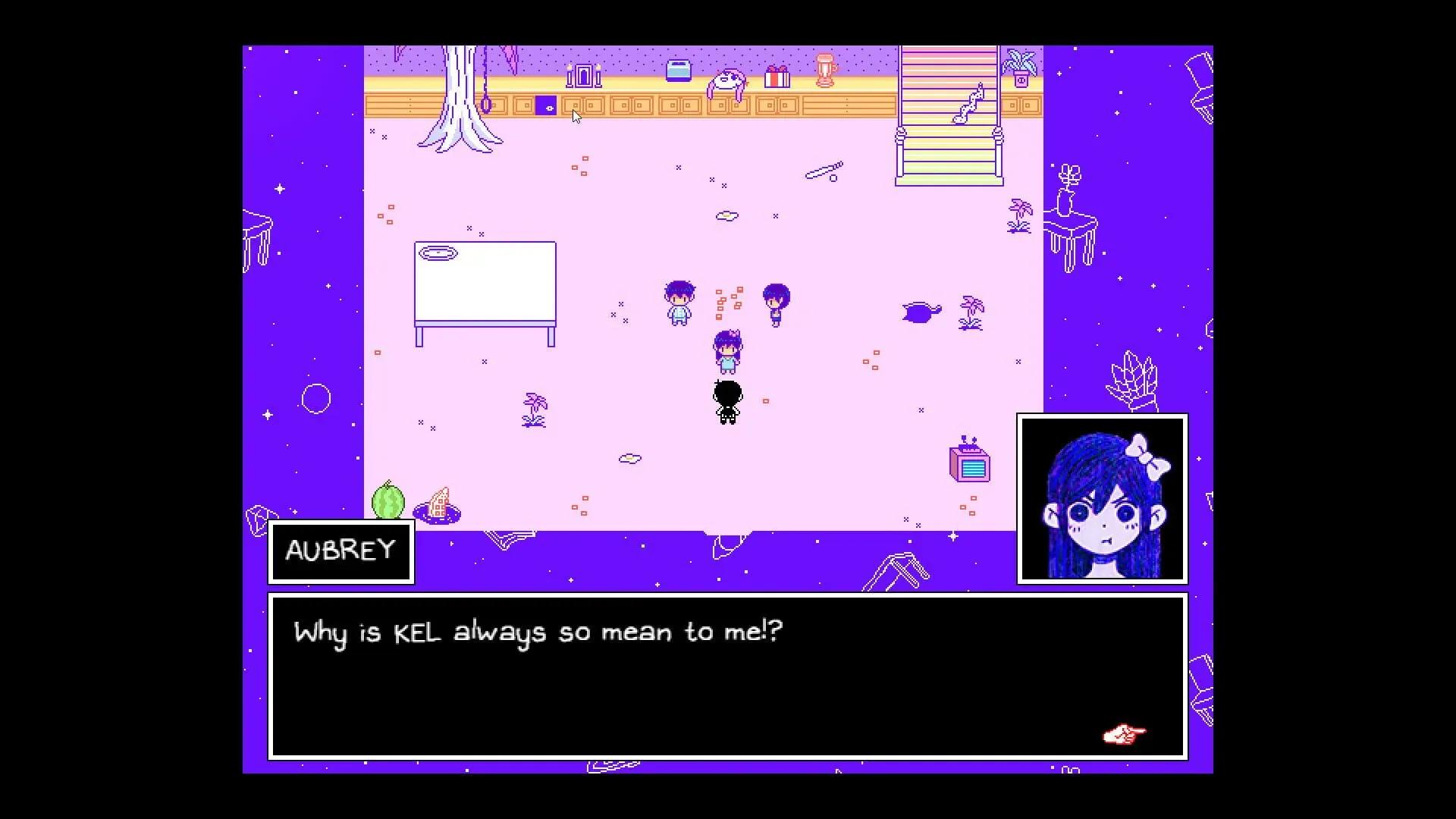
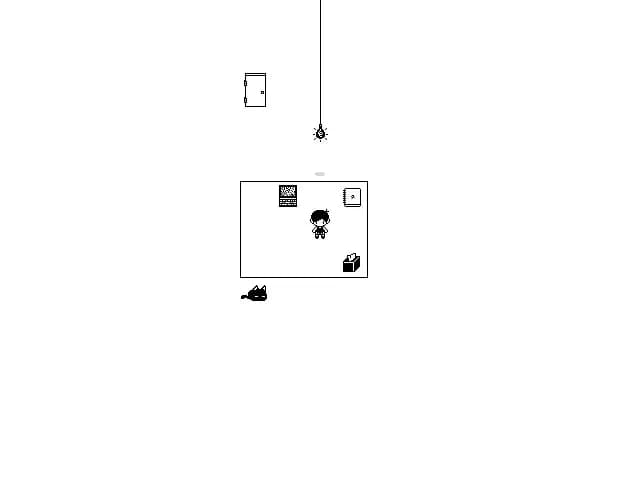
Environmental storytelling har location mein dikhti hai. Dream world ki geography protagonist ke inner landscape ko reflect karti hai, jahan areas narrative progression ke saath badalte rehte hain. WHITE SPACE ek minimalist hub ki tarah hai—ek blank void jisme sirf zaroori objects hain jo isolation aur avoidance ki taraf ishara karte hain. Is starting point se, players complex areas mein venture karte hain jo character relationships, bhuli hui yaadein, aur emotional struggles ke symbolic representations ko reveal karte hain.
Narrative Structure aur Player Choice
Storyline multiple days mein unfold hoti hai, jahan har cycle mein alag areas explore karne, characters se interact karne, aur ek bade mystery ke fragments uncover karne ke mauke milte hain. Ek missing person ki khoj narrative direction deti hai, jabki asli focus is baat par rehta hai ki past mein kya hua tha aur kuch yaadein kyun access nahi ho paati hain.
- Turn-based combat system
- Emotion-based battle mechanics
- Choices par based multiple endings
- Extensive side quests aur optional content
- Character relationship development
OMORI
Player ke decisions narrative outcome ko kaafi had tak shape karte hain. Game poore experience ke dauran kayi choices ko track karta hai, major plot decisions se lekar choti-moti interactions tak. Yeh choices alag-alag endings ki taraf le jaati hain jo poore journey ko naye perspective se dikhati hain. Branching paths players ko multiple playthroughs ke liye encourage karte hain taaki woh poori story samajh sakein aur dekh sakein ki kaise alag choices character dynamics ko badalti hain aur events ke naye perspectives reveal karti hain.
Audio Design aur Atmosphere
Soundtrack visual storytelling ko perfect complement karta hai, jisme upbeat melodies aur haunting ambience ka mix hai. Musical themes game ke core emotional duality ko reflect karti hain—cheerful areas mein playful tracks chalte hain, jabki somber piano pieces reflection ya revelation ke moments ko highlight karte hain. Sound design sirf music tak limited nahi hai, balki ambient effects bhi hain jo atmosphere ko enhance karte hain, jaise WHITE SPACE ki unsettling silence se lekar populated areas ki lively chatter tak.
OMORI
Voice acting nahi hai, jisse written dialogue aur visual presentation par hi character personalities ka focus rehta hai. Yeh design choice game ke artistic vision ko maintain karti hai aur players ko apni imagination ke hisaab se character voices interpret karne ki freedom deti hai.
Exploration aur Side Content
Main narrative ke alawa, OMORI mein kaafi optional content bhi hai. Side quests supporting cast members ke liye character development provide karte hain aur exploration ke badle unique items, abilities, aur lore dete hain. Dono worlds mein chhipe secrets thorough investigation ko encourage karte hain—kuch areas tabhi access ho paate hain jab aap specific conditions meet karte hain ya kuch story choices lete hain.
Game player ke time ki respect karta hai, jahan designated points par save karne ki facility hai, aur horror elements ke through tension maintain rakhta hai. Resource management ka bhi role hai kyunki healing items aur stat-boosting consumables ka strategic use zaroori hai, khaaskar extended dungeon sequences ya challenging boss encounters ke dauran.
OMORI
Mini-games aur collectibles experience mein variety add karte hain. Players simple diversions se lekar complex challenges tak engage kar sakte hain jo combat proficiency ke alawa skills ko test karte hain. Yeh optional pursuits pacing relief provide karte hain aur world-building aur character development mein contribute karte hain.
| Requirement | Minimum | Recommended |
|---|---|---|
| OS | - | Microsoft Windows 10 (32bit/64bit) |
| Processor | Intel N4100 (or similar) or better | Intel Core i3-6100 or better |
| Memory | 4 GB RAM | 8 GB RAM |
| Graphics | DirectX 9/OpenGL 4.1 capable GPU | OpenGL ES 2.0 hardware driver support required for WebGL acceleration |
| DirectX | Version 9.0c | Version 9.0 |
| Storage | 2 GB available space | 2 GB available space |
Conclusion
OMORI independent game development mein ek remarkable achievement hai, jo accessible turn-based RPG mechanics ko emotionally resonant storytelling ke saath combine karta hai. Yeh psychological trauma ko metaphorical imagery ke through examine karta hai. Emotion-based combat system strategic depth add karta hai, jabki dual-world structure ek aisi narrative framework banati hai jo players ko final revelation tak reality par question karne par majboor karti hai. Multiple endings, extensive side content, aur distinctive audiovisual presentation ke saath, yeh surreal horror RPG ek thought-provoking experience deta hai jo game khatam hone ke baad bhi aapke dimaag mein rehta hai.