Overview
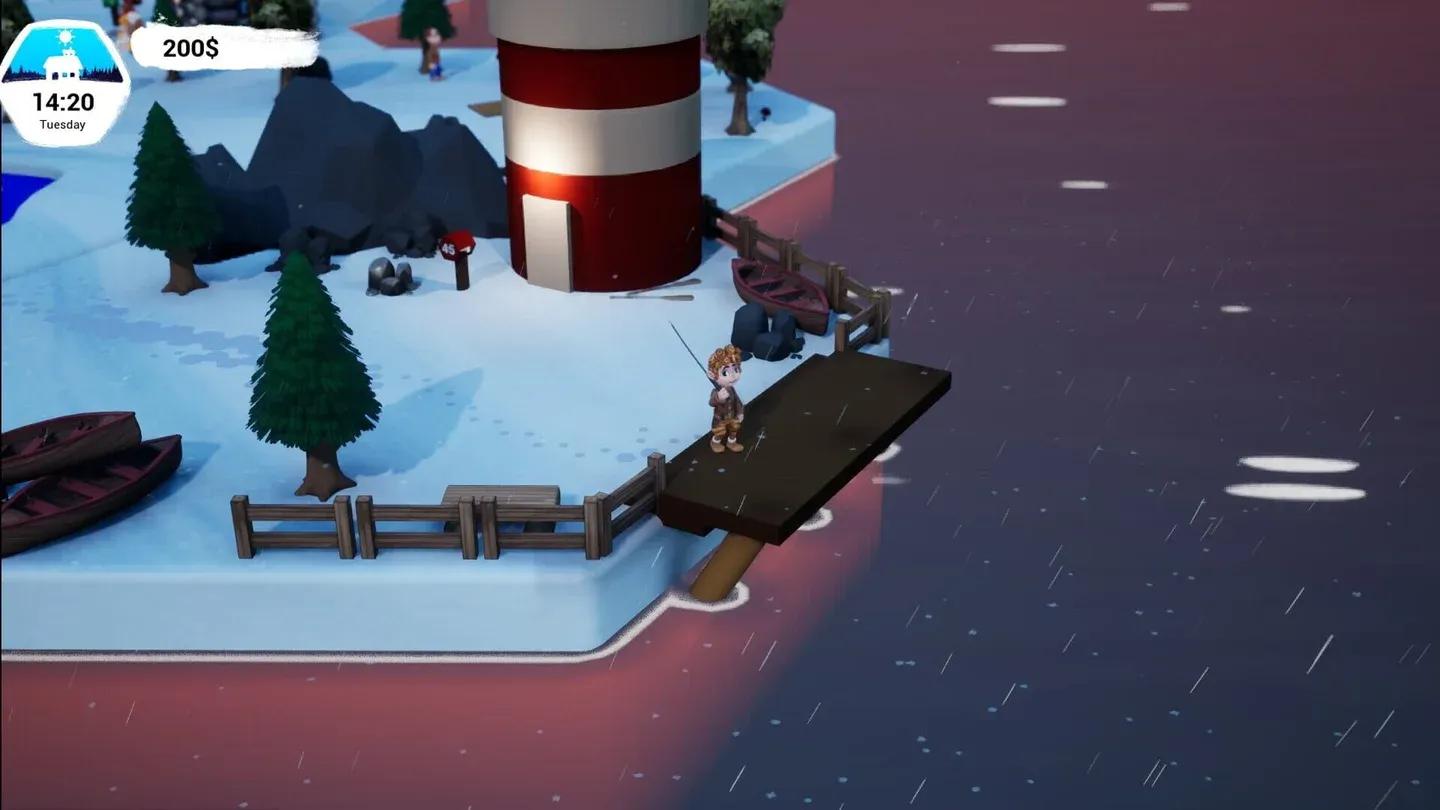
Sugar Shack, developed by Madlife Divertissement and published by Freedom Games, is a maple syrup management and world-crafting game set in a cozy forest drawn from Quebec's folk tradition. The world exists in a permanent early spring, which sets the tone perfectly: everything feels like it's just waking up, waiting to be shaped. Players run the legendary Sugar Shack at the center of this magical setting, serving hungry villagers, harvesting resources, and gradually reviving the land around them.
The game launched on September 14, 2023, across PC (Steam and Epic Games Store), iOS, and Android, making it accessible on both desktop and mobile. That cross-platform reach suits the game's pace well. This is not a game that demands your full attention every second. It invites you to pick it up, tap a few maple trees, bake a batch of beaver's tail pastry, and put it down feeling good about what you did.
What makes Sugar Shack stand apart from the crowded cozy-sim space is its Quebec identity. The NPCs and quests pull directly from regional folklore, including references to legends like "The Flying Canoe" and "La Corriveau." These aren't cosmetic touches. They give the world a specific cultural weight that most games in this genre don't bother with.
Gameplay and mechanics: what does Sugar Shack actually have you doing?
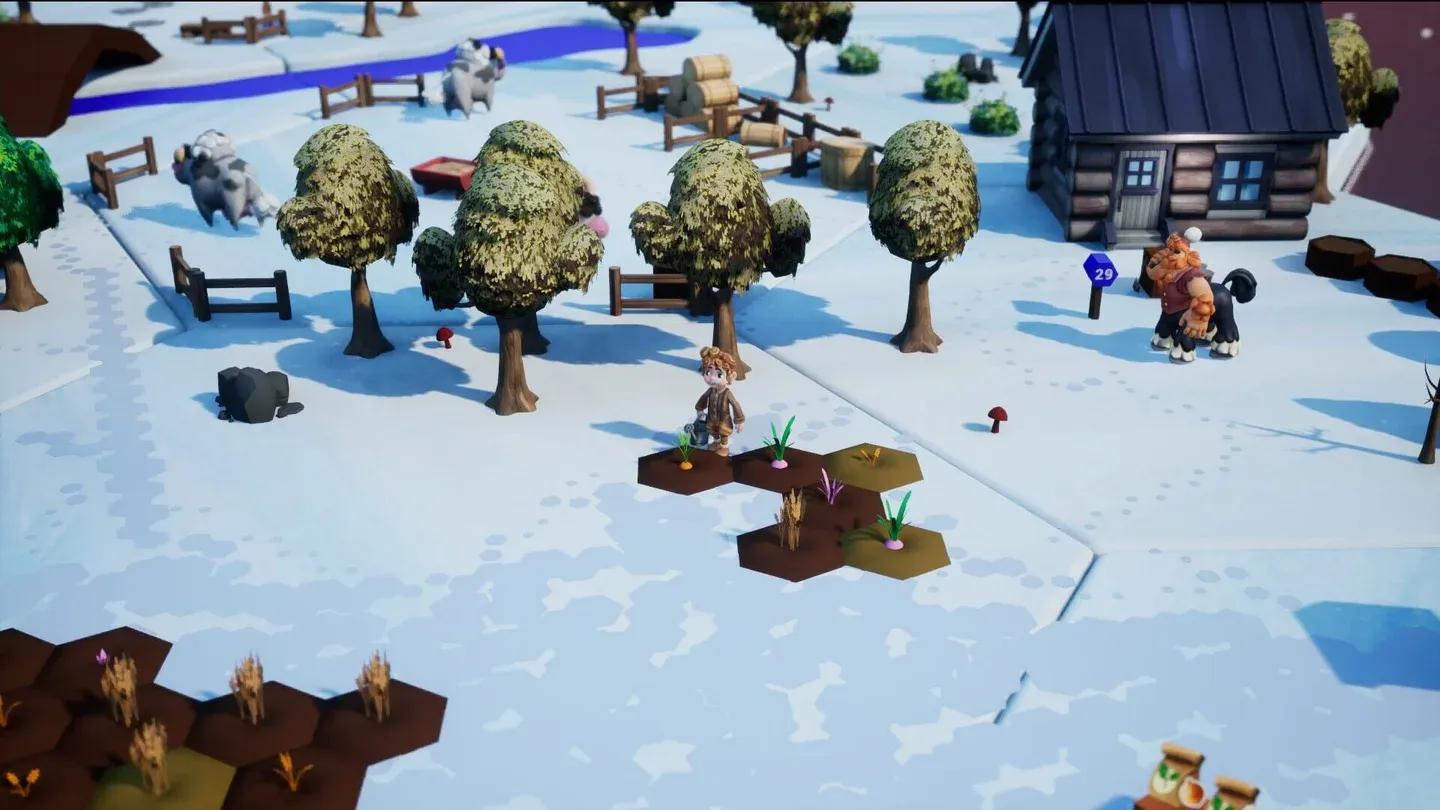
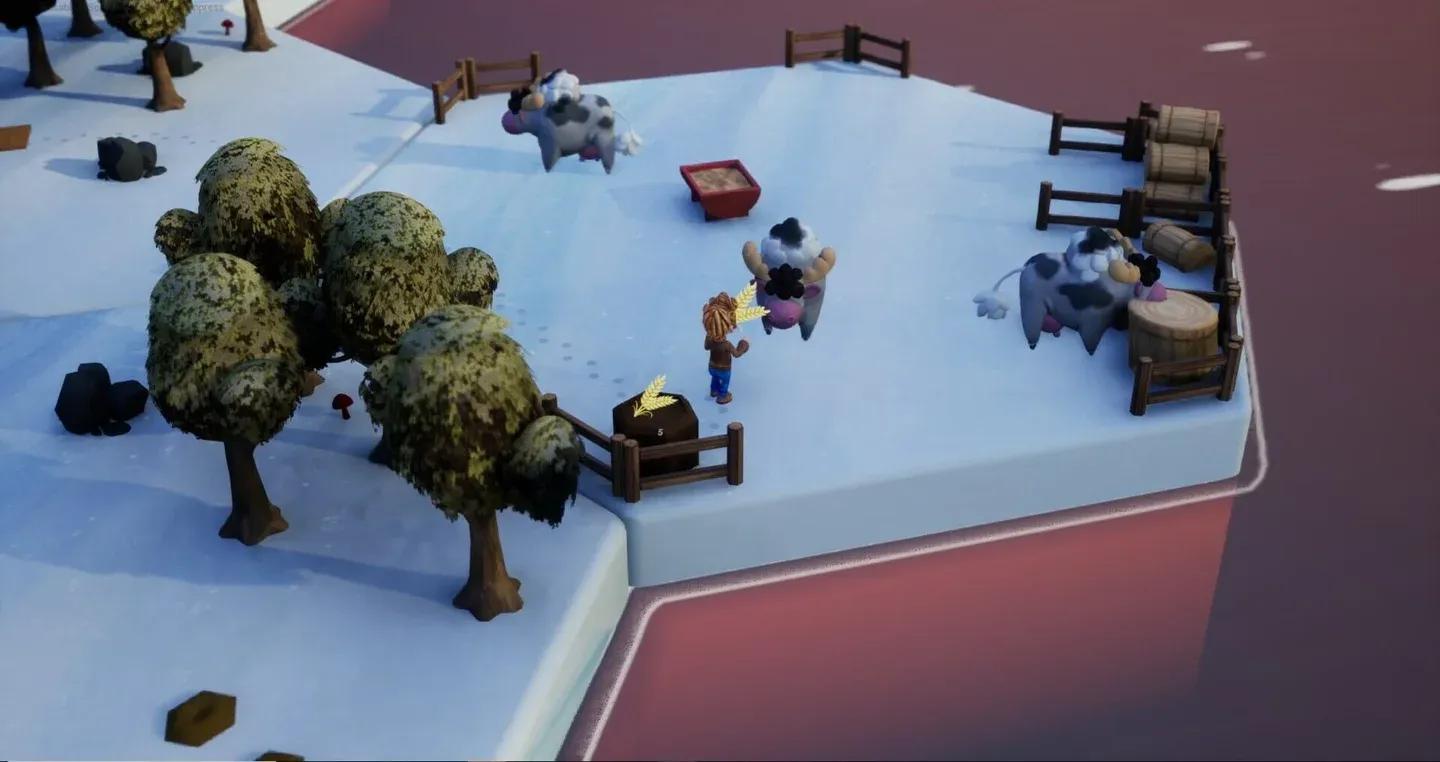
Sugar Shack is built around a satisfying loop of gathering, crafting, and serving. You head out to harvest maple sap, pick berries, or tend the garden, then bring those resources back to cook traditional sugary products. The shack's reputation grows as you serve customers, complete quests, and contribute to the surrounding community.
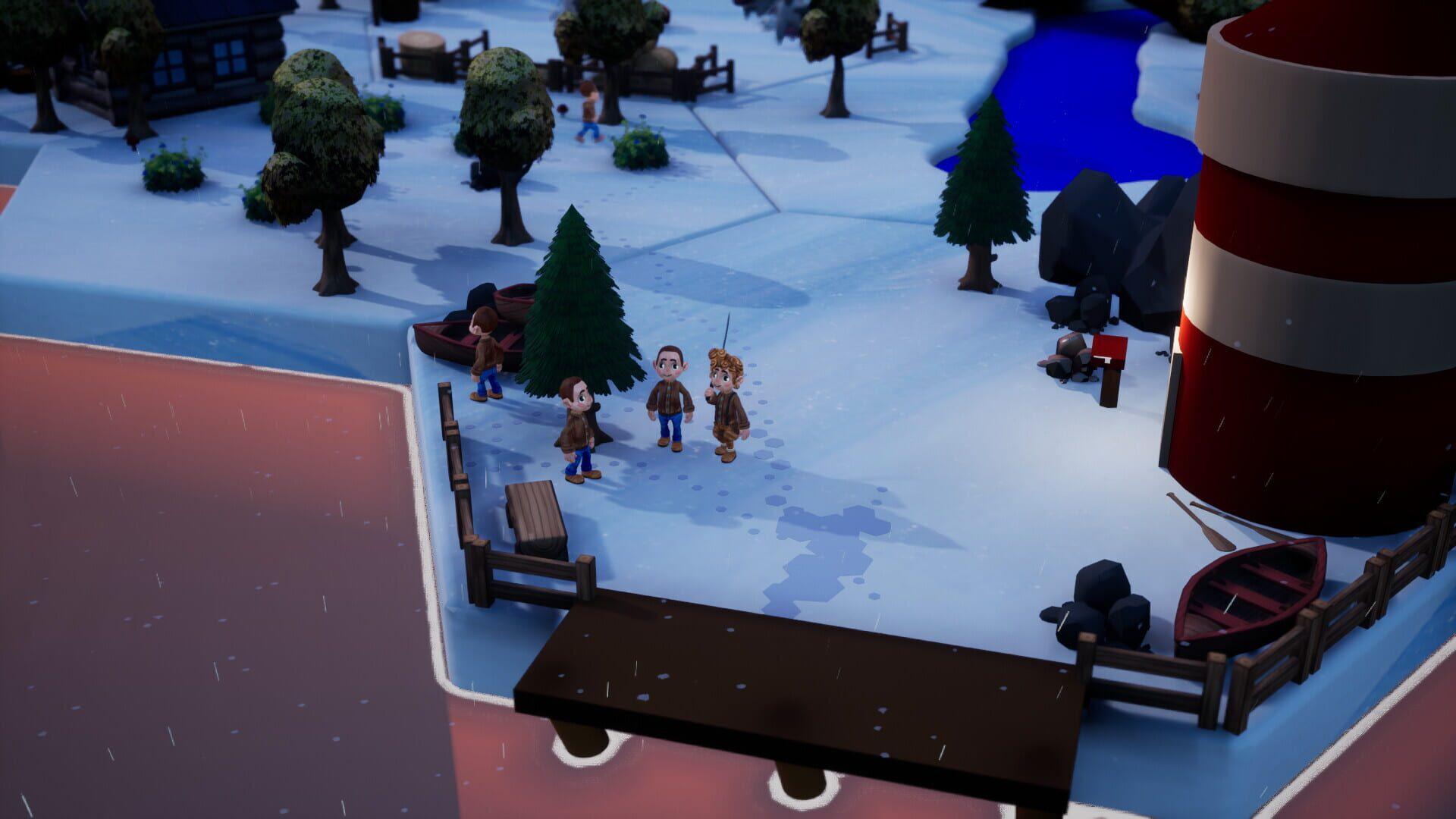
Key gameplay mechanics include:
- Hexagonal tile-based world building
- Maple sap harvesting and syrup production
- Traditional Quebec recipe crafting (maple taffy, beaver's tail)
- NPC quests tied to Quebec folklore
- 1 to 4 player cooperative play
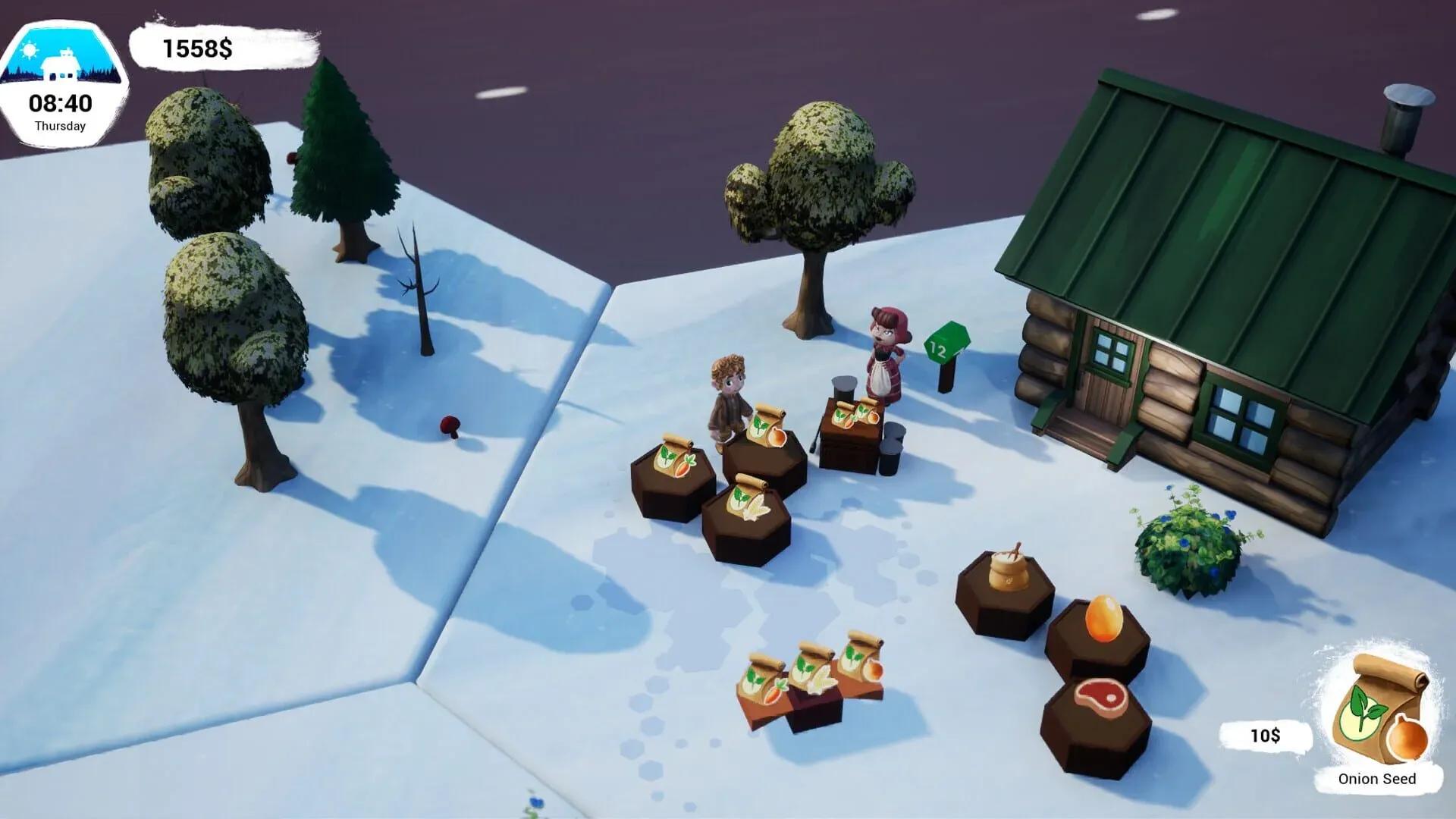
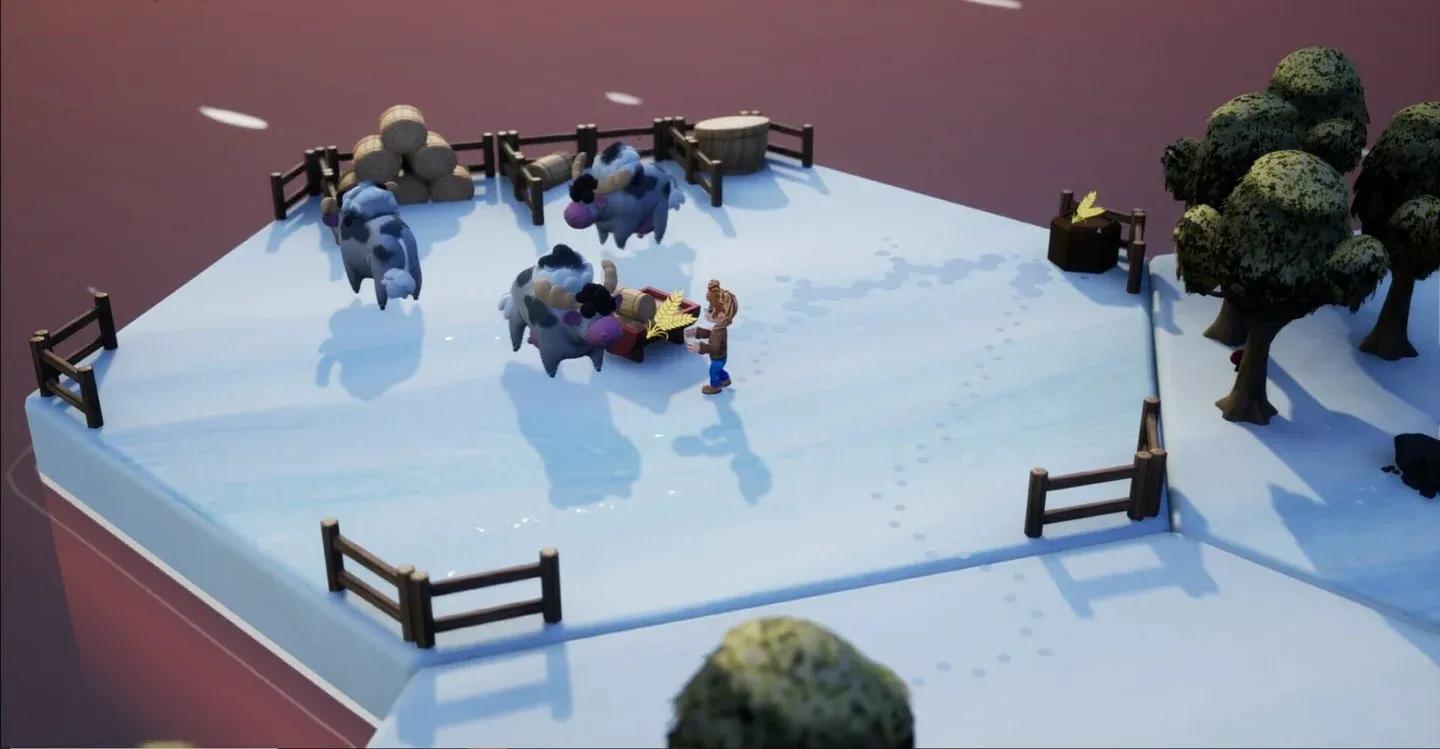
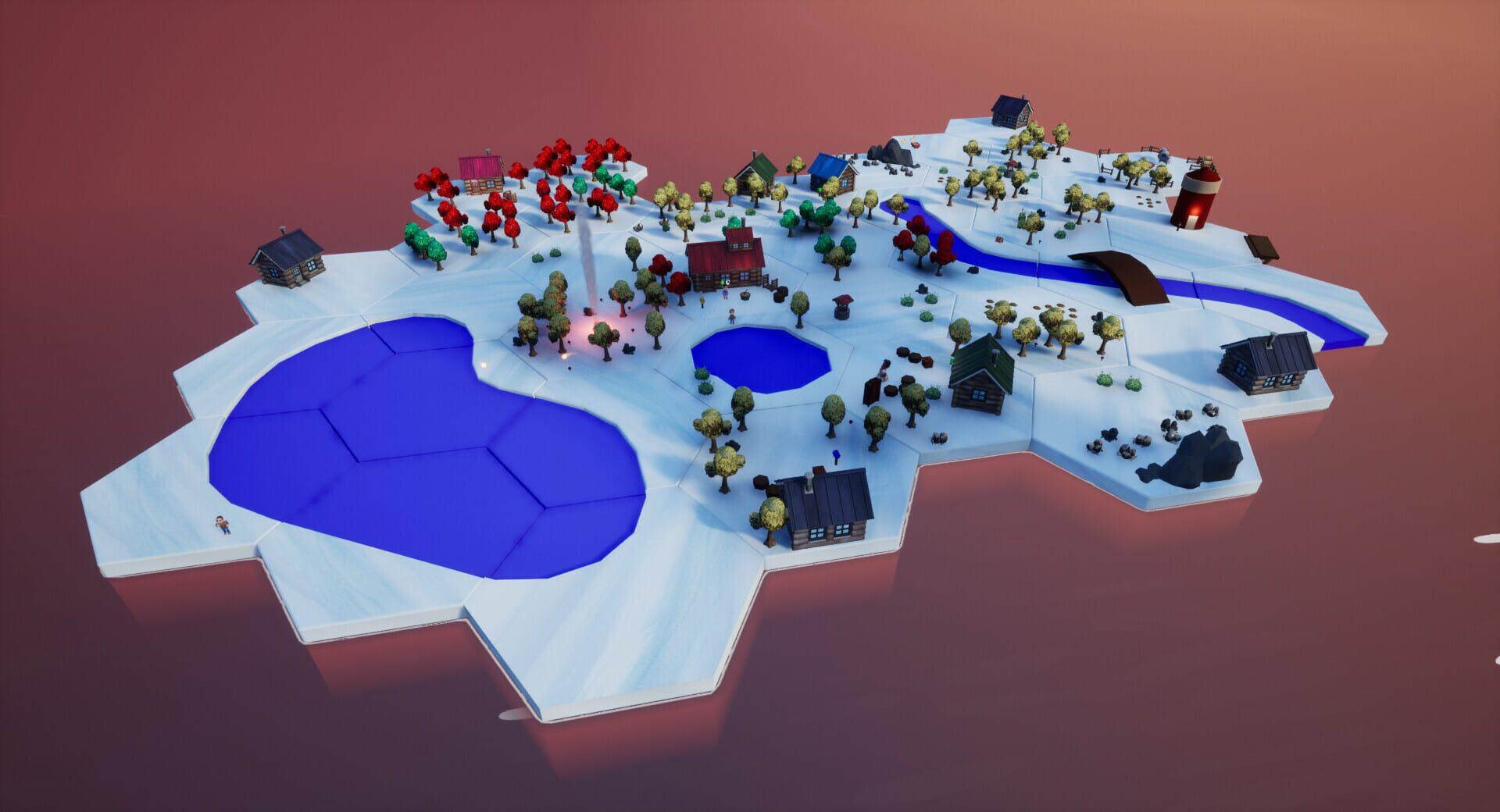
The hex-tile world system is where the simulation side gets genuinely interesting. Every new tile you place unlocks quests, resources, and opportunities, and no two playthroughs produce the same map. You control where neighbors settle, how rivers run, and where resources appear. That level of customization is unusual for a cozy management game and gives players real creative ownership over their world.
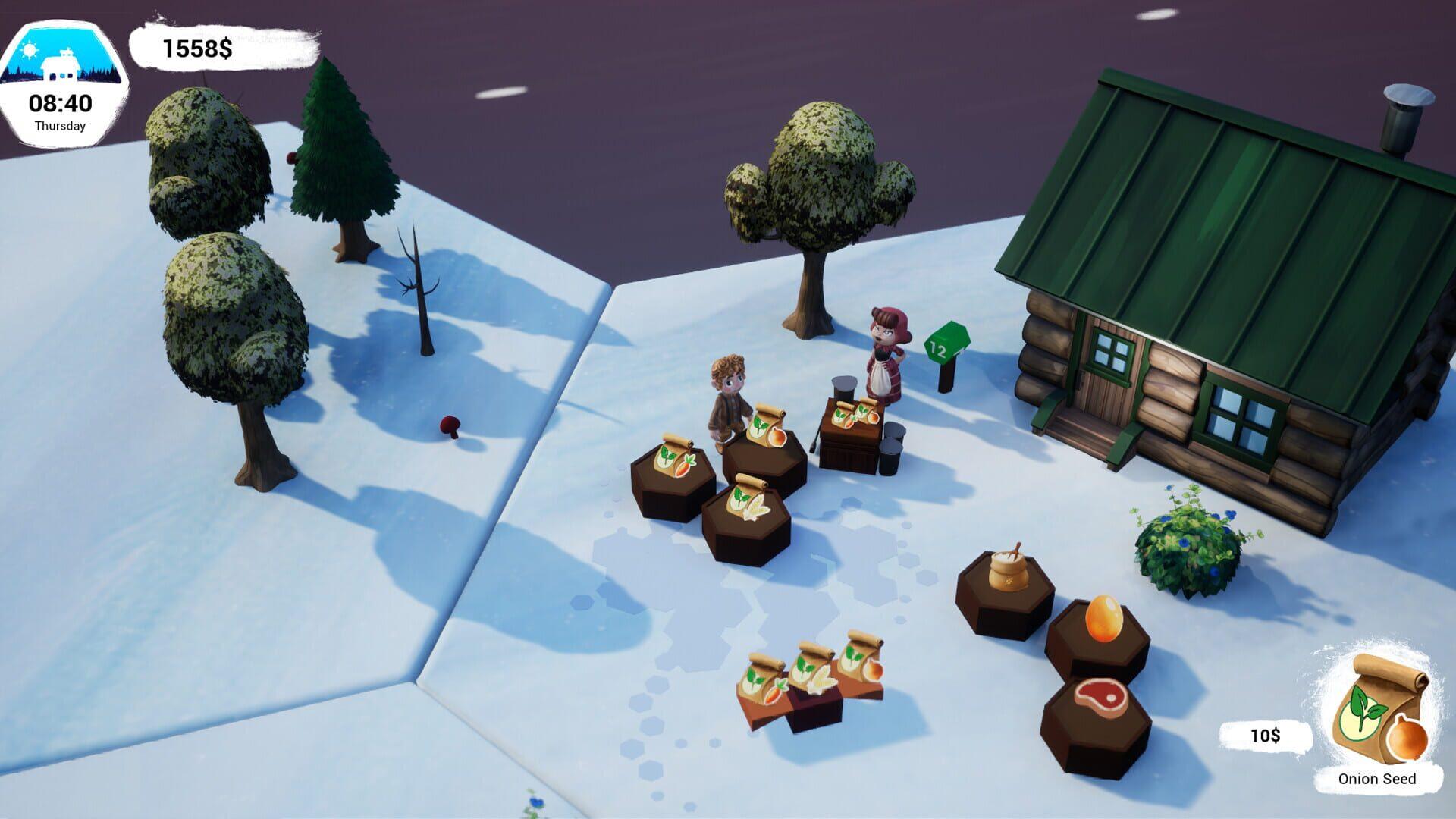
World and setting: Quebec folklore as a game world
The forest setting draws on Quebec art and lore in ways that feel considered rather than decorative. The eternal spring atmosphere keeps things warm and inviting, but the folklore elements add genuine texture. Characters from regional legends show up as NPCs with their own storylines, making the world feel like it has history even before you start building it out.
The shack itself serves as a hub for community building, a place where the act of making food becomes the mechanism for connecting with the world around it. That framing gives the management loop more meaning than a simple score tracker would.
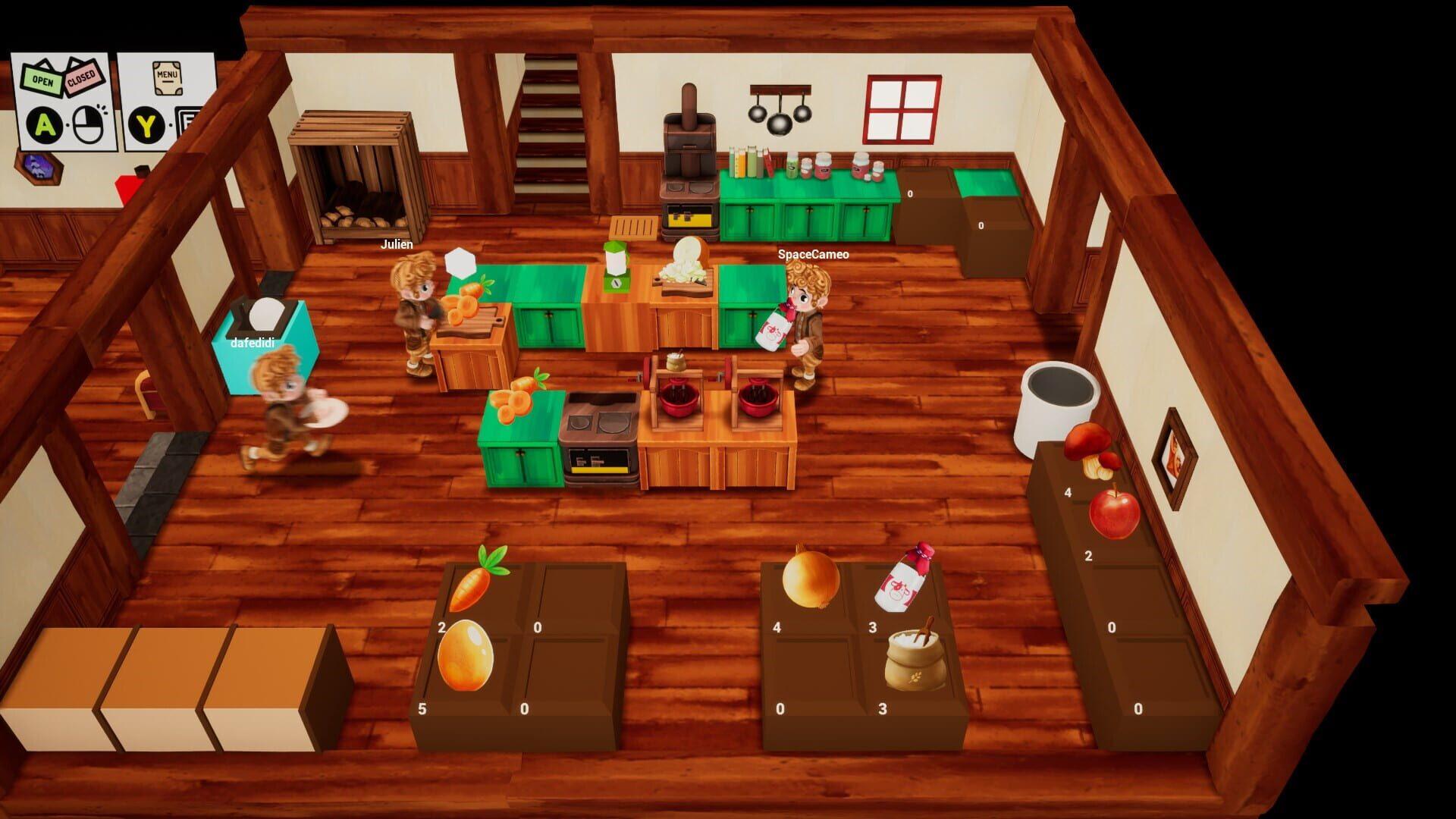
Multiplayer and social features
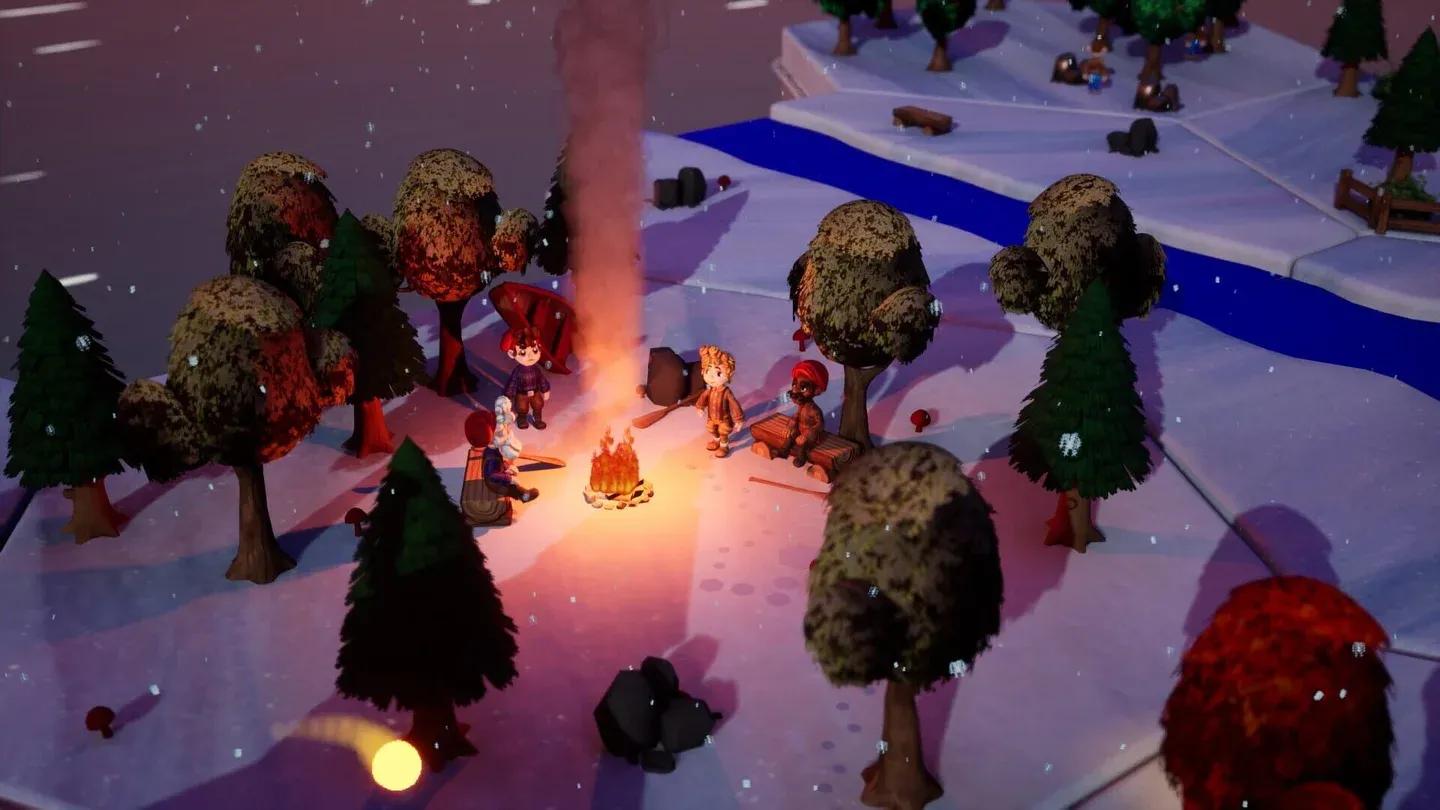
Sugar Shack supports up to 4 players in co-op, and the multiplayer design is genuinely collaborative rather than just parallel play. Players can split resource-gathering duties, work the shack together, and each design a personal room to reflect their own style. The shared world map means cooperative decisions about tile placement actually matter, which gives the co-op sessions some strategic weight beyond just having company.
Conclusion
Sugar Shack is a cozy simulation game with more identity than most in its category. The hexagonal world-crafting system, Quebec folklore foundations, and traditional maple syrup production give it a specific flavor that separates it from generic farm-and-craft games. The 1-to-4 player co-op makes it a solid choice for anyone looking for a low-pressure game to share with friends, while the tile-based world builder gives solo players enough creative depth to stay engaged. If you want a management game that feels like it comes from somewhere real, Sugar Shack has a clear sense of place that most of its peers simply don't.