
Taking command of the TCRN Impetus in the unforgiving Wayback System feels brutal at first. Your ship is battered, resources are scarce, and pirates, xenos (aliens), and other factions lurk everywhere. MENACE isn't your typical strategy game, losses are permanent, turns are interleaved (no initiative; you choose squad activation order), and every decision spirals into success or catastrophe. The game rewards methodical planning, suppression, and resource husbandry over rushes. Learn these core systems, and you'll turn chaos into dominance.
Why Your Starting Gear is Holding You Back
Your starter carbine is trash: no secondary fire, mediocre stats, and no edge in firefights. Pour your first earnings into the Black Market for better primaries (e.g., battle rifles) and specials (LMGs for suppression).
Killing or suppressing faster > tanking hits. Armor/defs come later when enemies scale.
Why? Better guns unlock suppression, ammo types, and tempo control. Black Market refreshes post-mission—barter exactly (no haggling)

Pro Tip: Prioritize weapon upgrades over armor initially. Killing enemies faster reduces incoming damage more effectively than absorbing extra hits.
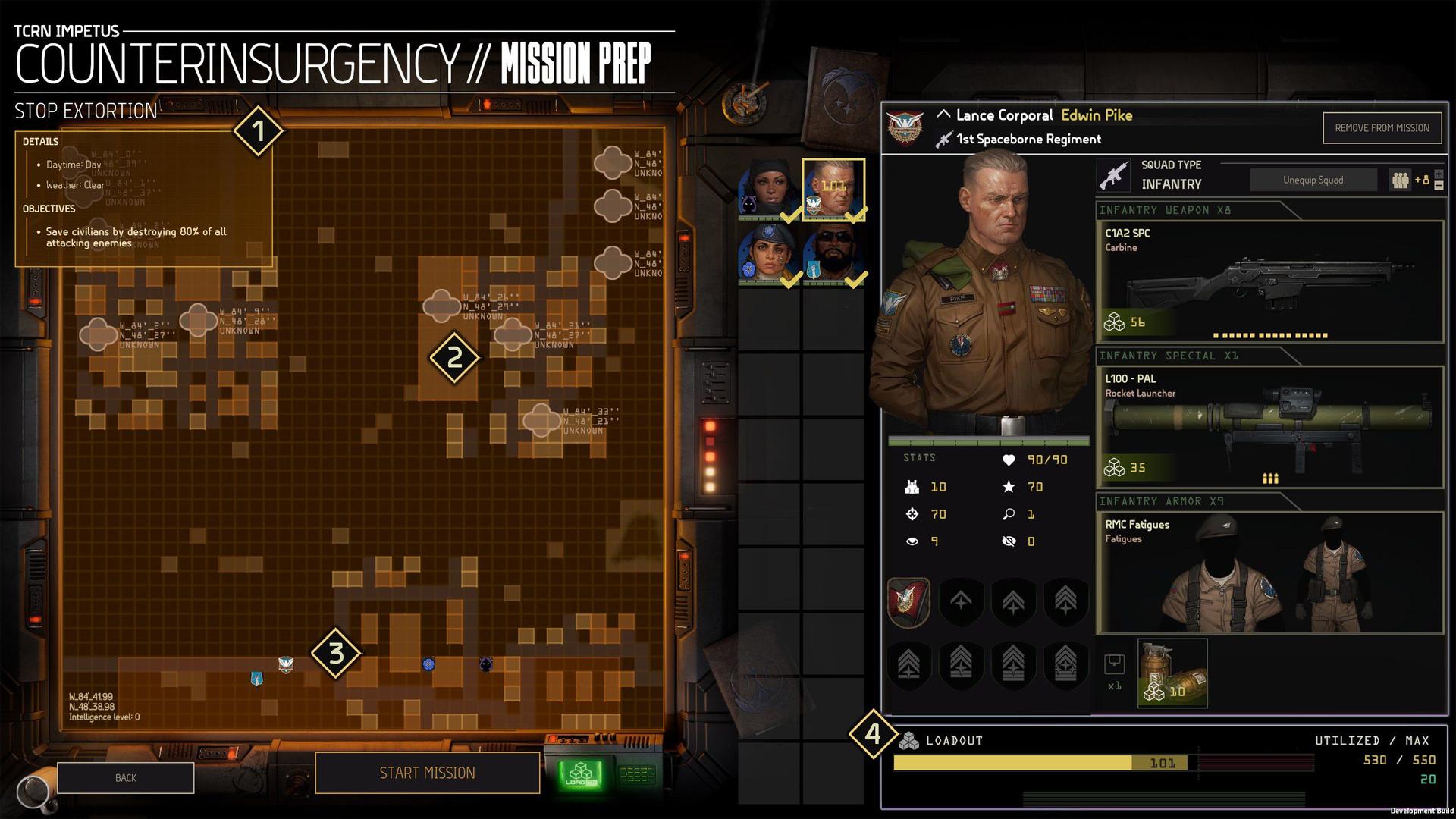
Weapon upgrade menu
Understanding Squad Composition: Infantry vs Vehicles
Your tactical approach hinges on understanding the fundamental differences between infantry squads and vehicle units. Each serves distinct battlefield roles with unique advantages and vulnerabilities.
Infantry squads offer exceptional versatility and cost-effectiveness. You'll deploy more soldiers per supply point, creating multiple tactical options across the battlefield. However, infantry units suffer from manpower bleed - each casualty reduces overall squad effectiveness until the unit becomes ineffective.
Vehicle squads operate as single, powerful units immune to manpower degradation. They provide superior mobility, stealth capabilities, and can shrug off small arms fire that devastates infantry. The trade-off comes in supply costs and vulnerability to specialized anti-vehicle weapons.
| Unit Type | Supply Cost | Firepower | Survivability | Versatility |
|---|---|---|---|---|
| Infantry | Low | High | Variable | Excellent |
| Vehicle | High | Very High | Specialized | Limited |
Consider your mission objectives when choosing composition. Infantry excels at objective control and adaptability, while vehicles dominate open terrain engagements and breakthrough operations.
Pirates vs Xenos
Xenos (Aliens): Melee rushers, predictable, weak to ranged/defenses. Easier early when gear sucks—prioritize them to learn mechanics.
Pirates: Ranged/cover experts, fragile but coordinated. Loot kings—drop makeshift RPGs, grenades, accessories for quick upgrades.
Early Choice: Xenos missions > Pirates (gear gap hurts less). Inspect biomes/faction standing changes pre-commit.
Deployment Efficiency
Mission preparation determines battlefield success before combat begins. The deployment point system controls how much equipment and manpower you can field, making efficient allocation crucial.
Always utilize maximum available deployment points - there's no benefit to deploying under capacity. Load squads with optimal equipment and maximize squad sizes when supply limits allow. Each additional soldier increases squad firepower and survivability significantly.
Deployment Point Sources:
- Base mission allocation
- Ship upgrades (Electronics and Hull improvements)
- Operation-specific bonuses
- Faction relationship rewards
The Wayback Outreach Office ship upgrade provides additional manpower after successful missions, creating a buffer against inevitable casualties. This investment pays dividends throughout extended campaigns.
Resource Management
Squaddies represent your most finite resource. Unlike equipment or ship components, manpower depletion creates cascading problems that compound over time. Every hit your squads take costs irreplaceable personnel.
Smart commanders invest early in the Wayback Outreach Office to maintain manpower flow. This ship upgrade provides replacement soldiers after mission completion, preventing the death spiral that claims many campaigns.
Track your manpower carefully during extended operations. Squad leaders retain their experience and abilities, but depleted squads become tactical liabilities regardless of leadership quality.
Explosives and Anti-Vehicle Weapons
Battlefield control requires tools that reshape terrain and eliminate hardened targets. Explosive weapons and anti-vehicle systems solve problems that conventional firearms cannot address.
Heavy enemy units often position behind indestructible cover, creating tactical deadlocks. Demolition charges and rocket launchers eliminate both the cover and the threat simultaneously. Similarly, enemy vehicles require specialized weapons to penetrate armor effectively.
Monitor the Black Market consistently for explosive weapons and anti-vehicle equipment. These items appear irregularly but provide disproportionate tactical value when needed.
Priority Explosive Types:
- Demolition charges (structure removal)
- Rocket launchers (anti-vehicle)
- Grenades (area denial)
- Specialized ammunition (armor penetration)
Intelligence Gathering
Ship electronics upgrades transform mission planning from guesswork into tactical precision. Intelligence systems reveal enemy positions, unit types, and defensive preparations before deployment.
Basic sensors distinguish between hostile and friendly contacts during deployment. Advanced systems provide detailed unit identification and positioning data. This information advantage allows optimal squad placement and engagement planning.
Invest at least two upgrade points in intelligence systems early. The tactical benefits compound throughout your campaign as enemy forces become more sophisticated and numerous.
Movement Tactics
Time pressure creates poor decisions. Mission time limits typically serve as secondary objectives rather than failure conditions. Prioritize tactical positioning over speed, especially during early missions while learning combat mechanics.
Move squads from cover to cover systematically. When advancing into unknown terrain, assume enemy presence until proven otherwise. If squads must cross open ground, limit movement to distances that preserve shooting capability.
Effective Movement Principles:
- Cover-to-cover advancement
- Overwatch positioning
- Coordinated squad movement
- Terrain advantage exploitation
Suppression
Suppression mechanics create tactical opportunities even when direct hits prove impossible. Sustained fire against entrenched enemies reduces their effectiveness and eventually pins them in place.
Pinned enemies cannot move or respond effectively, creating opportunities for flanking maneuvers or concentrated fire. This mechanic transforms defensive positions from impregnable fortresses into tactical traps.
When facing well-positioned enemies, establish suppressive fire with multiple squads before attempting maneuver elements. Coordinated suppression and movement creates decisive advantages against numerically superior forces.
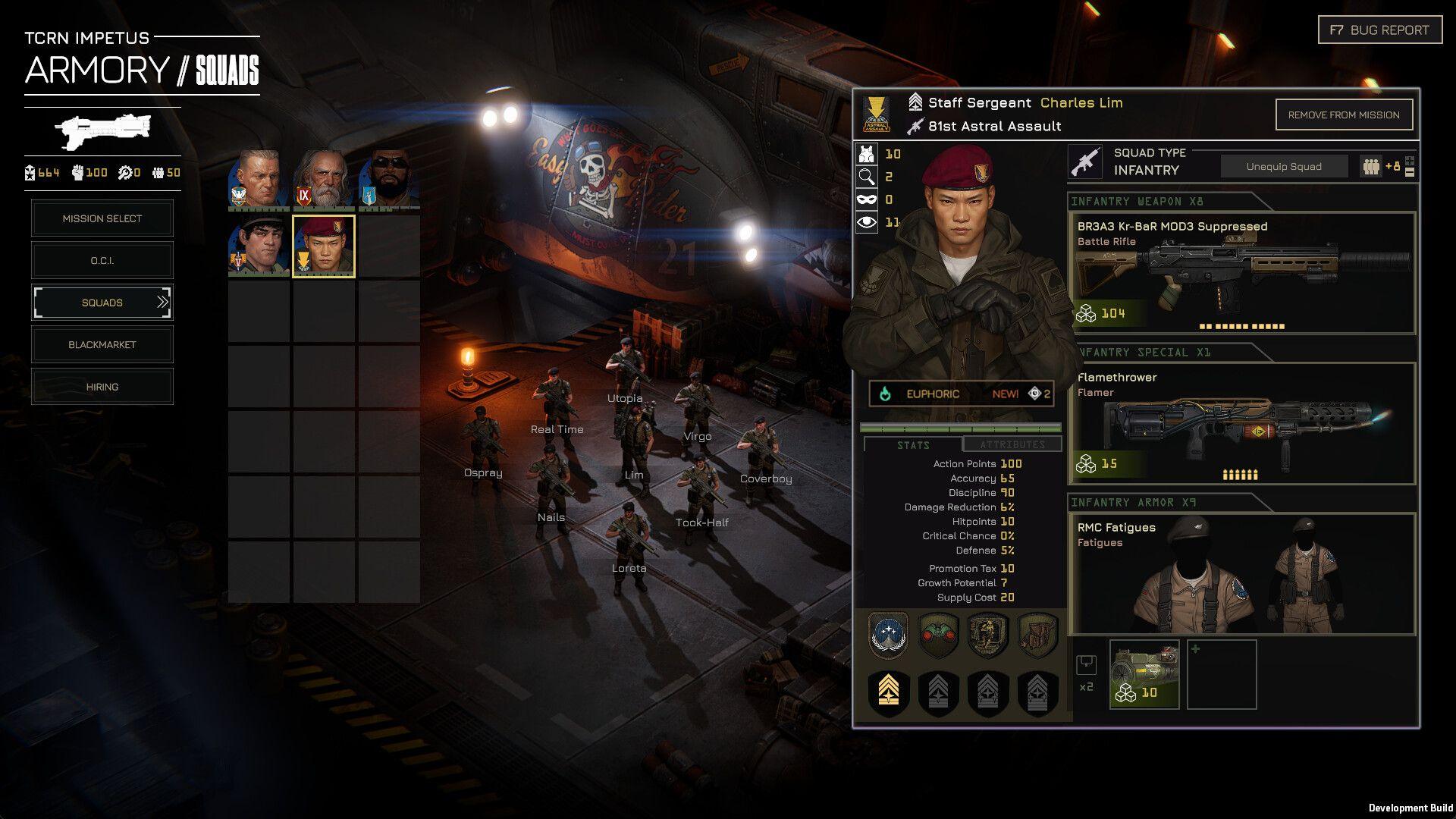
Suppression status indicators
Ammunition Conservation and Squad Rotation
Every weapon carries limited ammunition, forcing careful resource allocation throughout missions. Single-squad tactics inevitably fail when ammunition runs dry during critical moments.
Distribute combat load across multiple squads rather than relying on individual units. This approach maintains consistent firepower while allowing ammunition-depleted squads to reposition or provide support functions.
Different weapons offer varying ammunition capacities. Factor reload frequency into equipment selection, especially for squads expected to maintain sustained fire.
Ammunition Management Strategy:
- Rotate squads through combat roles
- Prioritize high-capacity weapons for sustained engagements
- Equip ammunition accessories when available
- Plan withdrawal routes for depleted units
The Wayback system rewards patience and preparation over aggressive tactics. Understanding these fundamental systems creates the foundation for successful campaigns, even when individual missions don't proceed perfectly. Focus on learning from mistakes rather than avoiding them entirely - Menace teaches through experience rather than tutorials.
Whether you're exploring the tactical depth that makes this one of the standout Games To Play This February or considering it alongside other strategy titles in Xbox Game Pass Games Coming In 2026, remember that mastery comes through understanding systems rather than memorizing solutions.