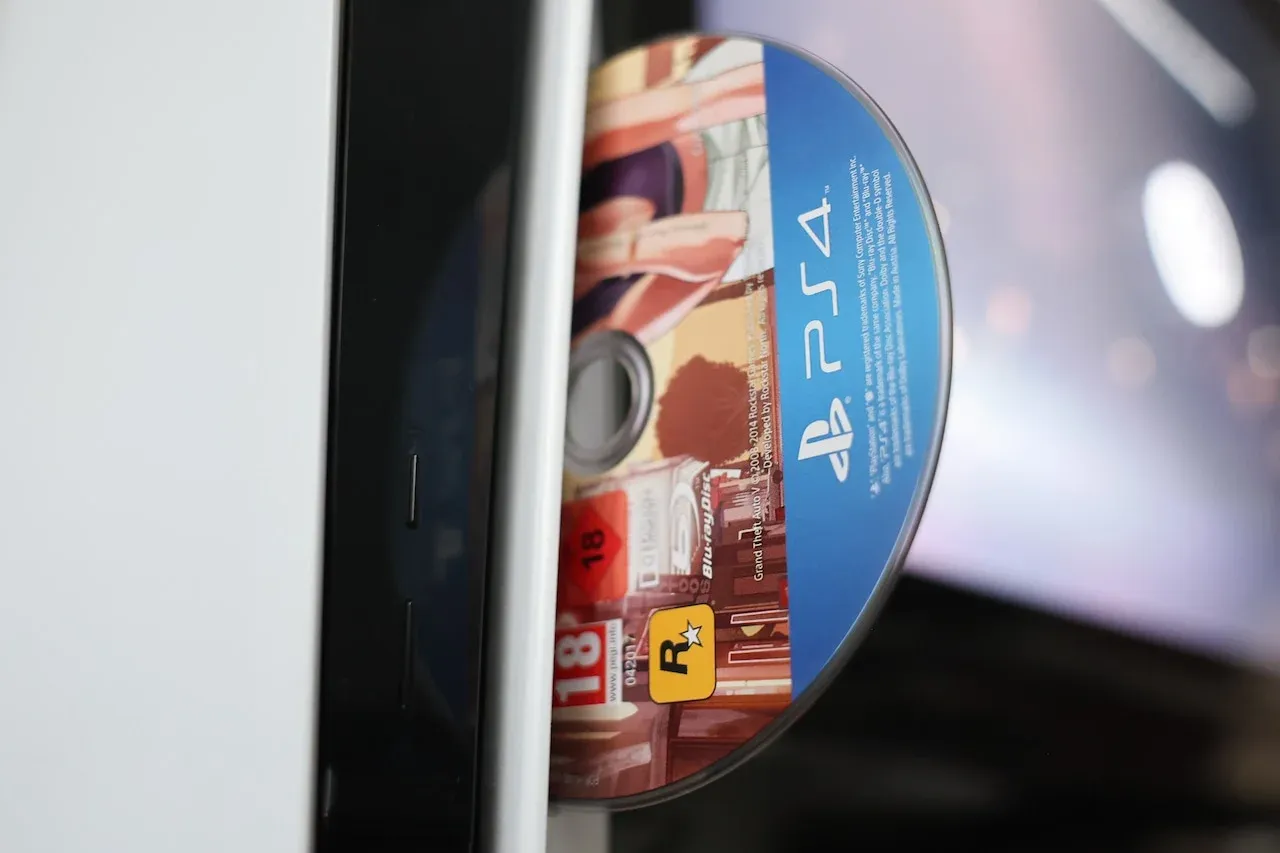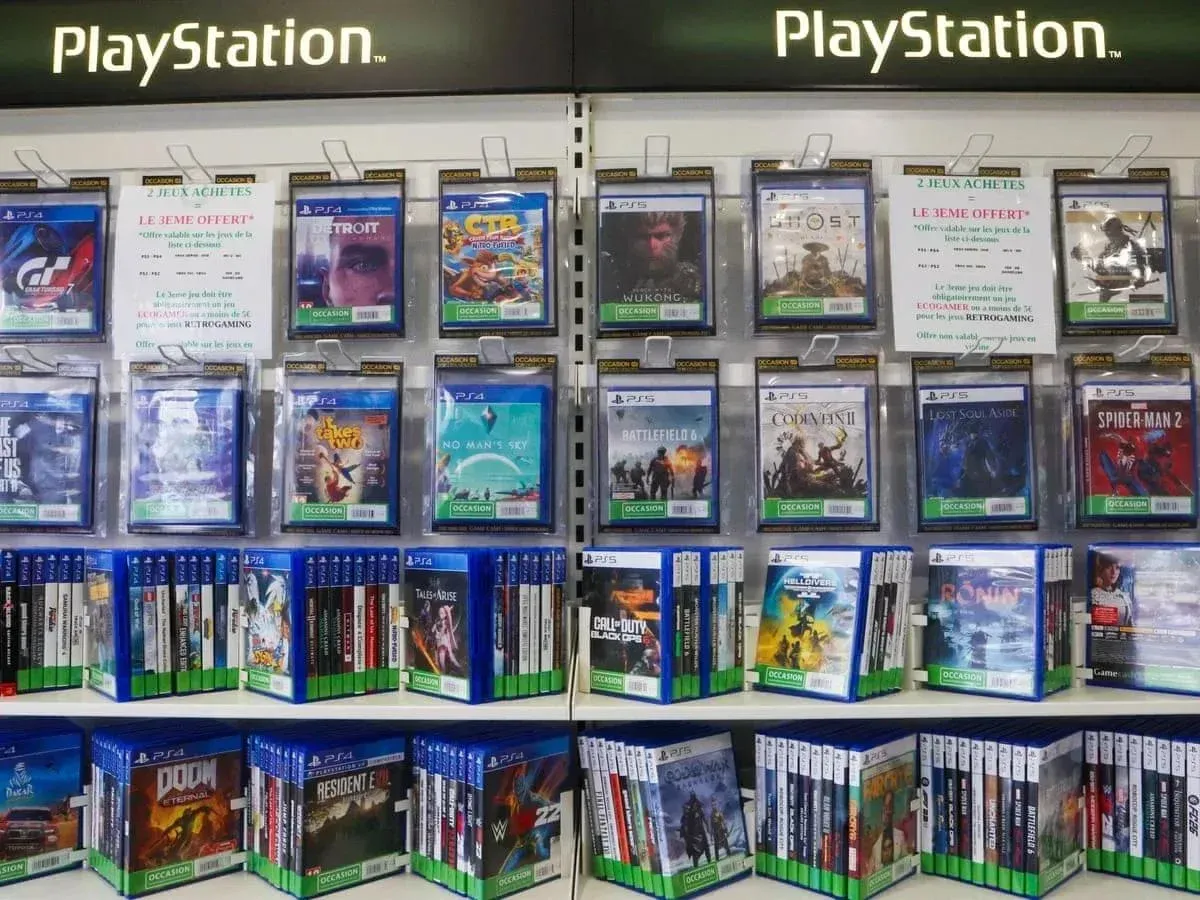


Physical media has a passionate fanbase, and right now that fanbase is furious. Sony confirmed plans to end disc production for all new PlayStation games by January 2028, and the response from players and retailers has been swift, loud, and quantifiable: over 220,000 signatures on a petition demanding the company reverse course.

Use code TRYHARD33 at checkout to redeem this offer before code expires again.
Get 33% Off GAMES+ Subscription
What Sony is actually taking away
The plan is straightforward, and that's partly what makes it so alarming to physical media advocates. Starting in 2028, Sony will stop manufacturing discs for new PlayStation titles. No new physical releases means no day-one copies on store shelves, no trade-ins for new games, and no ownership in any traditional sense of the word. You buy a game, you get a license. The disc, the box, the resale value: gone.
For players who grew up swapping games with friends, hunting for deals at secondhand shops, or building shelf collections, this isn't just an inconvenience. It's a fundamental shift in what it means to buy a game.
The retailer who decided to fight back
PNP Games, an independent Canadian retailer that started on eBay back in 2005 and has since grown to three physical locations, launched the Don't Kill the Disc petition on July 1, the same day Sony's announcement landed. The timing was deliberate.
The petition's framing cuts straight to the point: "Sign to tell Sony to keep disc-based games alive beyond 2028, so the next generation can own the games they play, not just rent them. If we do not speak up now, the disc disappears, and the choice goes with it."
PNP Games CEO Jade Pearce expanded on the economic argument in a public statement, pointing out that physical media supports an entire ecosystem most players never think about. "Physical games support an entire industry that an all-digital future quietly erases: retailers, distributors, manufacturers, warehousing and logistics, the pre-owned and trade-in market, and the collector and preservation community," Pearce said. "That is thousands of jobs and countless small businesses."
Before 2028 vs. what comes after
Here's the thing: the current PlayStation setup, for all its digital push, still gives players a choice. You can buy physical, you can buy digital, and the market accommodates both. Pre-owned stores thrive. Collectors build libraries. People gift games as actual objects.
Post-2028, under Sony's current plan, that choice disappears. The digital storefront becomes the only door. And as Pearce noted, "Ending physical media removes consumer choice, weakens local economies, and hands a few platform holders total control over how, and whether, you can access the games you buy."
The petition's comment section reads like a threat assessment for Sony's business. Signatories are saying the decision directly affects whether they'll keep buying PlayStation hardware at all. A recurring sentiment: if physical media is dead on PlayStation, a PC starts looking like a much smarter long-term investment. Others called the move a betrayal of the goodwill Sony built over decades of PlayStation releases.
Why 220,000 signatures matters, and what it doesn't guarantee
Petitions don't reverse corporate decisions on their own. Sony hasn't responded publicly to the Don't Kill the Disc campaign, and the 2028 timeline appears to be set. But 220,000 signatures in roughly one week signals something that market data alone can miss: the emotional and economic investment players have in physical ownership is not a niche concern.
Pearce was careful to frame the campaign as pro-choice rather than anti-digital. "We are not against digital. We are against digital being the only option." That framing matters because it's harder to dismiss. This isn't a group of people demanding Sony abandon streaming or digital downloads. They're asking for a format to survive alongside them.
The key here is whether Sony sees 220,000 signatures as a vocal minority or a leading indicator of broader consumer sentiment. PlayStation disc-based sales have declined significantly over recent years, which is part of Sony's calculus. But declining doesn't mean irrelevant, and the people still buying physical tend to be exactly the kind of engaged, high-spending customers any platform wants to keep.
Sony has until 2028 to reconsider. The counter is already running. For more gaming news and gaming guides covering everything from survival tactics to class breakdowns, keep checking back as this story develops.