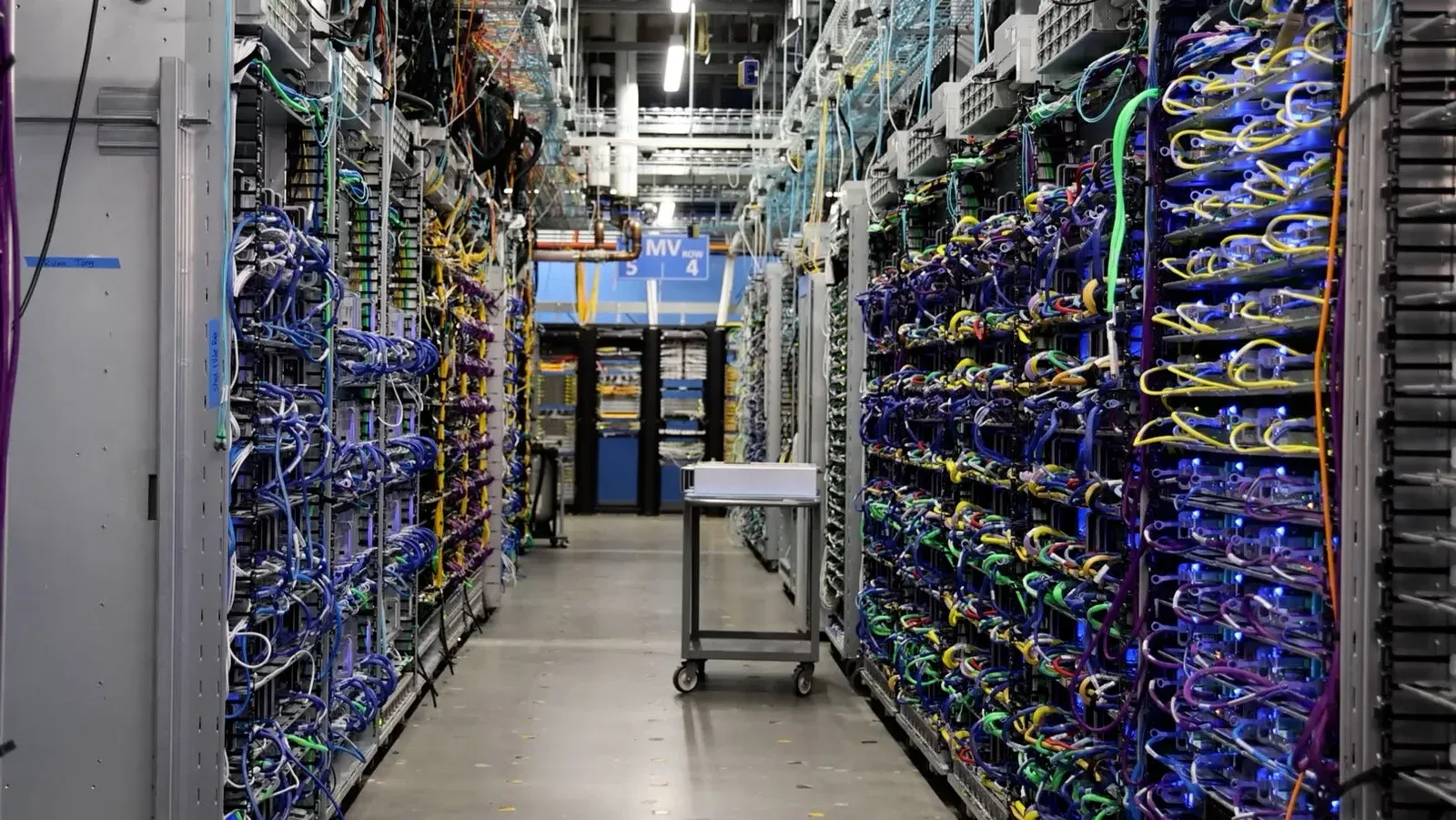


The pitch sounds incredible: artificial intelligence is going to fix everything. Energy, medicine, food, water, climate. A future of abundance, delivered by algorithms and compute power. But here's the thing, nobody's been very upfront about what that future actually costs.
The optimistic case for AI is genuinely compelling. Analysts and technologists have spent the last few years pointing to accelerating breakthroughs across almost every sector. Solar and battery costs have collapsed. AI is designing new drug molecules in hours instead of decades. Precision agriculture is squeezing more food from less land. The trajectory, if you squint at it the right way, does look like it's pointing upward.
But trajectories don't pay electricity bills.

Use code TRYHARD33 at checkout to redeem this offer before code expires again.
Get 33% Off GAMES+ Subscription
The Price Tag Hiding Behind the Progress
Training and running large AI models requires enormous amounts of energy and computing infrastructure. Data centers are already straining power grids in multiple countries. The water used to cool those facilities runs into billions of liters annually. These aren't small footnotes, they're structural costs baked into every AI-generated answer, every AI-designed molecule, every AI-optimized crop yield.
For gamers and the broader tech community, this isn't abstract. AI is already woven into game development pipelines, NPC behavior systems, procedural generation, and increasingly, the cloud infrastructure that runs the games you play every day. When that infrastructure gets more expensive to operate, those costs move somewhere.
The conversation is also getting tangled up in questions of ownership and access. As TechPolicy.Press breaks down in its analysis of abundance versus scarcity, the internet's shift toward AI-mediated access raises hard questions about who controls what, and whether the promise of open abundance actually delivers or just concentrates power in fewer hands. Charging AI companies for bulk access to content collections, even public domain material, is already being floated as a pragmatic model.
Gaming Sits Right in the Middle of This
The gaming industry is one of the most AI-intensive creative sectors on the planet. Studios use it for asset generation, QA testing, voice synthesis, and player behavior modeling. web3 gaming projects lean on it even harder, building entire economies around AI-generated content and automated systems.
The key here is that none of that is free to run. And as regulatory pressure builds, particularly following moves like the White House AI Action Plan, which notably sidesteps the thorny issue of using copyrighted material to train AI models, the legal and financial landscape for AI-powered products is shifting. Studios and platforms building on AI foundations are operating in an environment where the rules could change fast.
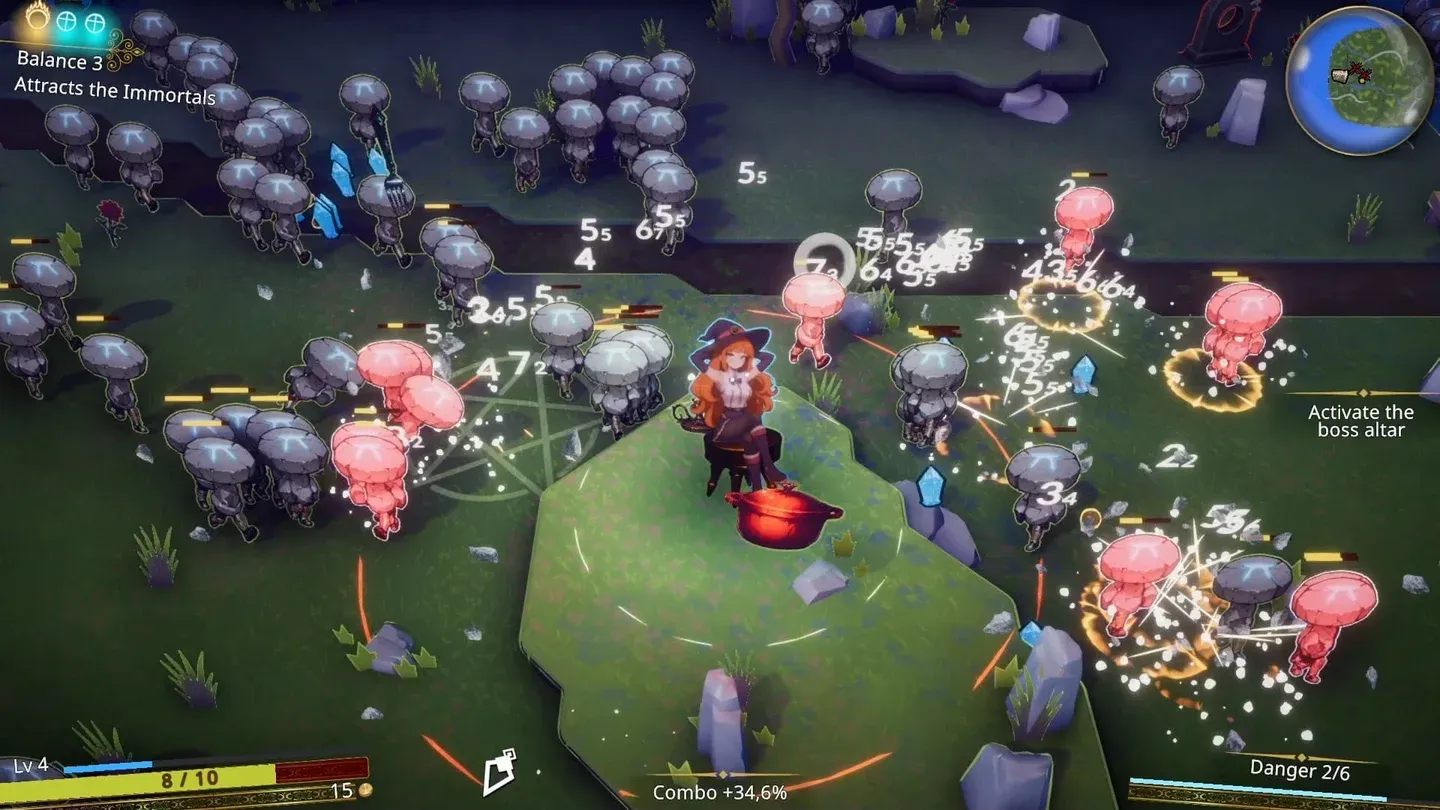
AI tools in game dev pipelines
Smaller developers feel this most acutely. The big players can absorb rising compute costs and legal uncertainty. Indie studios and web3 projects with tighter margins don't have that cushion. The abundance AI promises doesn't arrive equally.
Optimism Is Earned, Not Assumed
None of this means the optimistic case is wrong. The progress being made in energy, medicine, and environmental restoration is real and measurable. Battery costs really have fallen nearly 90 percent in a decade. mRNA technology really is being adapted beyond COVID vaccines. These aren't marketing claims, they're documented engineering outcomes.
But optimism without clear eyes about cost and access isn't optimism. It's a sales pitch. The 21st century could absolutely deliver on its technological promise. Getting there requires honest accounting of what it takes to build and sustain these systems, not just celebration of what they might eventually produce.
For players, developers, and anyone building in the gaming and web3 space, watching how the AI cost debate resolves over the next few years matters enormously. The platforms, the tools, and the infrastructure that power your games are all caught up in it. The AI-powered future looks bright on paper, but the real question nobody wants to answer is who actually foots the bill for all that promised abundance.