Peterson Joe, the Chief Technology Officer at Confiction Labs, leads the technical development of Riftstorm and the broader Occultical universe. Confiction Labs builds what it calls Collaborative Entertainment, mixing web3 and AI into its projects. Peterson's job is to keep Riftstorm's tech running smoothly while pushing decentralization without making players think about it.

Confiction Labs Cover Banner on X (Twitter)
Background and career journey
Peterson started coding at eight years old. He spent five years in insurance, worked his way up to General Manager, then left to get back into software. He founded a tech company, sold it, and eventually joined Confiction Labs. His team built the Portal and Proof of Exposure systems that underpin Riftstorm's web3 features and community collaboration tools.
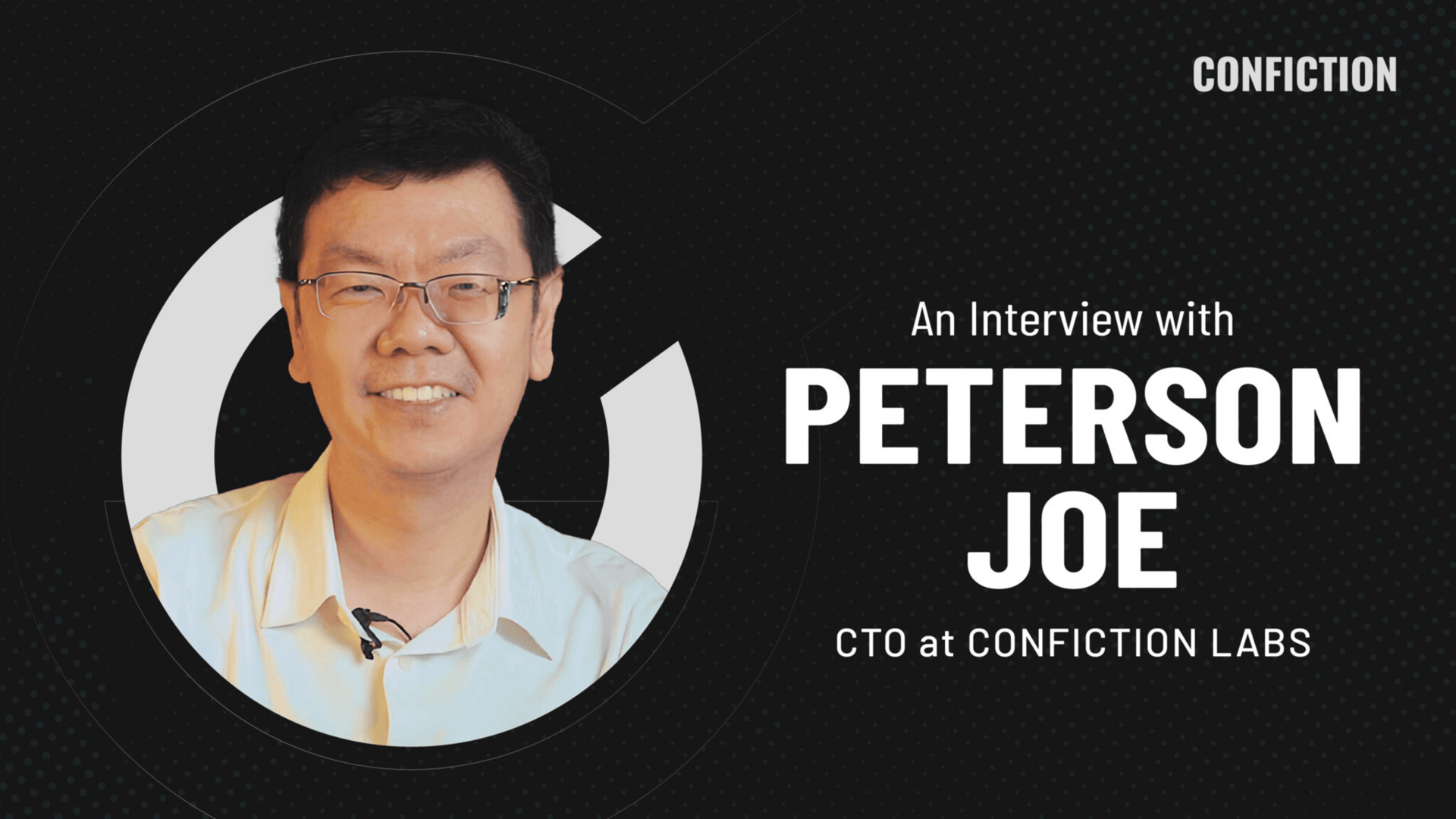
An Interview with Peterson Joe, CTO at Confiction Labs
Key learnings from running a game studio
Peterson says fresh graduates often struggle because classroom theory doesn't prepare them for real production work. At Confiction Labs, he deals with blockchain and web3 challenges on top of standard game dev problems. His previous game studio experience helps, but the goal remains the same: players should never have to understand web3 technology to enjoy the game.
Riftstorm Logo and Key Art 1
Riftstorm's evolution and new features
Riftstorm sits inside the Occultical universe and has been in continuous development. The third playtest adds story and world-building on top of the core mechanics tested in earlier rounds. Players will see audio lines, interactive objects, and cutscenes that tie into the secret-society-themed narrative.
The big technical change is Dungeon System 2.0. It blends handcrafted areas with roguelite generation, so each session feels different. Peterson says this makes the game more fluid and keeps players engaged longer.
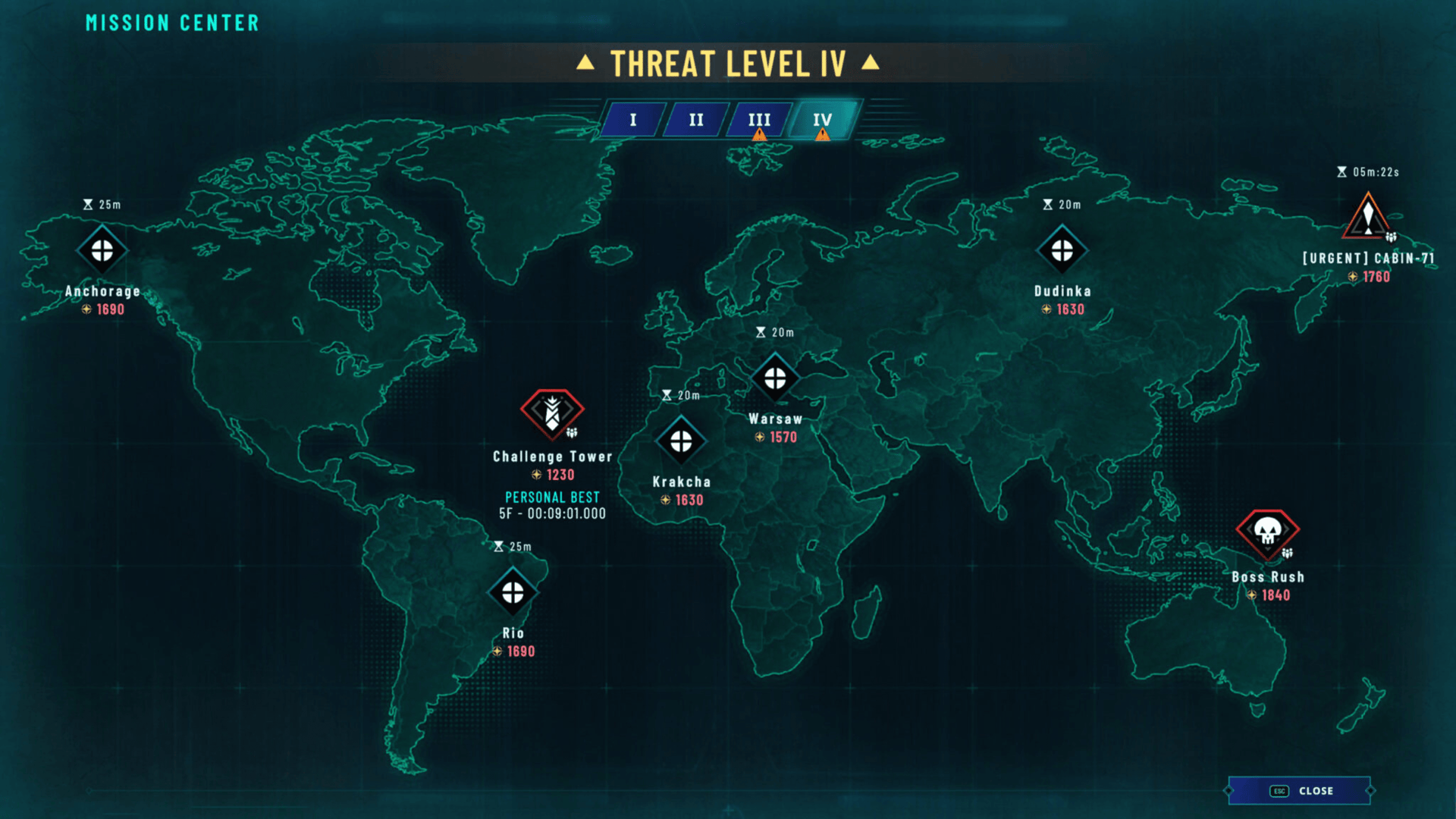
Dungeon System 2.0
Navigating web3 challenges
The hardest part is making web3 invisible. Peterson wants blockchain to improve the game, not complicate it. Players shouldn't need a wallet tutorial to start playing.
The team is building the ConFict Data Layer (CDL), which lets players submit content for inclusion in the game. This is the foundation of Collaborative Entertainment: decentralized IP development where the community contributes directly. It's ambitious, but it also means building systems to evaluate submissions without losing creative control.
Riftstorm Logo and Key Art 2
Web3 elements in Riftstorm
Riftstorm is still in development, but web3 is baked into its design. The Portal and Repository let users submit content that might end up in the game. This feeds into a larger ecosystem where the IP grows through community collaboration.
Peterson compares it to Star Wars or Harry Potter, franchises that took decades to reach their current scale. Riftstorm aims to accelerate that process by letting the community shape the IP from the start.
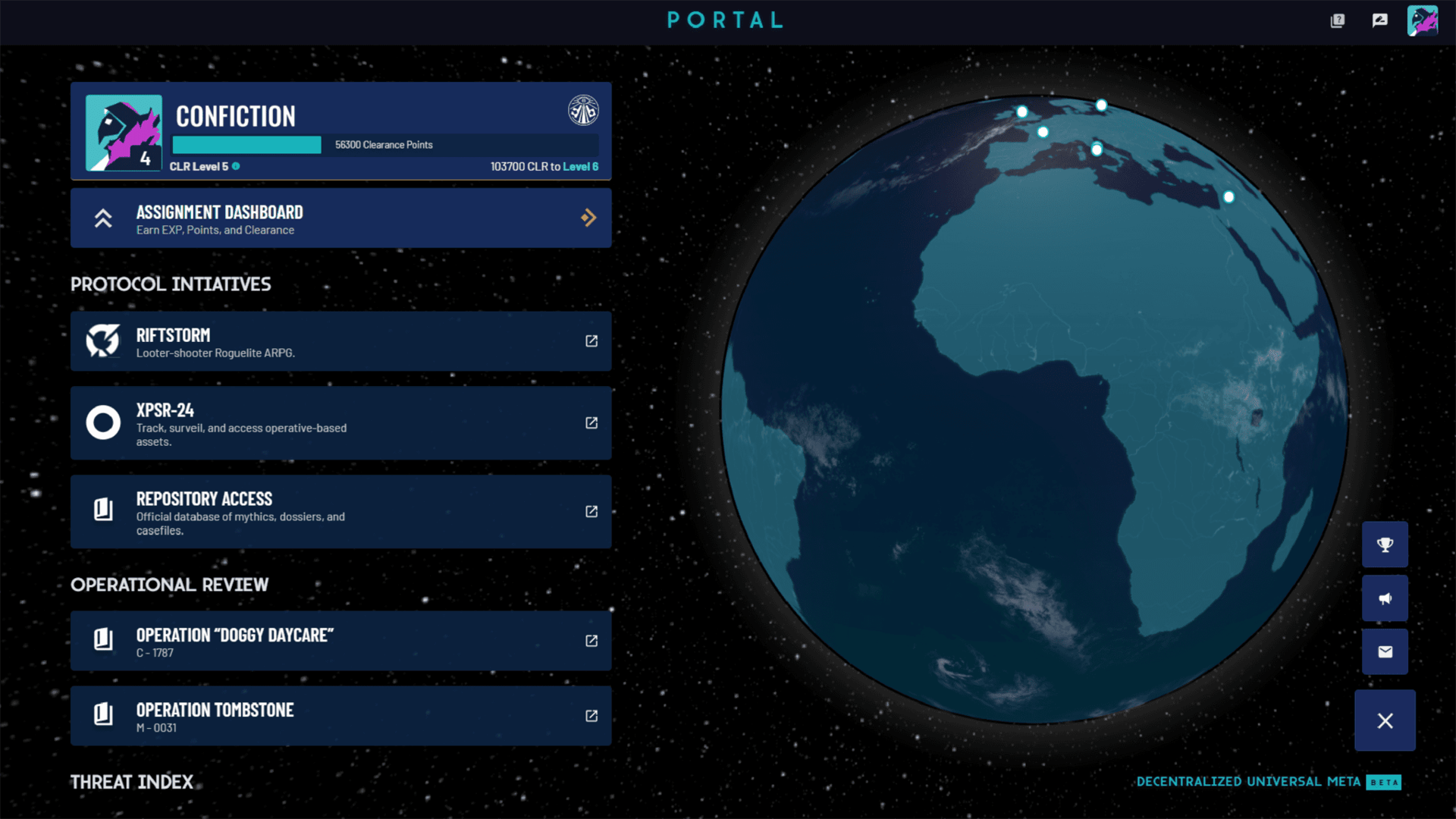
Portal for Riftstorm
Introducing Collaborative Entertainment
Building the infrastructure for Collaborative Entertainment is technically messy. Balancing user-generated content with decentralized control is hard. The web3 shift opens the door for community involvement, but it also demands a platform that can filter submissions for quality and fit.
Blockchain provides transparency and tracks who contributed what. This ensures fair credit and ownership. The team is working on a voting system to regulate submissions while keeping creative direction intact. Integrating blockchain into a mostly web2 framework is the ongoing challenge.
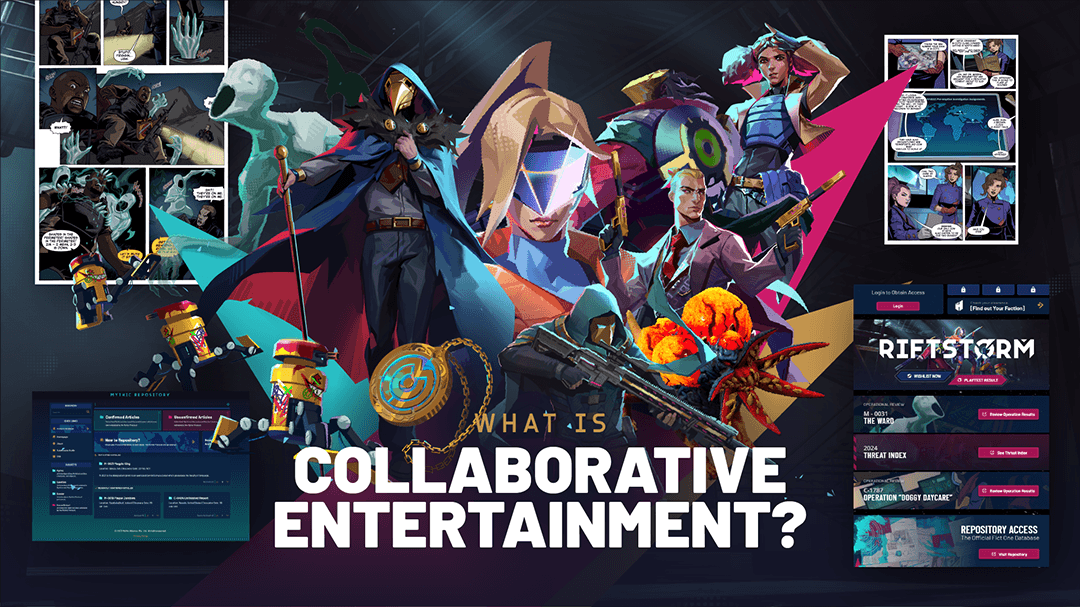
What is Collaborative Entertainment
AI and blockchain in game development
Peterson is interested in combining AI and blockchain. AI can help contributors who lack certain skills, like visual design, generate content anyway. Blockchain tracks contributions and ensures credit. The two technologies are opposites in structure (AI is centralized, blockchain is decentralized), but together they open new doors for Collaborative Entertainment.
The road ahead for Confiction Labs
The next 12 months are big for Confiction Labs. After years of development, Riftstorm and other projects are reaching maturity. The third playtest will show more immersive gameplay and deeper lore integration.
The team is also working on digital assets like the XPSR-24 NFTs, which will tie into the game's ecosystem. Confiction Labs is betting on web3 and AI to reshape how games and IP are built. You can read more here.