Overview
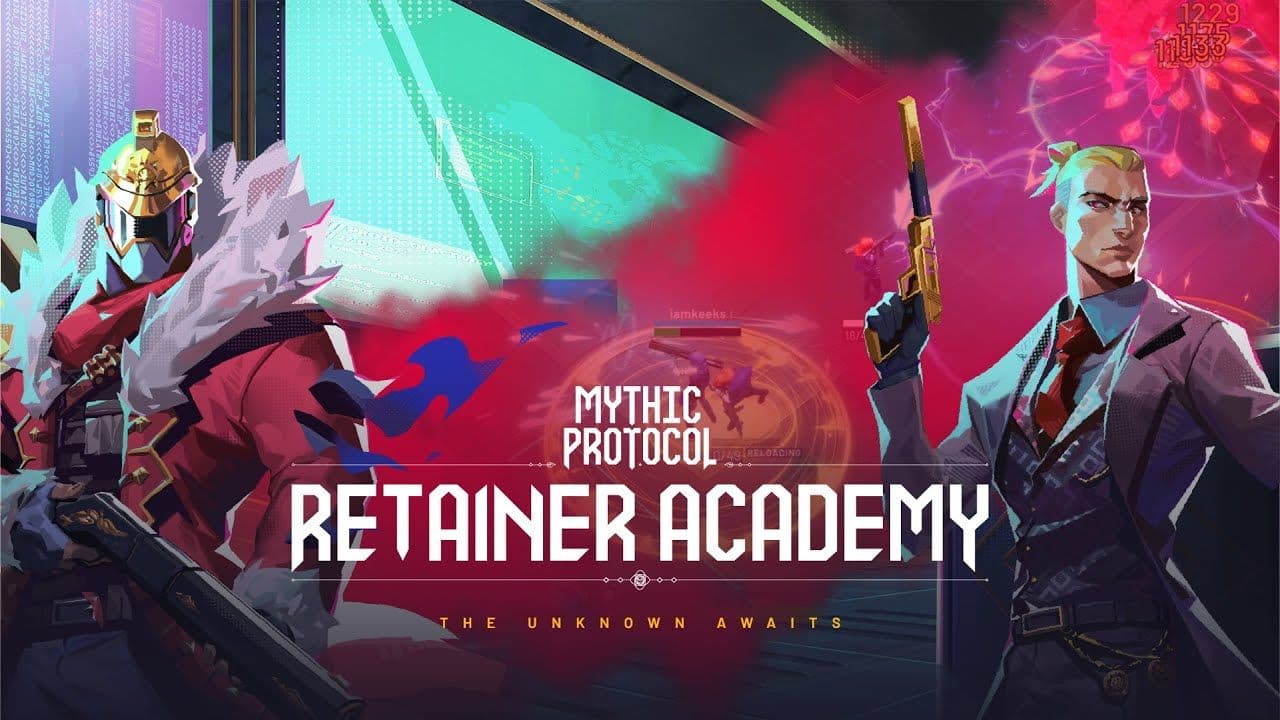
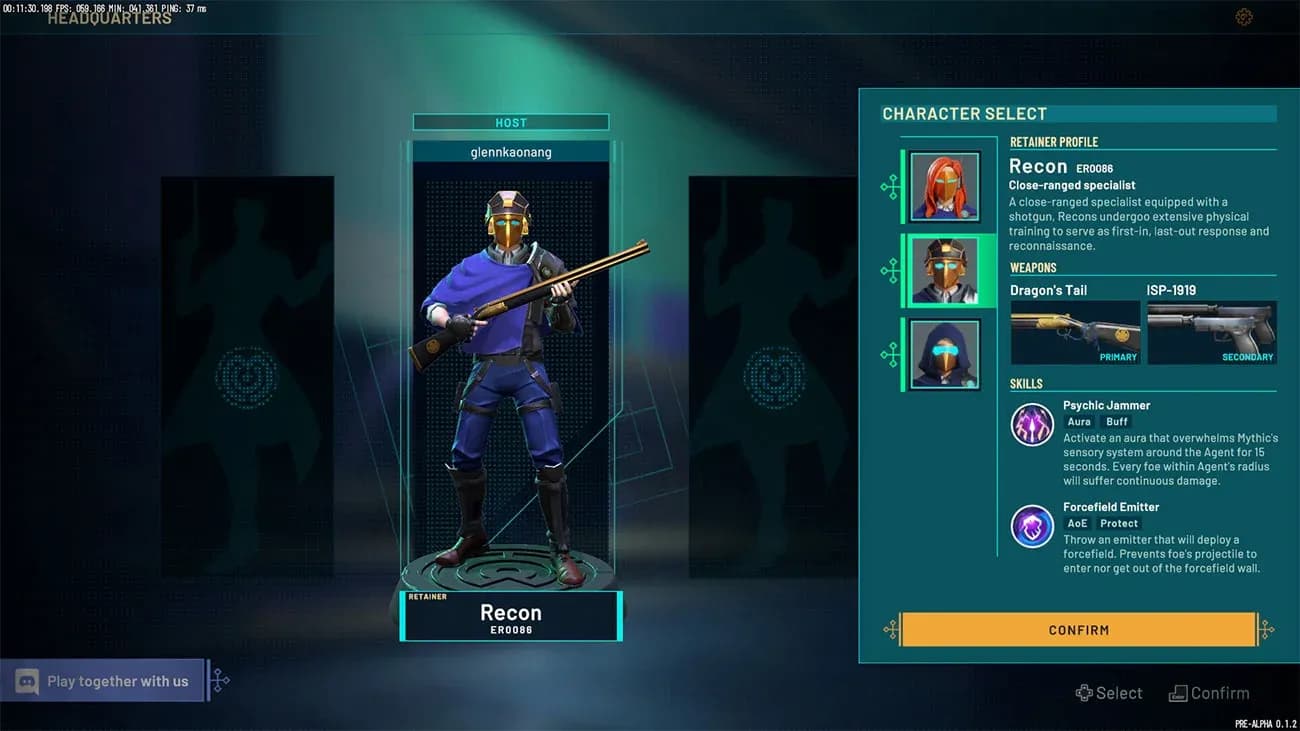
Riftstorm is a co-op looter-shooter action RPG developed by Agate, built around a world where myth is real, secret societies hold power, and dimensional rifts are an existential threat. Players take on the role of Weavers, elite operatives operating under the Mythic Protocol, a governing set of rules that shapes how they engage with the supernatural forces bleeding through from the other side. The premise is specific enough to feel fresh in a genre crowded with generic sci-fi and fantasy skins.
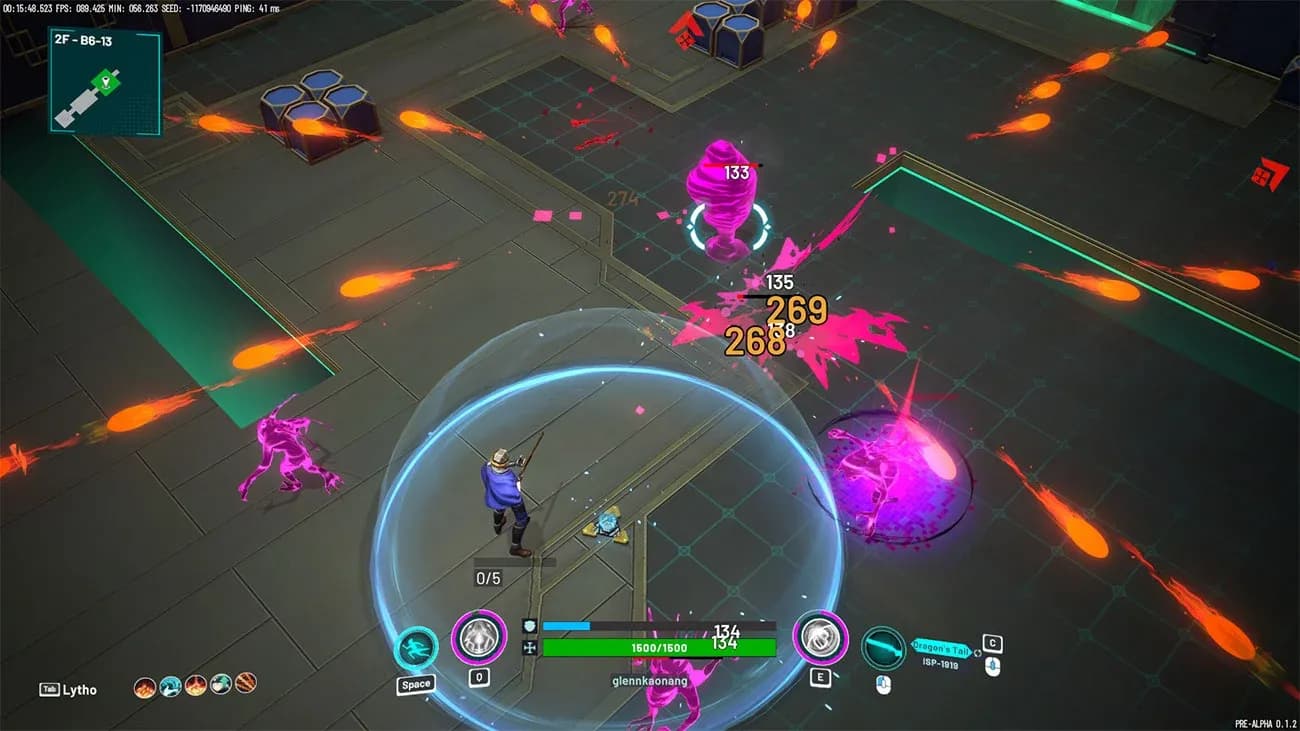
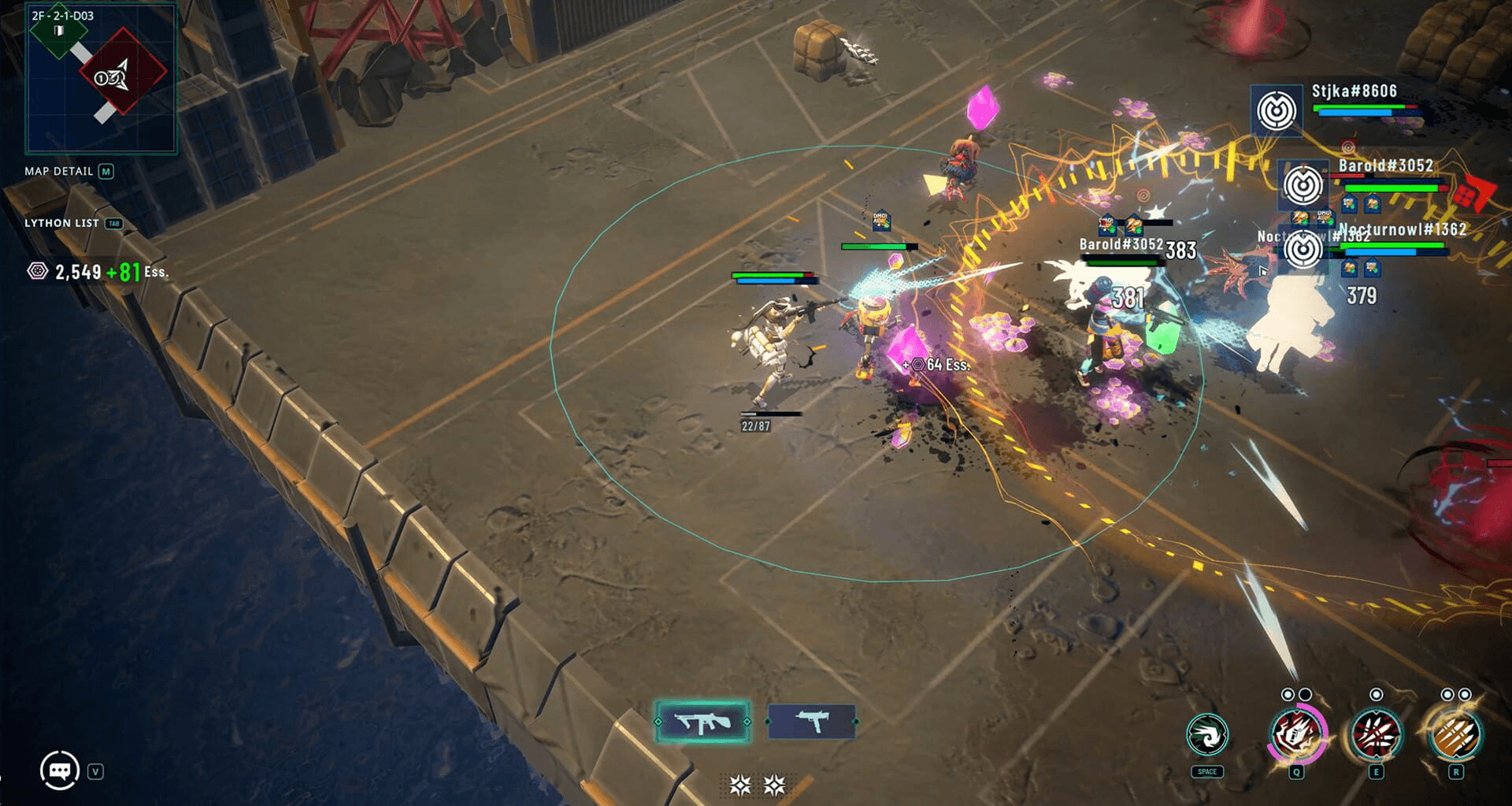
The game supports solo play or co-op parties of up to three players, which puts it squarely in the same lane as games like Outriders or Remnant. What separates Riftstorm from those comparisons is the mythic-secret-society framing, which gives the world a grounded sense of conspiracy and hidden knowledge rather than the usual end-of-the-world spectacle.
Who are the Weavers?
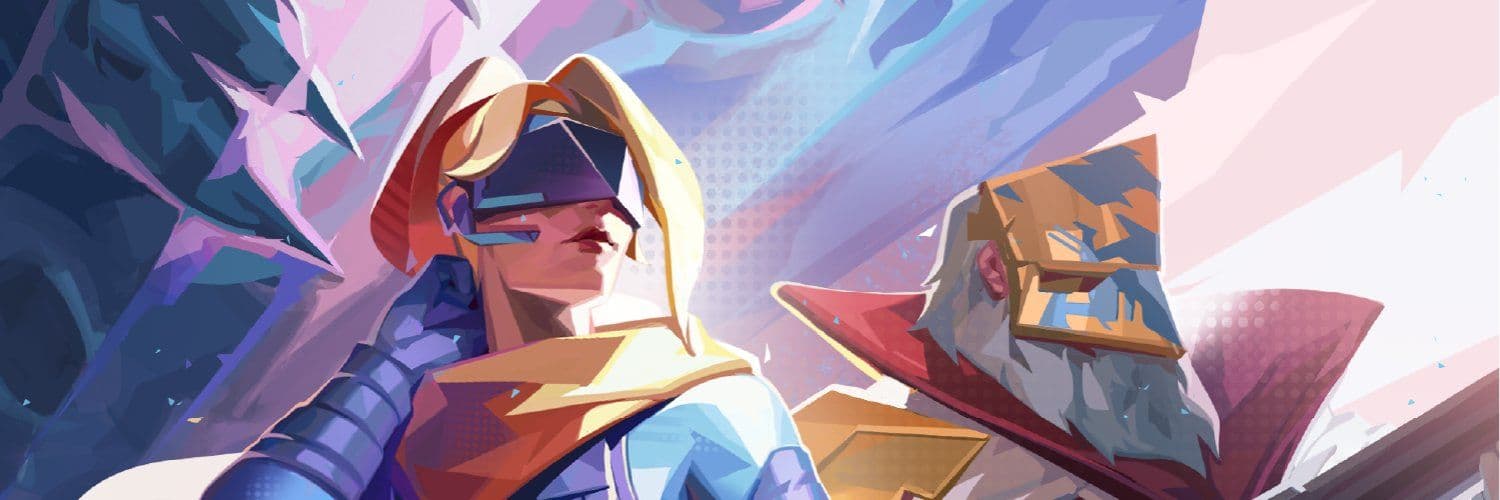
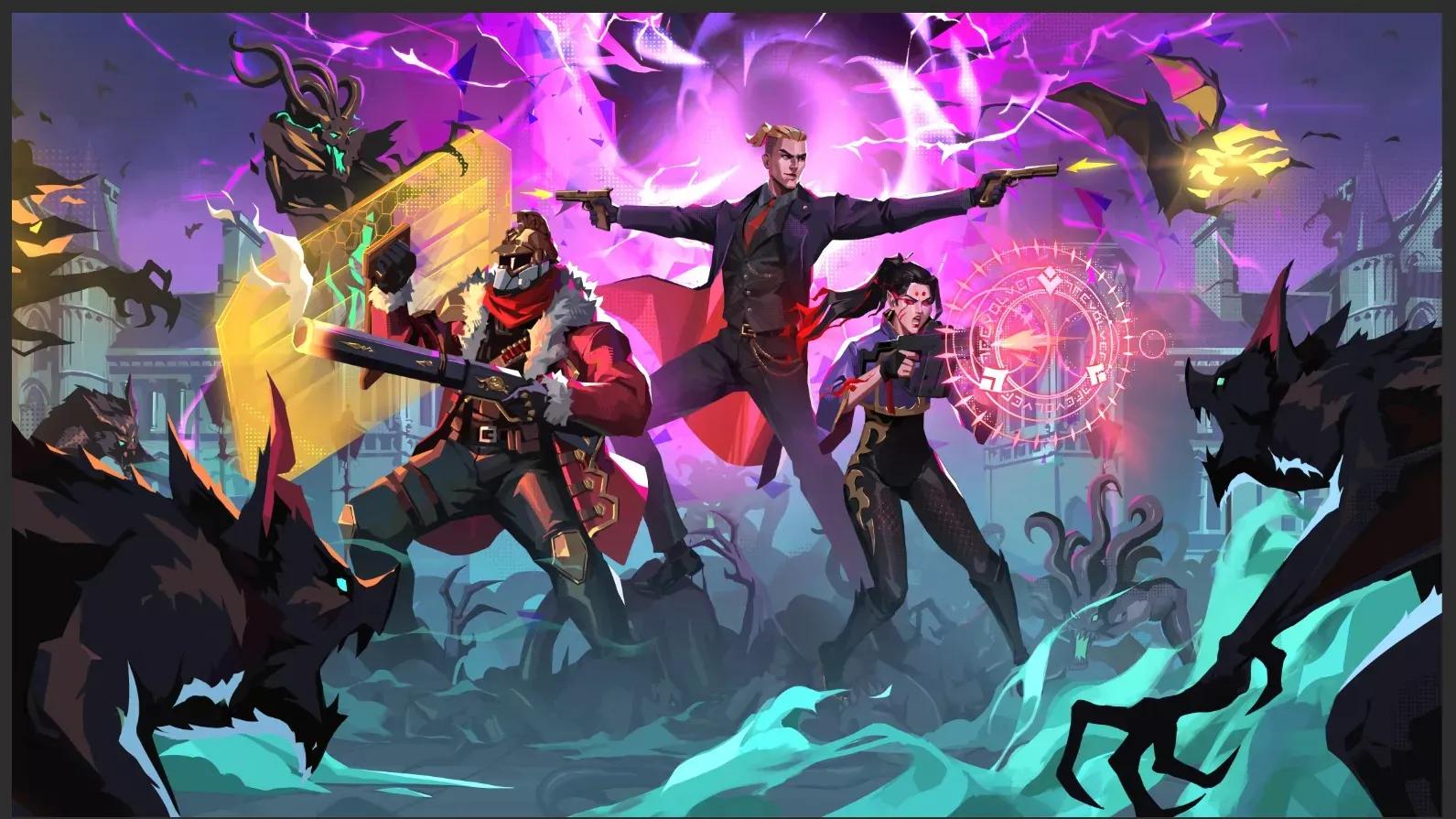
Weavers are the playable characters at the center of Riftstorm's roster, and each one has a distinct identity. Confirmed Weavers include Starling, Botsy, Hertz, Rook, and Caracal, with additional slots on the roster currently redacted, suggesting more characters are in development. Each Weaver presumably brings a different playstyle to the team composition, which is standard for the genre but the mythic-operative framing adds personality that generic class labels usually lack.
Key features confirmed so far:
- Solo and 3-player co-op support
- Multiple distinct Weaver characters
- Looter-shooter loot progression
- Rift-closure mission structure
- Mythic Protocol narrative framework
Riftstorm
World and setting
The world of Riftstorm operates on the idea that mythic threats are real, hidden from the general public, and managed by an organization bound by strict protocol. Rifts are not just combat arenas; they represent tears in the fabric of a world that has been holding secrets for a long time. That framing gives the setting a weight that goes beyond standard alien invasions or demonic portals.
The Mythic Protocol specifically functions as both a lore device and a gameplay structure, suggesting that how you engage with rifts and mythic entities follows rules with real consequences. This kind of world-building investment, where the setting informs the mechanics rather than just decorating them, is exactly what distinguishes games with lasting appeal from those that fade after the first content cycle.
Riftstorm
Multiplayer and co-op design
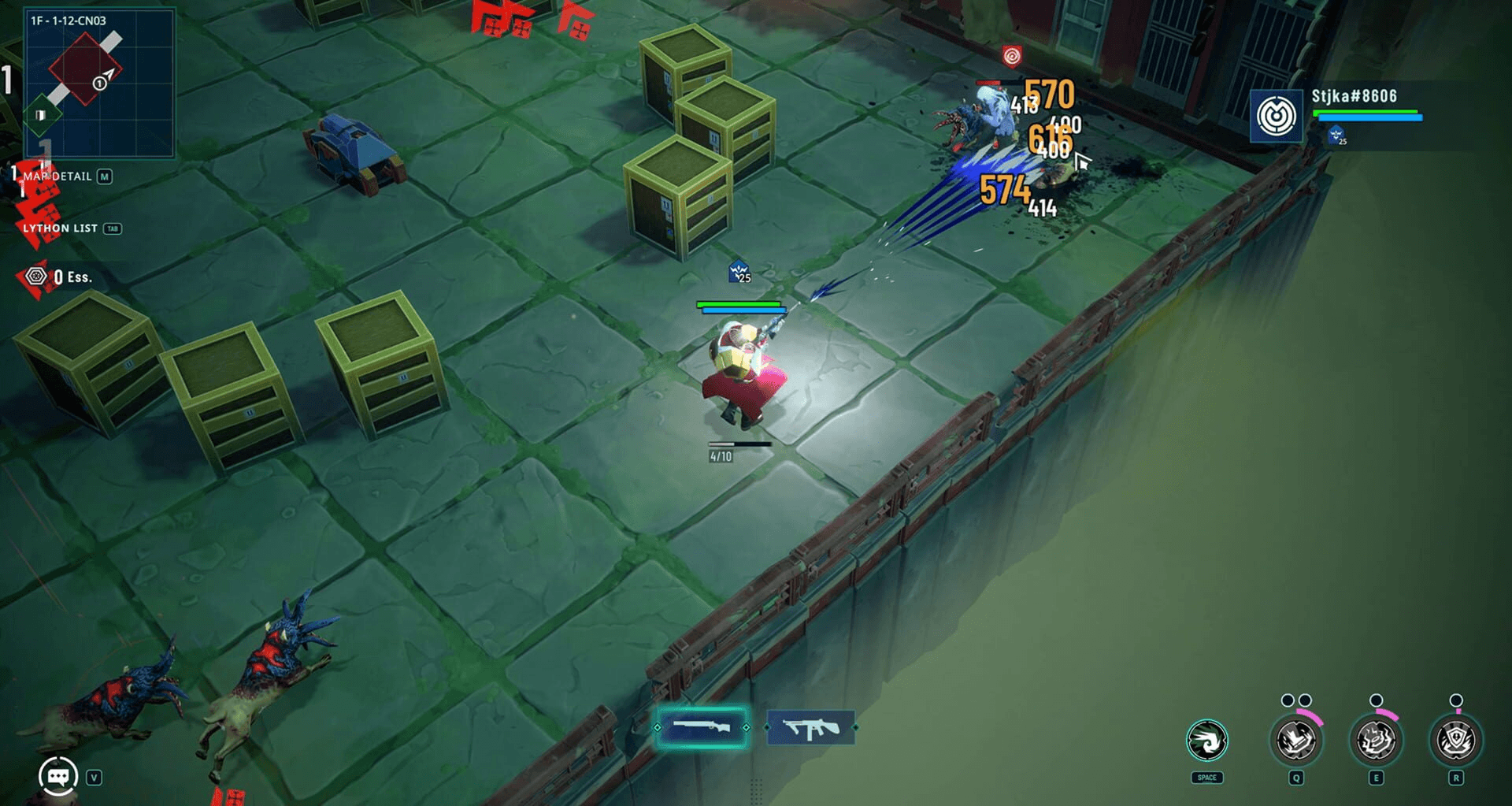
Three-player co-op is the designed sweet spot for Riftstorm, which is a deliberate choice worth noting. Three-player squads create tighter coordination demands than four-player teams, and they force more intentional Weaver selection since there is no room for redundancy. Solo play is supported for players who prefer to run operations alone, though the encounter design almost certainly scales to account for team size.
Riftstorm is heading to PC via Steam, PlayStation, Xbox, and Nintendo Switch, which is a broad platform footprint for a co-op shooter from a studio like Agate. Cross-platform availability means the player base will not be fractured across a single storefront, which matters for the long-term health of any looter-shooter that depends on active matchmaking pools.
Riftstorm
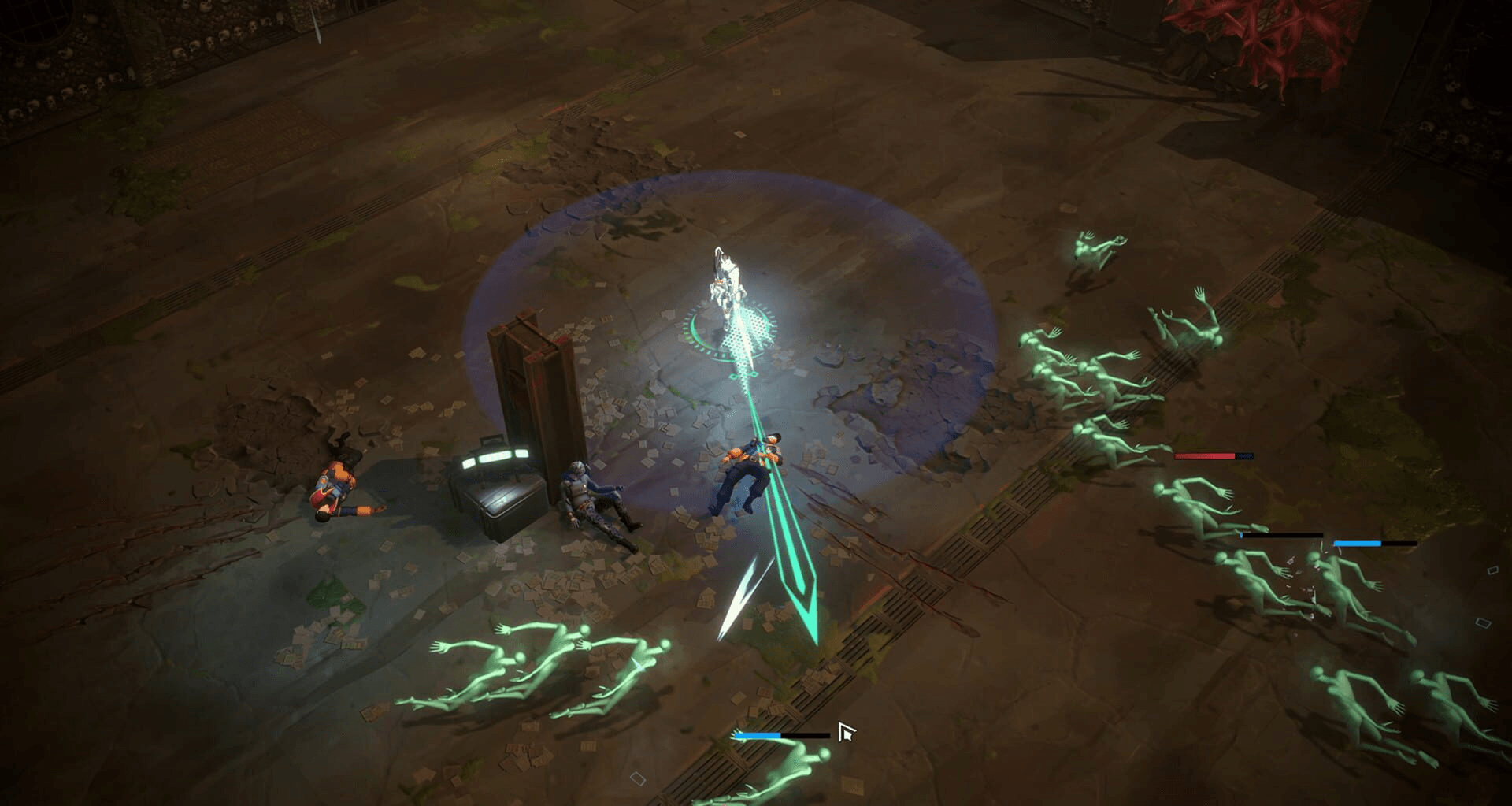
With a release date still unannounced, Riftstorm sits in the interesting position of having enough confirmed character and world-building detail to build genuine anticipation. The Weaver roster, the Mythic Protocol, and the co-op looter-shooter structure all point to a game that knows what it wants to be. Whether the loot loop and rift-closure missions deliver the depth the setting promises is the real question the final build will have to answer.