
The production budget for a polished product ad used to be a hard wall separating indie creators from major brands. That wall is crumbling fast.
A new wave of AI-powered video and creative tools has made it genuinely possible to produce scroll-stopping ads for TikTok and YouTube with little to no upfront spend. The same shift that brought AI into game development and content creation is now hitting advertising hard, and the timing matters for anyone trying to build an audience or sell a product through short-form video.
Why the timing hits different right now
Over 60% of younger audiences now discover new products through TikTok and Instagram rather than traditional search or TV. That number has been climbing for three consecutive years. Brands that do not have a presence on short-form video platforms are effectively invisible to a massive chunk of potential buyers, but professional ad production has historically cost thousands of dollars per spot.
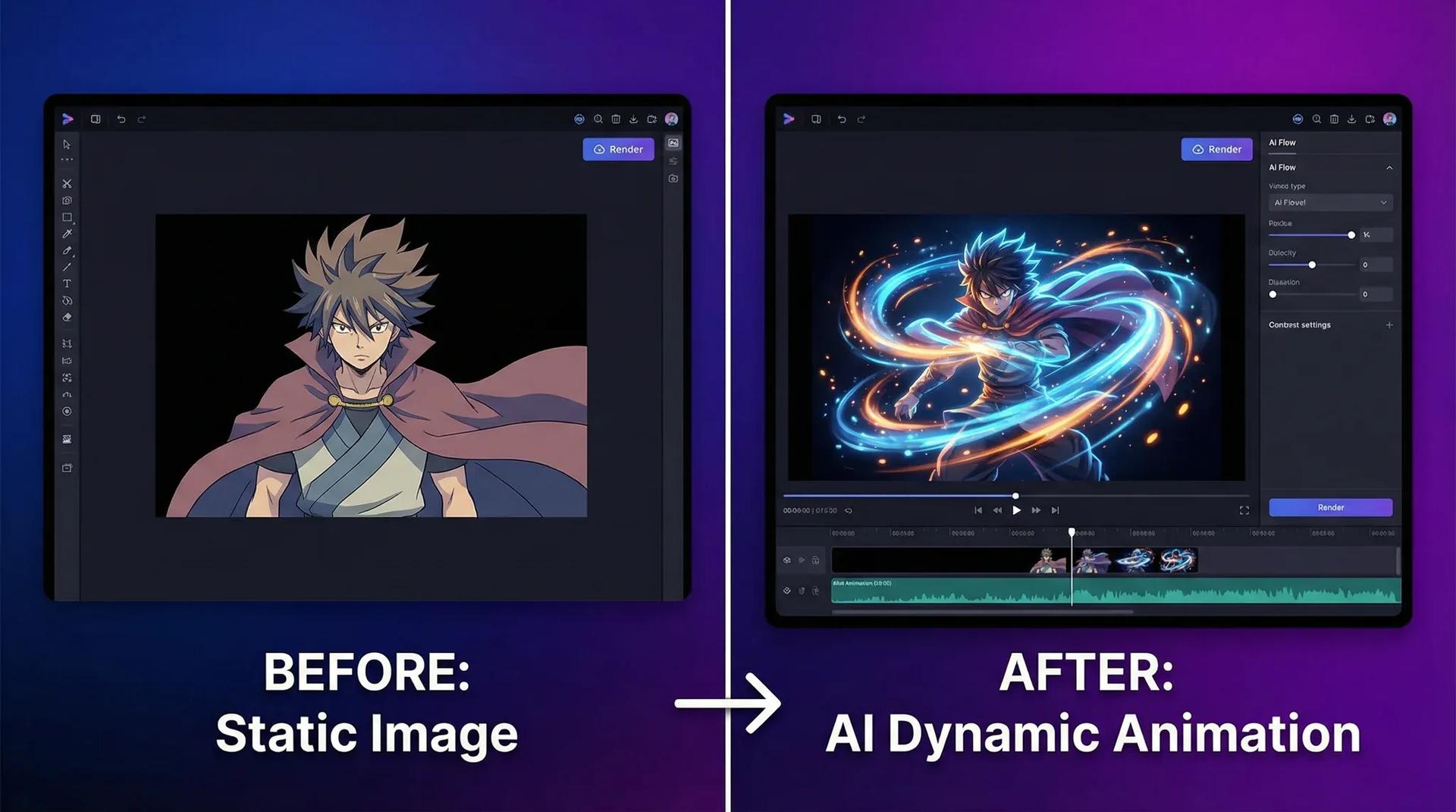
The key here is that AI has not just made production cheaper. It has compressed the entire pipeline. Tools like Runway, Pika Labs, CapCut AI, and Adobe Firefly can now handle scripting, visual generation, voiceover, and editing in a workflow that would have required a full creative agency two years ago. Most offer free tiers with meaningful output limits before any paid upgrade kicks in.
What the actual workflow looks like
The process has settled into a fairly consistent pattern across tools. You start with a product image or brief description, feed it into a text-to-video or image-to-video generator, layer in AI-written copy tuned for the platform, then export directly to the format each platform prefers.
TikTok favors vertical 9:16 video at 1080x1920, fast cuts in the first 3 seconds, and captions baked into the frame. YouTube Shorts follows similar specs but tolerates slightly longer hooks. The AI tools have started baking these platform presets directly into their export menus, which removes a lot of the guesswork.
For audio, tools like ElevenLabs generate realistic voiceovers from a text prompt in under a minute. Pair that with royalty-free music from Suno or Udio and you have a complete audio track without touching a microphone or a licensing agreement.
The gap between free and good
Here is the thing: free does not automatically mean effective. What most players miss when jumping into AI ad creation is that the tools handle production, but strategy still requires a human brain. An AI can generate a clean 15-second clip of your product in a lifestyle setting, but it cannot tell you whether that product resonates better with a gaming audience at 11pm or a fitness crowd at 6am.
Personalization is where the real edge lives. Brands seeing the strongest results are using AI to produce multiple ad variants quickly, then running them as split tests to find what actually converts. That approach used to require a production team and a media buyer. Now it takes a free Canva account, a Runway trial, and a weekend.
If you want to see how AI-driven strategy thinking applies to gaming specifically, the AI Arena advanced model guide is a solid example of how layered decision-making and optimization work in practice.
The gaming creator angle
For gaming content creators specifically, this shift opens up a direct path to monetizing audiences through affiliate or merchandise campaigns without outsourcing creative work. A streamer with 50,000 followers can now produce a legitimate-looking sponsored clip for a peripheral brand or their own merch drop in an afternoon.
The same logic applies to mobile game developers trying to acquire players on a budget. TikTok's algorithm still rewards novelty and authenticity over polish, which means an AI-generated ad that feels native to the platform can outperform a slick studio production. That is a real competitive advantage for small teams.
For creators looking to build income streams beyond ads, the approach in this Adopt Me money farming guide reflects the same principle: knowing which systems to work efficiently beats throwing resources at a problem.
Where this goes next
The tools are improving fast enough that the quality gap between AI-generated ads and professionally produced ones is closing at a pace most agencies are not comfortable discussing publicly. Meta, Google, and TikTok have all launched their own AI ad generation features inside their ad managers, which signals that this is no longer a fringe workflow.
The next pressure point will be authenticity. Nearly 50% of consumers have shown they will disengage from content that feels manufactured, which means the creators who learn to blend AI efficiency with genuine personality will have a durable advantage over those just running raw AI output.
For a broader look at tools and systems worth mastering right now, the gaming guides hub covers a lot of ground across the games and creator space worth bookmarking.