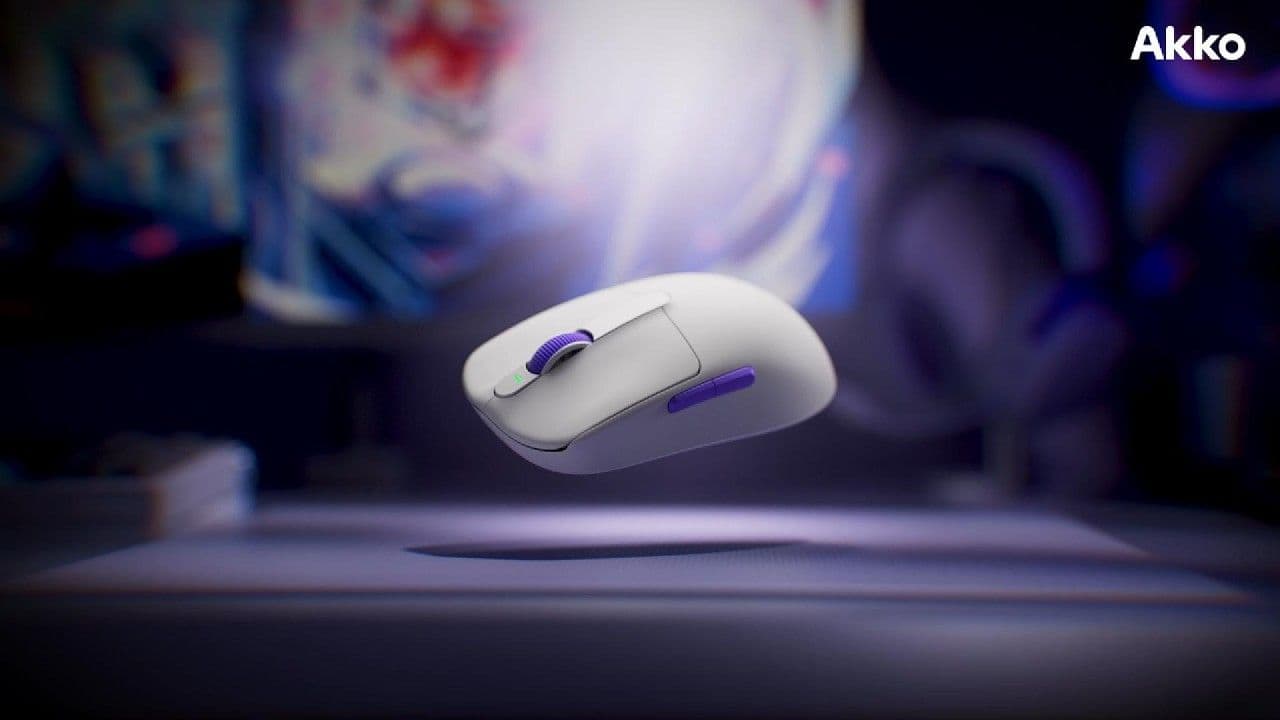


There is a very specific moment with a lightweight gaming mouse where your brain quietly recalibrates. The Akko V9 Dash Ultra triggers that moment fast. At 41g for the white version (the black variant somehow shaves off another gram, because apparently white plastic carries extra existential weight), this mouse sits in a category where the numbers on the spec sheet genuinely match what you feel under your hand.
The Akko V9 Dash Ultra retails at $69.99, which puts it in direct competition with mice from brands charging a premium mostly for the logo on the bottom. Here is the question that actually matters: does the performance justify skipping the big names?

Use code TRYHARD33 at checkout to redeem this offer before code expires again.
Get 33% Off GAMES+ Subscription
What 41g actually feels like in a firefight
Ultra-light mice have a reputation problem. A lot of them feel hollow, like the manufacturer removed material without thinking about where rigidity actually matters. The Dash Ultra sidesteps this. The shell has no meaningful flex, the buttons do not rattle, and nothing creaks under pressure. It is the kind of build quality that makes you stop thinking about the mouse and start thinking about the game.
The compact shape is clearly designed for small-to-medium hands using a fingertip or relaxed claw grip. Palm grippers with larger hands will want to measure carefully before buying. That is a design choice, not a flaw, but it is worth knowing upfront rather than discovering after the packaging is in the bin.
Sensor and polling rate: more than most players will ever need
The PixArt PAW3950 sensor handles tracking duties here, and it is a strong choice. Precise, stable, and consistent across different surfaces. The Dash Ultra supports up to 8,000Hz polling in both wired and 2.4GHz wireless modes, which puts it level with mice costing significantly more.
The DPI ceiling technically reaches 42,000 via the Akko Gaming Hub software on Windows, with a native cap of 30,000 DPI. Nobody is actually playing at 42,000 DPI in any meaningful way, but the important detail is that the sensor performs cleanly at sensible settings. Wireless latency has been a non-issue across a month of daily use, covering fast shooters, strategy games, and the usual chaos of desktop multitasking.
Battery life that makes charging feel optional
A full month of daily wireless use without charging. That is the headline stat, and it holds up. Running the mouse at maximum polling will eat through the 300mAh battery faster, but at sensible everyday settings the Dash Ultra is genuinely low-maintenance. The kind of device where you suddenly think, "Hang on, when did I last plug this in?" and the answer is genuinely unclear.
Akko also includes extra mouse skates and glide-tuning options, which sounds like enthusiast fluff until you actually use a very light mouse and realize that small changes to surface friction are immediately noticeable at this weight class.
The grip sticker situation
Here is the thing: the rubberized grip stickers work. They add a locked-in feel that the bare shell does not quite provide on its own. Apply them, and the mouse feels more controlled during extended sessions.
The problem is that they attract dirt at a rate that feels almost personal. Clean hands, clean desk, clean conscience, and within days the stickers look like they have been through something. The good news is that they peel away without leaving residue or any sticky ghost outline on the shell. You can remove them, clean up, and move on. But if you keep white hardware pristine by instinct, factor in some extra maintenance time.
The $69.99 case against paying more
At $69.99, the Dash Ultra competes directly with mice from established brands where a chunk of the price is brand equity rather than hardware. The PAW3950 sensor, 8kHz wireless polling, sub-42g weight, and strong battery life form a package that is hard to argue with at this price point.
The compact shape will not suit everyone, the grip stickers need monitoring, and the massive DPI ceiling is pure spec-sheet decoration. Those are real limitations. But for players who want a fast, light, capable wireless mouse without paying a premium for a familiar logo, the Dash Ultra makes a strong case.
For a deeper technical breakdown including polling rate comparisons, the full Notebookcheck review of the V9 Dash Ultra is worth reading alongside this one. You can also browse more latest reviews for additional hardware coverage.