

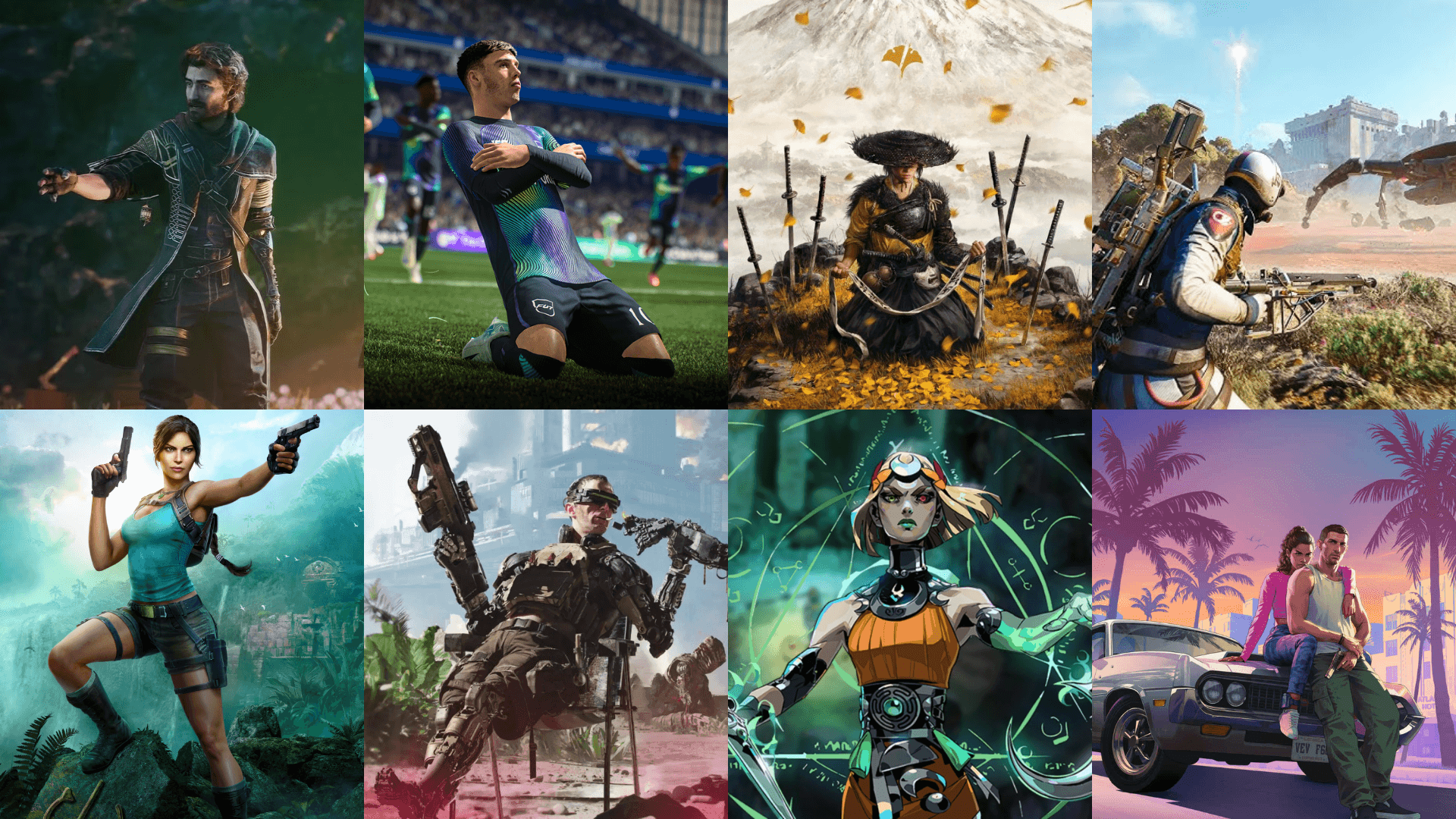
February 13 has become associated with celebrating women's friendships, a tradition popularized in mainstream culture by Leslie Knope from Parks and Recreation. In 2026, the Epic Games Store is marking the occasion by highlighting women-led games and acknowledging the developers who have shaped the industry across decades. The move comes as conversations around representation in game development continue to shift.
The numbers show steady movement. The 2025 State of the Industry survey from the Game Developers Conference puts women and nonbinary developers at 32% of the workforce. That's not parity with the player base yet, but it's measurable growth compared to where the industry stood even five years ago. This Valentine's Day spotlight functions as both a nod to that progress and a reminder that there's still ground to cover.
Use code TRYHARD33 at checkout to redeem this offer before code expires again.
Get 33% Off GAMES+ Subscription
Early Trailblazers Built the Foundation
Before modern consoles and live-service models became the default, women were already shaping interactive entertainment. Mabel Addis is widely recognized as the first video game designer and writer. In the 1960s, working with IBM and a New York school district, Addis created The Sumerian Game, a text-based educational experience centered on resource management. The project is considered the first narrative-driven game and an early example of edutainment. Addis' work went largely unacknowledged for decades until she received a posthumous Pioneer Award at GDC 2023.
The late 1970s arcade boom opened new doors. At Atari, Carol Shaw became one of the first female engineers and designers in the console space. She joined Atari in 1978 and developed titles for the Atari 2600 before moving to Activision. Her electrical engineering background made her a key contributor during a formative period for home gaming.
Around the same time, Roberta Williams co-founded Sierra On-Line and helped establish the graphic adventure genre. The 1980 release of Mystery House introduced illustrated environments to adventure gameplay. The later King's Quest series became one of the most recognizable franchises of its generation. Williams returned to development in 2023 with Colossal Cave, revisiting one of the earliest text-based adventures that originally inspired her career.
Action-Adventure Leads Got a New Blueprint
The 1996 debut of Lara Croft in Tomb Raider marked a turning point for female protagonists in mainstream games. Published by Eidos Interactive, the title helped define 3D action-adventure design and established Lara as one of gaming's most recognizable characters. Early portrayals reflected the marketing strategies of the time, but the character's intelligence and capability were always central to the series.
The 2013 reboot introduced a more grounded take on Lara, emphasizing vulnerability and resilience. Lead writer Rhianna Pratchett framed the character as determined and empathetic while keeping her core strengths intact. The reboot trilogy refreshed the franchise and contributed to ongoing discussions about representation and character development in AAA titles.
Tomb Raider's influence extended to other major series. Amy Hennig, who previously worked at Crystal Dynamics, later joined Naughty Dog and directed Uncharted: Drake's Fortune. The Uncharted franchise became one of Sony's defining properties, showing how women in creative leadership roles have shaped blockbuster storytelling.
Perspectives Expanded Across Franchises and Indies
In the mid-2000s, Jade Raymond played a central role in launching Assassin's Creed, a franchise that continues to anchor Ubisoft's portfolio. The Horizon series introduced players to Aloy, a protagonist defined by skill and curiosity rather than spectacle.
Independent development has also contributed significantly to broader representation. Maddy Thorson created Celeste, a platformer that addresses themes of identity and mental health through its mechanics and narrative. More recently, Alan Wake 2 expanded its story to include Saga Anderson as a co-protagonist, reinforcing a trend toward more balanced character perspectives in major releases.
These examples represent only a portion of women-led contributions to the industry. From AAA franchises to independent studios, female developers continue to influence design philosophy, narrative direction, and technical innovation.
A Timely Celebration with Real Impact
The Epic Games Store's Valentine's Day promotion highlights women-led games not as a niche category but as an integral part of the medium's history and present. As industry demographics shift and more women take on leadership roles in development, publishing, and creative direction, initiatives like this provide visibility without separating those achievements from the broader market.
The 2026 celebration underscores a straightforward reality: women have always been part of gaming's evolution. Valentine's Day offers an opportunity to revisit that history while supporting the current generation of developers shaping what comes next.
Make sure to check out our articles about top games to play in 2026:
Best Nintendo Switch Games for 2026
Best First-Person Shooters for 2026
Best PlayStation Indie Games for 2026
Best Multiplayer Games for 2026
Most Anticipated Games of 2026
Top Game Releases for January 2026
Frequently Asked Questions (FAQs)
What is Valentine's Day in gaming?
Valentine's Day, observed on February 13, celebrates women's friendships. In gaming, platforms like the Epic Games Store use the occasion to spotlight women-led games and female developers.
Why is the Epic Games Store highlighting women-led games?
The promotion aligns with broader efforts to increase visibility for underrepresented developers and recognize the historical and ongoing contributions of women in game development.
Who was the first female video game designer?
Mabel Addis is widely recognized as the first video game designer and writer for her work on The Sumerian Game in the 1960s.
How has representation of women in game development changed?
The 2025 Game Developers Conference survey shows women and nonbinary developers now make up 32% of the industry workforce, reflecting steady growth over recent years.
What are some notable women-led video games?
Notable examples include Tomb Raider, Uncharted: Drake's Fortune, Celeste, Assassin's Creed, and Alan Wake 2, each shaped in part by women in leadership or creative roles.