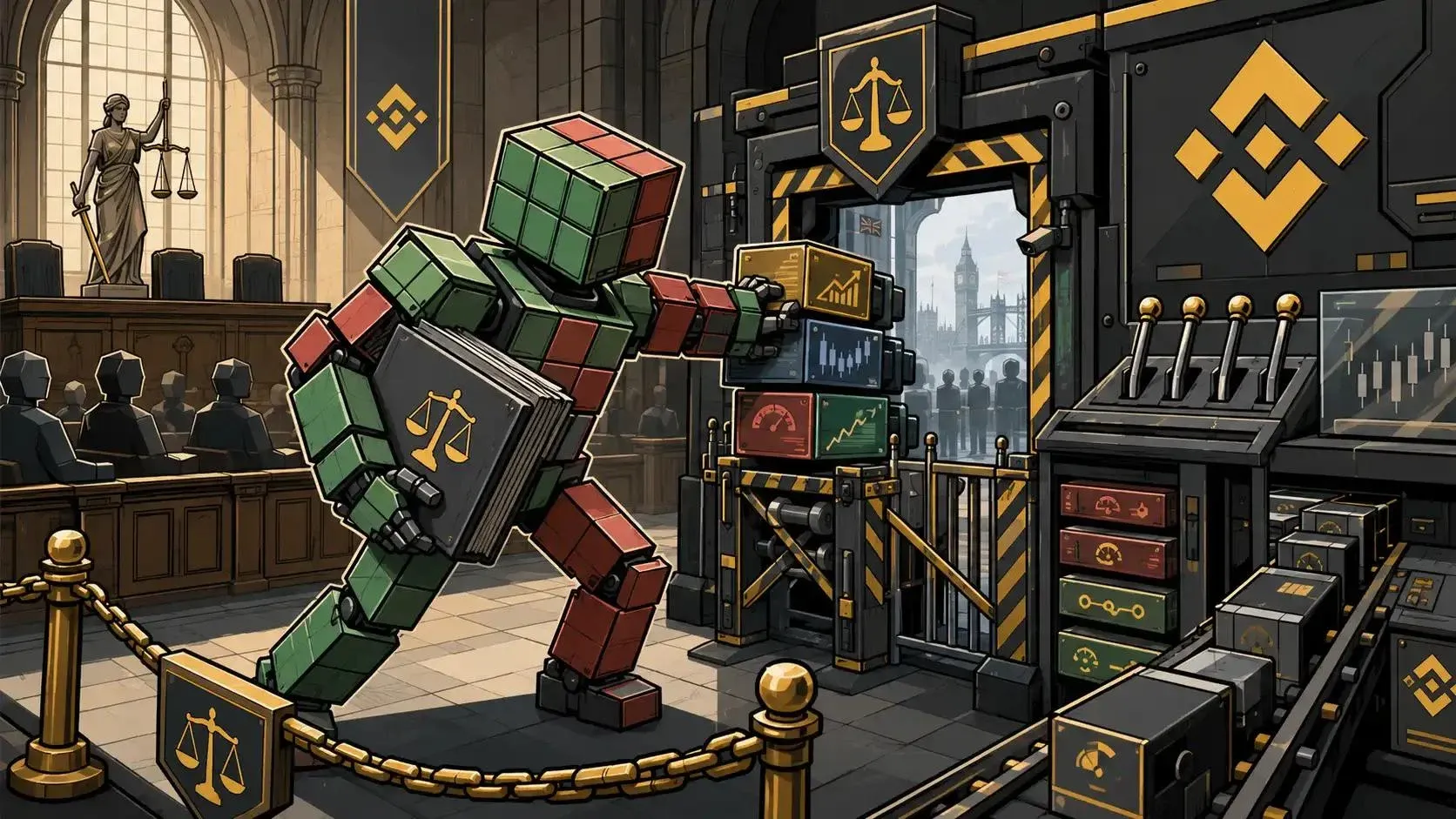


Nearly 1,700 British investors have taken Binance and its founder Changpeng "CZ" Zhao to court in the UK, seeking close to $200 million in damages. The lawsuit centers on a specific complaint: that Binance offered complex, leveraged trading products to retail customers without the regulatory approval to do so.
For anyone active in the web3 space, this is the kind of legal action that signals just how seriously regulators and courts are now treating the question of who gets to sell high-risk financial instruments, and to whom.

Use code TRYHARD33 at checkout to redeem this offer before code expires again.
Get 33% Off GAMES+ Subscription
What the claimants say happened
The core of the case traces back to late 2019, when Binance made leveraged trading products available to UK retail customers. These are the kinds of instruments where losses can exceed the initial deposit, products that regulators have long flagged as unsuitable for everyday investors. Some claimants reportedly lost tens of thousands of dollars when those offerings were live.
The UK's Financial Conduct Authority (FCA) eventually banned crypto derivatives for retail customers in October 2020, with that ban taking effect in January 2021. The regulator's reasoning was direct: these products were "ill-suited" to retail customers. The lawsuit essentially argues that Binance should never have been offering them in the first place.
Here's the thing: the FCA ban came after the damage was already done for many of these investors. The timeline matters. The products were available in 2019, the ban was announced in late 2020, and by January 2021 the door was closed. That gap is exactly where the legal argument lives.
Binance's response and its current regulatory position in Europe
Binance issued a brief statement in response to the lawsuit: "We do not comment on ongoing litigation. We will defend against these claims through the appropriate legal process in due course. Binance remains committed to its obligations to users and to operating in accordance with applicable law."
That's a standard legal non-answer, but it's worth noting the broader context around Binance's European standing right now. The exchange recently withdrew its Markets in Crypto Assets (MiCA) application from Greece, a move that followed reports the application was heading toward denial. A MiCA license would have allowed Binance to offer crypto services across EU member states from July 1 onward. Without one, that access is blocked.
Binance has said it plans to apply through a different EU member nation, though it hasn't named which country it's targeting next. That leaves its EU regulatory status in a holding pattern.
The FCA's evolving stance on retail crypto access
The UK regulator published an overview of its crypto policy this week that makes its position clear: "Cryptoassets are high risk investments and will remain high risk under our regime." The partial opening on ETNs doesn't signal a softening on derivatives, and the lawsuit against Binance lands at a moment when the FCA is actively reassessing where the lines should be drawn.
For players in the web3 gaming space, this regulatory pressure isn't abstract. Projects that integrate blockchain-based financial instruments, from in-game asset trading to tokenized rewards, are operating in the same environment where regulators are scrutinizing exactly these kinds of products. If you're exploring web3 gaming titles that involve real financial mechanics, it's worth understanding the difference between regulated and unregulated offerings. Our gaming guides cover the web3 gaming side of things in detail if you want context on how these mechanics show up in actual games.
What comes next for the case
With nearly 1,700 claimants and a $200 million figure attached, this is one of the larger retail investor actions against a major crypto exchange in UK legal history. The case will move through the UK courts, and Binance has signaled it intends to contest the claims fully.
The outcome could set a meaningful precedent for how other exchanges handle the question of regulatory approval before rolling out complex financial products to retail audiences. If you're active in any web3 title that involves on-chain financial products, from blockchain-based card games to platforms like those covered in the blockchain Brawlers starter guide, the regulatory environment these lawsuits are shaping will eventually affect what products developers can offer and in which markets.
Binance's next move on the MiCA front, and which EU country it chooses for its new application, will be worth watching closely. The exchange is navigating legal pressure on multiple fronts simultaneously, and the UK case is now firmly on the calendar.
For players tracking the intersection of web3 and gaming, check out the latest titles and mechanics covered in our game reviews to see how developers are navigating these shifting regulatory realities in practice.