

The sequence of events here is almost too on-the-nose. California's State Senate held a hearing on the Protect Our Games Act, a Stop Killing Games-backed bill that would require publishers to keep games functional even after official server shutdowns. Private servers came up as a practical solution. Someone pointed to Minecraft as the textbook example of how this can work. Then Jennifer Gibbons, VP of State Government Affairs at the Electronic Software Association (ESA), called those servers "illegal."
That's when things got loud.
What the ESA actually claimed
Gibbons didn't hedge. She described private servers as a form of "piracy," characterized them as a gaming "black market," and specifically cited Minecraft as a game whose private servers are unsanctioned by Microsoft. The argument was that the bill's proposal to use private servers as a long-term playability solution raised intellectual property concerns.
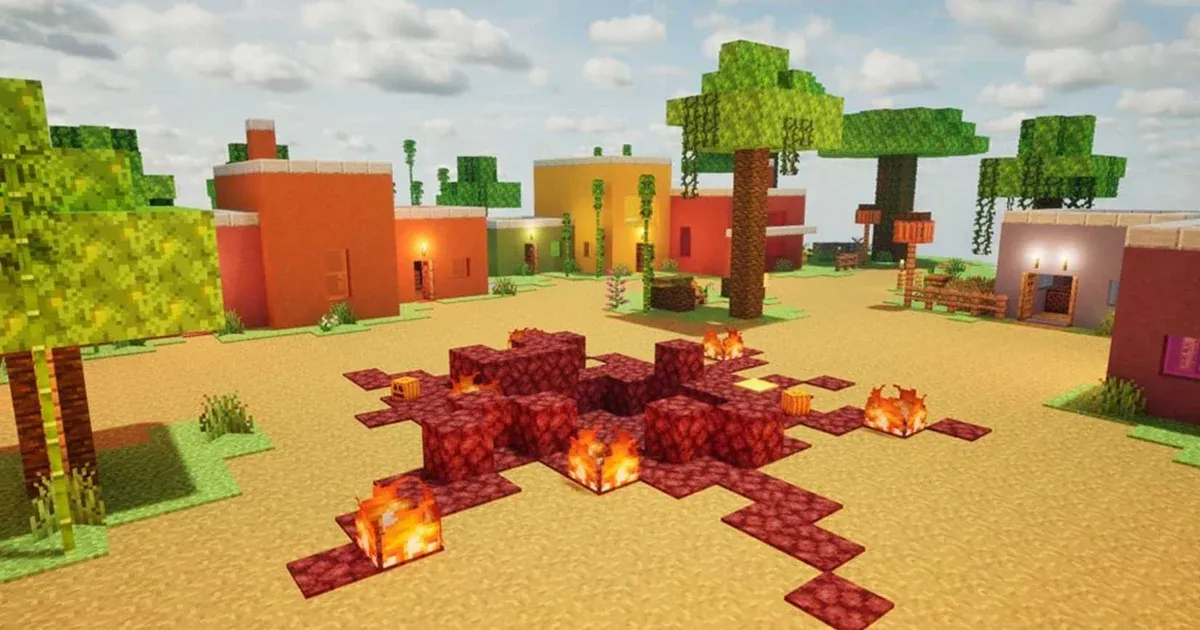
Here's the thing: Mojang's own website actively provides tools for players to run private servers. There's a dedicated server browser built right into the game. Private servers in Minecraft aren't a gray area or a workaround. They're an officially supported feature that the developer has promoted for over a decade.
The ESA's framing wasn't just wrong. It was the kind of wrong that made the gaming community sit up straight.
Notch's response and why it landed differently
Markus 'Notch' Persson hasn't been part of Minecraft's development since selling Mojang to Microsoft back in 2014. He stepped away from the project entirely. That distance makes his response carry a particular weight.
"I'm not part of either any more, but I feel like the ESA is being incredibly scummy by pulling this," Notch wrote on social media. "I've never liked them, but even less so now. I did not wish for my work to be used against people. This is borderline evil."
That last line is the one that stuck. The creator of one of the most modded, server-hosted, community-built games in history watching a lobbying organization use his work as ammunition against players and developers advocating for game preservation. The frustration is understandable.
The ESA's walk-back that didn't quite walk back
After the initial blowback, the ESA issued a second statement that softened the language without abandoning the core position. The updated version acknowledged that "publishers may take different approaches" to IP enforcement, but maintained that private servers operating without publisher oversight raise trust, safety, and copyright concerns.
What most players miss in that second statement is what it doesn't say. It never acknowledges that Minecraft's private servers are officially sanctioned. It never addresses the factual inaccuracy of Gibbons' original testimony. The softer tone is there, but the underlying argument, that private servers are an IP risk worth legislating around, remains intact.
The ESA represents major publishers including Microsoft, Nintendo, Sony, and others. Its opposition to the Protect Our Games Act signals a broader industry resistance to any legislation that could set precedents around game preservation obligations.
What this means for the Stop Killing Games movement
The Stop Killing Games campaign has been building momentum across multiple regions, pushing for legislation that prevents publishers from destroying games players have paid for. The California hearing was a significant moment for that effort in the US.
The ESA's testimony, accurate or not, represents exactly the kind of institutional pushback the movement anticipated. Using Minecraft as a negative example backfired spectacularly given how openly Mojang supports private servers, but the ESA's core argument, that preservation mandates threaten IP rights, will likely resurface in future hearings.
Notch's public condemnation adds a layer the ESA probably didn't anticipate. Having the original creator of the game you cited as an example of illegal activity publicly call your argument "borderline evil" is not a great look in front of legislators.
The Protect Our Games Act continues through the California legislative process. If you want to see what Minecraft's community has built on those supposedly illegal private servers, the best Minecraft mods guide covers 52 of the most significant community creations keeping the game alive right now. That's the reality the ESA's testimony ignored.