
Blizzard Entertainment confirmed today that Overwatch Stadium mode is effectively finished as a living, growing part of the game. Game director Aaron Keller posted a Director's Take update stating that no new heroes or maps are in development for Stadium, closing the book on what was once billed as the game's ambitious third pillar.
The numbers that sealed Stadium's fate
Keller didn't bury the lead. Blizzard's internal player data, pulled from June of this year, tells a clear story about where people actually spend their time in Overwatch. Here's how the mode breakdown looks at roughly the 14-month mark:
| Mode | Share of daily players |
|---|---|
| Unranked Role Queue 5v5 | ~54% |
| Ranked Role Queue 5v5 | ~37% |
| Unranked Open Queue 6v6 | ~19% |
| Ranked Open Queue 6v6 | ~8% |
| Unranked Mystery Heroes 6v6 | ~4% |
| Stadium Ranked | ~3% |
| Stadium Unranked | ~3% |
Stadium's combined 6% share sits below Mystery Heroes. That's not a niche audience finding its footing; that's a mode that never broke through to the broader player base.
Keller framed it diplomatically, saying Stadium "has settled into a dedicated, smaller audience," but the subtext is plain enough. The development resources required to maintain Stadium's unique hero builds, perks, mods, and remixed abilities couldn't be justified against those numbers.

What Stadium was trying to be
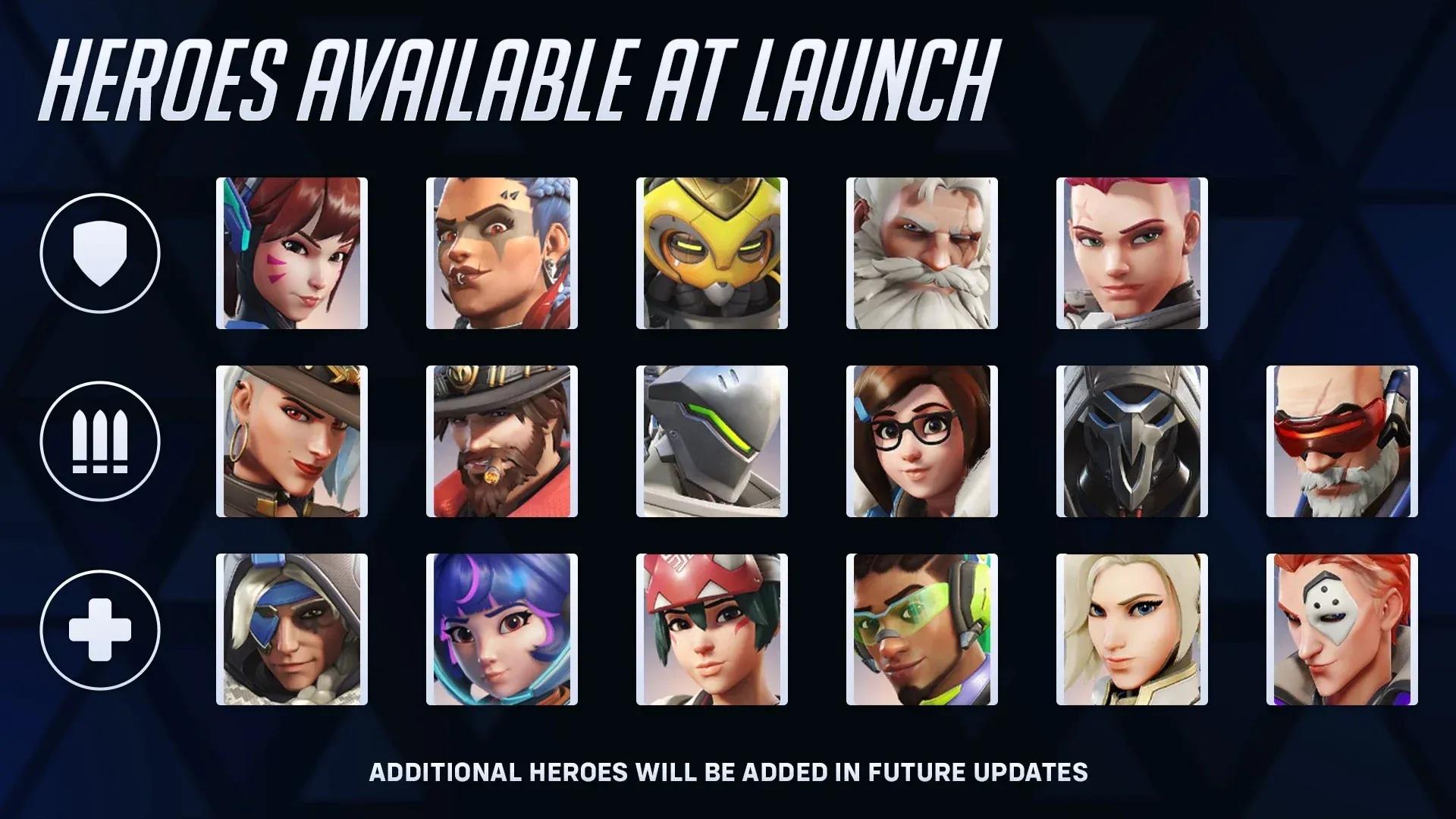
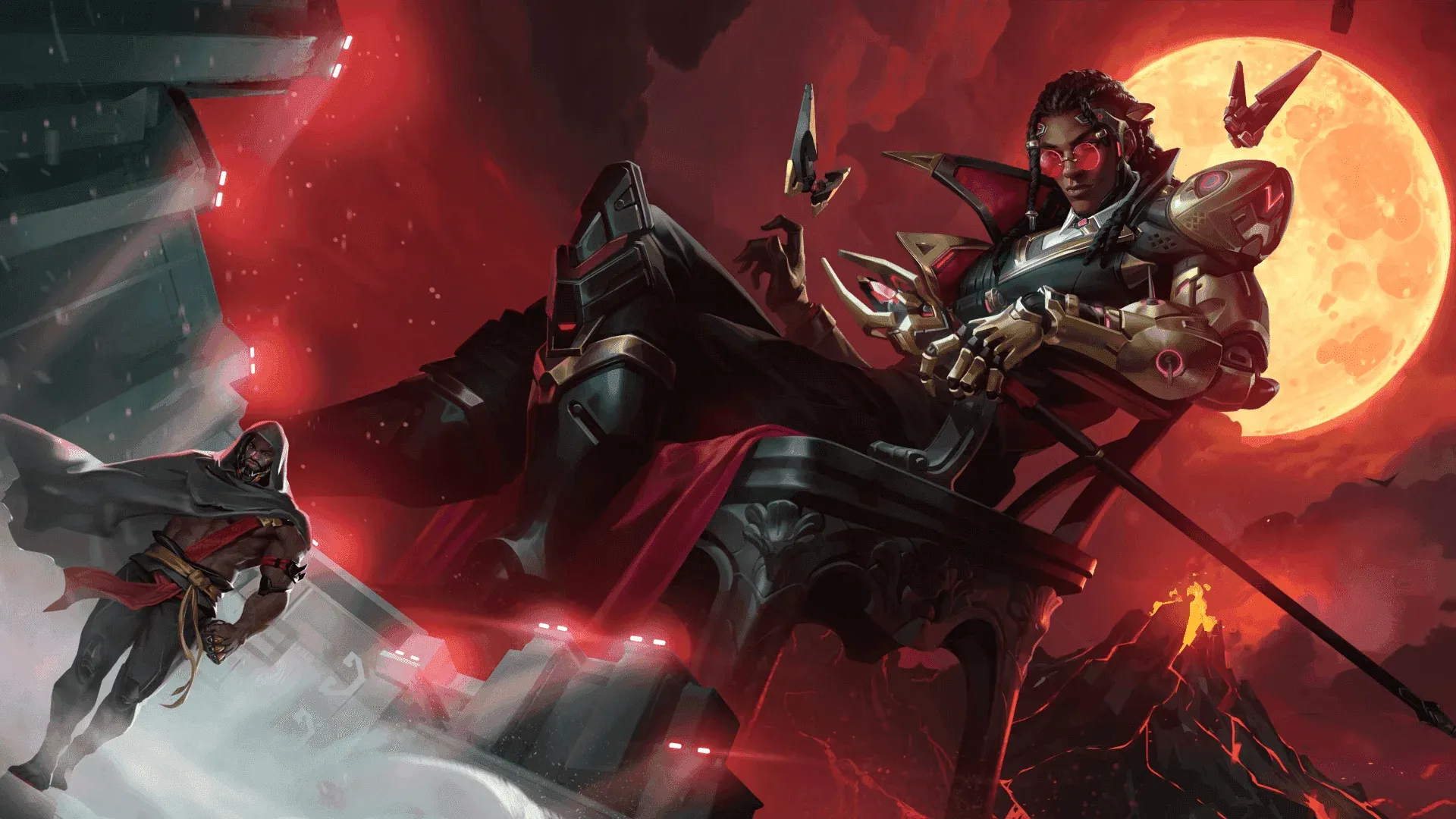
Blizzard launched Stadium on April 22, 2025 with 17 playable heroes. The pitch was genuinely interesting: a MOBA-inspired mode where players upgraded their hero across up to seven rounds, stacking armor bonuses, shorter cooldowns, and transformative powers that didn't exist anywhere else in the game. Each hero required dozens of individually designed perks and mods to function in Stadium, which is part of why expanding the roster was so resource-heavy.
By the time Blizzard called it, Stadium had grown to support 33 heroes. The full Overwatch roster sits at 52. Without new hero additions, that gap isn't closing.
Blizzard also offered predetermined hero builds to lower the barrier for players less interested in the strategic depth Stadium demanded. The complexity was a feature for some and a wall for others, and it seems the wall won.
Where the Stadium team goes from here
Keller's statement mentions that the Stadium development team will shift toward future Overwatch updates. He described taking "lessons gleaned from building it" and applying both those insights and the team members themselves to what comes next.
The timing is hard to separate from broader context at Blizzard. Microsoft's Xbox division has been going through significant layoffs across multiple studios in July, and Blizzard has not been immune to that pressure. Keller's phrasing about redirecting "those talented devs" reads as an acknowledgment of a team being restructured rather than simply reassigned.
For players who invested serious time into Stadium, particularly those who put effort into optimizing cash farming strategies to maximize their in-mode progression, the freeze is a real disappointment. The mode had genuine fans; it just didn't have enough of them.
The core Overwatch experience isn't going anywhere. 6v6 modes are actually growing, and the standard Role Queue modes still pull over 90% of the daily player base combined. If you want to catch up on what's currently active in the game, the Overwatch Season 2 Summit breakdown covers the live content including new hero Sierra and the Grand Mesa event.
Stadium will persist in its current form, 33 heroes and all, for players who want it. But without new content feeding it, the audience that's already small will only get smaller.