

Steam is now Capcom's single biggest revenue source
Capcom's latest securities report drops a number that deserves a second look: Steam accounted for 20.7% of the publisher's total revenue between April 2025 and March 2026, generating approximately $252 million USD. PlayStation, by comparison, came in at 10.6%, or roughly $129 million USD. That's not a slight edge. That's nearly 2x, and it happened in a fiscal year where the PC port of Monster Hunter Wilds shipped in rough shape.
The franchises doing the heavy lifting are the ones you'd expect. Resident Evil, Monster Hunter, and Devil May Cry have all built serious audiences on PC over the past several years, and the numbers reflect that. Resident Evil 5 is a useful example of how deep that catalog loyalty runs on Steam, a game from 2009 that still moves copies during sales and remains one of the most-played entries in the series on PC.
What the 50/50 split actually means
Here's the thing: Capcom had already flagged earlier this year that PC sales represent roughly 50% of its total game sales, with PlayStation, Xbox, and Nintendo splitting the remaining half. So Steam dominating the revenue chart isn't a shock in isolation. What makes it notable is the scale of the gap versus PlayStation specifically.
PlayStation is a single platform. Steam is also, effectively, a single storefront. The fact that one PC storefront is pulling double the revenue of Sony's entire ecosystem tells you something meaningful about where Capcom's audience has migrated. PC players buy back catalog. They buy during sales. They buy games that came out five, ten, fifteen years ago. The Resident Evil series alone has an enormous back catalog on Steam, and that long-tail purchasing behavior adds up fast.
The Monster Hunter Wilds port problem didn't dent the momentum
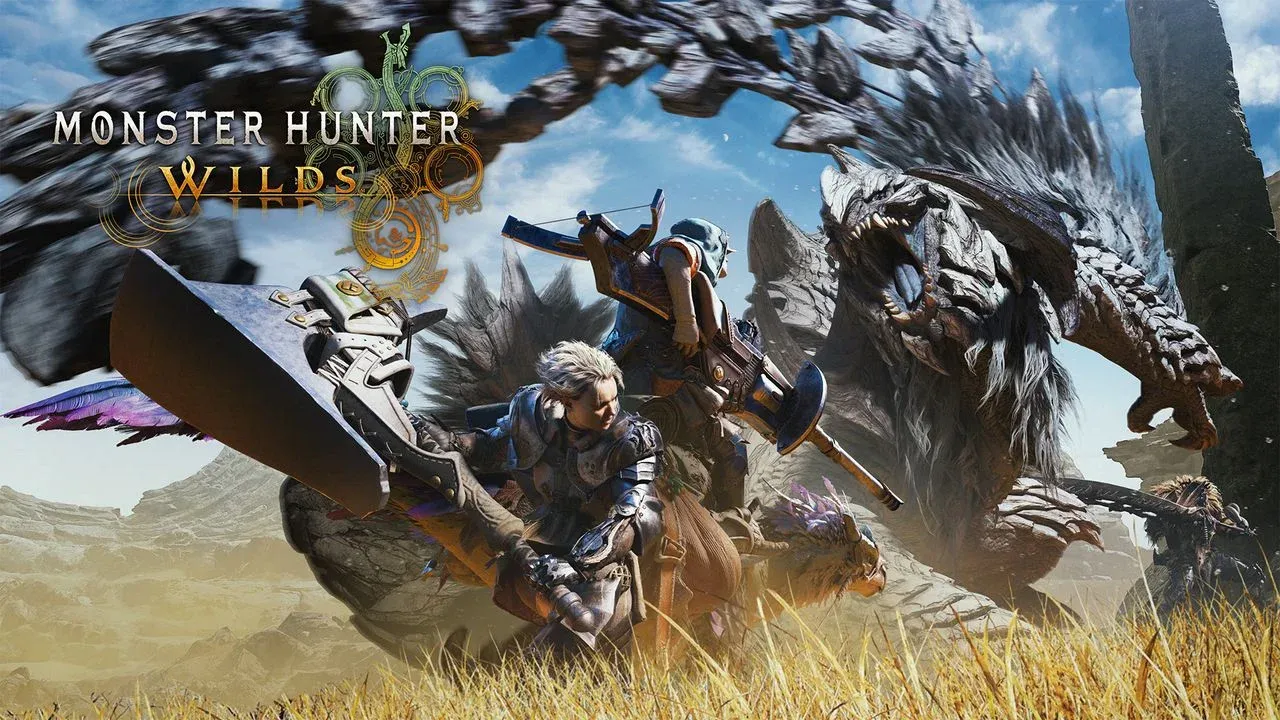
Monster Hunter Wilds launched on PC in early 2025 with well-documented performance problems. Frame rate issues, stuttering, and optimization complaints dominated the conversation for weeks after launch. And yet, Steam still generated more than twice PlayStation's revenue share for the full fiscal year.
That's partly a function of how large the PC player base has become for Capcom, and partly a reflection of how much the rest of the catalog compensates. Devil May Cry 5 reportedly had its best sales year ever in the same period, buoyed by deep discounts and renewed interest following the Netflix anime series. The Resident Evil franchise, meanwhile, continues to sell consistently across both new releases and older titles like Resident Evil 5, which has accumulated a dedicated PC following through co-op play and modding.
The broader shift in how Japanese publishers treat PC
Capcom's position today looks very different from where it was a decade ago. Final Fantasy 13 took nearly five years to reach PC. Monster Hunter World's PC release came almost a year after console. Persona 5 took even longer. The industry-wide shift toward day-and-date PC releases has been a significant factor in changing the revenue math, and Capcom is one of the clearest beneficiaries.
The key here is that PC players tend to stick around. A game that launches on PlayStation generates most of its revenue in the first few weeks. On Steam, catalog sales extend that revenue curve considerably. Capcom now explicitly expects its PC sales ratio to continue increasing, which means this gap between Steam and PlayStation revenue is likely to widen rather than close.
For players looking to get into the franchise or revisit older entries, the Resident Evil 5 guides collection is a solid starting point, and the full range of Capcom titles on Steam offers plenty to work through while waiting for what comes next from the publisher. Check out more gaming guides for coverage across the rest of the catalog.