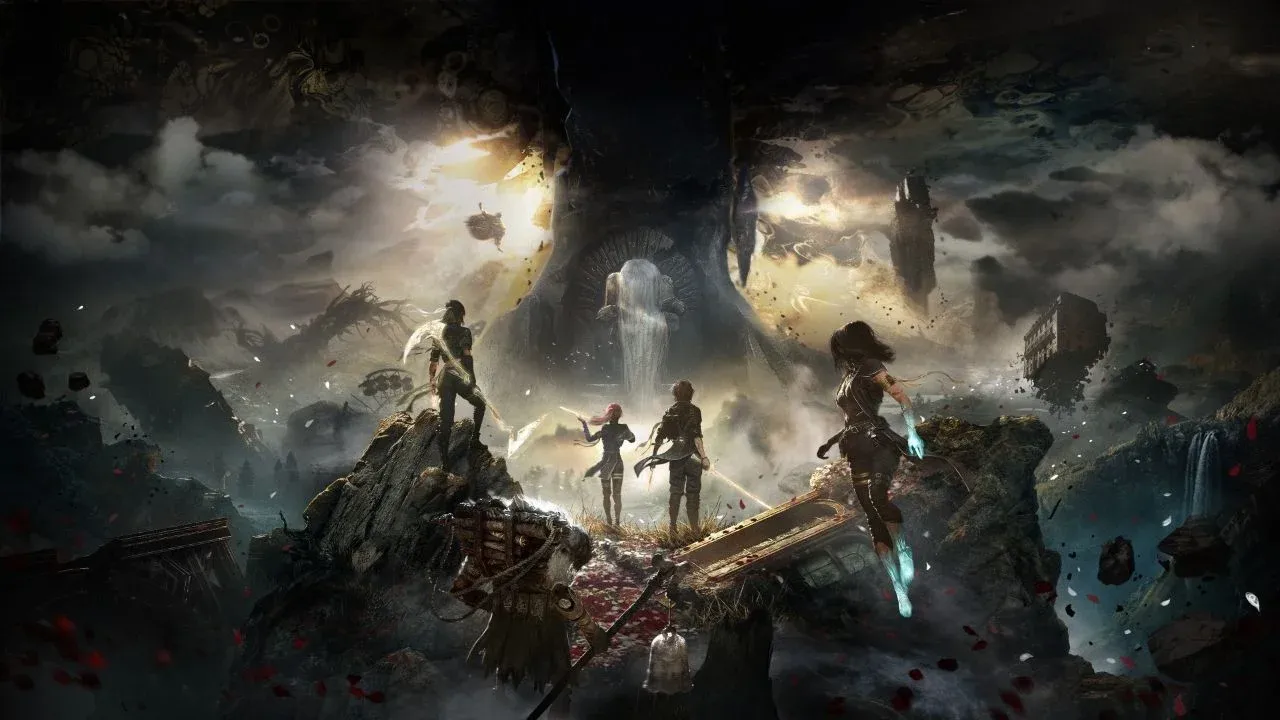


Sandfall Interactive creative director Guillaume Broche has come out and said something most developers would never admit publicly: the flaws in Clair Obscur: Expedition 33 were deliberate, and he wouldn't have it any other way.
In a recent interview with YouTube channel Konbini, Broche laid out his philosophy on game design with a directness you rarely hear from a debut studio riding a wave of critical success. His argument, stripped down: games that sand off every rough edge in pursuit of polish tend to lose whatever made them interesting in the first place.
The perfection problem
"Games that try to be perfect, that try to fix all their flaws, they're usually just really boring," Broche said. He backed it up with a personal analogy that's hard to argue with: "My theory is that it's just like people. People who try to be perfect are boring because they have no personality. Whereas people who embrace their slightly weird side, in the end, are the interesting ones."
His reference point for inspirational imperfection? The infamous Devil May Cry scene where Dante shouts "I should've been the one to fill your dark soul with light!" Broche called games with that kind of unguarded weirdness "really endearing," saying that seeing a game's flaws and not caring about them is part of what makes you connect with it.
Here's the thing: that's not just a cute philosophical stance. It's a description of exactly how a lot of players experienced Expedition 33.
Minigames nobody asked for, and Sandfall knew it
Broche was specific about where those intentional rough edges show up in Expedition 33. The minigames, which frustrated a notable chunk of the player base, were never expected to land smoothly. "We knew when we were making them: it was going to be unbearable, people were going to lose it, but it's part of the fun. We thought it was funny. And, well, it's imperfect, but whatever, we're putting it in."
That's a remarkably candid admission. Most studios would patch something like that out after launch feedback, or quietly remove it in a post-release update. Sandfall shipped it anyway because they thought the chaos was funny. The key here is that this wasn't accidental jank, it was a conscious creative call.
Why this matters beyond one game
Broche's comments land at an interesting moment for the industry. A lot of big-budget releases spend enormous resources on accessibility options, difficulty scaling, and friction removal, all in service of making sure nobody bounces off the experience. The result is often games that feel competent but forgettable.
Expedition 33 went the other direction. It asked players to parry in a turn-based RPG. It put in minigames the developers themselves described as unbearable. It shipped with design decisions that, as Broche put it, "from an outside or business perspective, make no sense at all." The game still connected with a massive audience.
What most players miss when they talk about why Expedition 33 worked is that the weirdness and the emotional resonance aren't separate things. The game's willingness to be awkward in places is part of why its bigger swings feel earned. You can read more about how those systems come together in our in-depth review.
Broche isn't arguing that developers should ship broken games and call it art. The distinction he's drawing is between imperfections that come from genuine creative conviction and the kind of sanitized smoothness that results from designing by committee, testing every edge case to death, and removing anything that might make someone uncomfortable.
If you're just getting into Expedition 33 and want to understand its systems before the rough edges catch you off guard, the beginner's guide is a good place to start before the game's more demanding encounters hit.