
The moment Sony confirmed it will stop producing physical game discs for PlayStation by 2028, the discourse exploded. Petitions, cancellations, forum threads. And somewhere in the middle of all that noise, Circana analyst Mat Piscatella dropped the coldest take of the year.
"You can love your preferred video game ecosystem, franchise, or whatever all you want. You can think your years of customer loyalty should/will be reciprocated. But these businesses don't love you back. You're a number on a spreadsheet."
That's not cynicism. That's just the business model.
The math that killed the disc
Here's the lowdown on why Sony made this call, and why it was never really a close decision.
When a $70 game sells at retail on a physical disc, Sony walks away with roughly $45.50. The retailer takes around 30%, and manufacturing eats another 5%. Sell that same game digitally through the PlayStation Store, and Sony keeps the full $70. Every single dollar.
For third-party games, the gap is just as stark. A disc sale of a game like Call of Duty nets Sony a licensing fee of around 15%. A digital sale through the PlayStation Store earns Sony its standard 30% platform cut, which works out to $21 on a $70 game. That's a 100% improvement in Sony's take, on someone else's game.
Multiply those margins across hundreds of millions of transactions annually, and the disc starts looking like a very expensive tradition.
Why 500,000 cancellations won't move the needle
Dr. Serkan Toto of Kantan Games put it plainly: Sony knew exactly how players would react to this announcement, and they made the call anyway. The company has over 120 million active PlayStation users and roughly 50 million PlayStation Plus subscribers. Even if 500,000 people cancelled their subscriptions in protest, that's 1% of the subscriber base.
One percent.
Toto's read is that Sony is simply waiting for the outrage cycle to burn out. The financial upside of going all-digital is too large to be reversed by community backlash, no matter how loud or organized it gets. More than 225,000 people have signed a petition asking Sony to keep physical games, which is a real number, but it represents a fraction of Sony's active user base.
Piscatella also flagged that with next-gen hardware like the PS6 and Microsoft's Project Helix potentially pricing at $1,000 or more, platform holders are going to look for margin improvements wherever they can find them. Cutting discs is one of the cleaner ways to do that.
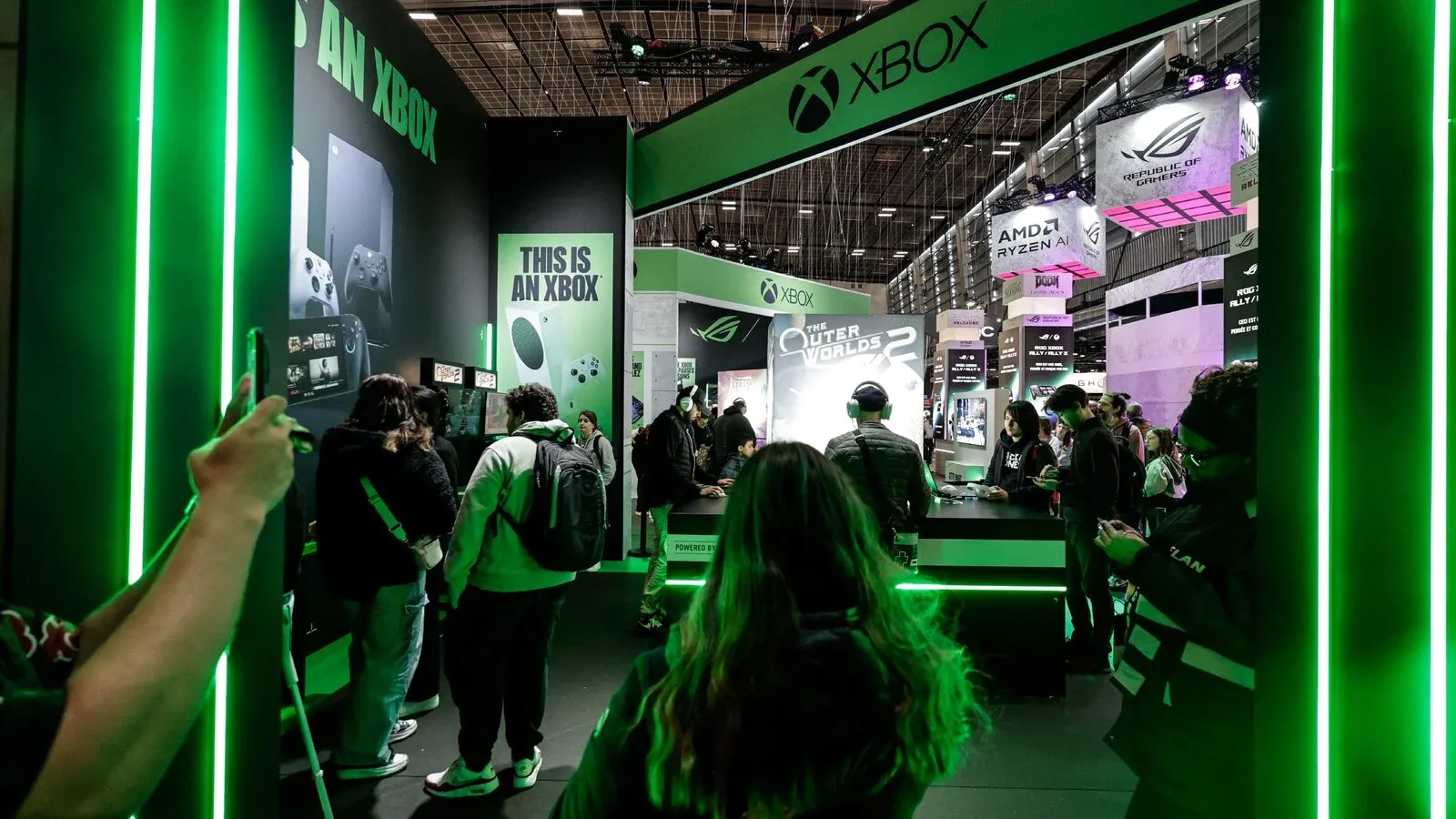
Microsoft hasn't confirmed anything, but the direction is clear
Xbox hasn't made a formal announcement about ditching physical media for its next console. That said, the trajectory of digital game sales across every major platform points in one direction. Physical game sales have been declining steadily at Sony, Microsoft, Nintendo, and third-party publishers for years.
The question for Microsoft isn't really if, it's when. And if Sony moves first and absorbs the backlash, Xbox following suit becomes a much easier decision to make.
For players who want to optimize their experience on current hardware while this transition plays out, our best PS5 and Xbox settings guide for Battlefield REDSEC is worth bookmarking. Squeezing performance out of the hardware you already own matters more when the next generation's price tag looks increasingly steep.
What this means for game preservation
The financial logic is airtight. The cultural cost is harder to quantify.
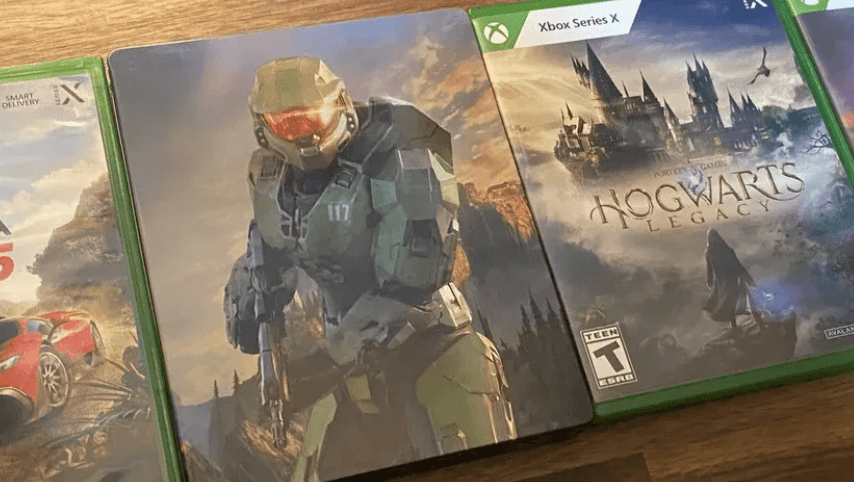
Physical media has historically served as a safety net for game preservation. When servers go offline, when licensing deals expire, when studios shut down, the disc version of a game often survives. An all-digital library tied to a platform account is only as permanent as the platform itself.
Sony still sells many millions of physical discs annually. There's genuine demand. But demand and profitability are two different conversations, and right now Sony is only having one of them.
The same dynamic plays out across gaming. Whether you're squeezing 60 FPS out of a handheld with an ROG Xbox Ally X settings guide or debating whether Marvel's Wolverine works as a linear experience, players are constantly adapting to decisions made in boardrooms. Piscatella's point isn't that you shouldn't care about your platform. It's that caring doesn't factor into the spreadsheet.
The disc era on PlayStation ends in 2028. Keep an eye on Microsoft's next hardware reveal for confirmation of which direction Xbox follows. Our gaming guides hub will have coverage as both platforms move toward their next generation.