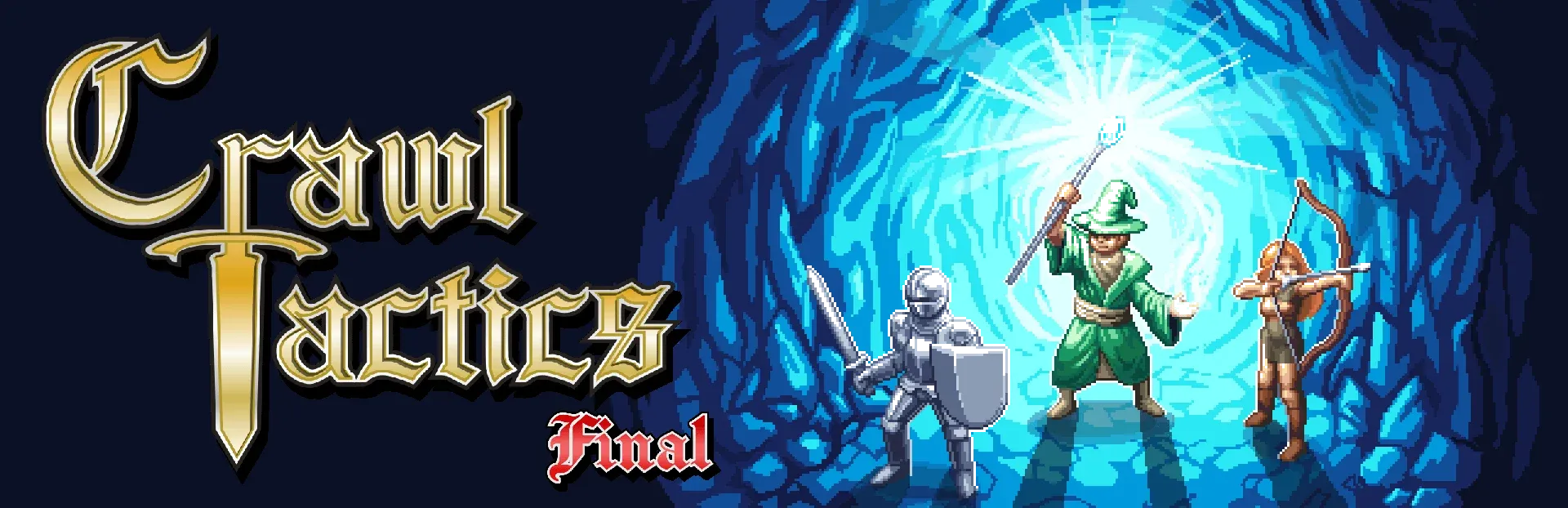


The turn-based tactics genre has been quietly thriving on mobile, and Crawl Tactics is the latest game to throw its hat into the ring. Drawing immediate comparisons to Final Fantasy Tactics and Into the Breach, the game arrived on iOS and Android with a lot of genre pedigree to live up to. The early community verdict? Genuinely impressive depth, held back by some real rough edges.
If you enjoy DuneCrawl and similar titles that reward careful positioning and tactical thinking, Crawl Tactics is squarely in your wheelhouse. The question is whether the execution matches the ambition.
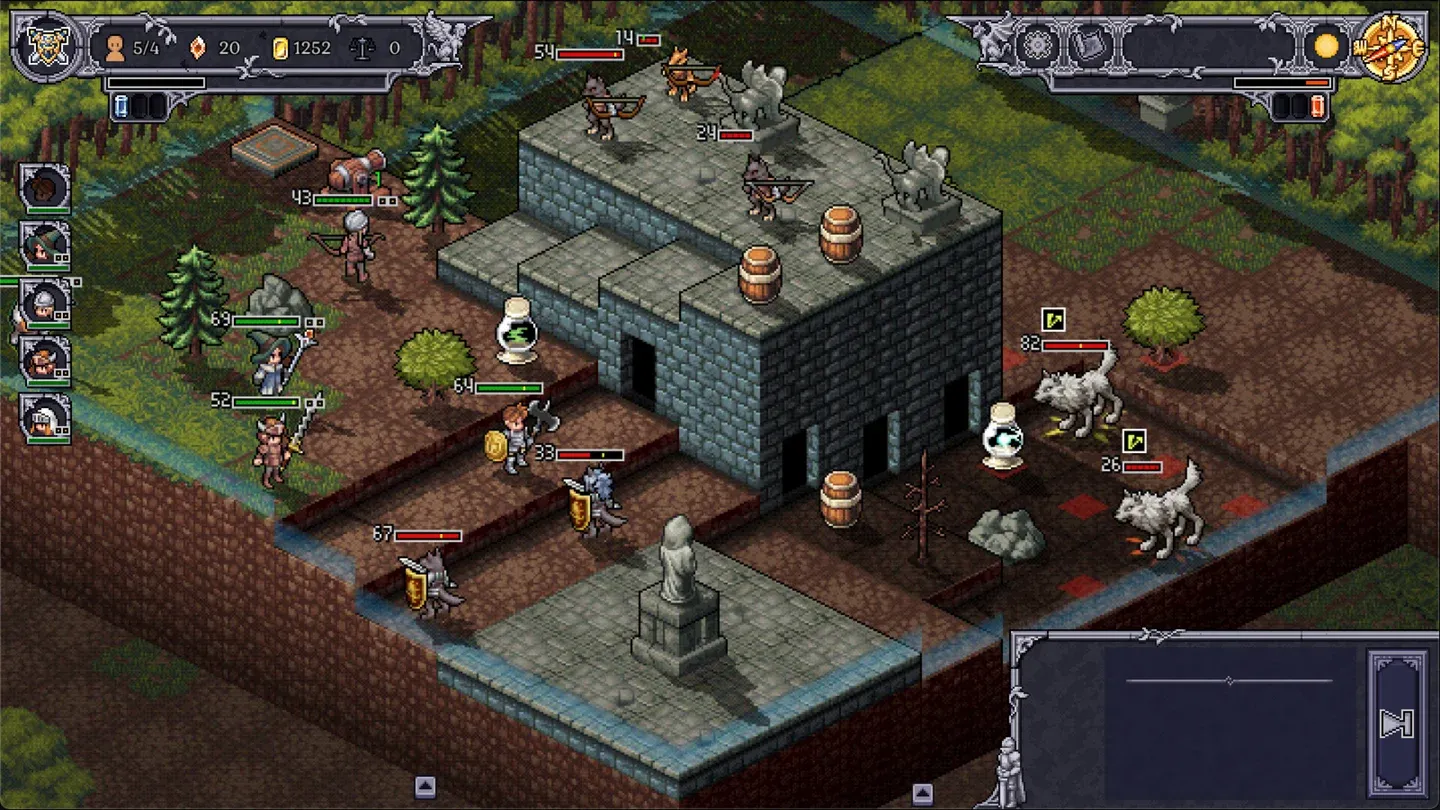
Terrain flattening in action

Use code TRYHARD33 at checkout to redeem this offer before code expires again.
Get 33% Off GAMES+ Subscription
What the combat actually does well
Here's the thing: when Crawl Tactics clicks, it really clicks. The game structures play across three distinct phases. An Explore Phase for scouting, a Battle Phase where you set up your team, upgrade classes with earned EXP, and fight using an AP system, and a Village Phase for building and upgrading your home base. That loop gives the game a satisfying rhythm that goes beyond pure dungeon-crawling.
The environmental combat is where Crawl Tactics genuinely earns its comparisons to the classics. Players can trigger traps, ignite flammable surfaces, fire cannons, and detonate thunder pots to chain electricity through water and shock groups of enemies simultaneously. The high ground mechanic also rewards smart positioning, much like the elevation system that defined Final Fantasy Tactics.
One standout quality-of-life feature is the two-finger swipe to flatten terrain height, which eliminates the camera-angle frustrations that have plagued tactics games for decades. That alone signals some thoughtful design work under the hood.
The mobile UI problem that keeps coming up
Multiple players flagged the same issue independently: the interface feels like it was designed for a larger screen and then ported to phones rather than built for mobile from the start. On iPhone, tutorial text occasionally disappears behind the Dynamic Island, forcing players to rotate their device mid-tutorial. That is a fixable bug, but it is the kind of thing that should not ship.
The button layout on smaller screens feels cramped, and the item system drew specific criticism for requiring players to place objects on a tile before using them, adding unnecessary steps to an already busy UI. Players who switched to iPad reported a noticeably better experience, which confirms the issue is screen real estate, not the game design itself.
Class and gear customization
Where the roguelike structure creates friction
The genre-faithful crowd has a specific complaint: the randomness. Because enemy placement and hero strengths are both generated procedurally, you can end up in situations where your team's strengths simply do not match what the game throws at you, and there is no way to guarantee a good matchup. For players who love Tactics Ogre or Advance Wars style puzzle-like battles with fixed solutions, that unpredictability feels less like challenge and more like luck.
The Quest Mode also drew some disappointment. Players expecting a story-driven campaign found it fairly sparse on narrative content. The Dungeon Mode delivers on its promise of clean, focused tactical combat, but Quest Mode feels like it is still building toward something rather than delivering it.
What most players miss at first is that the environmental tools are the real equalizer. Once you start using hazards and terrain to compensate for unfavorable matchups, the win rate improves significantly. The game rewards experimentation more than it punishes bad RNG, but that takes time to internalize.
Depth vs. soul: the real debate
The sharpest criticism from the community is not about bugs or UI. It is about atmosphere. Crawl Tactics packs in classes, weapons, magic systems, destructible environments, multiple modes, and biome variety, but several players noted that the systems feel disconnected from any larger world or story. The fights can be spectacular, but without a narrative thread to follow, the motivation to push forward fades faster than it should for a game with this much mechanical depth.
That is a harder problem to patch. It is the difference between a game that is technically solid and one that players genuinely want to return to.
The verdict from the floor
Crawl Tactics is a game that genre fans will find a lot to work with, and a game that casual tactics players may bounce off quickly. The combat system has real depth, the environmental interactions are creative, and the production quality is higher than most mobile tactics releases. The UI issues on smaller phones are real but patchable. The lack of narrative weight is a bigger long-term concern.
If you want to sharpen your tactics game instincts while waiting for updates, the DuneCrawl beginner's guide covers crew management and dungeon survival strategies that translate well across the genre. Crawl Tactics is available now on iOS and Android, and the developer has enough of a foundation here to build something genuinely special if the content roadmap delivers.