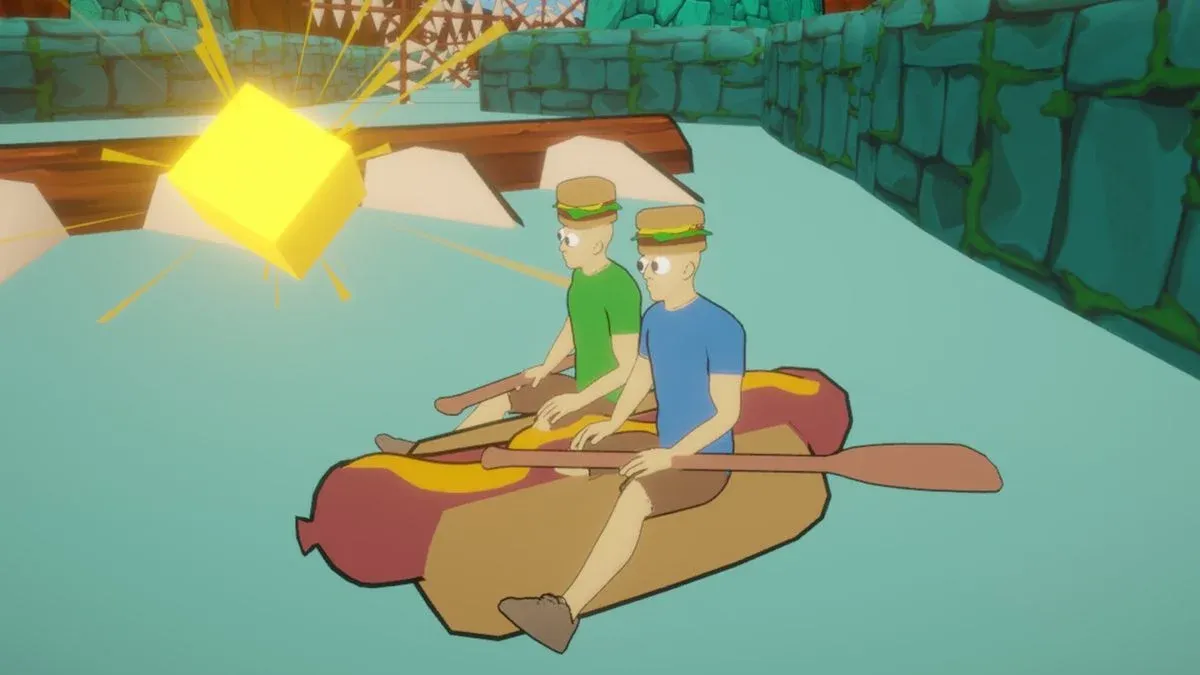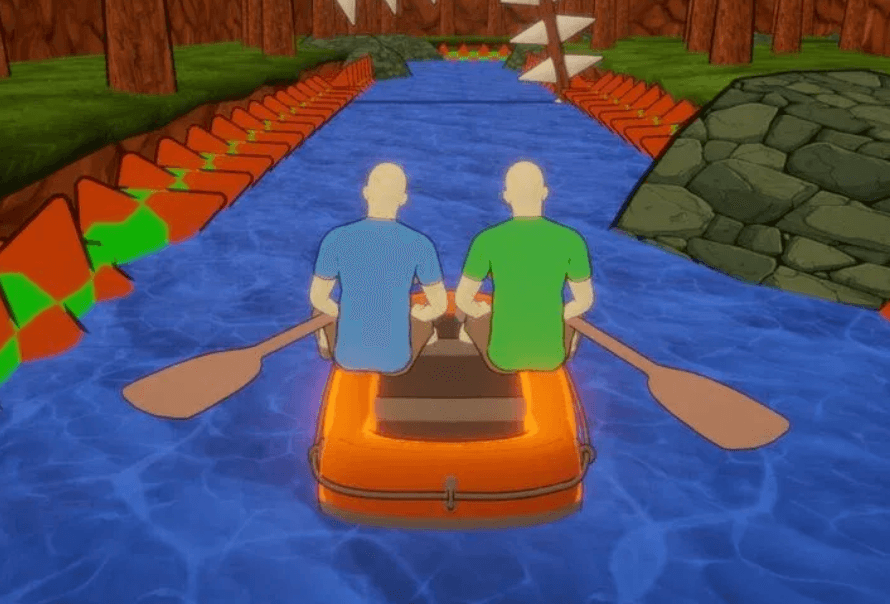

Solo developer Mateo Covic built a co-op rafting game, watched it pull 270,000 sales and sit at 90 percent Very Positive on Steam, and still ended up processing 55,000 refunds. That 21 percent refund rate is the number he keeps coming back to, and the reason he went public with his frustration earlier this month.
Covic, who makes games under the Zoroarts handle, designed Paddle Paddle Paddle with roughly 3.5 hours of content for the main level, plus a free demo stage that takes around 40 minutes. The problem: skilled players and speedrunners were clearing it in under two hours, which puts them squarely inside Steam's standard refund window.
The policy that made his game possible, and cost him the most
Steam's refund system is straightforward. Request within two weeks, with less than two hours logged, and you get your money back with no explanation required. Covic says he is fully in favour of refunds in principle, but the "no questions asked" execution is where things break down for short games.
"I'm 100% pro refund but the current policy just makes it super easy for players to abuse this rule," he wrote on Twitter. He pointed to dozens of Steam reviews where players left positive feedback and openly mentioned requesting a refund in the same breath, something he described as something that "should not be possible."
Here's the thing: his frustration is understandable, but the counter-argument landed just as fast. Game marketing consultant Indie Game Joe pushed back publicly, noting that the same policy is "part of the reason he got 270k sales" in the first place. Buyers are more willing to try an unknown indie game when they know a refund is available if it falls flat.
What players actually said in those reviews
Not every refund came from someone who finished the game and walked away happy. At least one Steam reviewer made a point of clarifying their refund had nothing to do with the game's length, calling it "low effort ragebait streamer trash" and saying the movement felt janky. That reviewer specifically pushed back on Covic's framing, arguing that the developer "made the wild leap that all or most of the 55,000 refunds were due to" speedrunning, rather than genuine dissatisfaction.
Covic acknowledged he has no way to know how many of those refunds came from people with legitimate complaints versus people who simply played the game to completion and claimed a refund because the system allowed it. Steam shows him refund reasons, but players can select any listed reason without leaving a comment, which makes the data unreliable.
The backlash that followed his tweet
Posting publicly about refund abuse turned out to have its own cost. Covic says the Twitter thread triggered a wave of hateful DMs and a review bomb that pushed Paddle Paddle Paddle's recent reviews from Very Positive to Mixed. He walked back any suggestion that he wanted the refund policy removed entirely, saying that was never his point.
"Many people think that I'm a complete asshole now and want to remove the refund policy in general but that was never my intention," he said.
The key here is the distinction he was trying to draw: refunds for genuine reasons (misleading store pages, technical problems, games that simply do not work) versus refunds used as a free play window by players who enjoyed the game and left positive reviews. Steam's system currently cannot separate the two, and Covic argues that gap is what needs fixing.
This tension is not new. Short indie games have always sat awkwardly inside a refund window designed for a different era of PC game pricing. Valve generated a record $11.1 billion in revenue in the first half of 2026, which makes it hard to argue the platform is struggling, but that scale does not automatically resolve the structural mismatch for solo developers shipping sub-three-hour experiences.
For anyone building or playing short games on Steam, it is worth staying across how refund patterns can affect a game's visibility and review score long after launch. If you want to dig into other aspects of managing game economies and player systems, the gaming guides section has plenty of practical reads. And if you are playing something like Starfield and want to make the most of your in-game economy, the Starfield credits farming guide is a solid starting point for understanding how in-game resource loops work. The broader conversation around what players owe developers after finishing a short game is not going anywhere, and Valve has yet to comment publicly on Covic's specific request.