
Here's the lowdown: if you buy a game, play it, enjoy it enough to leave a positive review, then immediately refund it because you technically can, a developer somewhere is watching that happen in real time.
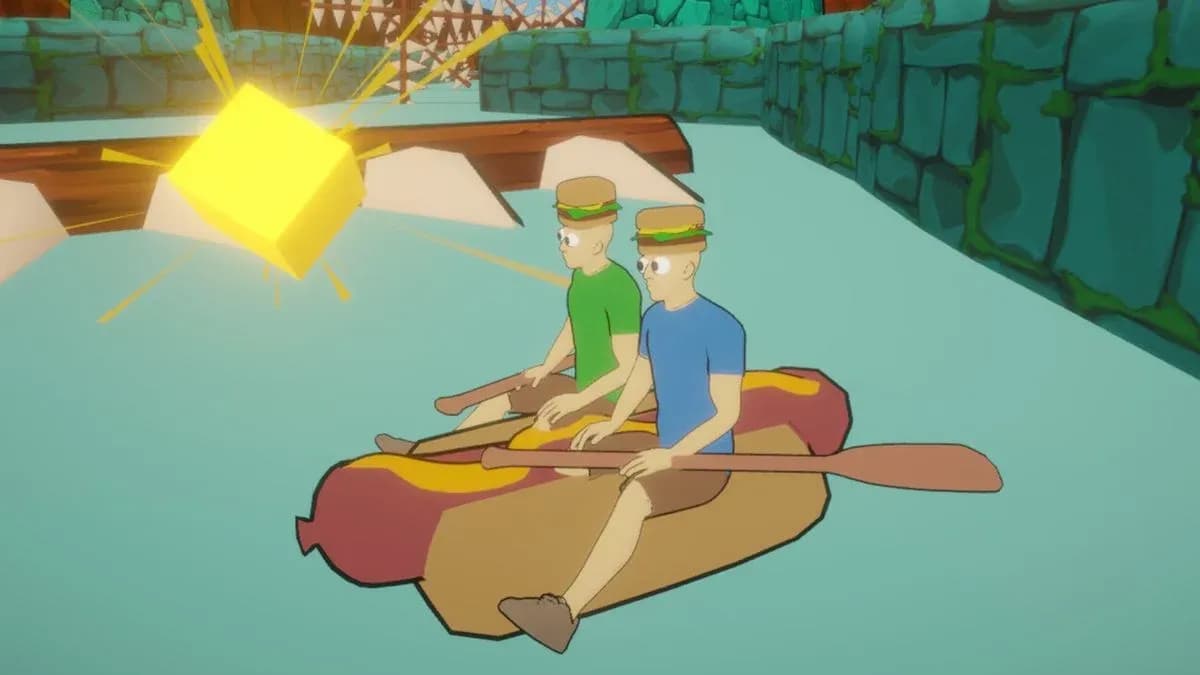
That's the situation Mateo Covic, developer of the rage game Paddle Paddle Paddle from studio Zoroarts, found himself in this month. Over 55,000 players refunded his game, and some of them bragged about it in the reviews. His public response went viral fast, and not entirely in a good way.
What Covic actually said, versus what people heard
The backlash framed Covic as someone who wanted to dismantle consumer protections entirely. That's not quite right. His actual position is more specific: Steam's refund system exists for legitimate reasons, and people exploiting it as a free-play window are misusing something that was built to protect buyers.
"I'm 100% pro refund but the current 'no questions asked if you request a refund within two weeks and with less than two hours of playtime' policy just makes it super easy for players to abuse this rule," Covic said.
He pointed directly to Valve's own refund policy, which explicitly states the system is not intended as a way to get free games and can result in refund privileges being revoked for players who misuse it. His argument isn't that refunds are bad. It's that the gap between what the policy says and how some players use it is wide enough to drive a boat through.
The review bomb and the fallout
Covic's original post drew more "hateful DMs and insulting comments" than anything he'd experienced before. Paddle Paddle Paddle went from Very Positive recent reviews on Steam to Mixed ones after the controversy. He acknowledged the situation directly: "Many people think that I'm a complete asshole now and want to remove the refund policy in general but that was never my intention."
He called it a learning experience and said he'll think carefully before making a public statement like that again.
The irony is pretty clear. A developer expressing frustration about players refunding a game they enjoyed got review bombed by players who, presumably, had opinions about his takes on refunds. The response became its own argument for his point.
The numbers that actually changed his perspective
What most players miss in this story is that Covic did the math and came out less upset than he started. After looking into industry norms, he found that a 20% refund rate is fairly standard for rage games, and around 10% is the baseline for games on Steam generally. With 270,000 units sold, 55,000 refunds sits within that range.
"Overall, a refund rate of 10% is normal for games on Steam. I'm super grateful for the game's success after all," he said.
He also credited the game's price point, not the refund policy, as the real driver of sales. At $2.99 on sale, people didn't need much convincing. "When they found out about the price they were willing to try it out right away" was how he put it. That's a useful reminder for any indie dev thinking about pricing strategy, and if you're building out revenue tactics in other games, our how to make money fast guide for House Flipper Remastered Collection covers some interesting parallels in how low price points and discoverability interact.
The short game problem no one is fixing
The part of Covic's argument that holds up regardless of the broader debate is the structural issue it points to. If developers start padding out games to push past the two-hour refund window, that's a direct response to a policy design, not a creative decision. Covic said he worries Steam's current setup could discourage short games as a format.
He's not wrong to flag it. Short games are a legitimate category. Some of the most memorable experiences on Steam clock in under two hours. A system that inadvertently punishes brevity creates a quiet pressure toward bloat.
His other concern is data quality. Valve's refund system lets players select a reason from a dropdown, but there's no verification. "I don't know how many people really refunded my game with a true reason since you could just lie and choose one of the possible refund reasons," he said. He specifically mentioned that seeing refunds tagged as "too difficult" would actually help him improve the game, but only if those tags are accurate.
What this means for indie devs watching closely
Paddle Paddle Paddle ended up changing Covic's life in a real way. It let him quit other work and focus on games full-time, and making short games has become both a specialty and a genuine focus for him after years working on the hybrid action title Makis Adventure. The refund controversy didn't undo that.
The key here is that this story isn't really about one game or one developer. It's about a structural tension that every short-form indie dev on Steam navigates. The refund window that protects buyers from bad purchases also creates a mechanism that, used a certain way, lets players treat short games as demos they never intended to pay for.
Valve hasn't responded publicly to Covic's original post or his follow-up comments. Whether that changes is worth watching, especially as more short games find audiences on Steam. For more context on how developers and players interact with platform economics, browse our gaming guides for ongoing coverage across the industry.