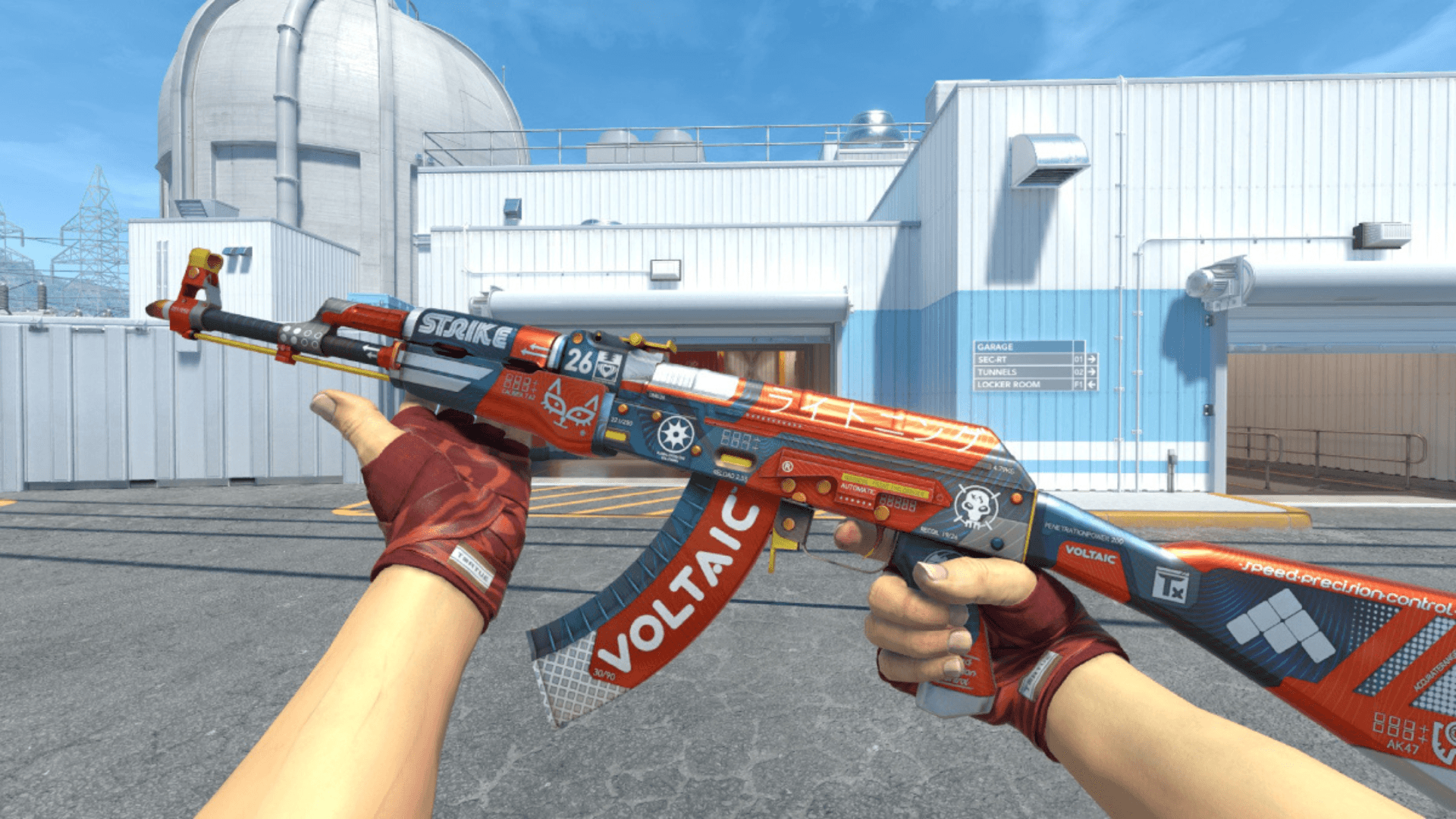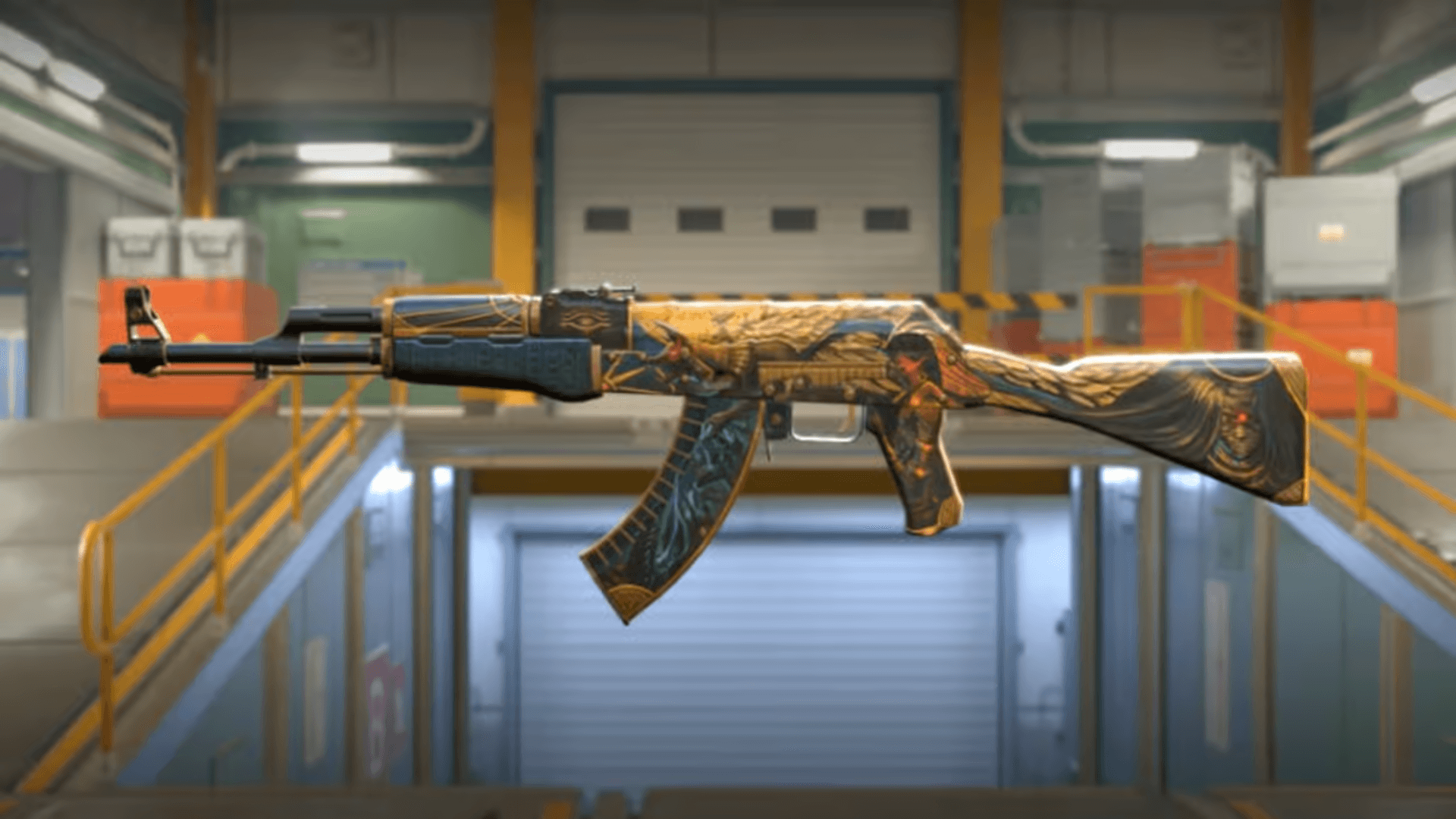

Valve's latest CS:GO patch has sent shockwaves through the game's skin economy. The update altered the Trade Up Contract system, introducing a new path for players to obtain StatTrak knives, regular knives, and regular gloves by exchanging five Covert-quality items. These top-tier cosmetics have historically commanded the highest prices in a trading ecosystem worth billions of dollars.
The market responded immediately. High-value knives and gloves dropped between 40 and 50 percent in price within hours. Early estimates suggest the total skin market lost more than $2 billion in value — approximately 30 percent of its total capitalization — in a single day. At the same time, Covert skins skyrocketed in demand as players rushed to exploit the new upgrade pathway.
Price Volatility Hits Traders Hard
The change caught most traders off guard. For years, acquiring premium knives and gloves meant either paying steep prices or gambling on case openings with abysmal odds. Now, players can sidestep those barriers by trading up cheaper Covert skins instead, fundamentally altering the supply-demand equation.
Adding fuel to the fire, the standard one-week trade restriction on Trade Up Contract outputs appears to have been lifted. Newly created premium items can now be traded immediately, enabling rapid flipping and accelerating the flow of supply into the market.
While some traders viewed the price collapse as catastrophic, others framed it as a temporary correction. Market analysts predicted that values would stabilize with only modest long-term depreciation, arguing that the extreme initial drop doesn't represent a permanent crash.

Centralized Decisions and Their Consequences
The update has sparked broader conversations about centralized control in virtual economies. Industry figure Ryan Wyatt pointed out that Valve's unilateral decision demonstrates how easily a game studio can obliterate billions in virtual asset value with a single patch.
CSFloat's data revealed that roughly 20 million eligible Covert skins exist in circulation. If every one were traded up, the supply of knives and gloves could theoretically double. Even if that scenario remains improbable, the sheer volume explains why traders reacted so aggressively to the supply shock.
A Familiar Story for Digital Asset Markets
As panic spread across Reddit and trading forums, some observers drew comparisons to NFT market dynamics. Both ecosystems rely on perceived scarcity and speculative momentum, and both are vulnerable to sudden volatility. The critical difference: CS:GO skins exist entirely within Valve's centralized infrastructure. Players don't hold blockchain-based ownership, and policy changes aren't governed by smart contracts or community votes.
This has reignited debates about digital ownership in gaming and comparisons with web3 models where rules can be locked through decentralized governance. Still, analysts note that only a small fraction of on-chain games offer those guarantees, and they remain niche compared to mainstream titles like CS:GO.
Looking Ahead
The full impact of the update is still unfolding, but the event has already become a landmark moment in digital item trading history. Valve's move reinforces that virtual item markets remain highly volatile and ultimately subject to the whims of the developers who control them. Some traders are waiting for stability to return. Others see the patch as a stark reminder that speculation in centralized ecosystems carries inherent risks.
Frequently Asked Questions (FAQs)
What caused the CS:GO skin market value to drop?
The market declined after Valve updated Trade Up Contracts, allowing lower-priced Covert items to be exchanged for high-value knives and gloves. This increased potential supply and reduced prices.
How much value was lost in the update?
Market analysts estimate more than $2 billion, or around 30 percent of the skin market's total value, disappeared in the immediate aftermath.
Why did Covert skins increase in price?
They became more desirable because they can now be traded up into the rarest items, making them key components in the new system.
Is this considered a market crash?
Some analysts describe it as a correction rather than a crash, predicting that prices will partially recover and stabilize over time.
What does this update say about digital ownership in games?
The situation highlights that in centralized ecosystems like Steam, developers can change market conditions at any time, unlike some web3 systems where governance may be decentralized.