For many Counter-Strike 2 (CS2) players, skins are more than just cosmetic upgrades — they've become digital assets with real-world value. But while Steam's own marketplace lets users trade items within its ecosystem, it doesn't allow players to cash out to real currency. That limitation has led to the rise of verified third-party services that enable players to sell CS2 skins for real money. The key is knowing how to do it safely and efficiently without risking your inventory or account.
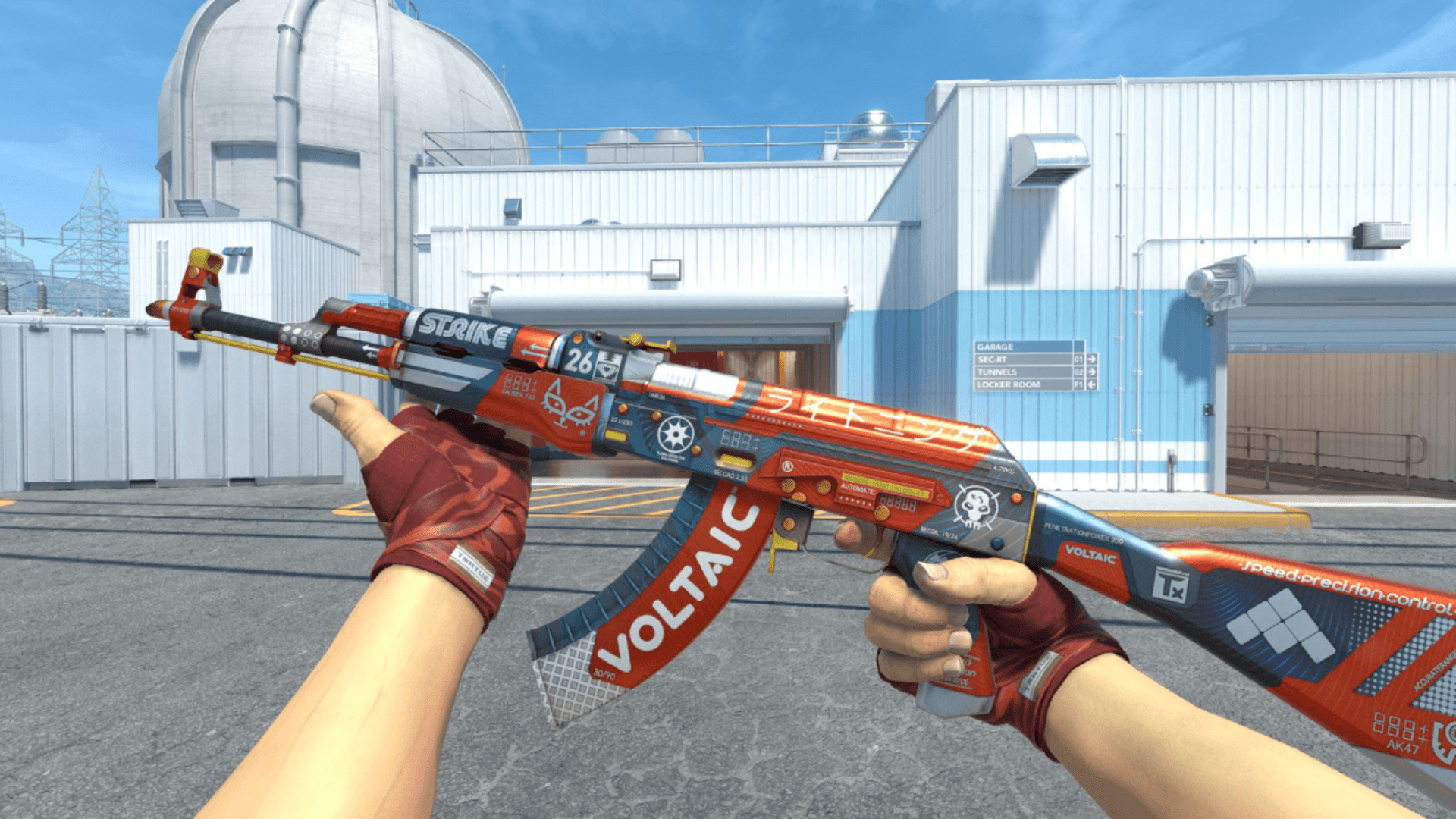
Selling and Trading Counter-Strike 2 Skins
Important Disclaimer
The information provided in this article is for educational and informational purposes only. Selling Counter-Strike 2 (CS2) skins for real money involves third-party platforms that are not affiliated with or endorsed by Valve Corporation. Readers should conduct their own research and exercise caution before engaging in any transactions.
This article does not promote, encourage, or guarantee any specific outcome or profit from trading CS2 skins. Users are responsible for complying with the terms of service of Steam and any applicable local laws or regulations related to online trading or digital asset sales.
All marketplace names, reviews, and examples mentioned are included for reference purposes only and do not constitute official recommendations. The author and publisher are not liable for any financial loss, account suspension, or dispute resulting from the use of third-party platforms or services.
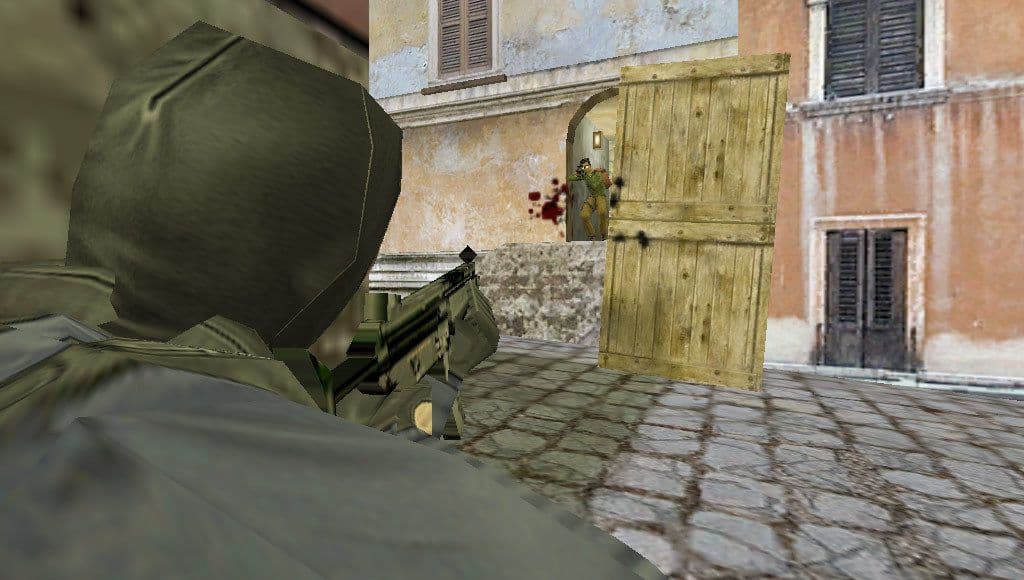
Selling and Trading Counter-Strike 2 Skins

Selling and Trading Counter-Strike 2 Skins
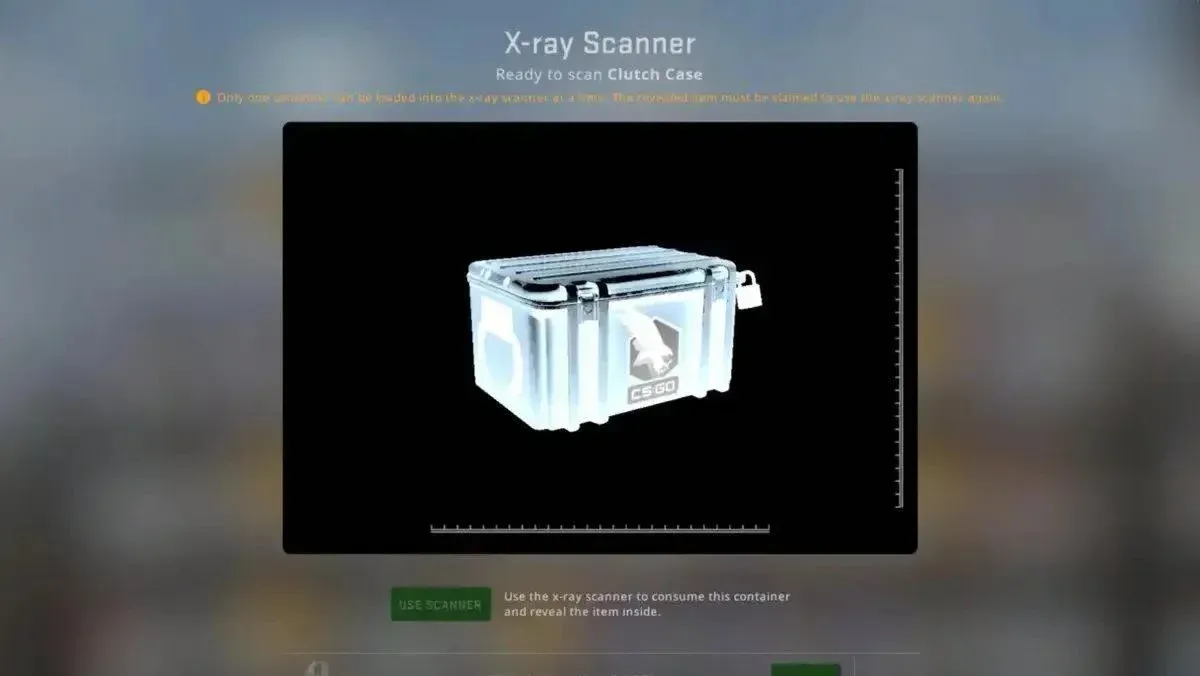
The CS2 skin economy runs on two parallel systems: Steam's built-in market and external trading platforms. Steam itself restricts all transactions to wallet credit, which locks funds inside the platform. Players who want actual cash need to step outside Valve's ecosystem and use third-party sites designed for real-money trades. These platforms handle exchanges through automated systems or direct player-to-player deals, turning in-game items into withdrawable currency or crypto.
The catch is that Valve doesn't back these external trades. That means the burden of trust falls entirely on the platform's reputation and the user's judgment. Knowing the difference between bot-driven marketplaces and manual peer-to-peer trades is the first step to avoiding trouble.
Selling and Trading Counter-Strike 2 Skins
Automated Marketplaces: Speed at a Cost
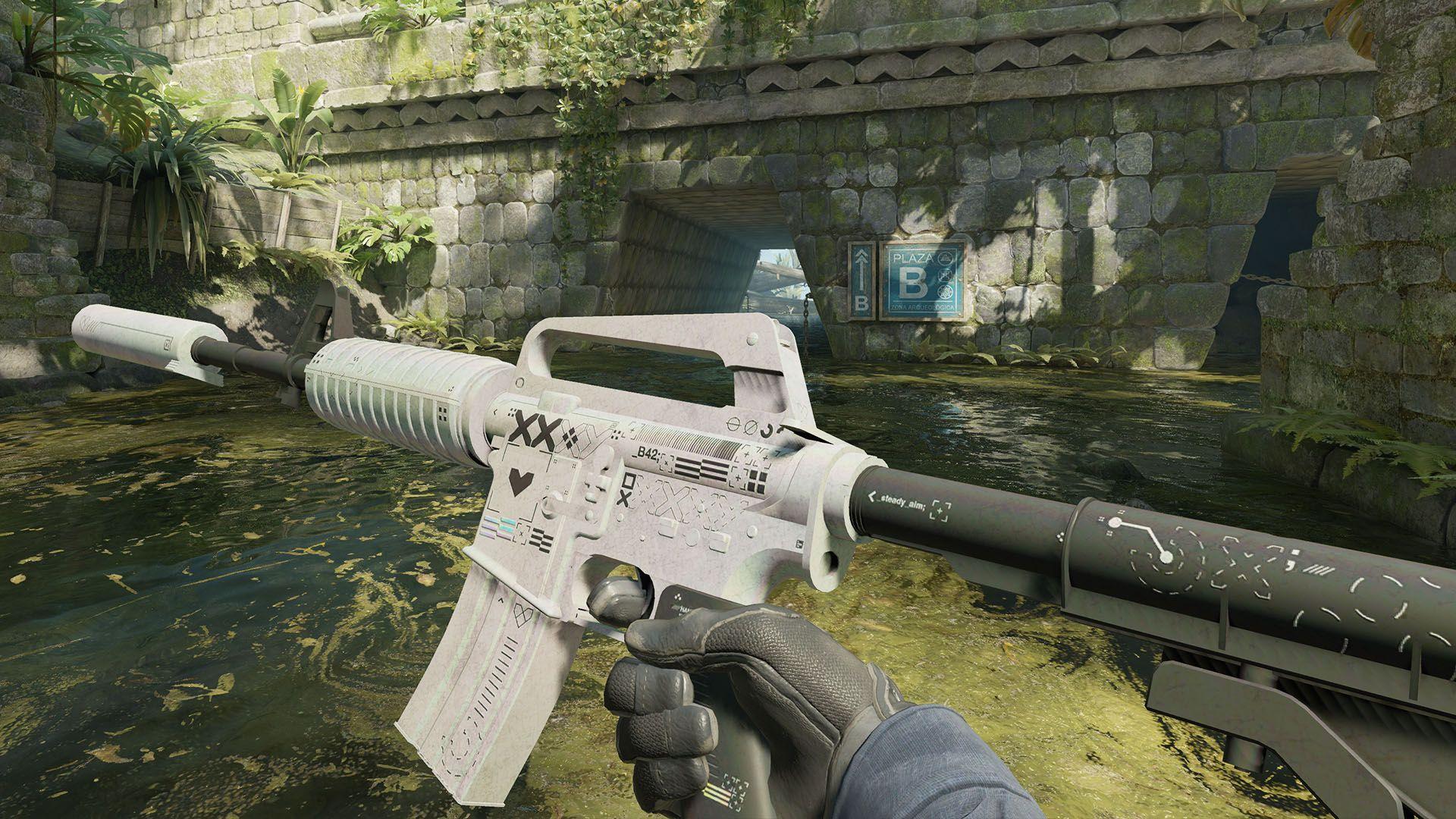
Automated marketplaces dominate the CS2 skin-selling scene because they strip out the friction. These sites use trade bots to handle every transaction, so sellers can list an item and get paid without ever talking to a buyer. The platform buys the skin, resells it, and processes payouts through crypto wallets, e-wallets, or sometimes bank transfers depending on the region.
The upside is obvious: trades complete in minutes, and the risk of getting scammed drops to near zero. The downside is equally clear. Automated platforms charge fees or offer below-market prices to cover their overhead. If speed and security matter more than squeezing out every dollar, this route works.
Tradeit is one of the more established names in this space, having launched in 2017. The platform holds a 4.7-out-of-5 rating on Trustpilot from over 19,000 reviews, with users frequently highlighting fast execution, clear pricing, and solid security. Other platforms like Swap.gg and ShadowPay offer similar services, though their fee structures and payout options vary by location.
How to Sell Counter-Strike 2 Skins
Peer-to-Peer Trading: Higher Returns, Higher Risk
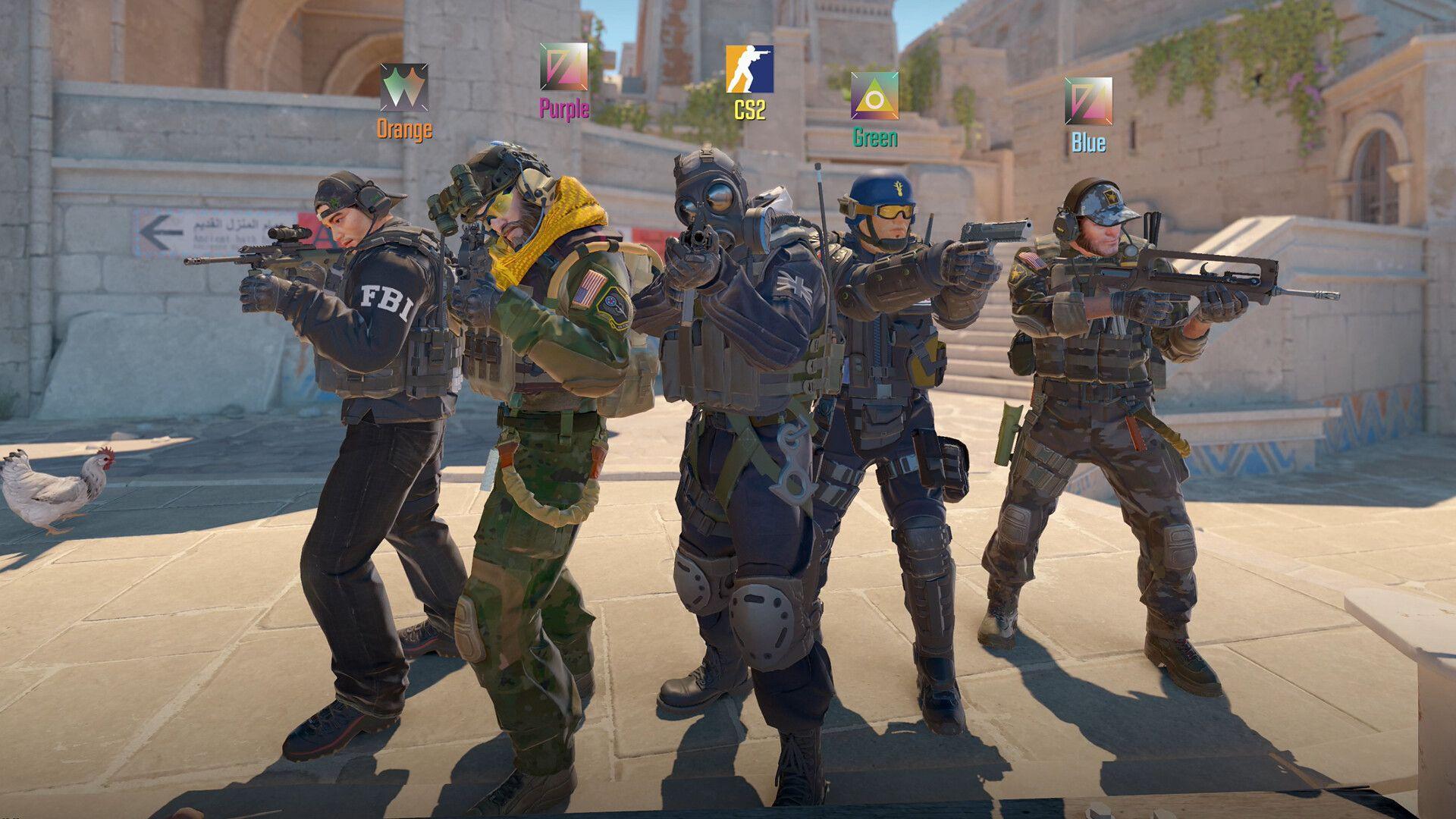
Peer-to-peer trading gives sellers more control and usually better payouts. Instead of selling to a bot, you list your skin, set your price, and wait for a buyer to agree. Once they do, payment is sent through PayPal, crypto, or an escrow service. After confirmation, you transfer the skin and the funds are released.
The problem is that every step introduces potential failure points. Chargebacks, fake payment confirmations, and outright scams are all part of the landscape. Platforms that offer dispute resolution or user reputation systems help, but they don't eliminate the risk. Sellers need to stay sharp and avoid payment methods that can be easily reversed.
Community discussions on Reddit and Steam forums consistently recommend sticking to P2P platforms with some form of buyer/seller protection. Starting with low-value trades before moving to expensive items is also a common strategy for building confidence and spotting red flags early.
Selling and Trading Counter-Strike 2 Skins
Staying Secure While Selling CS2 Skins
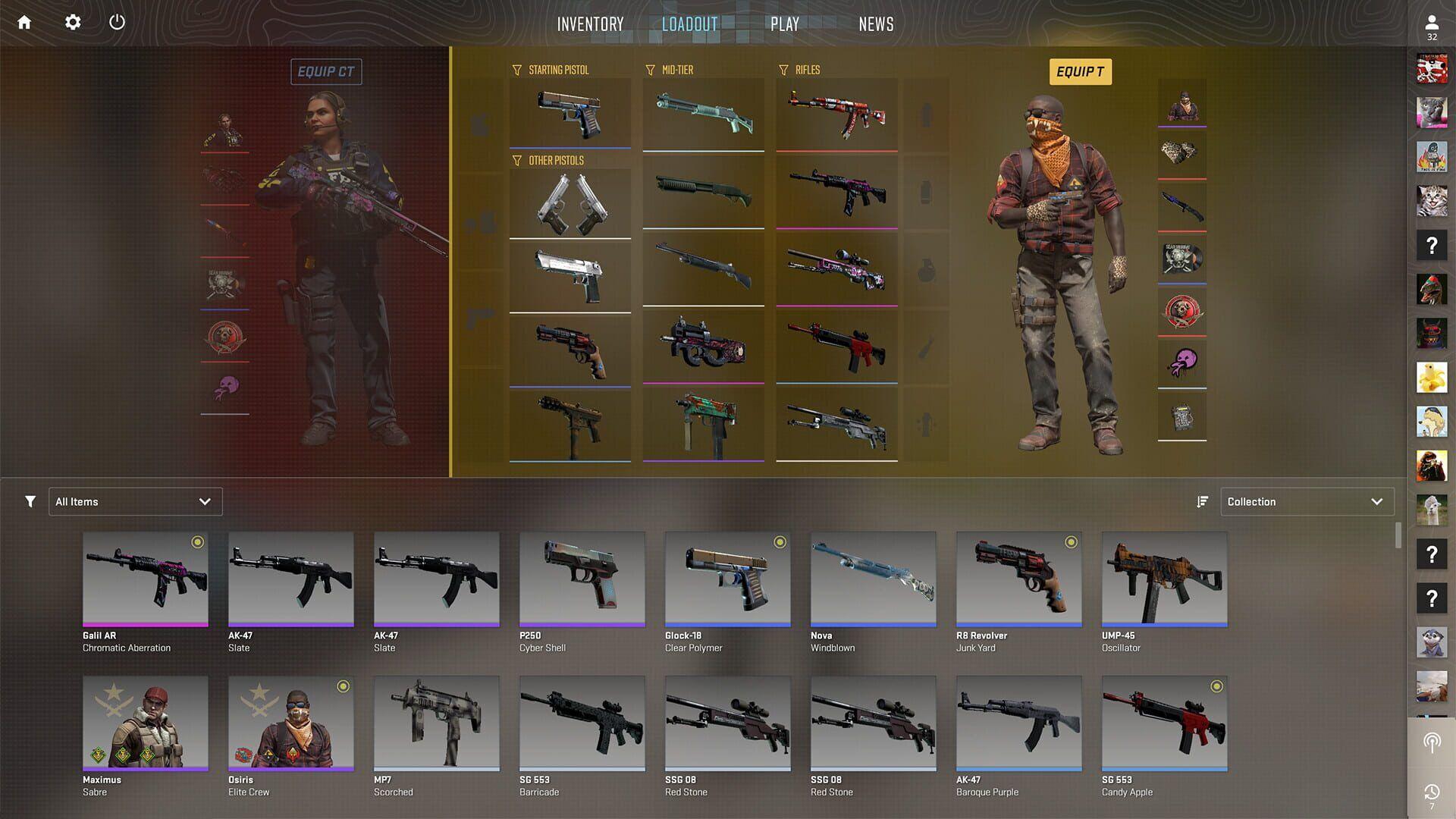
Security is non-negotiable when real money is involved. Enable Steam Guard and two-factor authentication before doing anything else. Double-check URLs to avoid phishing sites that mimic legitimate platforms. Fake login pages are everywhere, and one slip can cost you your entire inventory.
Before listing a skin, confirm the platform's withdrawal options and regional restrictions. Some sites only support crypto payouts in certain countries, which can leave you stuck if you don't check ahead. Keep records of every trade: screenshots, transaction IDs, and confirmation emails. If a dispute happens, documentation is the only thing that matters.
Timing also plays a role. CS2 skin prices fluctuate based on updates, new collections, and community events. Selling during a hype cycle can boost profits. Waiting out a slow period can help you avoid underselling a valuable item.
Selling and Trading Counter-Strike 2 Skins
The Bottom Line
Selling CS2 skins for cash is straightforward once you understand the trade-offs. Automated marketplaces prioritize speed and safety. Peer-to-peer platforms prioritize profit and control. The right choice depends on what you value more: convenience or maximum payout.
Whichever method you pick, research the platform, read user reviews, and start small. When done carefully, selling CS2 skins can be both profitable and secure.
Frequently Asked Questions (FAQs)
Can you sell CS2 skins for real money directly on Steam?
No. Steam's marketplace only allows sales in Steam Wallet funds, which cannot be withdrawn as cash. To sell for real money, users must use verified third-party platforms.
Is it legal to sell CS2 skins for cash?
Yes, but Valve doesn't officially endorse third-party transactions. It's not illegal, but users do it at their own risk.
What is the safest way to sell CS2 skins?
Automated marketplaces like Tradeit or Swap.gg are generally safer due to escrow systems and automated bot trading, which reduce the chance of scams.
Can I get banned for using third-party sites?
Using reputable trading platforms typically doesn't result in bans. However, engaging in scams or using fraudulent services can lead to account restrictions.
How are payouts usually made?
Most sites offer cryptocurrency withdrawals such as Bitcoin or Ethereum, and some support e-wallets or direct bank transfers depending on the region.
Which method gives the highest payout?
Peer-to-peer sales often yield higher returns since sellers can set their own prices. However, they also involve more time and risk.
Are instant-sell features worth using?
Instant-sell options are convenient but usually pay less than market value. They are best for users who prefer quick transactions over maximum profit.