Recent industry analysis shows that the timing of a game demo's release has become a significant factor in determining its success within the broader context of player discovery and engagement. In recent years, demos have shifted from being simple trial experiences to becoming critical tools for building momentum and generating interest in upcoming games. With the increasing use of platforms like Steam and participation in digital events such as Steam Next Fest, the need to plan demo releases strategically has never been more important.
Early Demo Launches Determining Success
Early Demo Launches
Hans Haave, a producer at Oro Interactive, has emphasized the value of releasing demos well before high-traffic events. For Easy Delivery Co., Haave recommended launching the demo three to four weeks ahead of Steam Next Fest. This window lets developers connect with players and press before attention gets fragmented by hundreds of simultaneous announcements. Launching early also means less competition in Steam's Trending Free section, which can drive meaningful visibility during a calmer stretch.
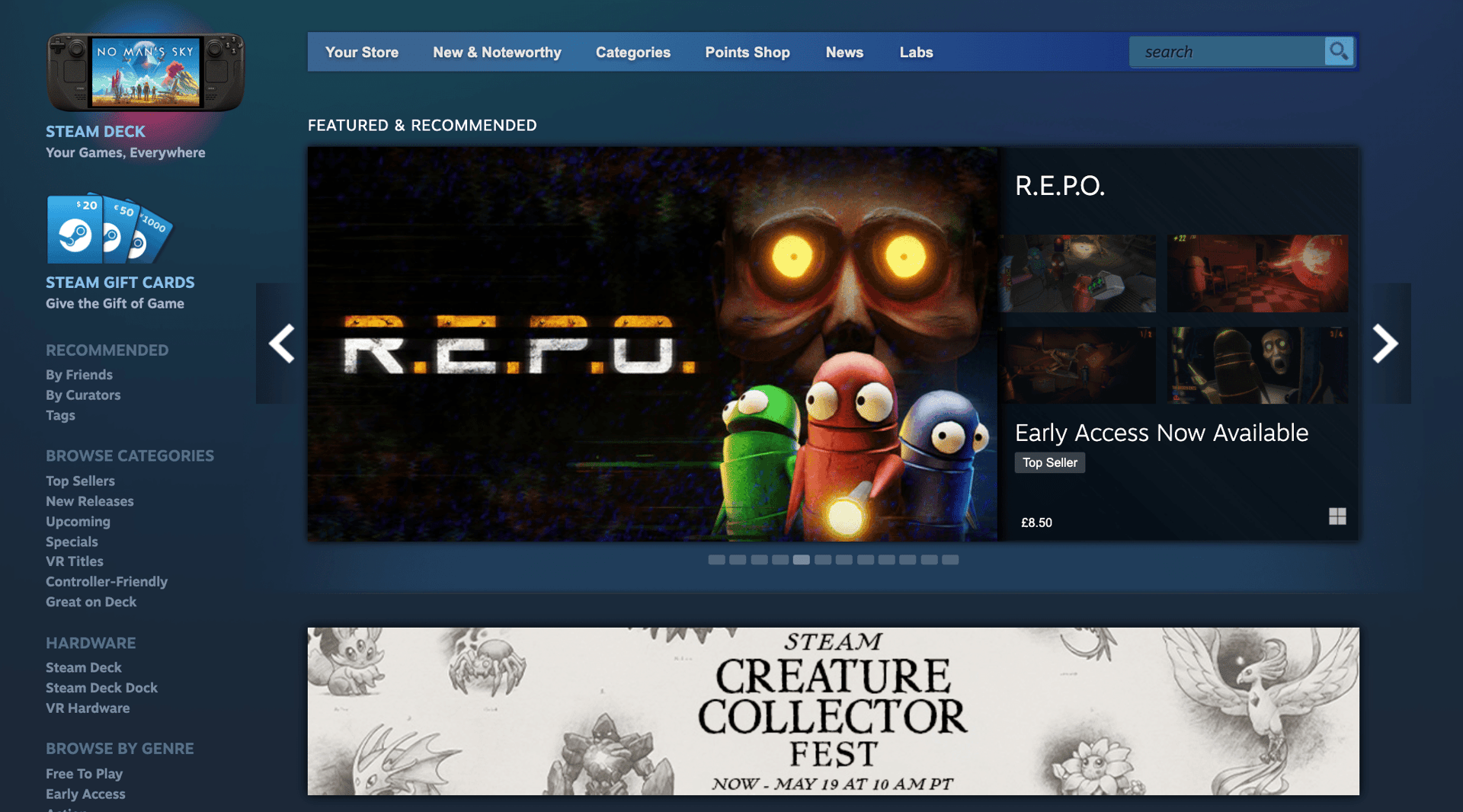
Many newer developers assume that major events like Next Fest are the only viable launch windows for demos. Next Fest does offer front-page placement and a concentrated burst of player activity, but it also creates brutal competition. Thousands of demos go live at once, and Steam initially surfaces them through randomized discovery. Personalized recommendations kick in as the event continues, but that initial randomness makes it hard for smaller or less-established projects to break through.
Early Demo Launches Determining Success
Limitations of a Sole Focus on Steam Next Fest
Steam Next Fest remains valuable, but the results vary wildly. The volume of participating games means discovery is never guaranteed. Influencers, streamers, and journalists get buried under pitches during the event, which reduces the odds that any single demo gets real coverage. Next Fest can deliver wishlist spikes and traffic bumps, but its egalitarian structure means outcomes are unpredictable.
Developers should consider alternative or supplementary release windows instead of betting everything on one event. Steam runs themed showcases throughout the year, and third-party events like LudoNarraCon require playable demos for participation. These opportunities tend to have lower competition and more focused audiences, which can translate to better engagement rates.
Early Demo Launches Determining Success
Maintaining Persistent Demos with Regular Updates
Another emerging strategy involves keeping a demo permanently available and updating it over time. Bertrand Vernizeau, funder and publisher of the medieval combat game Half Sword, has taken this approach. Instead of restricting access or tying availability to specific events, the Half Sword team releases periodic updates that expand or refine the demo content.
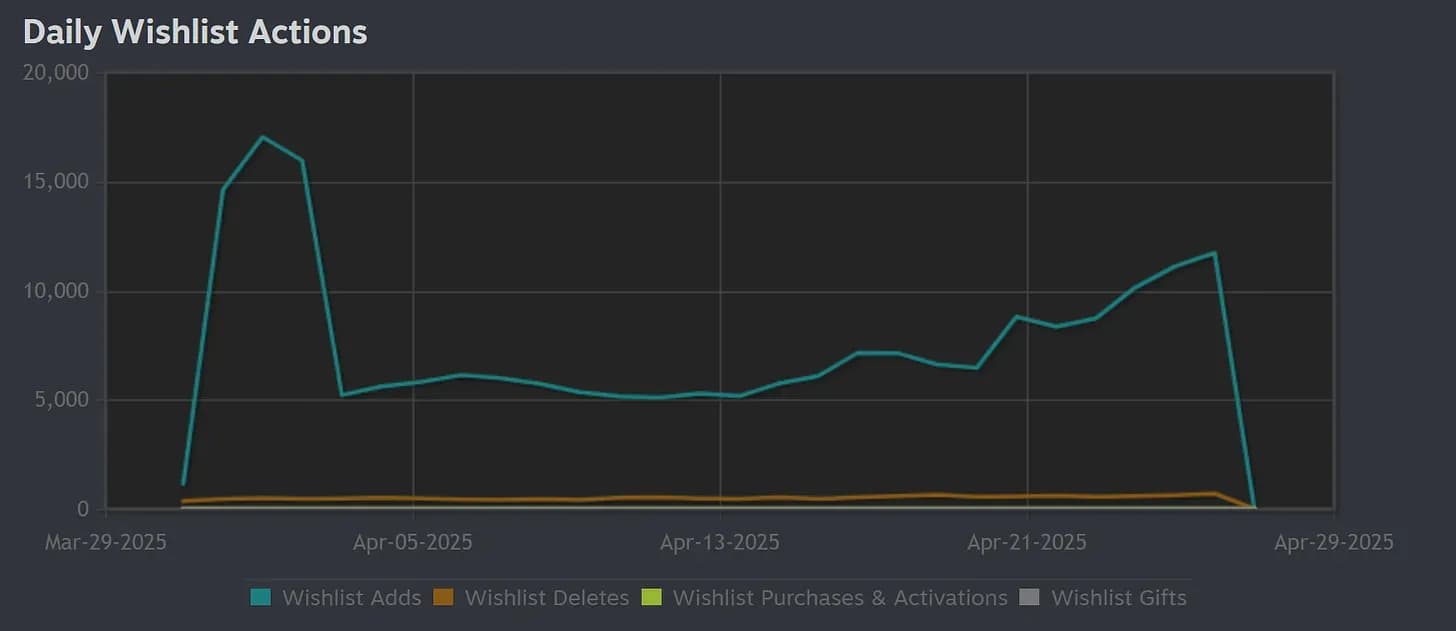
This continuous demo model works as both a discovery tool and a development feedback loop. In April 2025, the latest tech demo patch for Half Sword was downloaded over one million times, which pushed the game into the top ten most streamed titles on Twitch temporarily. The visibility spike also drove substantial wishlist growth—Half Sword now sits at over 1.1 million wishlists.
Vernizeau frames this strategy as an open invitation for players to try the game early and provide feedback. It may seem counterintuitive to publishers and investors, but it aligns with developers' interest in iterative improvement and sustained community engagement.
Success from Long-Term Demo Availability
Half Sword isn't the only example. Other indie titles like Backpack Battles have demonstrated the effectiveness of long-term demo availability. Backpack Battles kept a live demo running for nine months before release, during which time it hit nearly 19,000 concurrent players—impressive for a micro-indie project.
Regular updates and extended availability let these developers build anticipation organically. Instead of chasing a single burst of attention, they sustained interest through gradual content expansion and consistent player communication.
Rethinking the Demo Release Strategy
Timing alone doesn't determine demo success anymore. Developers need to think in terms of marketing beats and continuous player engagement. Whether launching early before major events or maintaining a live version throughout development, the key is deliberate planning and adaptation based on the game's strengths and community response.
The modern game demo functions as a discovery tool, a marketing asset, and a communication channel all at once. For developers confident in their gameplay loop and design appeal, offering an accessible and evolving demo may be one of the most effective strategies available. Aligning demo availability with both quiet periods and major showcases maximizes visibility while collecting valuable feedback. The best timing might not be a single moment, but an ongoing commitment to keeping players engaged.