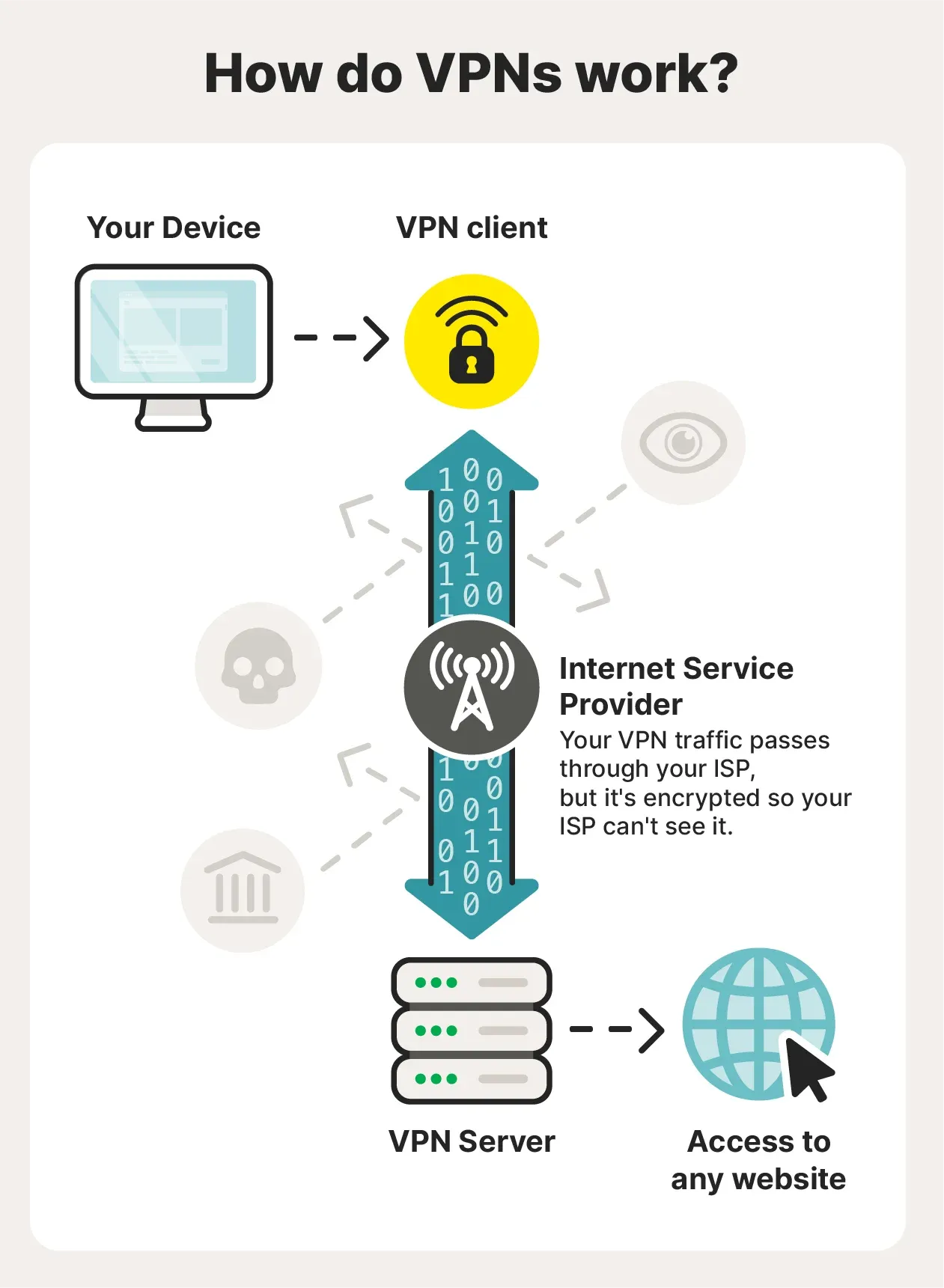


The Court of Justice of the European Union has officially described VPNs as "lawful technical tools which users may legitimately use" , and while that ruling came wrapped inside a copyright dispute over The Diary of Anne Frank, the implications stretch far beyond one historical manuscript.

Use code TRYHARD33 at checkout to redeem this offer before code expires again.
Get 33% Off GAMES+ Subscription
How a copyright dispute over Anne Frank became a VPN landmark
The case centers on a Dutch translation of the Anne Frank diaries that was made available free online to users living in EU member states where the manuscripts had already entered the public domain. The Anne Frank Fund holds rights to parts of the original manuscripts until at least 2037, but copyright status varies across EU member states. In Belgium, for example, those works are already in the public domain.
The legal question put to the court was specific but loaded: if a publisher geo-restricts access to a work based on copyright status, and a user bypasses that restriction with a VPN, is the publisher liable for infringement? The court's answer was essentially no.
That conclusion required the court to take a clear position on VPNs themselves. Here's the thing , rather than treating VPN use as inherently suspicious behavior, the judgement explicitly frames it as something users "may legitimately use." That framing matters.
What the judgement actually says about VPNs
The ruling makes two points that are worth paying attention to.
First, it states that even if geo-blocking measures can be circumvented by a VPN, "the possibility of such circumvention cannot be a decisive factor in finding those measures to be inadequate and, therefore, ineffective." In plain terms: a copyright holder cannot claim their protection failed just because someone used a VPN to get around it.
Second, and more directly relevant to anyone running a VPN service, the judgement rules that VPN providers are not the ones giving "end users access to a protected work." Even if a provider is aware their service might be used to access protected content, they are not considered to be intervening in that access. Copyright infringement, the court states, is "attributable to the person who published the work on that site and not to the provider of the VPN or similar service."
That is a meaningful legal shield for VPN companies operating in the EU.
The bigger picture for online privacy
VPNs have been under pressure from governments for a few years now. The UK's Online Safety Act, introduced in 2023, mandated age verification on platforms hosting certain content, and VPNs quickly became the obvious workaround. The UK government briefly floated a VPN ban before reversing course, stating it had "decided not to limit" the tools.
Across the Atlantic, the situation is patchier. Utah attempted to push through a VPN ban tied to age verification requirements, while Wisconsin reversed a similar decision after significant pushback. The Electronic Frontier Foundation has argued that state-level crackdowns risk breaking VPN access for users well beyond their borders.
The key here is that the EU ruling adds formal judicial weight to the argument that VPNs are neutral tools, not inherently illicit ones. Politicians proposing bans have typically leaned on the idea that VPNs are primarily used to circumvent restrictions. A high court calling them "lawful technical tools" complicates that framing considerably.
For gamers specifically, VPNs serve a range of legitimate purposes: reducing ping by routing through different servers, accessing region-locked titles or early releases, and protecting connections on public networks. The EU's position aligns with how most players actually use them.
What most players miss is that rulings like this one, buried in copyright law and historical manuscripts, quietly shape the legal environment that determines what tools remain available and how aggressively ISPs or governments can act against them. This particular judgement won't change anything overnight, but it is now part of the legal record that privacy advocates and VPN providers can point to.
If you want to stay across the broader gaming and tech landscape while this plays out, our gaming guides cover everything from strategy deep dives to full walkthroughs. For something that rewards careful, methodical thinking in the same way this ruling does, the Paradise Killer evidence guide is worth your time. And if you prefer your legal maneuvering in a more literal sense, check out the Europa Universalis 5 diplomacy and alliances guide for a different kind of strategic thinking.