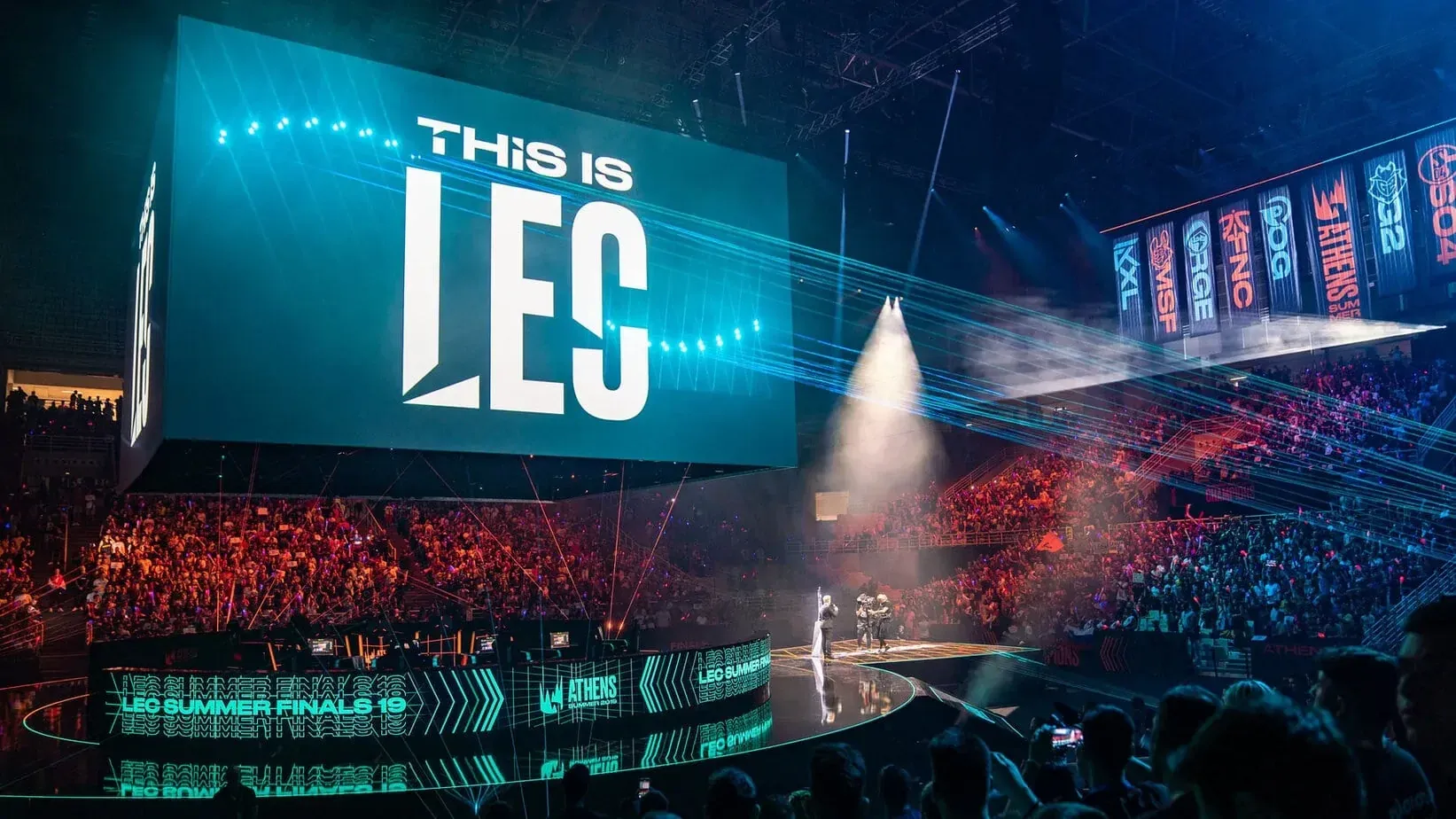


One season was all LEC Versus got. Riot Games has confirmed the experimental format won't return in 2027, closing the door on Europe's most significant structural change to the League of Legends European Championship in years. LEC Commissioner Artem Bykov made the announcement following the conclusion of the 2026 LEC season, and the reasoning is more nuanced than a simple failure story.
Here's the thing: Versus wasn't scrapped because nobody watched. The numbers were actually pretty solid.
LEC Versus
Use code TRYHARD33 at checkout to redeem this offer before code expires again.
Get 33% Off GAMES+ Subscription
What LEC Versus actually was
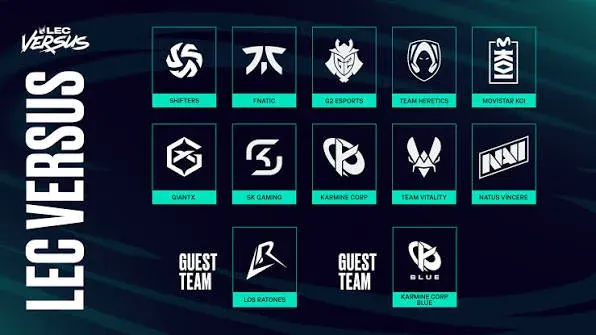
LEC Versus launched in January 2026 as a replacement for the traditional Winter Split, bringing two EMEA Regional League teams directly into competition with the ten permanent LEC organisations. Karmine Corp Blue and Los Ratones joined the full LEC roster in a 12-team competition, running a single round-robin regular season before the top eight advanced to a double-elimination playoff bracket.
G2 Esports won the whole thing, defeating Karmine Corp 3-2 in the final. That makes G2 the inaugural and apparently only LEC Versus champion.
The viewership numbers tell an interesting story. LEC Versus peaked at 734,933 concurrent viewers and generated approximately 33.8 million hours watched. Only three previous LEC tournaments had accumulated more total watch time. That's not a format that died because fans ignored it.
The Los Ratones effect and what it revealed
Los Ratones, the team built around popular creator and analyst Marc "Caedrel" Lamont, became one of the competition's biggest draws. The team entered Versus after dominating European Tier 2, bringing a massive creator-driven fanbase into direct contact with LEC organisations for the first time in a Riot-operated event.
The problem showed up when Los Ratones failed to reach the playoffs. Peak viewership dropped substantially during the knockout stage without them involved. That's a double-edged data point: creator-led teams can pull enormous audiences, but those audiences don't necessarily stick around once their team is eliminated.
Bykov acknowledged this openly. Riot views co-streaming and creator-led viewership as a deliberate part of its distribution strategy, not a threat to official broadcasts. But the Versus numbers illustrated exactly how dependent a format can become on specific personalities.
Where Tier 2 teams go from here
Bykov's position is that third-party tournament organisers should be the ones exploring Tier 1 and Tier 2 crossover competition going forward. He pointed to the EWC qualifier and events like Red Bull League of Its Own as examples of that space already being filled outside the regular LEC calendar.
The LEC's closed-league model is staying closed. Bykov was direct about that: changing the underlying league structure is not on the table. What Riot wants is for ERL teams to have opportunities to test themselves against LEC opposition through external competitions, rather than through an expansion of the LEC's own seasonal format.
For ERL teams, that means there's currently no confirmed equivalent route into the 2027 LEC calendar. Versus leaves behind a precedent without a direct replacement.
The parts of 2026 that are actually staying
While Versus disappears, Riot is doubling down on live events. The LEC staged six roadshows during 2026, including the Grand Final in Nice, and Bykov identified the live-event programme as one of the year's clearest successes. Roadshows are staying as a strategic priority for 2027, with Riot actively looking to expand beyond France and Spain into new EMEA markets.
Bykov's vision here is deliberately modest. He's not chasing 3,000-seat arenas for every show. A few hundred fans in a smaller venue in a market the LEC hasn't reached before counts as a win by his measure.
The Summer 2026 viewership decline of 23% compared to the 2025 edition drew attention, but Bykov pushed back on the raw comparison. The LEC expanded from 66 show days to 75 in 2026, spreading content across a longer calendar. Riot said it had already surpassed its previous record for total hours watched before the lower-bracket final and Grand Final even took place. A full assessment of the season is planned now that the 2026 calendar is complete.
Scheduling also caused friction. The Spring Split drew complaints about imbalanced match distribution, with some teams facing more matches early in the regular season due to road-trip logistics. Riot adjusted the approach for Summer and says it will work more closely with professional teams when constructing future splits.
For players who want to stay sharp on the League of Legends meta while the competitive calendar resets, the League of Legends Crystalline Overgrowth guide breaks down exactly how the Patch 26.1 changes are reshaping lane pressure and tower dynamics on Summoner's Rift.
The bigger picture for the LEC heading into 2027 is a league that experiments at the edges while protecting its core. Versus is gone, but the appetite for Tier 1 and Tier 2 crossover competition clearly exists. Whether third-party organisers can build something permanent from that one-season proof of concept is the question European League of Legends now has to answer. Keep an eye on the gaming guides hub for continued coverage as the 2027 LEC structure takes shape.