


Epic Games announced today that Fortnite is back on the iOS App Store in virtually every market worldwide, ending a years-long absence that began when Epic deliberately triggered its removal in 2020. The return comes with a pointed message from Epic CEO Tim Sweeney, who framed it not as a reconciliation with Apple, but as a strategic opening shot in what he believes will be a decisive legal battle.
Why Epic chose now to return
The timing is deliberate. Epic's decision to restore Fortnite to the App Store came after Apple told the U.S. Supreme Court that "regulators around the world are watching this case to determine what commission rate Apple may charge on covered purchases in huge markets outside the United States."
Epic read that statement as an admission that Apple's fee structure is under serious international scrutiny. The company's position is that once a U.S. federal court forces Apple to publicly disclose its actual costs, governments globally will reject what Epic calls "Apple junk fees" as indefensible.
Sweeney put it plainly on X: "We see this as the beginning of the end of the Apple Tax worldwide." He added that Epic will "continue the fight in every jurisdiction worldwide until competition is restored to digital stores and payment markets everywhere."
Here's the thing: Epic isn't returning because it made peace with Apple. It's returning because it believes it's about to win.
The one market still locked out
Australia is the notable exception. Epic says Fortnite has not returned to the Australian App Store because Apple is, in the company's words, defying a court ruling there. That's a significant carve-out, and it signals that the legal friction between the two companies remains active across multiple jurisdictions simultaneously.
For players in affected regions, the situation is worth watching. What happens in Australia could preview how Apple responds to adverse rulings elsewhere.
What the antitrust fight actually means for players
The core dispute is about payment systems. Epic wants to process in-app purchases through its own payment infrastructure, bypassing Apple's standard commission, which has historically sat at 30% for most transactions. Apple's position is that this fee funds the security and infrastructure of the App Store ecosystem.
For players, the practical stakes are real. If Epic wins and Apple is forced to allow alternative payment systems at lower or no commission, developers could pass savings on to consumers through lower V-Bucks prices or other in-game currency adjustments. That's not guaranteed, but it's the direction Epic's argument points.
The key here is that Fortnite's return isn't just about one game. Sweeney has consistently positioned this as a fight on behalf of all developers and consumers, and the Supreme Court's involvement means the outcome will carry weight far beyond Epic's own bottom line.
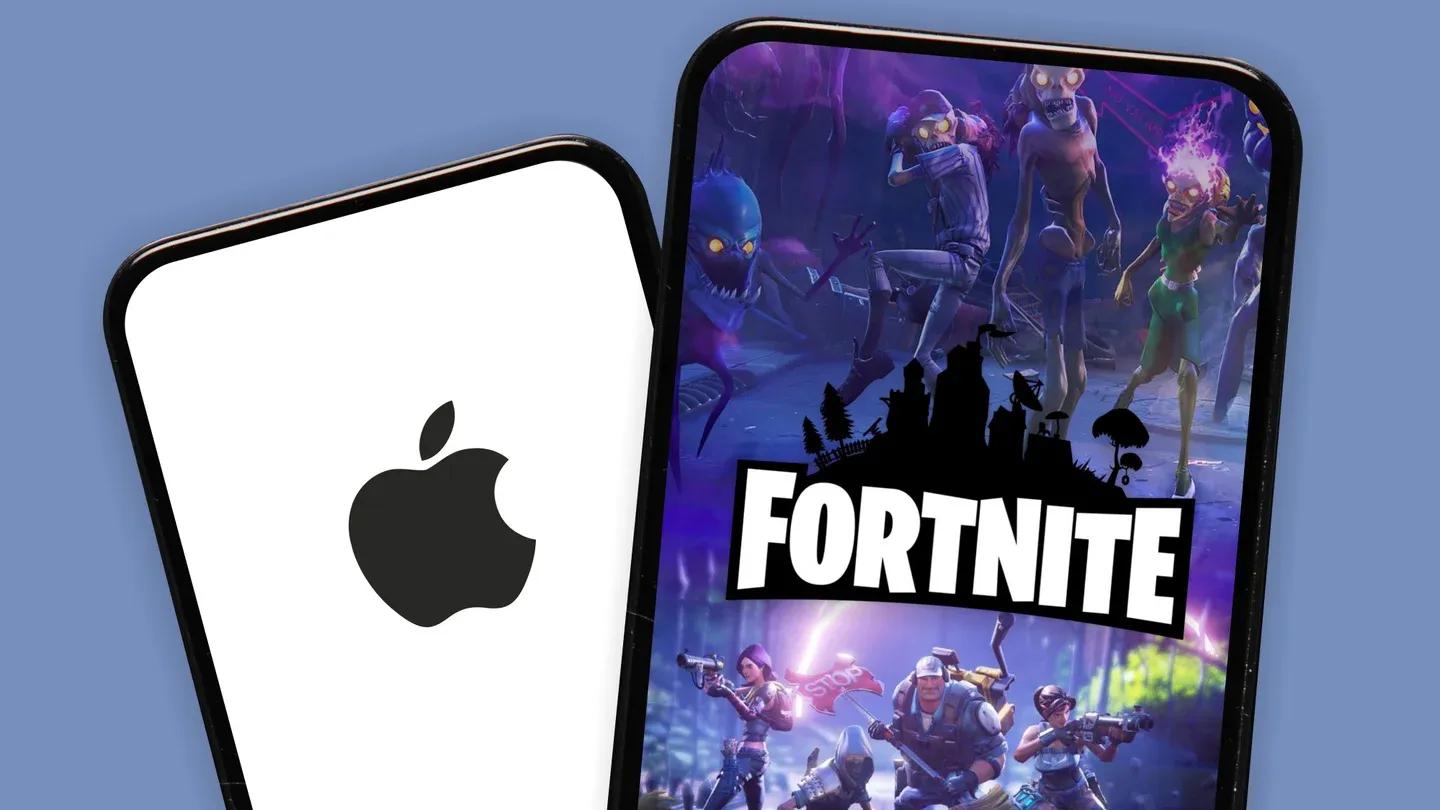
Epic's global App Store push
What players can do right now
If you're on iOS outside of Australia, Fortnite is available to download from the App Store again. Mobile players returning to the game after a long gap will find a significantly different experience from 2020, including the v40.40 Zero Build overhaul that added Pocket Items, removed fatal fall damage, and reworked survival mechanics. You can catch up on every change in the Fortnite Zero Build v40.40 patch notes.
For players curious about which modes are actually accessible on mobile, including the limits around Save the World, the full breakdown of Fortnite platform availability and mobile support covers exactly what's playable and what isn't on iOS right now.
The legal battle between Epic and Apple heads toward a transparency reckoning in U.S. federal court. When Apple is required to open its books on App Store costs, the argument that a 30% commission is justified will face its hardest test yet.