


Use code TRYHARD33 at checkout to redeem this offer before code expires again.
Get 33% Off GAMES+ Subscription
What this means for the 100 million households already on Roku
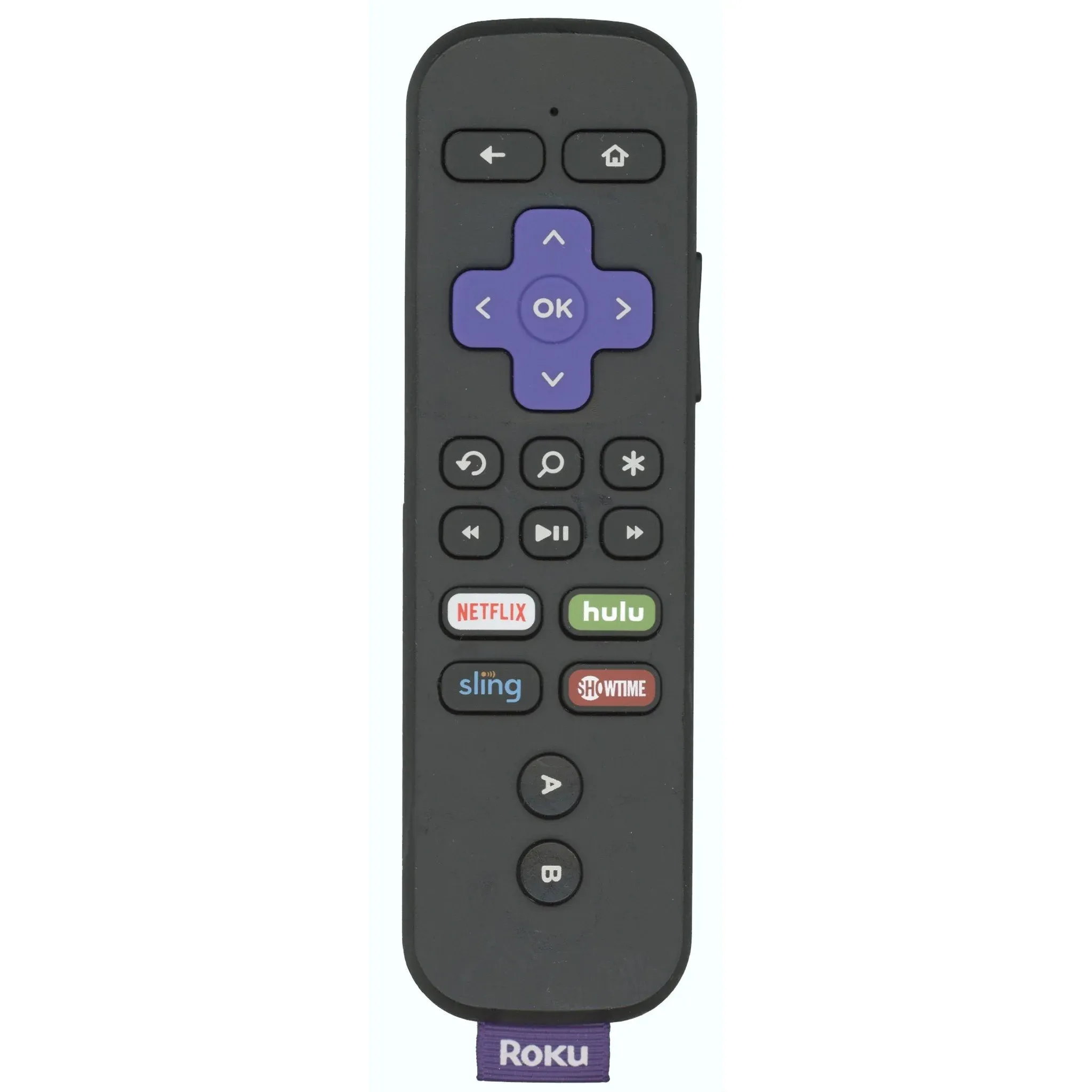
If you watch anything through a Roku device right now, the short answer is: nothing changes immediately. Both companies confirmed that Roku will continue operating as an open, partner-friendly platform after the deal closes. Your apps, your interface, your streaming habits stay intact, at least for now.
The bigger picture is what shifts underneath. Fox Corp. announced today it is acquiring Roku in a cash-and-stock deal valued at approximately $22 billion, including debt. The combined entity would become the third-largest player in U.S. television by share of viewing, a number that puts it in serious competition with the streaming giants that have dominated the past decade.
From Netflix spinoff to $22 billion acquisition target
Here's the thing about Roku's origin story: it started inside Netflix. Founder Anthony Wood was working at Netflix in the early 2000s as the company was making its shift away from DVD rentals toward streaming. Roku was eventually spun off, and the company released its first set-top box in 2008. Wood has said his original motivation was simply wanting to record and watch his favorite show, Star Trek.
That scrappy origin makes the $22 billion price tag feel almost surreal. When media reports surfaced last Friday that Roku was exploring strategic options including a potential sale, speculation ran hot about who might move. Netflix, Amazon, Comcast, and Disney were all floated as potential buyers. Fox moved fastest.
The deal structure and what Fox actually gets
Fox will pay $96 in cash plus 0.9693 shares of its Class A common stock for each Roku Class A and Class B share outstanding. That values the transaction at $160 per Roku share. Once the deal closes, existing Fox shareholders will own approximately 73% of the combined company, with Roku shareholders holding the remaining 27%.
What Fox actually gets for that price is substantial:
- Access to more than 100 million global households through Roku's platform
- The Roku Channel and its first-party viewer data
- A distribution backbone that sits alongside Fox's existing sports, news, and entertainment networks
- Deeper integration with Tubi, the free ad-supported streaming service Fox acquired back in 2020
Fox Corp. CEO Lachlan Murdoch framed it as a play for the next decade of video, arguing the combined company is better positioned than either business would have been independently. Wood, who will join the Fox board of directors after the transaction closes, described it as an opportunity to "scale faster and innovate more aggressively for viewers, partners and advertisers."
Gaming and entertainment platforms: the consolidation keeps accelerating
For anyone who games on a smart TV or uses a Roku device to access gaming-adjacent services, this deal is a signal worth paying attention to. Streaming platforms are increasingly the front door to gaming content, whether that's cloud gaming services, gaming-focused channels, or the free-to-play titles that have started appearing on connected TV platforms.
Fox already controls Tubi, which has experimented with interactive and gaming content. Pairing that with Roku's platform scale and first-party data creates an advertising and content distribution machine that could directly compete with how platforms like Amazon Fire TV and Google TV have positioned themselves as gaming and entertainment hubs.
The key here is data. Roku's first-party viewer data is genuinely valuable, particularly as third-party cookies continue to erode across the web. Fox gains a direct line to viewing behavior across 100 million households, which changes what advertisers can target and at what price.
The streaming wars have always been about content plus distribution. Fox has the content. Roku has always been the distribution. Putting them together removes a middleman that both companies were previously dependent on.
Regulatory scrutiny is the real variable to watch from here. Keep an eye on how antitrust reviewers treat the combination of a major broadcast and cable news network with the operating system sitting inside tens of millions of televisions. For the full picture on what's happening across gaming and entertainment platforms, check out our gaming guides for the latest coverage.