


Use code TRYHARD33 at checkout to redeem this offer before code expires again.
Get 33% Off GAMES+ Subscription
What a deleted product description tells us
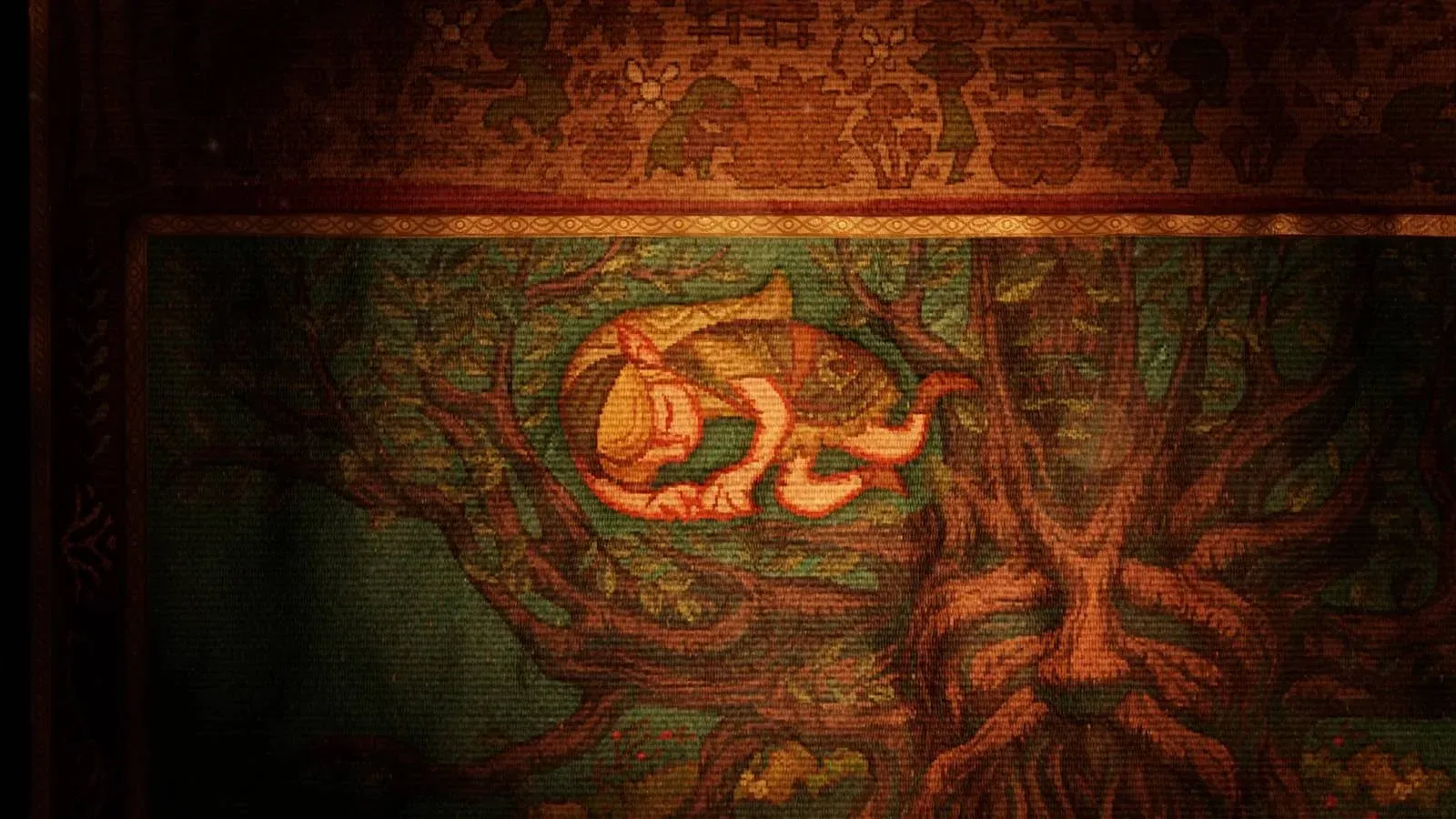
For a game announced with roughly five seconds of footage and a sleeping child, The Legend of Zelda: Ocarina of Time for Switch 2 has already generated a remarkable amount of detective work. The latest clue came and went fast: a short description buried in the Switch 2 product page's website code, spotted by fans before Nintendo quietly scrubbed it.
That description read: "The N64 classic reborn as a full remake for Nintendo Switch 2. Experience Ocarina of Time with stunning visuals, updated designs, and timeless gameplay."
Two words are doing a lot of heavy lifting there: "timeless gameplay." Fans have latched onto that phrase as a signal that the core experience, Hyrule's dungeons, the puzzles, the pacing, the structure, will stay close to the 1998 original rather than being rebuilt from scratch.
The gap between a remake and a reimagining
Here's the thing: the distinction matters enormously for how you approach this project as a player. A reimagining, think Capcom's Resident Evil 2 and 4 remakes, or Square Enix's Final Fantasy 7 Remake, takes the source material as a starting point and builds something substantially new. A faithful remake keeps the bones intact and updates the surface. The teaser trailer leaned toward the latter, showing a visual overhaul while the single glimpse of young Link suggested no dramatic structural departure.
The deleted description lines up with that read. Nintendo has since replaced it with something far less informative: "The Nintendo 64 classic returns for a new generation in 2026, reborn exclusively for Nintendo Switch 2!" Generic, committal to nothing, and almost certainly the result of someone realizing the original copy was saying too much too soon.
For context, the Switch 2 is also getting a Star Fox remake this year, and Nintendo's approach there has been to preserve the original gameplay while expanding the story sequences. If Ocarina of Time follows a similar template, you would get the same dungeons and overworld you remember, potentially with added voice acting and fleshed-out cutscenes.
Voice acting and what the teaser's opening seconds suggest
Fans have also pointed to the teaser's voiceover narration as a hint that Ocarina of Time will feature more spoken dialogue than the original. The N64 game was entirely text-based outside of grunts and musical cues. A remake that adds voice acting would be a meaningful change, though it would not necessarily alter the structure of the game itself.
The key here is that "timeless gameplay" and voice acting are not mutually exclusive. You can keep every puzzle, every dungeon layout, every Skulltula location exactly as it was and still record a full voice cast. That would make Ocarina of Time feel more like the N64 version than Breath of the Wild's open-world philosophy, while still modernizing the presentation.
What players are actually waiting to hear
The reveal left more questions than answers, and Nintendo clearly intended that. Former Nintendo staff have noted the game's earlier leak dulled the impact of the official announcement, framing the Direct reveal as something of a foregone conclusion rather than a surprise. That context makes the product description slip feel even more notable: it may have been the only unintentional piece of real information the project has produced so far.
More details are expected later this year ahead of the 2026 launch. If you want to keep up with adventure games heading to Switch 2 and beyond, the guides hub is worth bookmarking as coverage builds. The Ocarina of Time remake is shaping up to be one of the most watched releases of the year, and every scrap of information, even the kind Nintendo tries to delete, is going to be dissected the moment it surfaces.