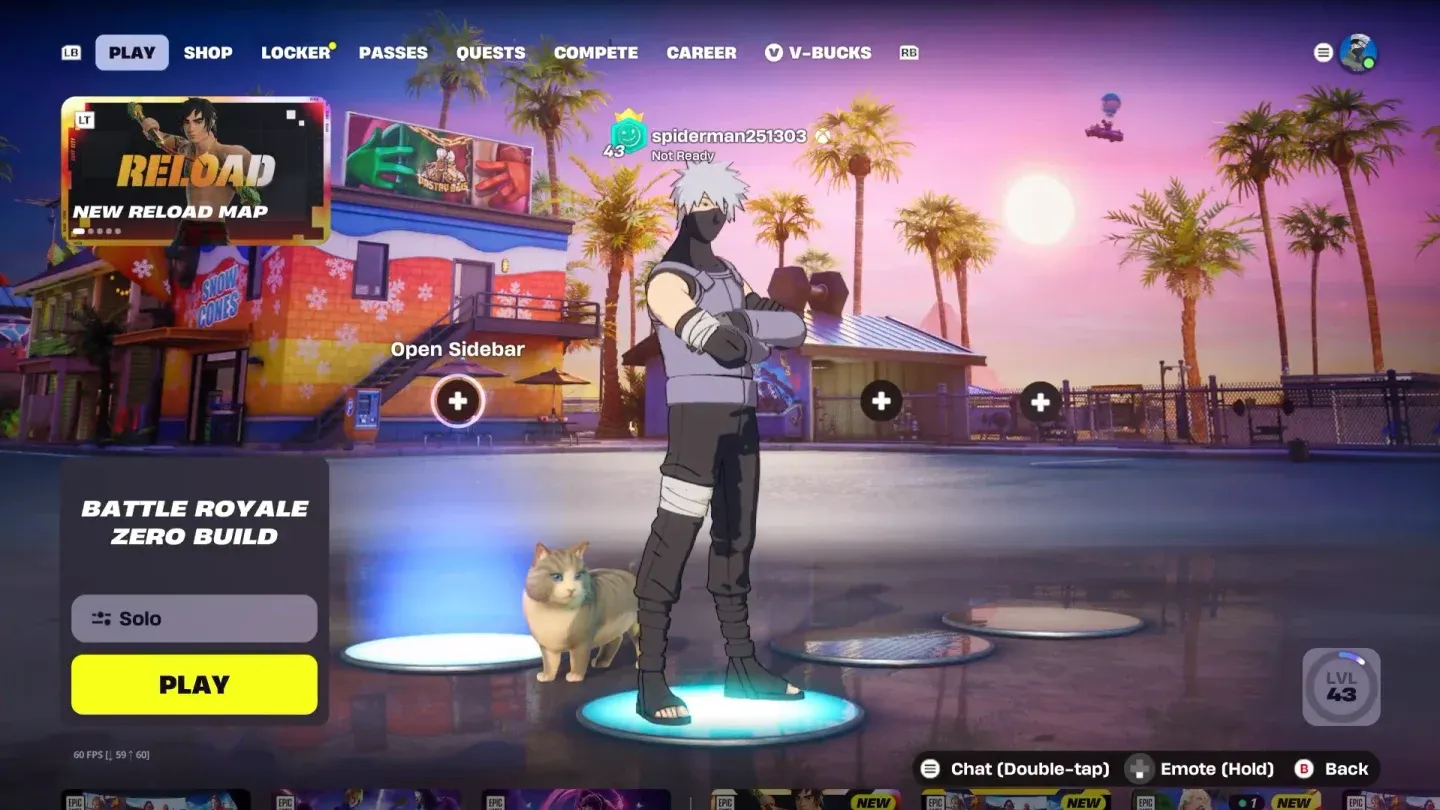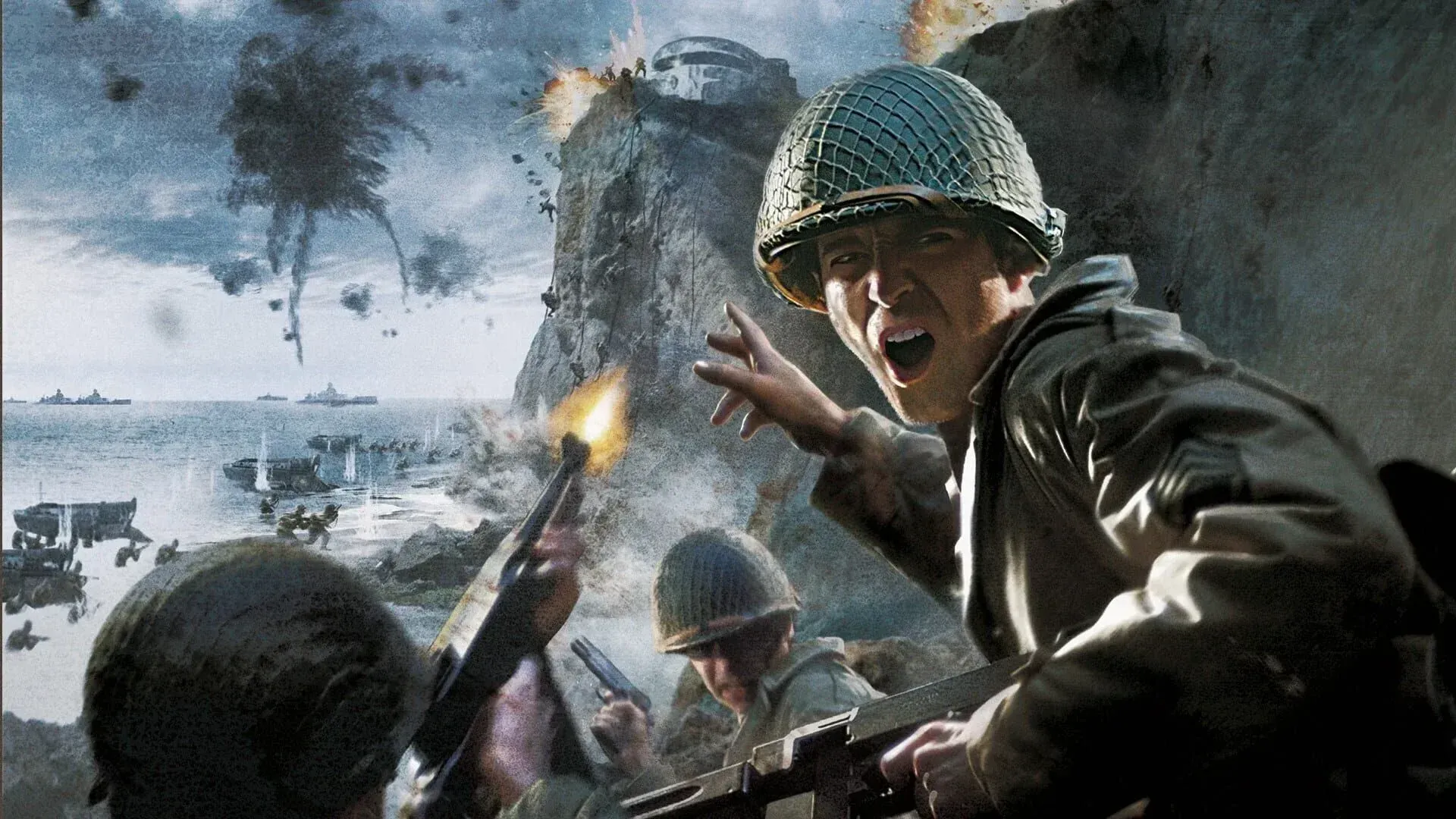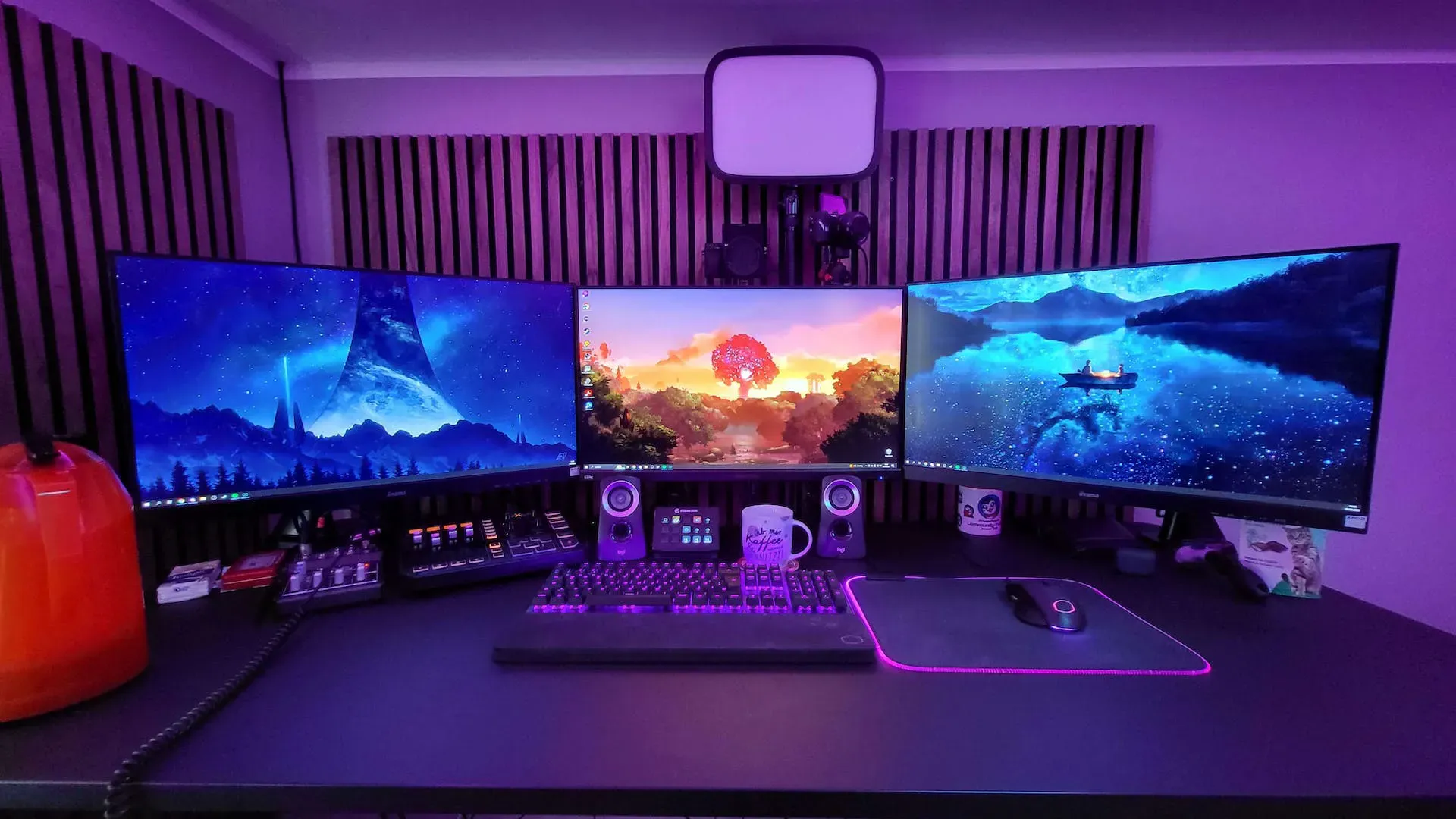


Picture two gamers. One just dropped $70 on a new release, plays on a high-end PC, and picks up the season pass without blinking. The other is grinding Fortnite on a hand-me-down laptop, spending a few dollars here and there on V-Bucks because that's what the budget allows. That split is getting wider, not narrower.
The K-shaped split hitting gaming hard
The gaming market is increasingly divided: a bigger share of spending now comes from affluent players with higher incomes, while lower-income segments struggle to keep up. Premium gaming leans harder on the affluent consumer with every passing year.
Here's the thing: this isn't just a gaming problem. Economists use the term "K-shaped economy" to describe what happens after major shocks like the Covid-19 pandemic. The already-comfortable bounce back and do fine, sometimes better than before. Everyone else stays flat or slides further down. Gaming, it turns out, is following the same curve.
Flagship games now routinely launch at $70 or above. Hardware costs have climbed. The average gaming PC setup capable of running modern titles at decent settings can easily run into the hundreds or thousands of dollars. For a significant portion of the potential player base, that math simply doesn't work.
Where the budget players actually go
The industry is effectively leaving a whole segment of the market to Fortnite, Minecraft, Roblox, and mobile content. These aren't consolation prizes, either. Fortnite alone commands hundreds of millions of registered accounts. Roblox clocked roughly 10.25 billion monthly hours of playtime in 2025, more than Steam, PlayStation, and Fortnite combined.
The free-to-play model fills a real gap. But there's a catch that anyone who's spent time in Fortnite's item shop already knows: free to play rarely means free to enjoy fully. Microtransactions are everywhere, and players who can't afford the premium alternatives often end up spending incrementally on cosmetics, battle passes, and in-game currency. The total can quietly add up to more than a single $70 game purchase over a year.
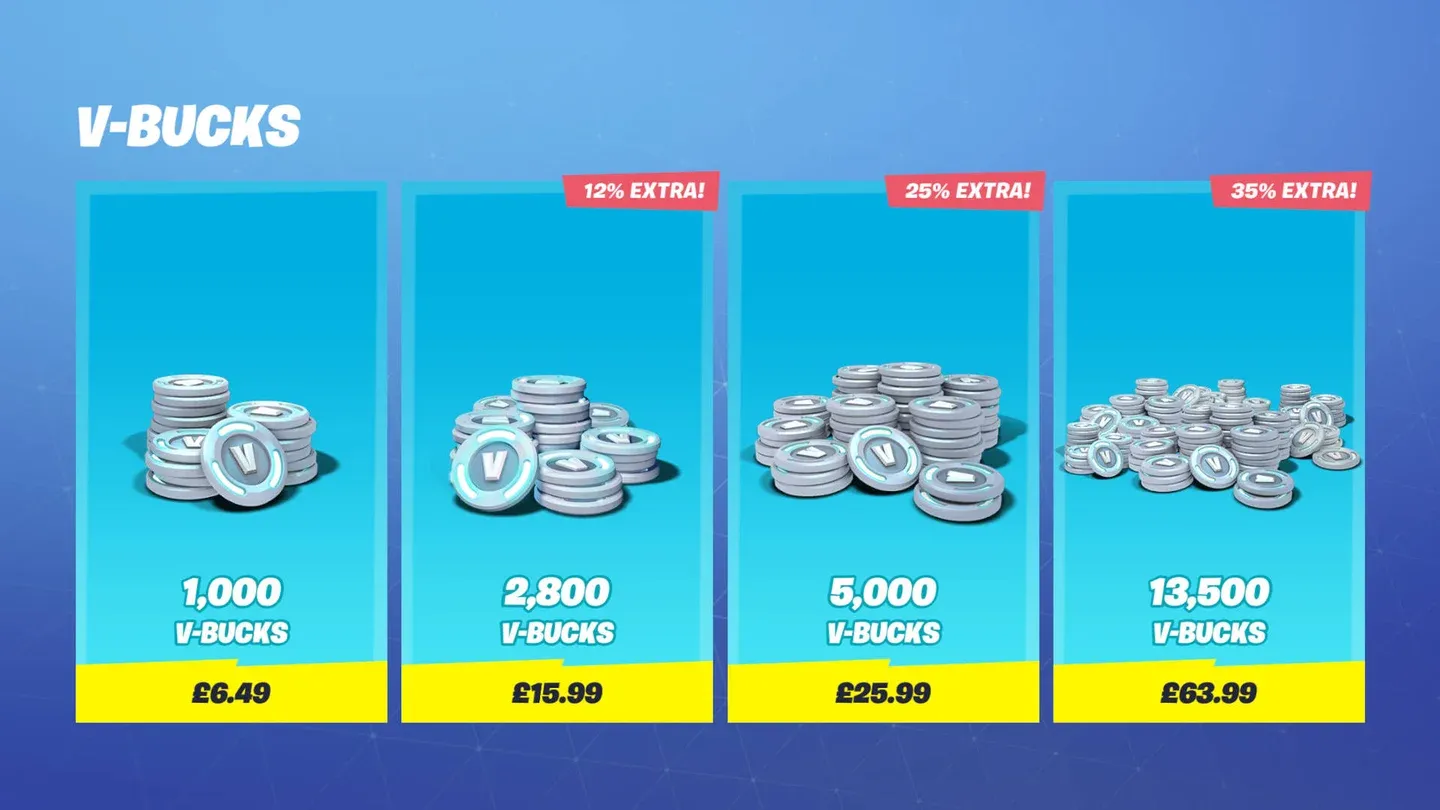
V-Bucks microtransaction tiers
PC's accidental safety valve
PC gaming, with its sprawling catalog of cheap indie titles, short-form experiments, and frequent sales, maintains a relatively accessible entry point compared to console ecosystems. The $5 Steam sale gem, the free Epic Games Store weekly drop, the itch.io bundle: these exist in a way that console storefronts haven't fully replicated.
Consoles could help close the gap by adopting more nimble strategies and pushing lower-priced products harder. Right now, they're content letting Fortnite dominate playtime and engagement among players who can't or won't spend on premium releases.
What this means for gamers on tighter budgets is that the console experience, in particular, is quietly narrowing. If you're not spending, the platform holders aren't really building for you.
The fragmentation problem nobody wants to talk about
The worry isn't just that some players are stuck with free games. The deeper concern is that the market fragments into two separate realities with almost no overlap. Affluent players get a steady pipeline of big-budget releases, each more expensive than the last. Budget players get free-to-play titles engineered to extract small, regular payments.
The key here is that both groups are being served, just very differently, and the distance between those two experiences is growing. Premium gaming becomes a prestige hobby. Free-to-play becomes the default for everyone else.
For the latest on how Fortnite and Epic Games are navigating this shifting market, the Epic Games newsroom tracks official updates as they happen. For broader gaming industry analysis and the trends shaping where the hobby is headed, keep an eye on the latest gaming news. Make sure to check out more: