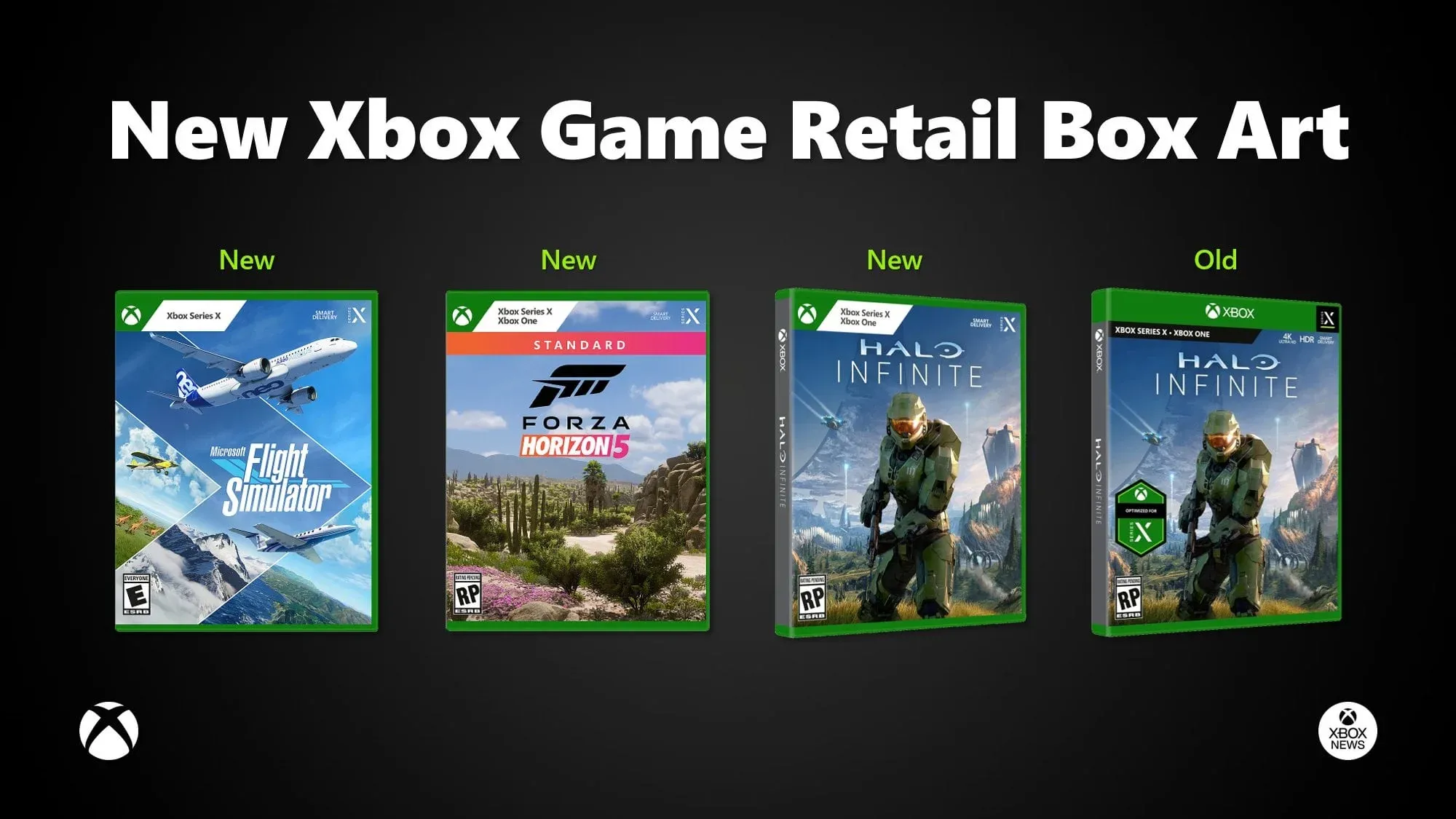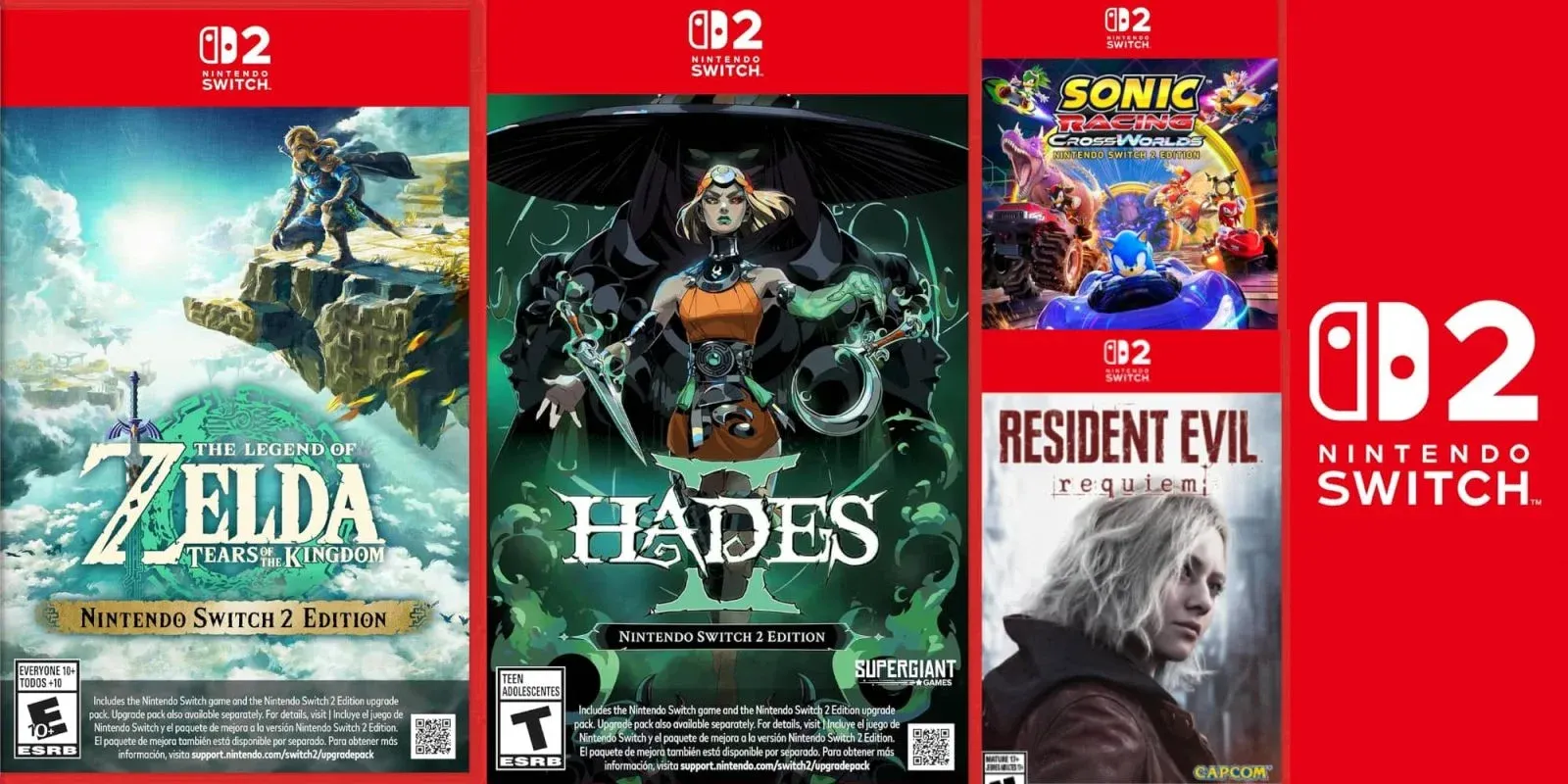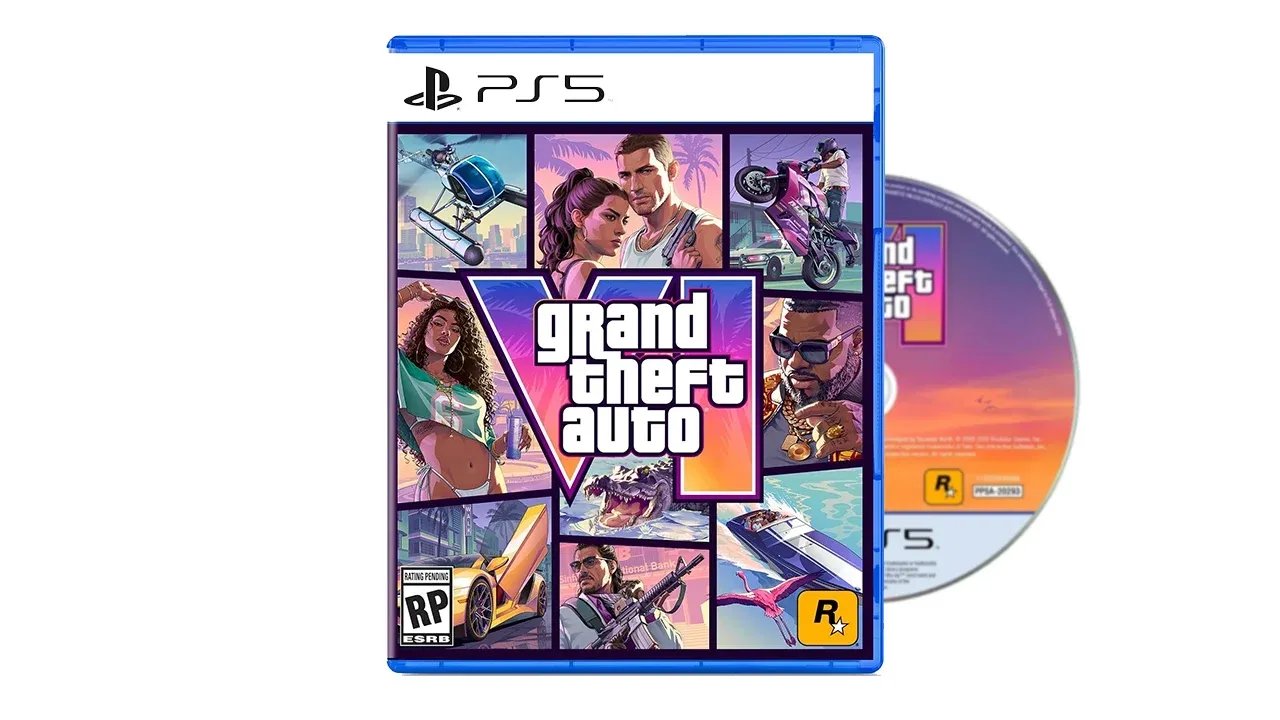


The timing could not be more ironic. Rockstar confirms Grand Theft Auto 6 ships as a code-in-a-box with no disc inside, and in the same week, an industry analyst drops data showing US physical game sales just posted their first year-on-year growth since 2009. That 17-year drought ended with a 3% spending increase in the 12 months ending May 2026, and yet the biggest game of the generation is actively choosing to skip a real physical release.
Pre-orders for Grand Theft Auto VI are now open, you can pre-order here.
The 3% number that surprised everyone
Physical game sales in the US peaked at $11.5 billion back in 2009. Since then, the trend has been one long, mostly uninterrupted slide toward digital dominance. So when Mat Piscatella, senior director at Circana and one of the most closely watched analysts in the games industry, flagged that spending on physical games ticked up 3% year-on-year, people noticed.
Here's the thing, though: Piscatella was quick to pump the brakes on any celebration. He described the uptick as a blip rather than a reversal, pointing out that the overwhelming majority of game sales volume now happens digitally. More than half of all Xbox Series consoles in the US do not have a physical drive. Over a quarter of PS5s sold are the discless model. Piscatella's read on the situation is stark: the industry likely has less than a decade of physical software left.
A 3% bump against that backdrop is a curiosity, not a comeback.
What Rockstar's disc decision actually signals
Rockstar's choice to ship GTA 6 without a disc caused genuine friction across the retail sector. Several retailers dropped their listings for the physical edition after the code-in-a-box plan went public, which is a notable reaction for a release that analysts expect could move up to 30 million copies at launch.
Piscatella himself predicted the retailer backlash would not dent sales in any meaningful way. GTA 6 will sell regardless. But the downstream effects are worth thinking through. Rockstar's release is the kind of system-selling event that pushes hardware units, and if consumers buying a new console for GTA 6 see that a disc drive is unnecessary for the game they actually want, that nudges them toward discless hardware. More discless consoles in homes accelerates the exact trend Piscatella is describing.
The ownership question nobody wants to answer
The code-in-a-box format sits in an uncomfortable middle ground. It looks like a physical product and gets shelved like one, but it carries none of the practical benefits: you cannot lend it, resell it, or preserve it independently of Rockstar's servers. What most players miss in the headlines about retailer drama is that the format erodes the secondary market and complicates long-term game preservation in ways a genuine disc release does not.
The 3% physical sales growth is real, but it likely reflects collector demand, limited editions, and a segment of players who actively resist the all-digital shift, not a broad consumer pivot back to boxed games. That market exists and it is spending, but it is shrinking by most measures.
For a full breakdown of what you actually get across each GTA 6 edition, the GTA 6 editions guide lays out every bonus and price difference between Standard and Ultimate. With no disc in the box either way, what you are really comparing is digital content bundles.