In a recent Blockchain Gaming World podcast, Jon Jordan sat down with Simon Davis, CEO of Mighty Bear Games, to discuss the strategic direction of Goat Gaming. The conversation explored how the platform plans to use Telegram as a foundation for blockchain gaming, tapping into the messaging app's massive user base to deliver a new wave of mini-games. This article breaks down the key takeaways from their discussion and examines whether Telegram could become the unexpected gateway for web3 gaming to reach mainstream audiences.
Is Telegram the Trojan Horse for Web3 Gaming?
What Is GOAT Gaming?
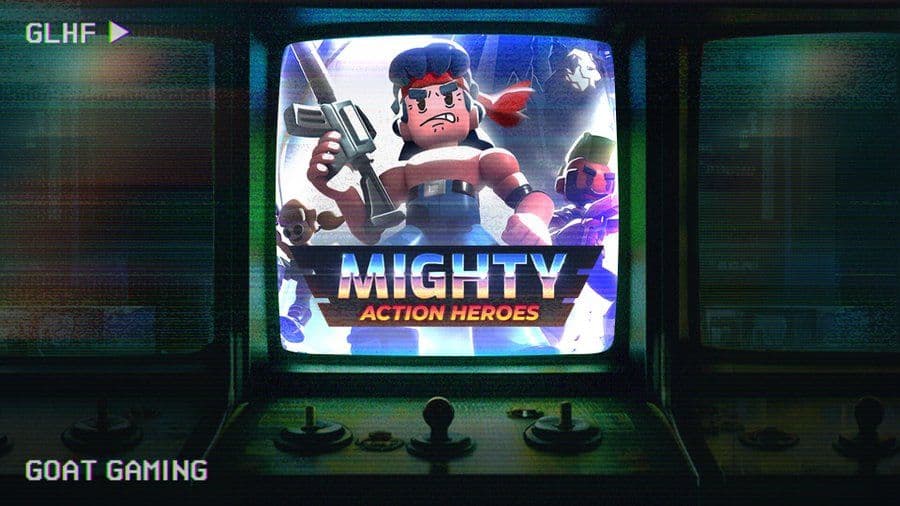
GOAT Gaming represents the evolved form of MightyNet, rebuilt and rebranded to serve web3 players. The platform runs on infrastructure that supports multiple game types and uses AI to speed up content deployment. Players can access mobile titles, browser-based games, Fortnite experiences, and play-to-earn titles on Telegram.
The Road To $GOAT Campaign
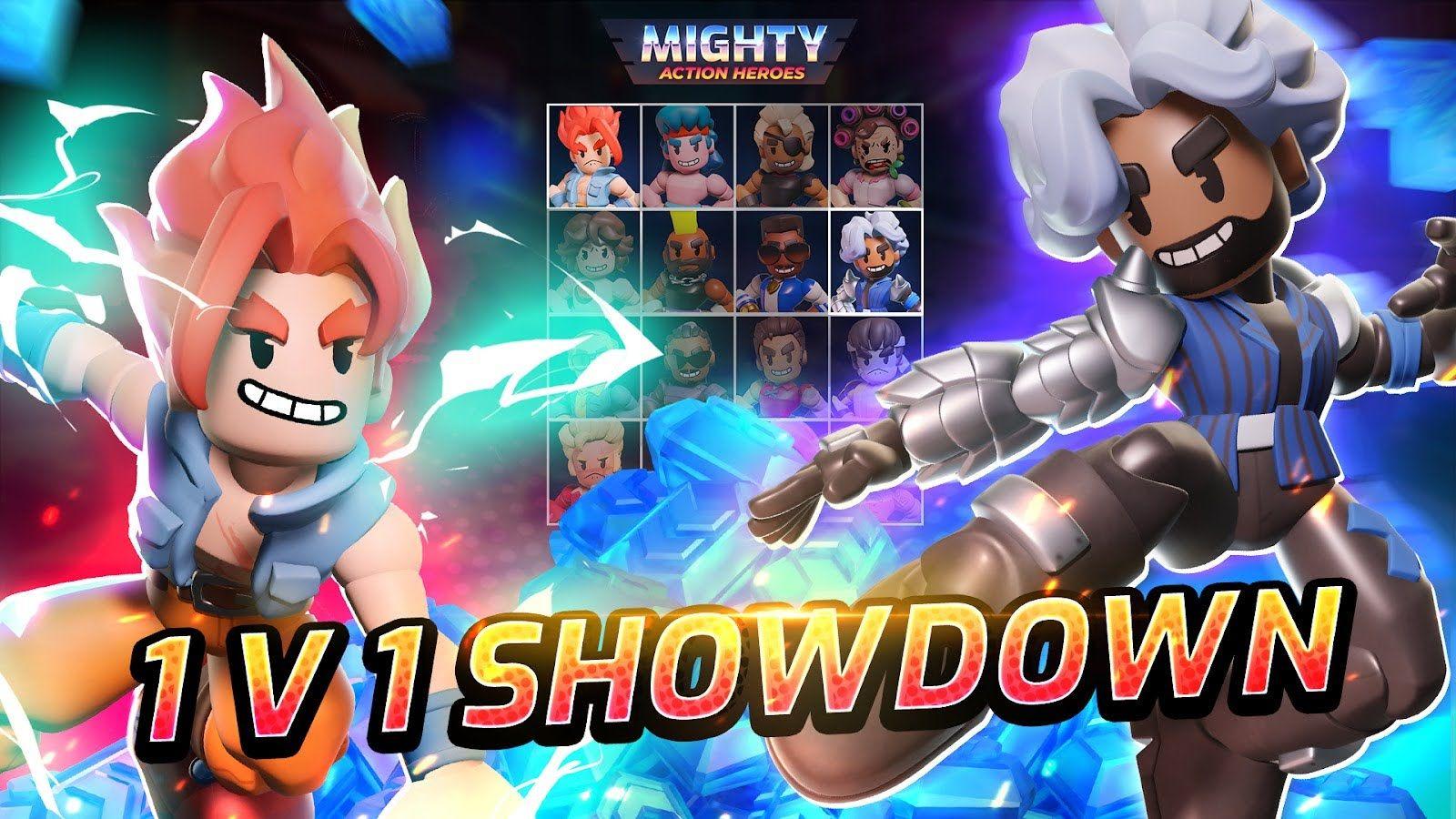
The Road to $GOAT marks the platform's first major event. Players earn GOAT Points through quest completion, which determines their position on the leaderboard. Top performers receive a share of the $GOAT token supply. Early adopters and active players of Mighty Action Heroes have already been credited with GOAT Points based on their NFT holdings, Season Pass progress, and participation in 1v1 Showdowns.
Right now, Mighty Action Heroes is the only blockchain game live on the platform, playable on both browsers and mobile devices. Anyone with an existing MightyNet account can log in using their old credentials — accounts transferred over automatically.
GOAT Gaming
The Concept Behind GOAT Gaming
GOAT Gaming centers on delivering a library of mini-games within a blockchain framework. Davis explained that the idea originated from the popularity of the 1v1 Showdown mode in Mighty Action Heroes. In that mode, players pay a small entry fee in hard currency and can win between 1.3x and 10x their stake. The mode's success revealed strong player appetite for prize-based mini-games in the web3 space.
The long-term vision is to build a web3 version of Miniclip, hosting hundreds of micro-experiences. These games will be developed using WebGL and HTML5, then deployed directly into Telegram, which has become a central hub for crypto gaming.
1v1 Showdown
Telegram's Role in Crypto Gaming
Davis sees Telegram as a major platform for crypto gaming, comparing it to Facebook gaming circa 2008. With nearly a billion users, Telegram offers a huge potential audience for simple, engaging games. He hopes the platform will mature without repeating the mistakes that plagued Facebook's gaming ecosystem.
While Telegram presents a massive opportunity, Davis remains cautious about the reliability of audience metrics on the platform. Still, the ability to stream games directly into Telegram and other messaging apps like iMessage or WeChat opens up a wide range of distribution possibilities.
Telegram vs WeChat
Addressing Bots and Game Retention
Bot activity is a real concern in Telegram gaming. Bots can inflate user numbers and potentially dilute token value. Davis acknowledges the problem but points out that even if a significant portion of users are bots, a large number of real players remain. The bigger challenge is keeping those players engaged once the financial incentives dry up.
Game Development and Future Plans
GOAT Gaming plans to support a wide variety of gameplay types and themes. Davis mentioned upcoming titles like Waifu Clash and several runner games, reflecting the platform's goal to serve different player tastes. The studio's Southeast Asian location also enables the creation of region-specific content.
The platform is currently open to external developers, though it operates with a hands-on approach. Davis estimates it will take about a year before GOAT Gaming can offer full self-serve development tools.
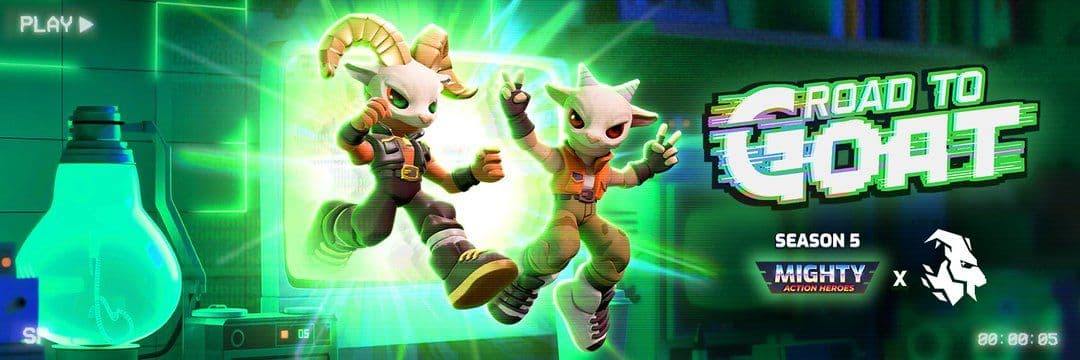
Cover Banner on X
The Challenge of Attracting Sustainable Players
Davis discussed the difficulty of maintaining a player base in blockchain gaming. In traditional web2 games, developers focus entirely on player engagement. Web3 adds speculators to the equation. Balancing a compelling game experience with the interests of speculators remains an unsolved problem.
Is Telegram the Trojan Horse for Web3 Gaming?
Telegram offers a real opportunity for blockchain gaming. The platform's enormous user base and the ability to integrate games directly through WebGL and HTML5 make it an attractive venue for web3 titles, especially casual mini-games that offer rewards and competitive play.
The Telegram-based crypto game Hamster Kombat has exploded in popularity, now reaching over 300 million players. That's a 50% jump from just two weeks earlier, demonstrating how quickly games can scale within the Telegram ecosystem.
Davis's comparison to Facebook gaming around 2008 suggests Telegram could serve as an entry point for mass adoption, similar to how early social networks brought gaming to wider audiences. The platform's infrastructure makes development and distribution straightforward.

Telegram App on iPhone
However, challenges like bot activity and unreliable audience metrics could limit Telegram's effectiveness as a launchpad for web3 gaming. While the platform provides substantial opportunities, these issues need to be managed to ensure sustainable growth and genuine player engagement.
In summary, Telegram could function as a gateway for web3 gaming by leveraging its large user base and flexible platform for game integration. But the full realization of this potential depends on addressing existing challenges and continuing to refine how games engage users in meaningful ways.