The collision of blockchain technology and gaming has triggered heated arguments about where the industry is headed. Web3 — a decentralized internet built on blockchain — has people asking whether this shift could fundamentally change how we play and engage with games.
Web3 gaming pitches a decentralized, transparent, and immersive experience. It offers players ownership of in-game assets, genuine digital scarcity, and stronger security. As blockchain matures and spreads, the question becomes: Is web3 gaming's future?
This article examines web3's potential impact on gaming ecosystems, the obstacles it faces, and the transformative opportunities it creates for players, developers, and the industry.
Key definitions
Play-to-Earn: "Play-to-Earn represents a genre of blockchain-based games that incorporate player-owned economies through the use of in-game assets represented by tokens and NFTs."
Blockchain Game: "A blockchain game is any game that uses blockchain technology to enhance or rearchitect traditional video games."
NFT Game: "An NFT game is a video game that uses NFTs as a core part of their gameplay and economy. NFTs, or Non-Fungible Tokens, are 1-of-1 tokens generated by smart contracts and blockchain technology"
Traditional web2 gaming has changed dramatically over the years. Now, blockchain technology is reshaping the industry in ways that weren't possible before.
Web3 gaming uses distributed ledgers, non-fungible tokens (NFTs), and decentralization to give players real control over the games they love. As of 2022, gaming accounts for roughly 49% of daily blockchain activity, showing sustained growth.
What is web3 gaming?
(1) Distributed ledger technology and NFTs
Web3 games stand out because they integrate distributed ledger technology (DLT), which improves transparency and security. DLT lets these games reward players with cryptocurrency and democratize development. Web3 games often tokenize in-game items as non-fungible tokens (NFTs), giving players full ownership of their digital assets.

(2) Conventional gaming infrastructure and blockchain
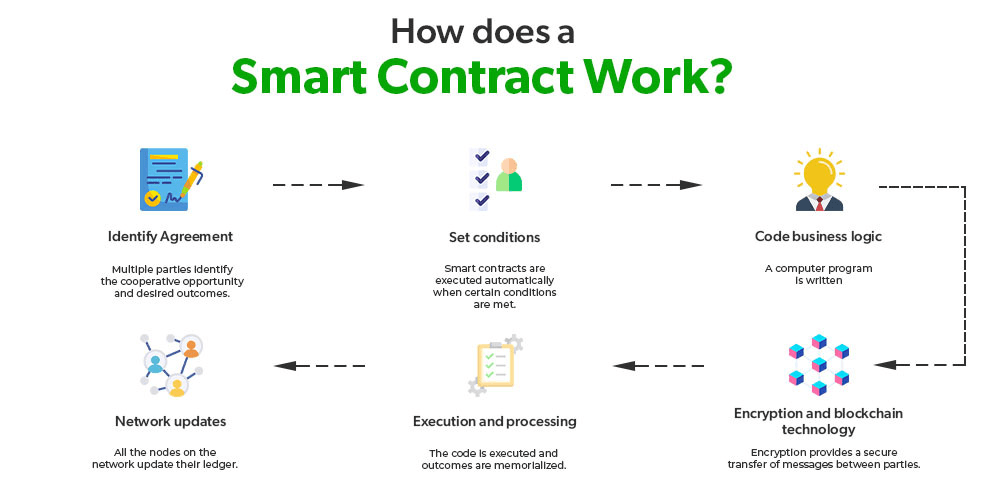
Web3 games aren't stored directly on the blockchain. They use standard gaming infrastructure and web2 technology for the game environment. Players link their wallets to the game, while developers use smart contracts to bridge the web2 software with web3 components.
(3) Smart contracts and wallets
Smart contracts are critical in web3 gaming. They transfer digital assets like gaming NFTs or fungible tokens to players' wallets when earned. When developers set up a gaming DAO, smart contracts facilitate and count votes, ensuring transparent decision-making.
Bring web2 IP to web3?
Any web2 game could theoretically become a web3 game. Major developers like Ubisoft and Square Enix have started integrating web3 elements into their titles, including franchises like Tom Clancy's Ghost Recon.
Decentralization is a core feature of blockchain-based gaming. Many developers use gaming decentralized applications (dApps) to handle in-game transactions and blockchain interactions. These dApps run on interconnected nodes rather than centralized servers.
With decentralized node operators, player asset ownership, and decentralized governance, web3 games tend to be more player-driven than web2 games.
Benefits of web3 gaming?
The web3 gaming ecosystem delivers heightened transparency, security, and privacy. Here's why web3 gaming is gaining traction.
(1) Increased transparency
The web2 gaming industry has been criticized for opacity. Publishers often impose NDAs on developers and withhold footage until a polished demo exists.
While this can still happen in web3, its decentralized nature makes it less common. Many blockchain game developers share progress openly and involve players in decisions.
Transactions and item minting in web3 gaming are stored in public distributed ledgers, letting players see exactly how many of each item will exist. This transparency builds trust.
(2) Ownership of in-game assets
Web3 projects change gaming economies by letting players buy and sell their items. Gods Unchained lets players trade cards on the secondary market. Many web2 trading card games like Hearthstone and Magic: The Gathering Arena give players cards that can't be traded.
Some web2 games like Magic: The Gathering Online do let players buy and sell in-game items, but these items live on centralized servers. If the developer shuts down the server, the items disappear.

(3) Security and privacy
In web3 gaming, items, achievements, and cryptocurrency rewards are stored on-chain. Distributed ledgers improve account security through decentralization and cryptography. Storing player data on-chain reduces hacking risk because there's no single point of failure.
(4) Interoperability and cross-platform play
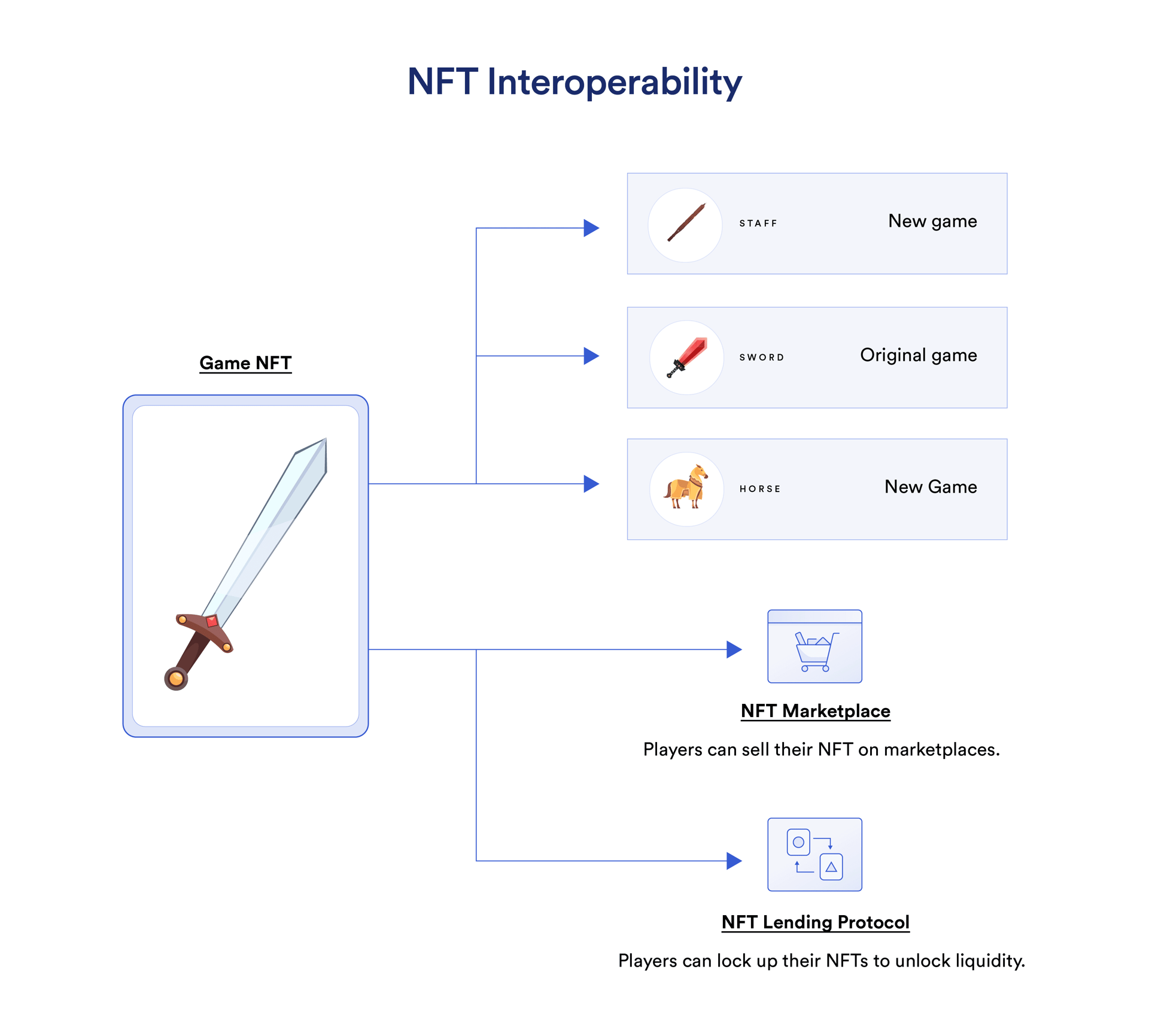
Using NFT-based skins, characters, and items across multiple games is an idea that's attracting companies like Sony. This won't happen immediately, but it's an intriguing possibility.
Gaming interoperability faces major challenges. Developers would need to accommodate items transferred from other franchises, which requires serious work. Creating hundreds of items in an Elder Scrolls game to match those earned in The Legend of Zelda would be a massive undertaking.
We may soon see games that reward players with comparable gaming assets based on their crypto wallet contents. If you earn rare armor in The Legend of Zelda, you might receive similar rare armor in Elder Scrolls when you connect your wallet.
Web3 gaming use cases?
(1) Play-to-earn games
These games let players earn profits while playing. Players often receive NFTs for completing missions or ranking high on daily, weekly, or monthly leaderboards. These NFTs can be used in-game or traded on the secondary market. Some play-to-earn games reward players with cryptocurrency tokens as they progress.
Example: Gods Unchained
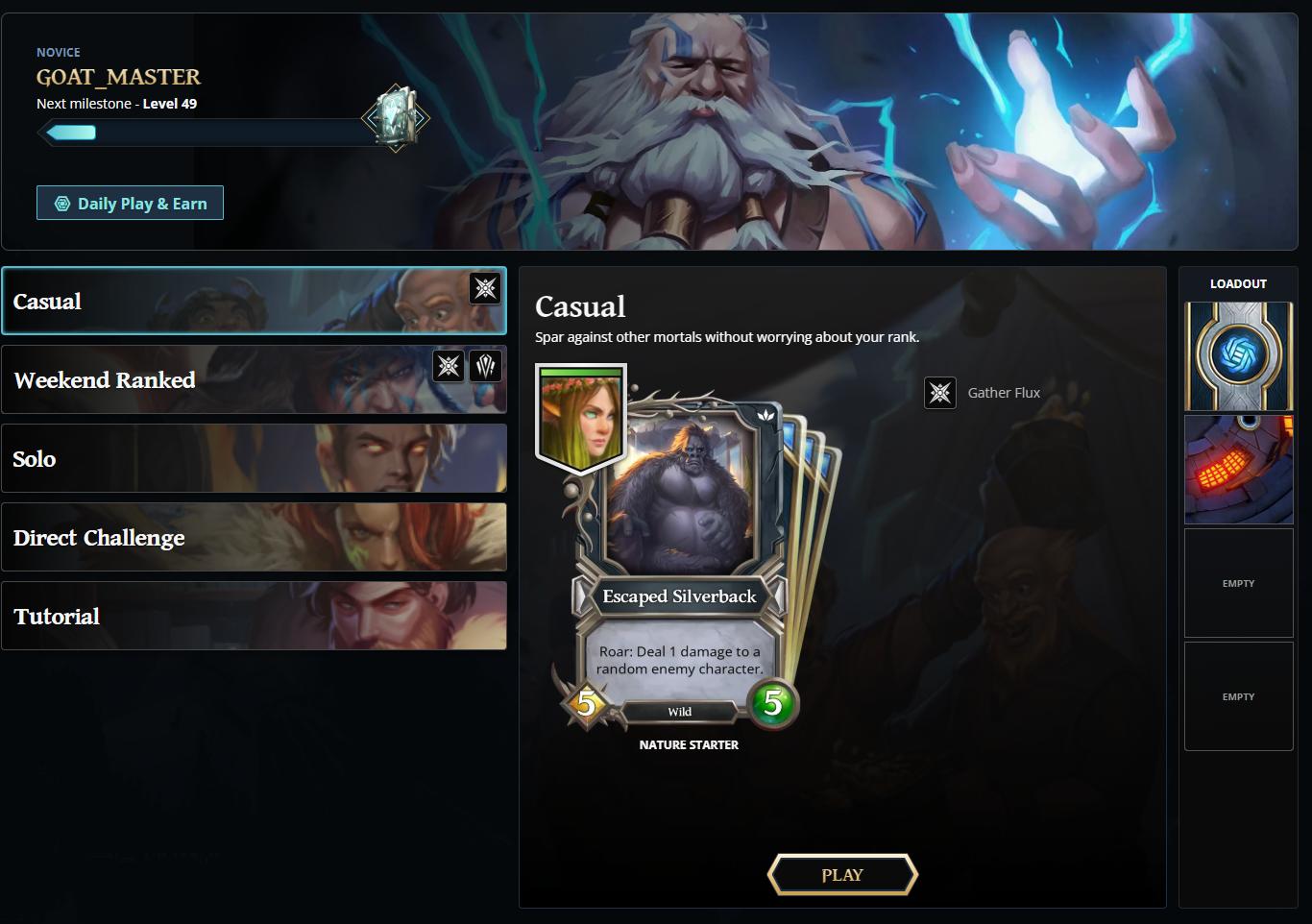
Gods Unchained is a popular play-to-earn and NFT trading card game by Immutable (IMX) on the Ethereum blockchain. Cards of varying rarities can be bought, sold, and traded as NFTs. Players build decks and earn $GODS tokens by playing and winning. These tokens can buy new card packs or contribute to in-game governance.
Gods Unchained plays like popular online card games such as Hearthstone and Legends of Runeterra. In this player-versus-player format, you use decks of cards to outwit opponents and win.
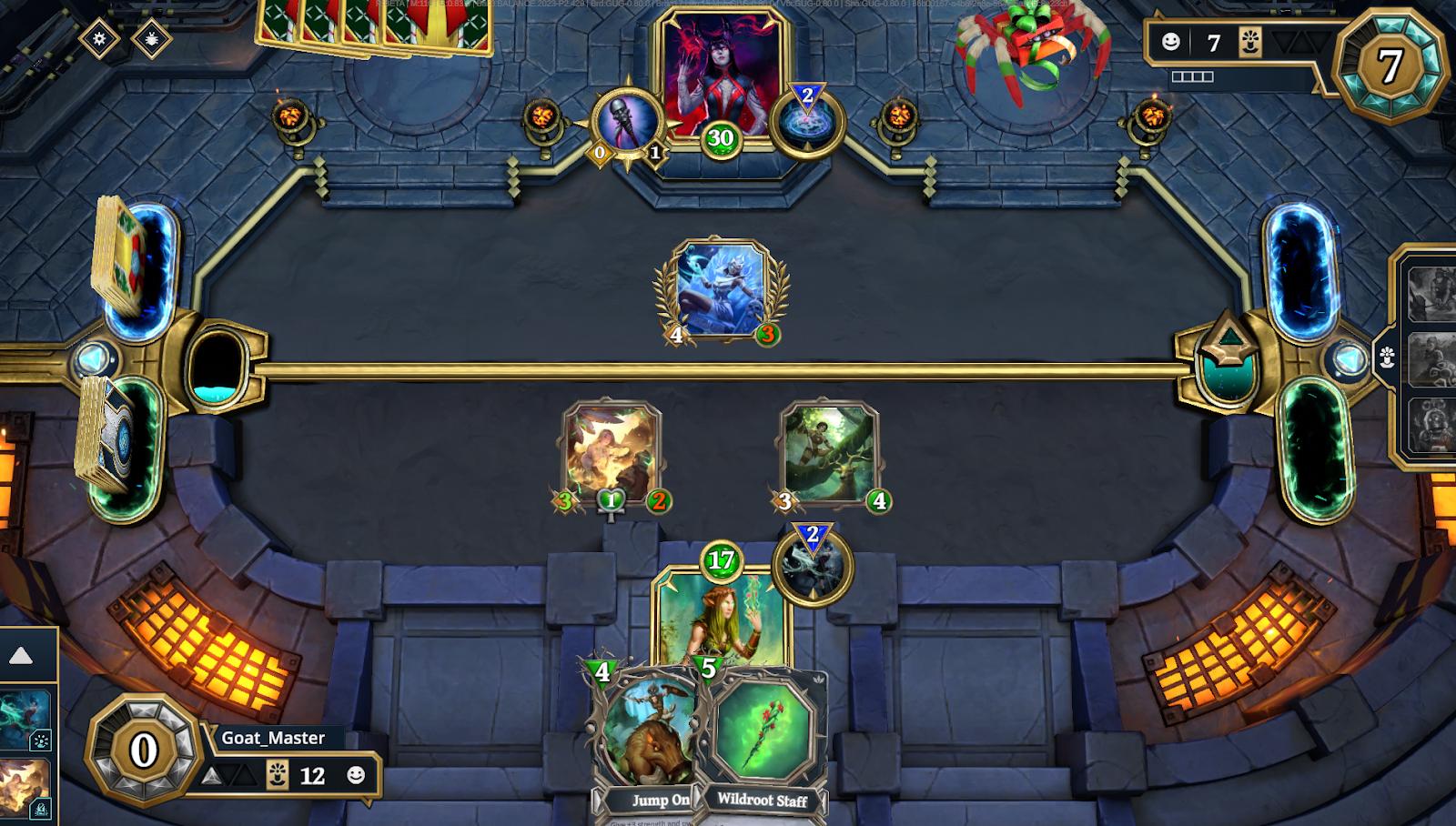
To expand their collection, players buy randomized packs of NFT cards using the game's native currency, $GODS tokens. This currency can be purchased from a marketplace or earned through gameplay. Once acquired, players have full ownership of these NFT cards, and a dedicated marketplace facilitates buying and selling.
Gods Unchained integrates blockchain technology to elevate a familiar gaming model. Unlike Hearthstone or Legends of Runeterra, where players don't fully own their cards, Gods Unchained uses NFTs to replicate the benefits of physical card games like Yu-Gi-Oh! and Magic the Gathering. This includes the freedom to trade, buy, and sell cards in the digital realm.
(2) Metaverse and virtual worlds
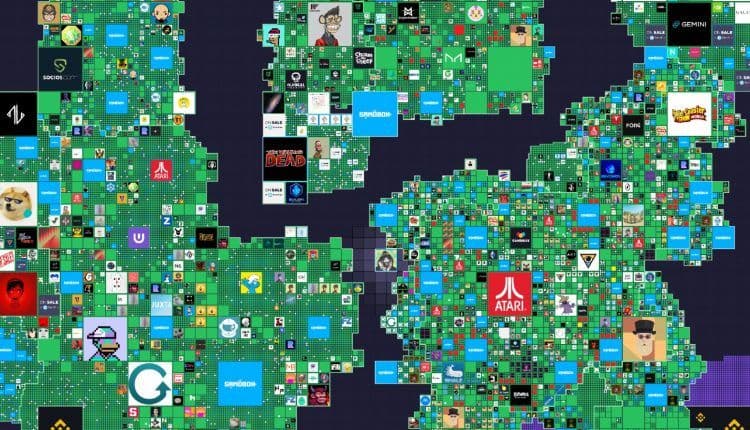
Virtual land plots can be represented as NFTs, letting players buy and sell them on the secondary market. Many web3 metaverse projects let players purchase items using cryptocurrency, creating a decentralized marketplace for virtual assets and experiences.
Example: The Sandbox
The Sandbox, a decentralized virtual world with over 27,000 landowners in its alpha phase, now hosts nearly 700 live player-created games with 50,000 to 100,000 monthly active users. Fueled by the $SAND token, Sandbox features a user-friendly Game Maker that empowers creators in game design, asset creation, and world-building.
Recent partnerships with over 400 top brands, including FaZe Clan, The Walking Dead, Snoop Dogg, and Ubisoft, have expanded the platform's appeal. The metaverse now has over 20 branded avatar collections, letting players express themselves through digital identities.
The Sandbox is a metaverse game with unique play-to-earn elements. Players can buy and sell land for games and virtual experiences. You can also design gaming assets in Sandbox's VoxEdit software, which can be sold in the Sandbox marketplace and used to build scenes or games.
(3) Gaming DAOs
DAOs (Decentralized Autonomous Organizations) influence web3 gaming in several ways. Investment DAOs collaborate to invest in web3 gaming projects, pooling resources and expertise.
Video game publishing companies structured as DAOs let employees participate in business decisions through voting, creating a more democratic workplace while sharing company profits.
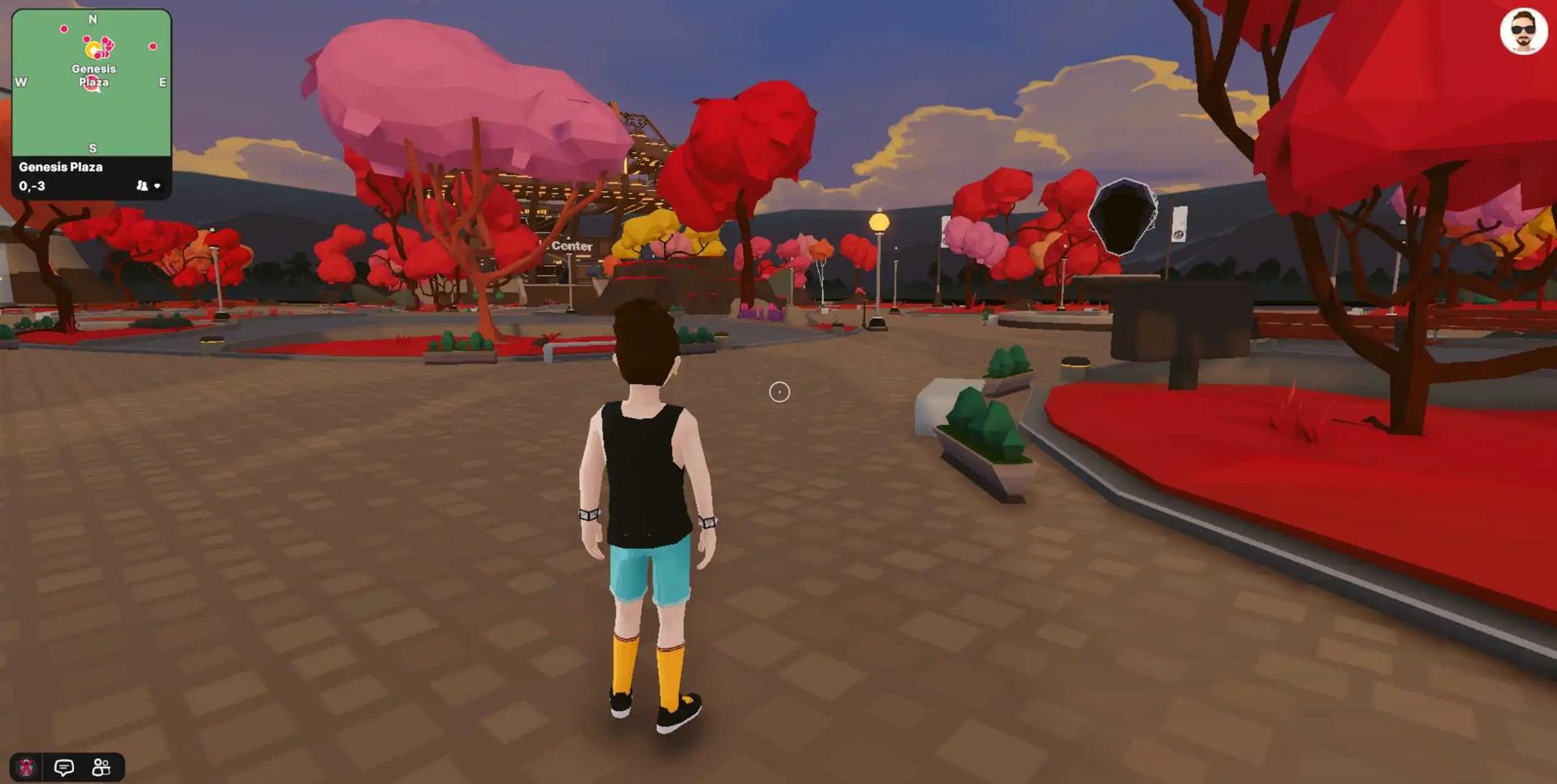
Web3 gaming projects like Decentraland use governance tokens to let players actively shape the game's growth and development. Through these tokens, players engage in decision-making processes in a decentralized manner.
The future of web3 gaming?
Web3 offers a glimpse into gaming's future, promising a decentralized and transparent environment where players have greater control and ownership over their virtual experiences.
The potential benefits — true digital scarcity, secure transactions, and player-driven economies — could reshape the gaming landscape. But challenges remain: scalability issues, regulatory concerns, and the need for widespread adoption.
With continued innovation and collaboration within the gaming and blockchain communities, web3 could usher in a new era that empowers players and developers. As technology and gaming evolve, whether web3 is gaming's future remains an open question awaiting further exploration and development.
This article was inspired by an original blog post from Hedera you can read the full post on their website here for more information.