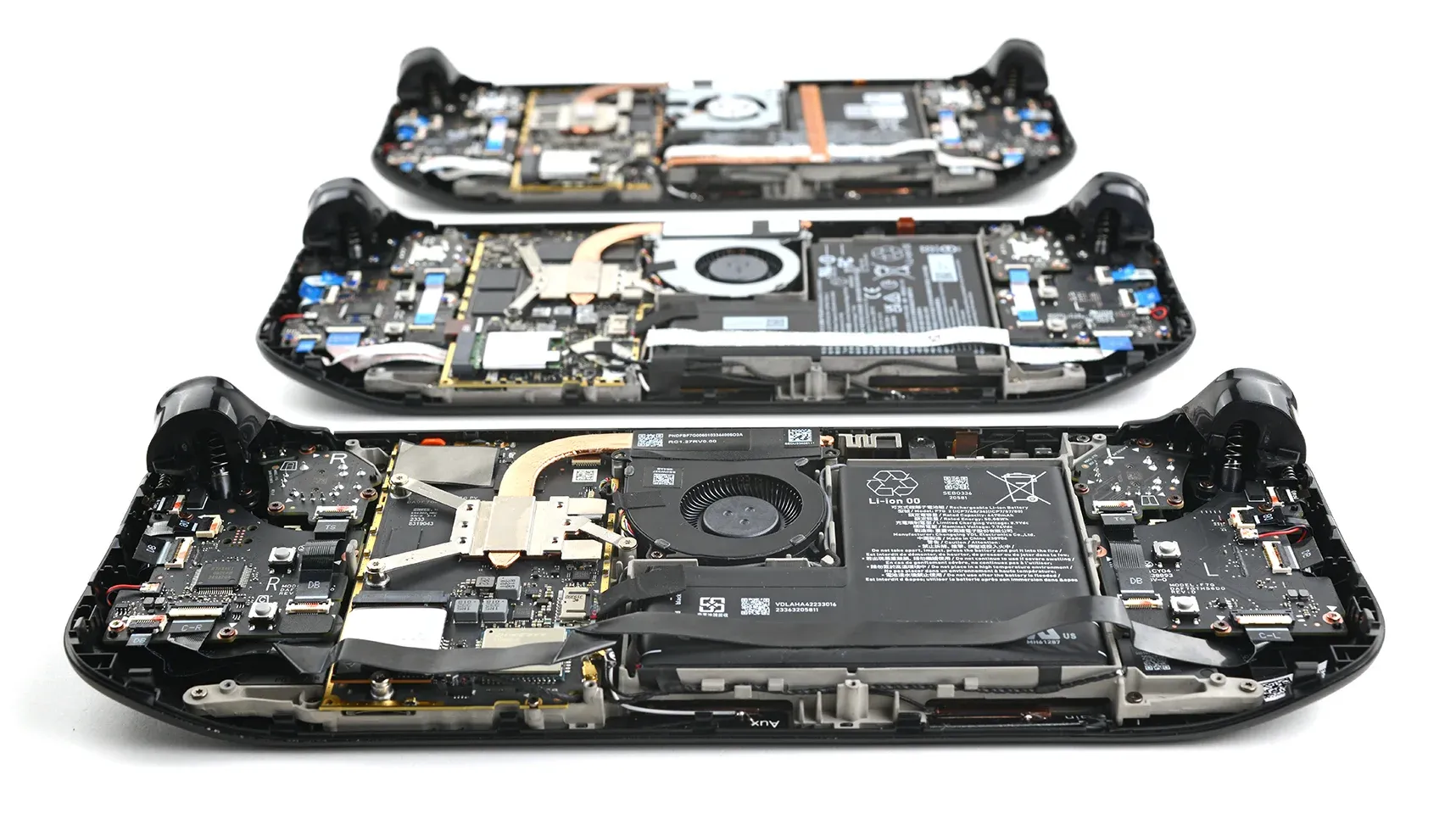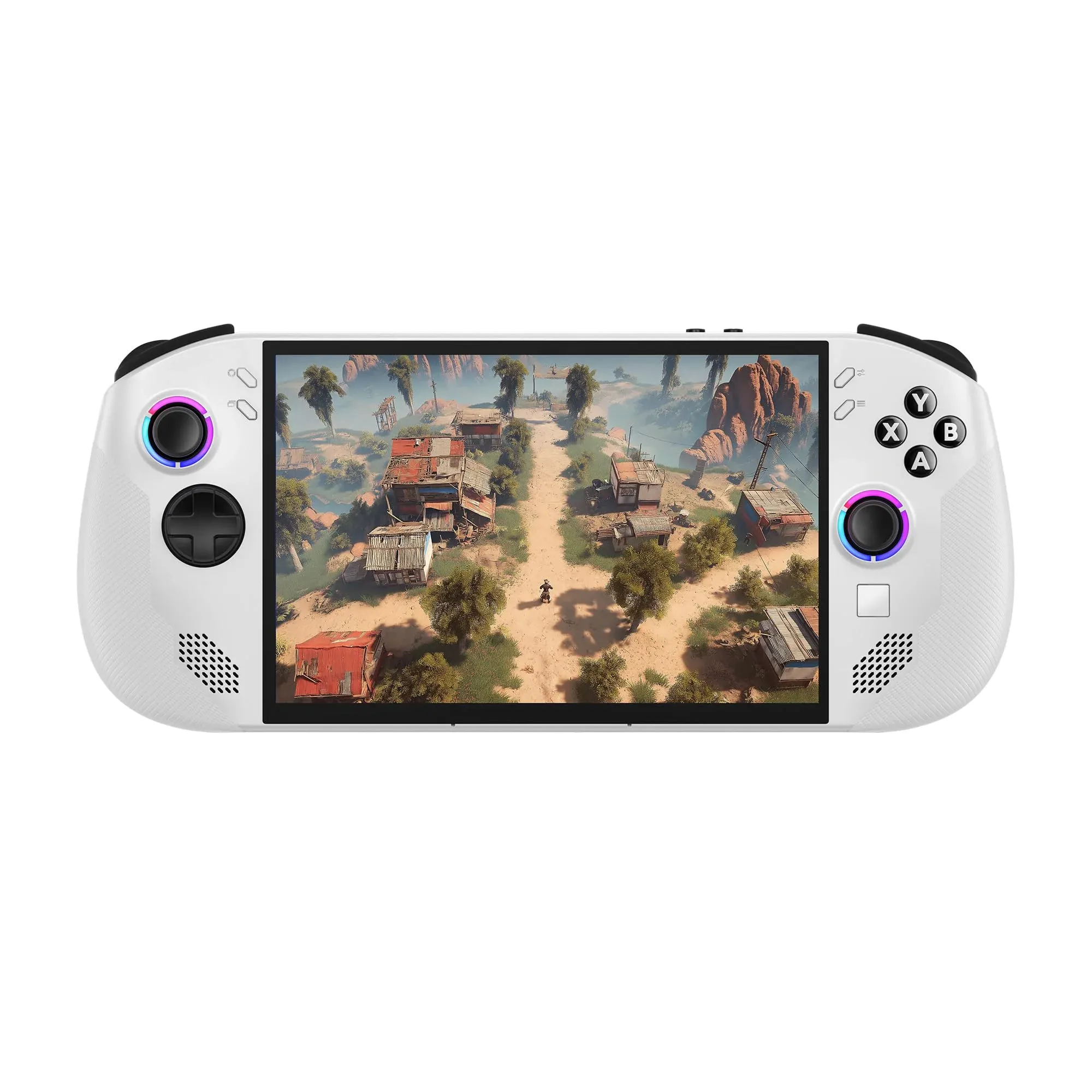


The Lenovo Legion Go S has just dropped to $635.54 at Lenovo's own store, down from a bloated $1,137.41 MSRP. That's a 44% discount, roughly $502 back in your pocket, and it puts the Legion Go S below the Steam Deck OLED's current $789 price tag for its base 512GB configuration.
That price gap matters right now. Handheld gaming PCs have been getting more expensive across the board in 2026, with Valve's Steam Deck OLED sitting at nearly $800 before you've spent a cent on storage upgrades or accessories. Finding anything capable under $700 has become genuinely difficult.

Use code TRYHARD33 at checkout to redeem this offer before code expires again.
Get 33% Off GAMES+ Subscription
How 2026 pricing broke the mid-range handheld market
The Legion Go S launched at $499.99. That was already a reasonable ask for what you were getting: an AMD Ryzen Z2 Go processor, a larger display than the Steam Deck, and a higher resolution panel to go with it. Then 2026 happened, and that $499 device somehow ended up listed at over $1,100 at retail.
That's the broader problem with the handheld market right now. Tariffs and supply chain pressure have pushed MSRPs on almost every device northward, and the Steam Deck OLED has not been immune. Valve's handheld going from a competitive price to nearly $800 for the entry model has left a real gap in the market for anyone who wants portable PC gaming without spending console-plus-game money.
What $636 actually buys you here
Here's the thing: the Steam OS version of the Legion Go S is arguably the better buy anyway. The Windows 11 version drew criticism for the usual handheld Windows headaches, but strip that out and the hardware itself earned near-full marks for design. The adjustable triggers, improved grip ergonomics, and that larger display all hold up.
In benchmark testing, the Legion Go S outperformed the Steam Deck OLED on raw performance numbers. The display runs at a higher resolution and faster refresh rate, even without an OLED panel. For portable gaming on Steam's library, the Steam OS version removes most of the friction that made the Windows model frustrating to use.
The key here is context. At $1,100, this device made no sense. At $636, it's a different conversation entirely.
Where it sits against the competition
The ASUS ROG Xbox Ally at $599 is the other option worth flagging here. You'll trade some GPU core count compared to the Legion Go S's Z2 Go configuration, but you gain easier access to storefronts beyond Steam. For players with large libraries spread across Xbox Game Pass, Epic, and GOG, that flexibility has real value.
For anyone already deep into Steam's ecosystem, the Legion Go S at this price is harder to dismiss. It's not quite back at its original launch price, but given where the rest of the market has gone, $635 for a device that benchmarks above the Steam Deck OLED is a meaningful deal.
If you're optimizing for performance on handheld hardware, it's also worth checking out our Far Far West settings optimization guide for tips on squeezing the best FPS out of devices exactly like this one, or our Helldivers 2 PC settings guide if that's in your library rotation.
Pricing in the handheld space has been rough enough that a discount this size feels like news rather than routine retail movement. Whether Lenovo holds this price or it creeps back up, check out our gaming guides for help getting the most out of whatever handheld ends up in your hands.