

A beloved Nintendo mobile racer just got slapped with an adults-only label, and it has nothing to do with its conten
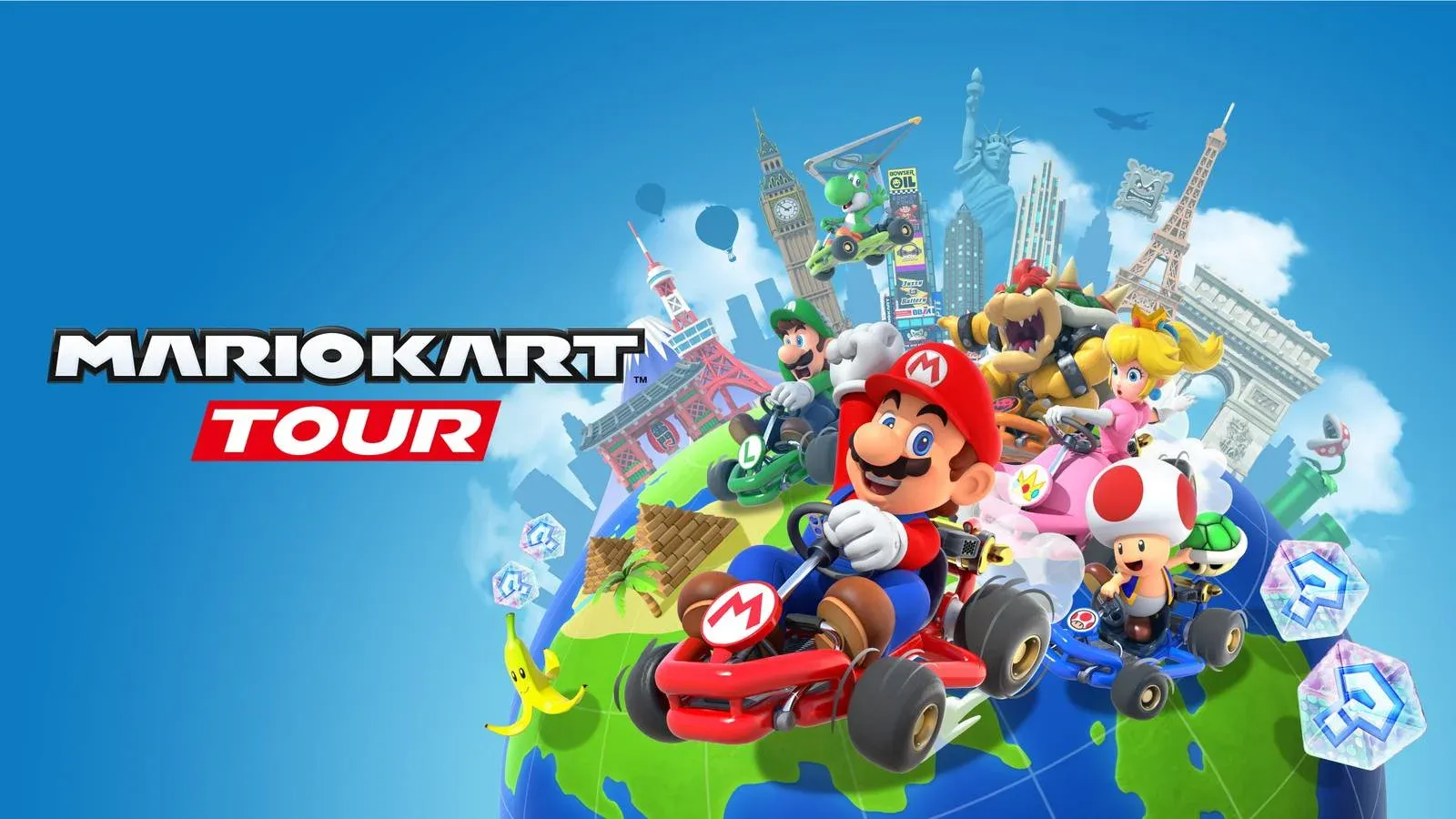
Mario Kart Tour, Nintendo's free-to-play mobile spin-off has been re-rated 18+ in Brazil by the country's ratings authority ClassInd. The reason? Its gacha mechanics, where players spend real money on randomized pulls that don't guarantee worthwhile rewards. The same mechanic that's been quietly sitting in the game since launch is now officially being treated as gambling content in one of the world's largest mobile markets.
How PEGI's New Rules Are Reshaping the Global Ratings Landscape
The Brazil re-rating didn't happen in a vacuum. Last week, PEGI (Pan-European Game Information) announced a significant overhaul to how it evaluates games, expanding its criteria well beyond traditional content like violence or language. The updated framework now accounts for things like loot boxes and randomized purchases, dark patterns that pressure players into continuous play, and harmful online behavior.
This is a meaningful shift. For years, ratings boards focused almost entirely on what a game showed you. PEGI's new approach also asks what a game does to you, and whether its design nudges players, especially younger ones, toward compulsive spending or engagement.
The ripple effects are already visible. Pokémon Pokopia saw its rating climb from 3+ to 7+ because its mechanics encourage players to return on a schedule, which now falls under PEGI's new "play-by-appointment" category. Animal Crossing and Clash of Clans are also being scrutinized for similar reasons.
The ESRB Is Pushing Back Hard
North America's ratings body isn't playing along. The ESRB responded to PEGI's changes by calling the approach potentially "confusing" for parents and players. In a statement to The Game Business, an ESRB representative said the organization's ratings are based strictly on a game's content and the context in which it's presented, and that non-content factors influencing age ratings would muddy the waters.
Here's the thing, though: that position is getting harder to defend. When a game designed around cartoon racing can receive an adults-only classification in one country while staying rated for general audiences in another, the inconsistency becomes the story. Parents in Brazil are now being told Mario Kart Tour isn't appropriate for their kids. Parents in the US are getting no such signal.
What This Means Beyond Mario Kart Tour
The Brazil situation is a preview of where things are heading globally. EA Sports FC, a paid game built around gambling on randomized player card packs, is arguably the most exposed title under these new standards. Roblox, massively popular with children, faces its own set of concerns under the updated PEGI lens.
What most players miss is that these ratings don't just affect whether a game gets a warning label. In many parts of Europe and the UK, regulators are actively working to enforce stricter barriers around digital spaces accessible to minors. The age rating is becoming less of a suggestion and more of a legal threshold.
PEGI director Dirk Bosmans acknowledged the tension directly, telling The Game Business: "We're conscious of the concerns that ESRB voices. If we add this, are parents losing information? You do want to inform them both about the content and the context of video games."
It's a fair point. Cramming content warnings and behavioral design flags into a single age number is an imperfect solution. But doing nothing while gacha mechanics target younger players isn't a great look either.
For now, Mario Kart Tour sits in a strange position: a game that removed its most controversial gacha mechanic back in 2022 still carrying the regulatory weight of its monetization history. The broader question of how ratings enforcement actually works in practice, especially across app stores and digital storefronts, is one the industry hasn't answered yet. Keep an eye on how other markets respond in the coming months, because Brazil almost certainly won't be the last. Make sure to check out more: