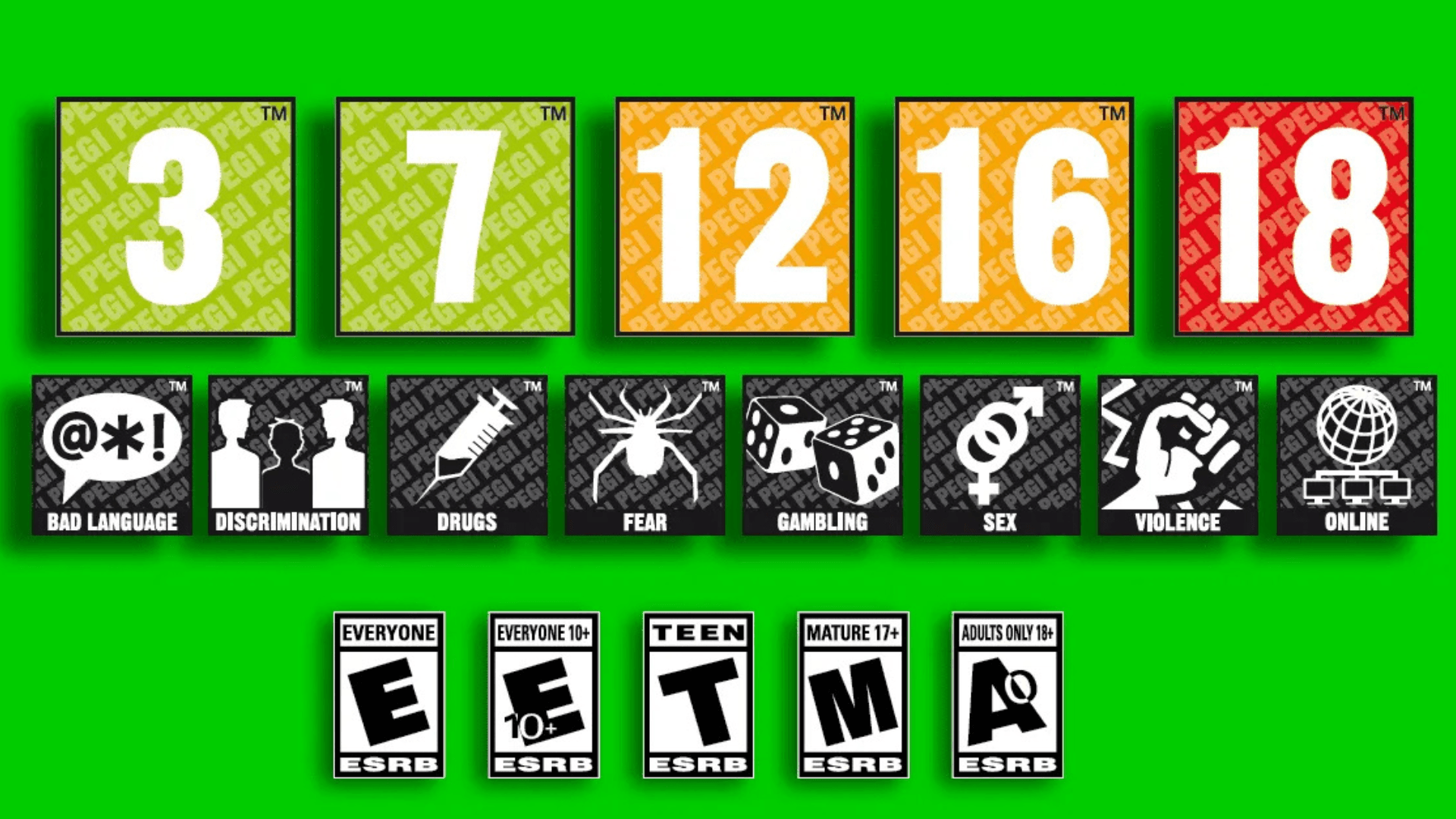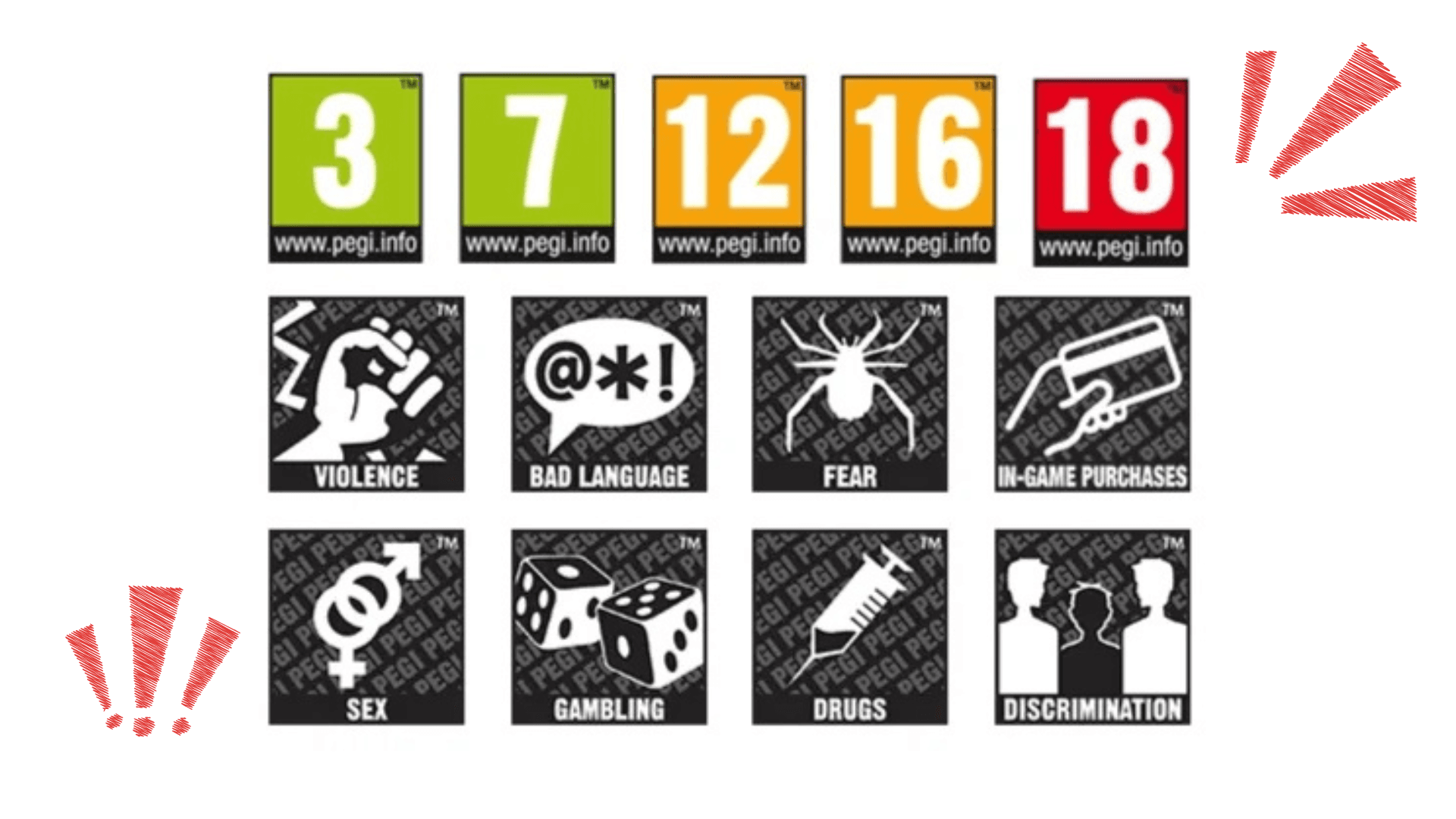

The Pan-European Game Information (PEGI) system is overhauling how it rates games. Starting June 2026, the classification framework will expand beyond traditional content warnings to evaluate gameplay systems like loot boxes, monetisation tactics, daily login rewards, and online communication tools. The goal is straightforward: give parents and players a clearer understanding of what they're getting into before they start playing.
The changes mark a shift in how age ratings work. Instead of focusing solely on violence, language, or sexual content, PEGI will now assess the mechanics that shape how players spend time and money in games. This includes everything from gacha systems to blockchain integration to whether a game punishes you for not logging in every day.

Loot boxes and paid random items receive higher age ratings
Games that include paid loot boxes or any form of purchasable randomised rewards will now default to a PEGI 16 rating. If the monetisation is particularly aggressive or central to progression, the rating can climb to PEGI 18. The decision reflects growing concern about gambling-adjacent mechanics in games marketed to younger audiences. If a game asks players to pay real money for a chance at something useful, PEGI wants parents to know upfront.
This isn't just about cosmetics. Any system where you spend money and don't know exactly what you'll get qualifies. That includes gacha pulls, mystery boxes, and card packs. The rating applies whether the items affect gameplay or not.
NFTs, blockchain, and digital ownership impact ratings
Any game that uses NFTs or blockchain-based mechanics will automatically receive a PEGI 18 classification. No exceptions. The reasoning is simple: these systems involve real financial transactions, digital ownership with real-world value, and regulatory grey areas that make them unsuitable for minors. If a game lets you buy, sell, or trade items on a blockchain, it's getting an adult rating.
This applies even if the blockchain elements are optional or cosmetic. The presence of the system alone is enough to trigger the rating.
Daily rewards and timed events now factor into ratings
Games that reward players for logging in daily or completing time-limited quests will receive a PEGI 7 rating. If a game goes further and actively penalises players for missing these events (like losing streak bonuses or falling behind in competitive seasons), the rating jumps to PEGI 12. The distinction matters because one approach nudges players to return, while the other punishes them for not doing so.
The update targets retention mechanics that encourage habitual play. PEGI wants parents to understand when a game is designed to keep kids coming back every single day, especially if missing a login means losing progress or rewards.
Communication features under increased scrutiny
Online multiplayer games with unrestricted communication systems that lack proper moderation, reporting, or blocking tools will now receive a PEGI 18 rating. This covers voice chat, text chat, and any other form of player-to-player communication where there's no way to filter or report abusive behaviour. If a game lets strangers talk to your kids without safeguards, it's getting an adult rating.
Games with moderated chat or robust reporting systems won't be affected. The focus is on titles that offer zero protection against harassment, grooming, or exposure to inappropriate content from other players.
Collaboration with Germany's USK ratings body
PEGI's changes follow Germany's Unterhaltungssoftware Selbstkontrolle (USK), which implemented similar rules in 2023. Early data from Germany shows that roughly 30% of games submitted under the new criteria required reassessment, with about a third of those receiving higher age ratings. PEGI director Dirk Bosmans confirmed that the organisation studied the German rollout to refine its own approach and avoid surprises when the rules go live.
The collaboration means the two systems will align more closely, making it easier for developers to navigate European ratings and reducing inconsistencies between markets.
A more transparent approach to game ratings
The updated framework represents a broader shift in how games are evaluated. Instead of treating ratings as purely content-based (violence, sex, language), PEGI is now assessing the systems that influence player behaviour. Loot boxes, blockchain mechanics, daily login rewards, and unmoderated chat all shape the experience in ways that traditional content warnings don't capture.
For parents, this means more information about what their kids are actually doing in a game. For players, it means clearer expectations about monetisation and engagement mechanics before they commit time or money. The system isn't perfect, but it's a step toward rating games based on how they're designed to be played, not just what they show on screen.
Make sure to check out our articles about top games to play in 2026:
Best Nintendo Switch Games for 2026
Best First-Person Shooters for 2026
Best PlayStation Indie Games for 2026
Best Multiplayer Games for 2026
Most Anticipated Games of 2026
Top Game Releases for January 2026
Frequently Asked Questions (FAQs)
What are the new PEGI age ratings for games with loot boxes?
Games with paid loot boxes or randomised item purchases will default to PEGI 16. If the monetisation is extensive or central to the game, the rating can increase to PEGI 18.
How will daily rewards and timed events affect game ratings?
Games that offer daily login rewards or time-limited quests will receive a PEGI 7 rating. If the game penalises players for missing these events, the rating increases to PEGI 12.
Are NFT or blockchain games rated differently under PEGI?
Yes. Any game with NFTs or blockchain mechanics will automatically receive a PEGI 18 classification because of the financial and transactional risks involved.
How does PEGI assess online communication systems?
Games with unrestricted communication that lack blocking or reporting tools will receive a PEGI 18 rating. This protects younger players from unmoderated interactions with strangers.
When will these new PEGI rules take effect?
The updated criteria go live in June 2026 and will apply to all new game submissions from that point forward.
Why did PEGI consult with Germany's USK?
Germany implemented similar rules in 2023, and PEGI studied their experience to refine the rollout and ensure consistency across European markets.