The kind of choice-tracking system Mass Effect fans have wanted for years actually existed, built, tested, and working inside a canceled BioWare project that never made it to launch.
Former BioWare technical director Romain Toutain went public on a recent livestream with details about the canceled project known internally as Mass Effect: Universe. The game was designed to pull save data from the entire Commander Shepard trilogy, including Mass Effect 3, and use every major decision players made across those games as the foundation for a branching timeline system.
What Toutain actually described
"All the choices made in the first Mass Effect games were taken into account," Toutain said during the stream, in comments translated from French by a Bluesky user. The name "Mass Effect: Universe" was chosen deliberately. Players could connect their saves to generate what Toutain called parallel universes, though he was quick to clarify the mechanics went deeper than that simple framing.
"You had different timelines, basically," he explained.
Here's the thing: this was not a vague design document promise. Toutain described a working technical system. The game tracked the logical state of every element in the world at all times, and a solver could be queried at any moment to check whether a given scenario was valid given the player's accumulated choices. If it was not, the system would identify exactly what conditions needed to change to make it valid. That is a genuinely different approach to branching narrative than the flag-flipping most RPGs use.
For comparison, he pointed to Spike Chunsoft's 2016 game Zero Time Dilemma as a reference point for how players could move between timelines and experiment with the story's many branches. He also confirmed the project would have had something similar to Dragon Age's lore-tailoring Keep application for players who did not have saves to import.
The scope of what was lost
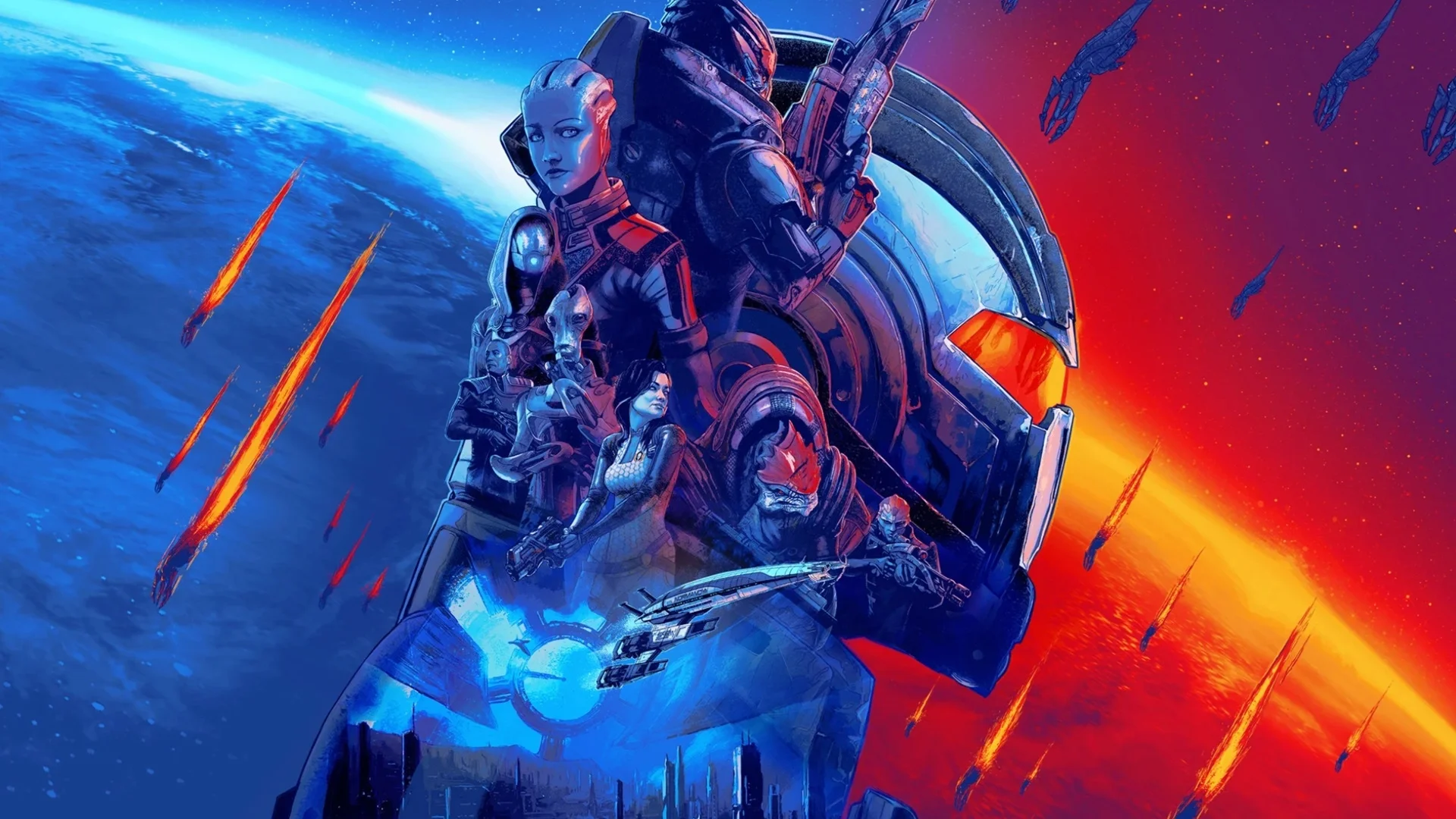
The original trilogy built its identity around consequence. Relationships, species-level decisions, major character deaths, the survival of entire civilizations: all of it carried forward from game to game. Mass Effect: Andromeda, released in 2017, sidestepped that legacy entirely by jumping to a new galaxy with a new protagonist. Mass Effect: Universe was apparently the project that would have returned to it head-on.
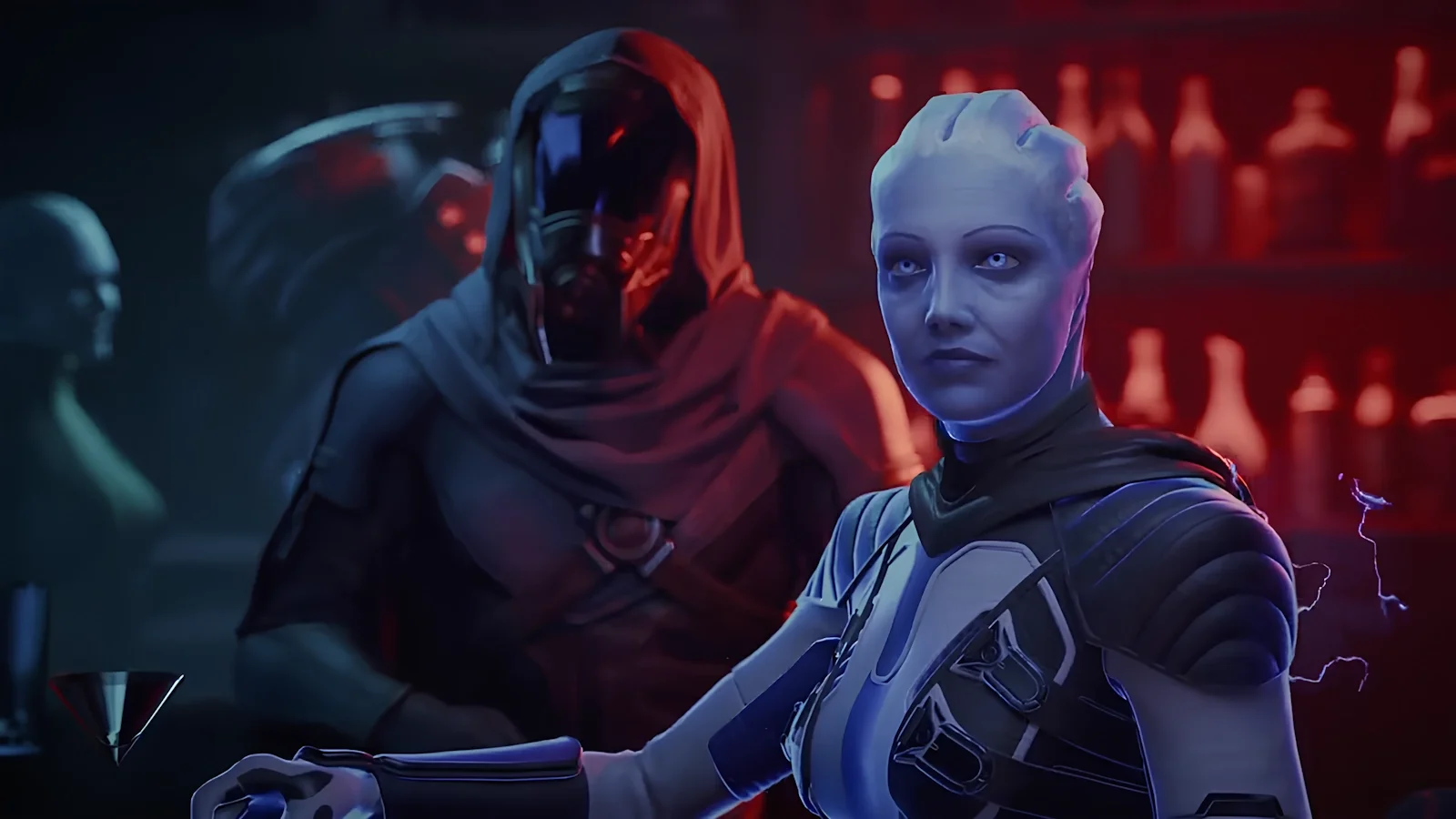
Toutain also mentioned that a Reaper-like hand visible in recently leaked footage had an internal name: Billy. He said the team's goal was to give every player a genuinely unique experience, which lines up with the ambition of the timeline system he described.
EA confirmed the shutdown of BioWare and the cancellation of the project earlier this month. A fan petition under the #SaveMassEffect campaign reached 185,000 signatures following that announcement. A full trailer and gameplay details describing missions with "Hitman-style freedom" also surfaced in the leak wave that followed the closure news. A Prime Video adaptation of the franchise is still reportedly in development.
What most players miss about this revelation
The detail that stands out is not the ambition of the concept, it is that Toutain keeps saying it worked. Most canceled game features are described in terms of what they hoped to achieve. Toutain describes testing a logic solver in a running build. That shifts this from "interesting design idea" to "functioning technology that will not ship."
For anyone who spent time building the perfect Shepard across three games, that distinction stings a little more. If you want to revisit the trilogy that started it all while waiting to see where the franchise goes next, the Mass Effect 3 strategy guides are a solid place to start.