

"Nintendo has an odd habit of being cagey about which development teams are behind the games it publishes."
That habit held true again this week. When Nintendo officially revealed Metroid Ravenous during its September 11 Nintendo Direct, the company said nothing about who was actually building the game. But the developer answered that question itself, just not through official channels.
MercurySteam, the Madrid-based studio behind Metroid Dread, reposted the Metroid Ravenous announcement trailer on its LinkedIn page with a smiling emoji. No press release, no formal announcement. Just a studio quietly waving its hand.
The studio also posted on its official X account, sharing the trailer alongside a ninja and heart emoji. Cryptic? Yes. Deniable? Barely.
What Nintendo announced but didn't explain
Metroid Ravenous was the headline Metroid news from Wednesday's Nintendo Direct, arriving about a month after Brazil's game rating board accidentally leaked the title early. The trailer shows Samus Aran stranded on a hostile alien planet, but this time the power dynamic is flipped. Having previously become a human-Metroid hybrid, Samus now uses energy-absorbing abilities to hunt and consume her enemies. The game's title is not subtle about where this is going.
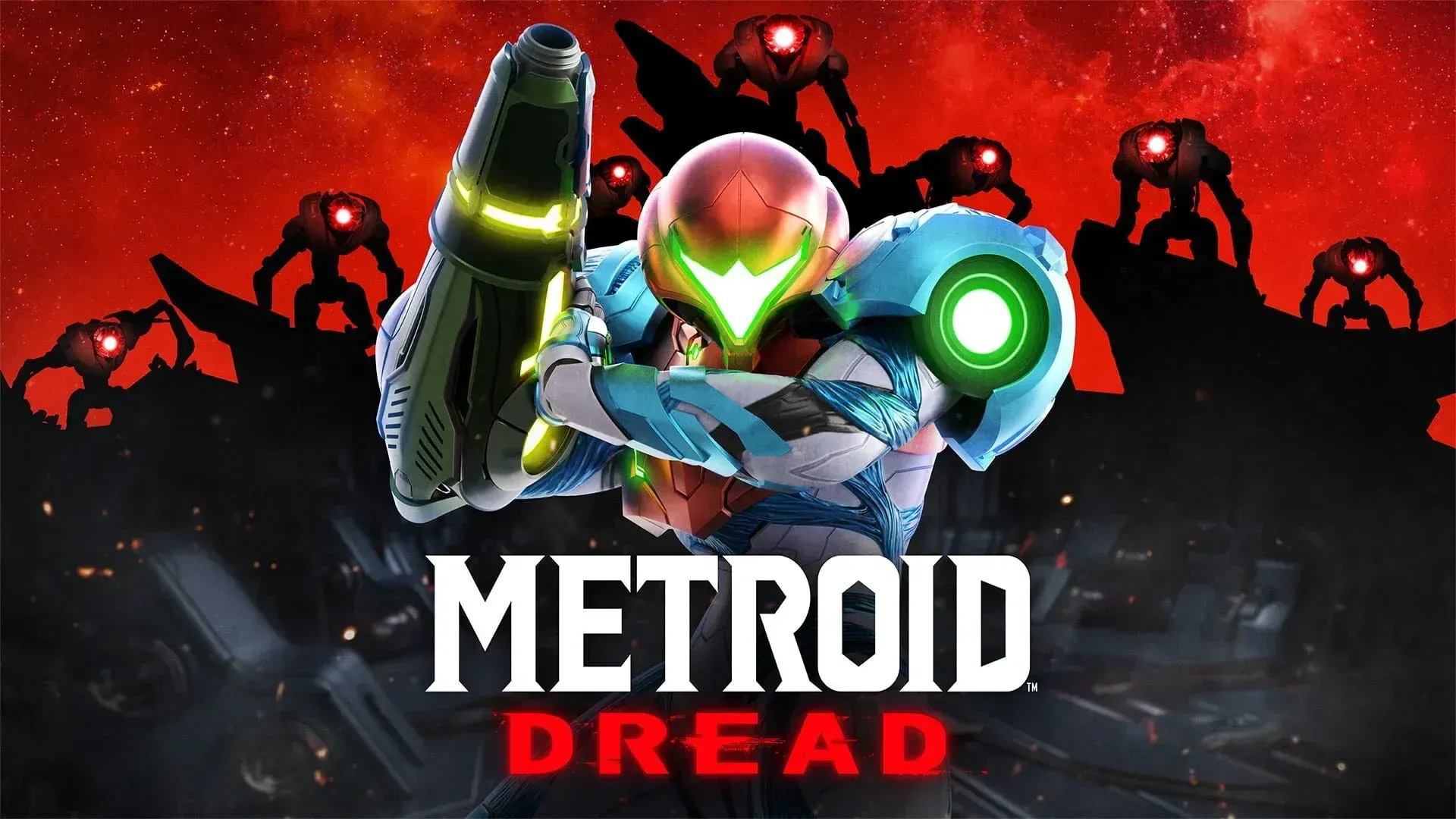
Here's the thing: if Metroid Dread was fundamentally about being the prey, stalked by unkillable EMMI robots with nowhere to run, Ravenous appears to flip that entirely. Samus as apex predator is a genuinely different angle for the series, and one that fits where Dread left the character narratively.
Metroid Ravenous launches on Nintendo Switch 2 on January 28, 2027.
MercurySteam's history with the series
MercurySteam has been building its Metroid credentials for years. The studio, founded in 2002, worked on Metroid: Samus Returns before delivering Metroid Dread in 2021 to wide acclaim. Before Metroid, the team built its name on Castlevania: Lords of Shadow and its sequel.
The studio's most recent non-Metroid project was Blades of Fire, an action-adventure game that underperformed commercially and received mixed reactions. A return to Samus makes a lot of sense from a portfolio standpoint.
Why Nintendo stays quiet about this stuff
Nintendo's reluctance to credit third-party developers publicly is a long-standing pattern. The company tends to present its published games as Nintendo products first, with the actual development studio as secondary information at best. For studios like MercurySteam, that means fans are often left piecing together who made what from social media posts and LinkedIn activity rather than official announcements.
What most players miss is that this isn't just a PR quirk. It has real implications for how studios get recognition, and in MercurySteam's case, the credits controversy around Dread made that tension very visible.
With Ravenous now confirmed for January 2027, the next question is what the game actually plays like beyond the premise. A full deep-dive gameplay reveal will almost certainly come before launch. For everything you need on the predecessor in the meantime, the Metroid Dread guides collection covers the full game if you want to catch up before Samus starts hunting. Broader gaming guides are there too if you need a refresher on anything else in your backlog before Switch 2's early 2027 lineup hits.