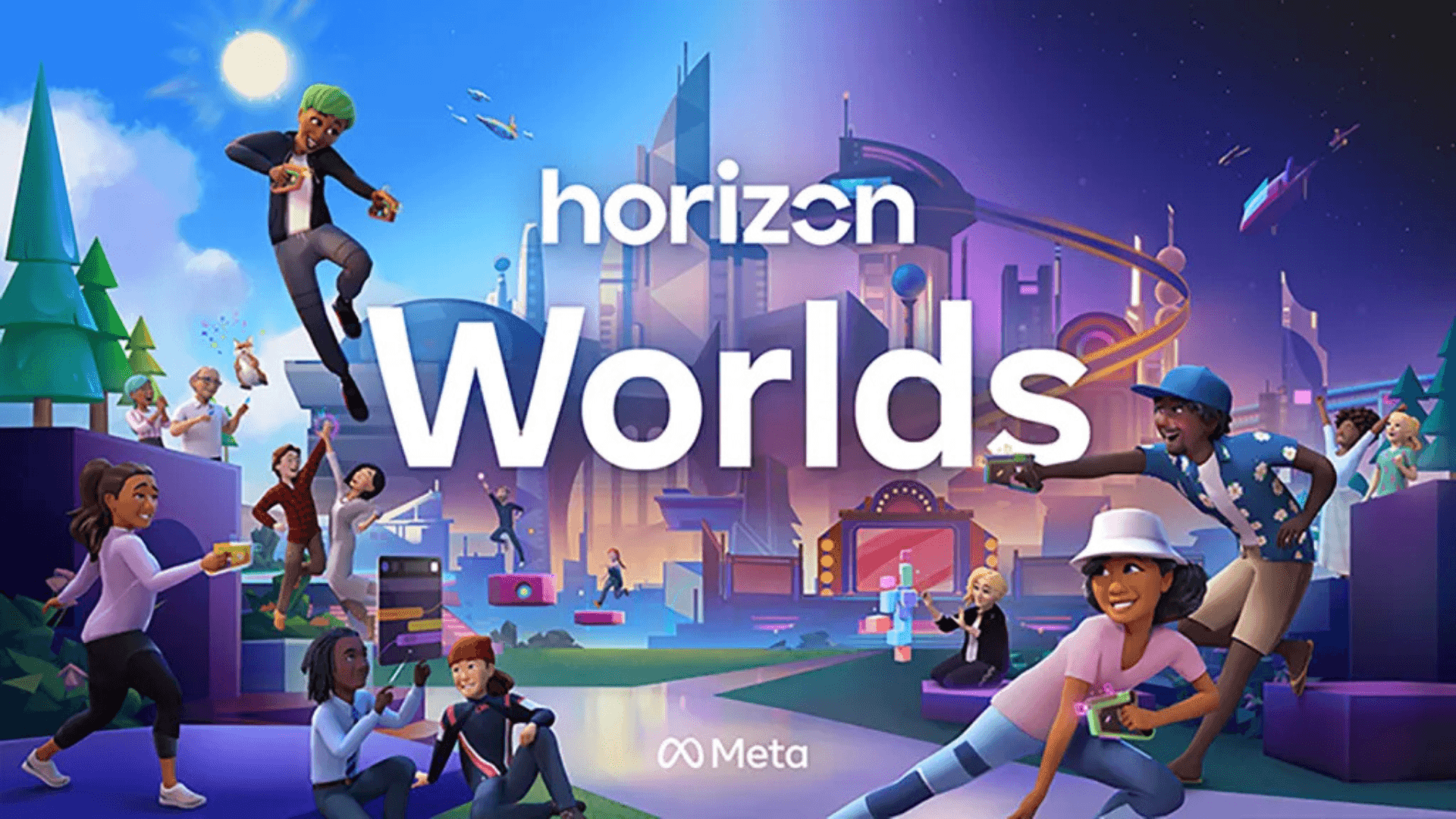


Meta Platforms, formerly Facebook, has announced a major shift for its social VR platform, Horizon Worlds. What started as a virtual reality space for creating and exploring 3D worlds is now pivoting to smartphones and tablets. The platform is ditching its headset-first approach and moving toward a Roblox-style model built around user-generated content that anyone can access without specialized hardware.
The company has poured over $70 billion into virtual and augmented reality since rebranding as Meta in 2021, but VR adoption hasn't kept pace with those investments. Moving to mobile opens Horizon Worlds to a vastly larger pool of potential users who already have the hardware in their pockets. The shift prioritizes reach and ease of access over the immersive experiences Meta originally promised.
Use code TRYHARD33 at checkout to redeem this offer before code expires again.
Get 33% Off GAMES+ Subscription
Restructuring Meta's VR and Reality Labs
On February 19, Meta announced it would separate its VR and Reality Labs division from Horizon Worlds. The restructuring gives both the hardware side and the Horizon Worlds platform room to develop independently. Horizon Worlds will now run as a free-to-play mobile platform centered on social gaming and creator-made content instead of VR immersion.
Meta pointed to early mobile testing results as proof the strategy could work. Initial access on phones and tablets showed stronger engagement than expected, suggesting the platform could build a larger, more active community by meeting users where they already are rather than asking them to buy headsets.
Horizon Worlds adopts a Roblox-style model
The mobile pivot puts Horizon Worlds squarely in competition with user-generated gaming platforms like Roblox. Meta highlighted several games gaining traction on the platform, including Grow A Garden, Steal A Brainrot, and Yeet Yourself. These titles lean into short, casual play sessions that appeal to younger players—a sharp turn from the VR-focused design that required dedicated equipment.
The timing makes sense. Roblox has posted consistent growth over the past few years, proving that mobile-friendly, socially driven, creator-powered platforms can attract and hold massive audiences. Meta is betting that following a similar blueprint will let Horizon Worlds scale without waiting for VR to hit mainstream adoption.
What this means for VR at Meta
Horizon Worlds may be leaving VR behind, but Meta insists virtual reality still fits into its long-term roadmap. The company continues building VR hardware and backing third-party VR developers. That said, recent internal moves—including the restructuring of VR game studios—suggest VR is no longer the centerpiece of Meta's consumer strategy. Mobile platforms and AI projects appear to be taking the lead.
The change also reflects the reality of building a consumer VR ecosystem at scale. The fully immersive metaverse Meta envisioned hasn't materialized at the pace the company expected. Mobile-first platforms offer a path to grow social and gaming communities without requiring users to invest in headsets or learn new hardware.
Industry context and outlook
Meta's decision underscores both the obstacles and openings in the metaverse and VR market. Consumer VR adoption remains niche compared to mobile gaming, while user-generated content platforms like Roblox keep expanding. By turning Horizon Worlds into a mobile platform, Meta is adapting to market conditions and user habits, choosing accessibility over immersion as the near-term growth driver.
This strategy could position Meta to compete in the social gaming space while keeping VR development alive in the background. The company's long-term metaverse ambitions may still include immersive experiences, but immediate growth is being chased through mobile gaming.
Make sure to check out our articles about top games to play in 2026:
Best Nintendo Switch Games for 2026
Best First-Person Shooters for 2026
Best PlayStation Indie Games for 2026
Best Multiplayer Games for 2026
Most Anticipated Games of 2026
Top Game Releases for January 2026
Frequently Asked Questions (FAQs)
What is Horizon Worlds?
Horizon Worlds is Meta's social platform where users can create, explore, and interact in 3D worlds. Originally built for VR headsets, it's now shifting to smartphones and tablets.
Why is Meta moving Horizon Worlds to mobile?
Meta is targeting mobile to reach more users and eliminate the need for VR hardware. Early mobile tests showed higher engagement than the VR-only version.
Will Horizon Worlds still support VR?
Yes, Meta is still investing in VR hardware and supporting third-party developers, but VR is no longer the platform's primary focus.
How is Horizon Worlds similar to Roblox?
The mobile version emphasizes short, casual, user-generated games similar to Roblox, targeting younger and casual players instead of VR enthusiasts.
Does this mean Meta is abandoning the metaverse?
Not completely. Meta continues pursuing VR and metaverse development long-term, but the immediate priority is building accessible mobile experiences.