
Security researchers at McAfee have uncovered a large-scale malware operation that used Minecraft as its primary attack vector, infecting more than 116,000 devices globally. The campaign, dubbed WeedHack, spread through fake mods, cheats, cracked installers, and community tools shared across Discord servers and gaming forums. Players thought they were downloading performance boosts or gameplay enhancements. They were not.
How 116,000 devices got compromised
WeedHack's distribution method was deceptively simple. Malicious files were packaged to look like legitimate Minecraft content and shared in gaming communities where trust between members is often taken for granted. Discord servers dedicated to mods, cheats, and pirated tools became the primary distribution channels.
Once installed, the malware harvested browser credentials, Discord tokens, crypto wallet data, screenshots, and personal files from infected machines. The operators then used that stolen data in ways that went well beyond typical financially motivated attacks.
Here's the thing: this campaign did not just steal passwords and move on. Researchers say victims faced targeted harassment, blackmail, and public humiliation using their own private information as leverage. That combination of data theft and coordinated cyberbullying is what makes WeedHack stand out from the usual credential-stealing malware.
McAfee's research also suggests the entire operation was allegedly run by a teenager, which speaks to how accessible modern cybercrime tooling has become. Infecting over 116,000 devices globally did not require state-backed infrastructure or advanced resources.

Why Minecraft's modding culture made this possible
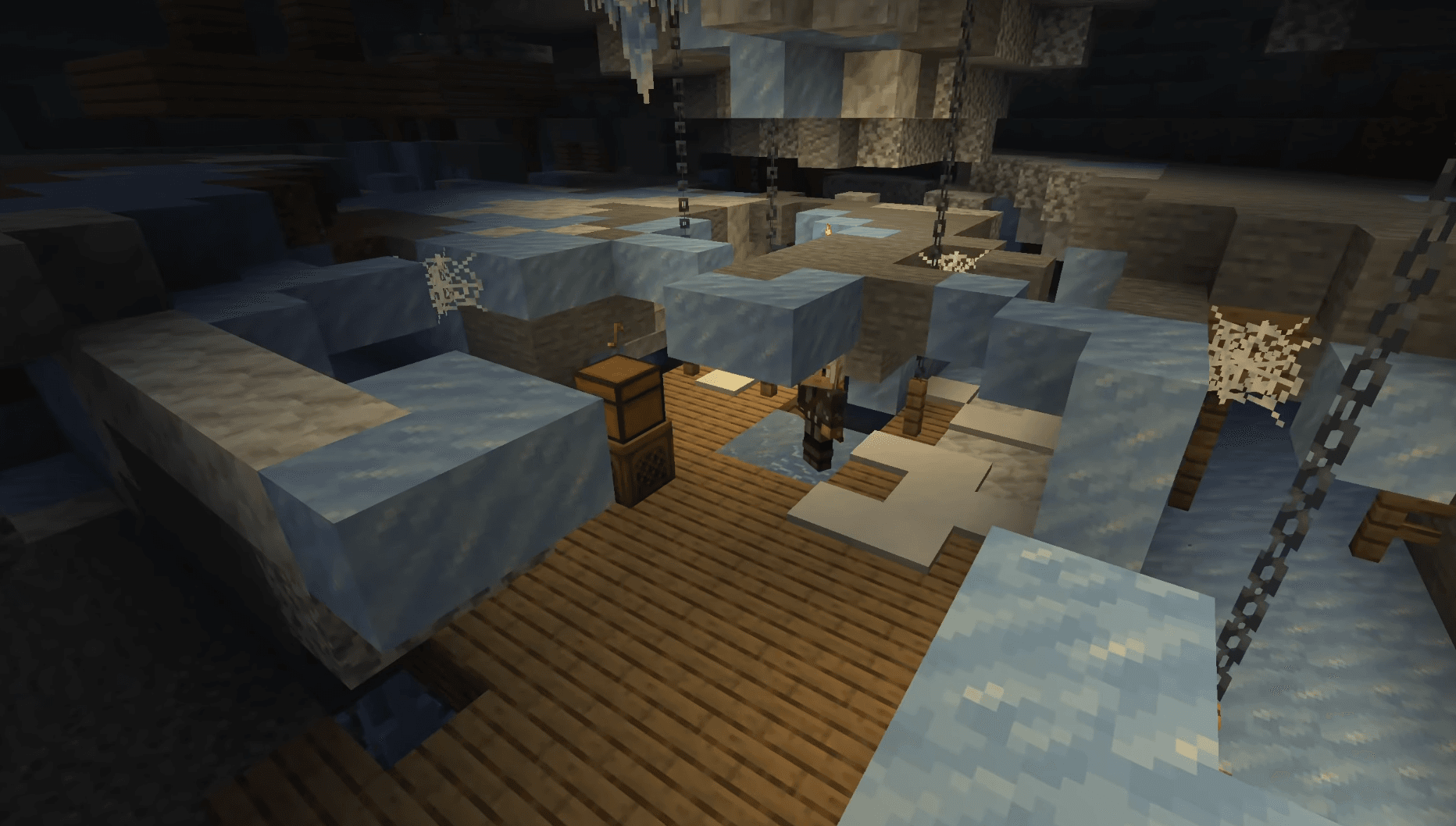
Minecraft has one of the largest user-generated content ecosystems in gaming. Millions of players regularly download third-party mods, texture packs, and tools from sources outside the official Marketplace, and that openness is a genuine strength of the game's community. It is also exactly what WeedHack exploited.
Younger players in particular tend to install unofficial files with less scrutiny than they might apply elsewhere. When a file comes recommended by someone in a trusted Discord server, the instinct to verify its source often disappears entirely. WeedHack's operators understood that dynamic and built their distribution strategy around it.
The malware also reportedly evolved continuously to evade antivirus detection, with operators updating payloads and switching distribution methods across multiple platforms to stay ahead of security tools.
The bigger shift in gaming-targeted malware
What most players miss about campaigns like WeedHack is that they signal a broader shift in how cybercriminals target gamers. The goal is no longer just financial theft. Stolen Discord tokens, screenshots, and personal files are increasingly weaponized for social manipulation, harassment, and identity abuse.
Gaming communities now function much like social networks, with the same exposure to scams, coordinated abuse, and account takeovers. The scale of WeedHack is a concrete reminder that the threat surface for players has expanded well beyond phishing emails or suspicious links in chat.
For players who want to keep modding safely, our best Minecraft mods guide covers 52 vetted picks that are worth your time without the security headaches.
McAfee recommends enabling multi-factor authentication on all gaming accounts, avoiding password reuse across platforms, and running regular device scans. The key here is treating any file shared outside an official storefront as a potential threat until proven otherwise.
Minecraft remains one of the most imaginative games ever made, as you can read in our in-depth review. The WeedHack campaign does not change that. But it does make clear that the biggest danger for players right now has nothing to do with creepers or the Nether. It lives in the download links being passed around in Discord servers.