
Raph Koster, the lead designer behind Ultima Online and Star Wars: Galaxies, has a clear-eyed take on where the MMO genre spent the last 20 years: chasing a ghost. Speaking publicly about his return to the genre with a new project called Stars Reach, Koster says MMOs are "finally free of the fever dream of imitating World of Warcraft" and he credits games like Stardew Valley, Animal Crossing, Minecraft, Valheim, and No Man's Sky for proving that players want more from multiplayer worlds than combat loops.
The two decades that WoW ate
When World of Warcraft launched in 2004, it didn't just dominate the MMO market. It rewrote what developers thought an MMO had to be. The years that followed produced a long line of games built on the same template: class-based progression, quest hubs, raid endgame, subscription model. Some were genuinely good. Most failed to unseat Blizzard, and the phrase "WoW killer" became shorthand for overambitious projects that burned out fast.
Koster was there for the earlier era, having shaped Ultima Online and contributed to EverQuest and Star Wars: Galaxies in the early 2000s. Those games had something different going on, sandboxes with player economies, emergent social systems, and worlds that existed beyond the next kill quest. After World of Warcraft arrived, that design philosophy largely got shelved.
Here's the thing: Koster isn't bitter about it. His read is that the industry simply got locked into a pattern that made commercial sense at the time, even if it narrowed what MMOs could be.
What changed, and who changed it
The shift didn't come from inside the MMO genre. It came from the outside.
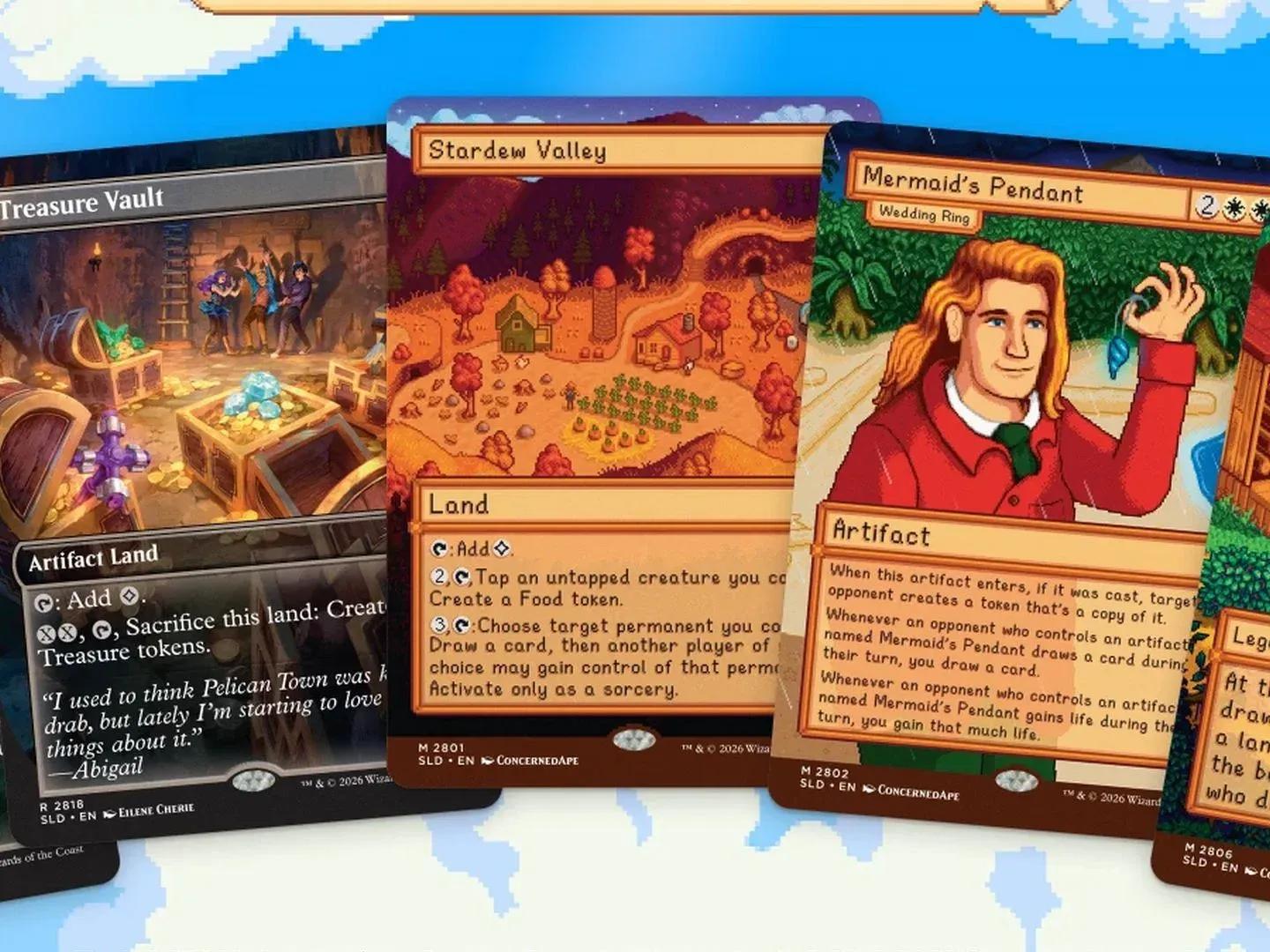
Games like Stardew Valley (a solo farming RPG that quietly sold over 30 million copies), Animal Crossing: New Horizons (which moved more than 45 million units), Minecraft, Valheim, and No Man's Sky collectively demonstrated something the industry had been slow to accept: players will invest enormous amounts of time in persistent worlds without a single orc to kill. The appeal is presence, creativity, and shared space, not just progression bars.
Koster's framing is direct. He says "it's clear that there's interest and demand for more than killing orcs over and over." The unique value proposition of MMOs has always been persistence and scale, and those qualities no longer belong exclusively to combat-focused games.
Fortnite and Roblox are worth adding to that picture. Both platforms are less about winning and more about occupying a shared space with other people, sometimes competitively, sometimes creatively, sometimes just socially. The rise of what some are calling "friendslop" co-op games like Peak reinforces the same idea: being together in a game world has value independent of any structured objective.
Why Koster thinks the timing is right now
Koster's return to MMO development isn't just philosophical. He saw the market signal in all those sandbox hits and concluded "the time was ripe" to build something that leans into what MMOs do best: persistent worlds with large, simultaneous player populations.
What most players miss in this conversation is how long it actually took for that signal to register in the industry. Stardew Valley launched in 2016. Animal Crossing: New Horizons broke records in 2020. The data has been there for years. The fact that a veteran designer is only now feeling confident enough to re-enter the space suggests the genre's WoW fixation ran deeper than most people realized.
The MMO space in 2026 is genuinely more varied than it was a decade ago. Guild Wars 3 is in development. Old School RuneScape continues to grow its player base. Final Fantasy XIV has maintained a loyal community through consistent updates. None of them are trying to be World of Warcraft. That, more than anything, might be Koster's actual point.
For players who want to dig into what makes sandbox multiplayer worlds tick, the Stardew Valley guides on our site cover the co-op systems in depth, and the broader gaming guides hub has plenty more on the genre's expanding edges.