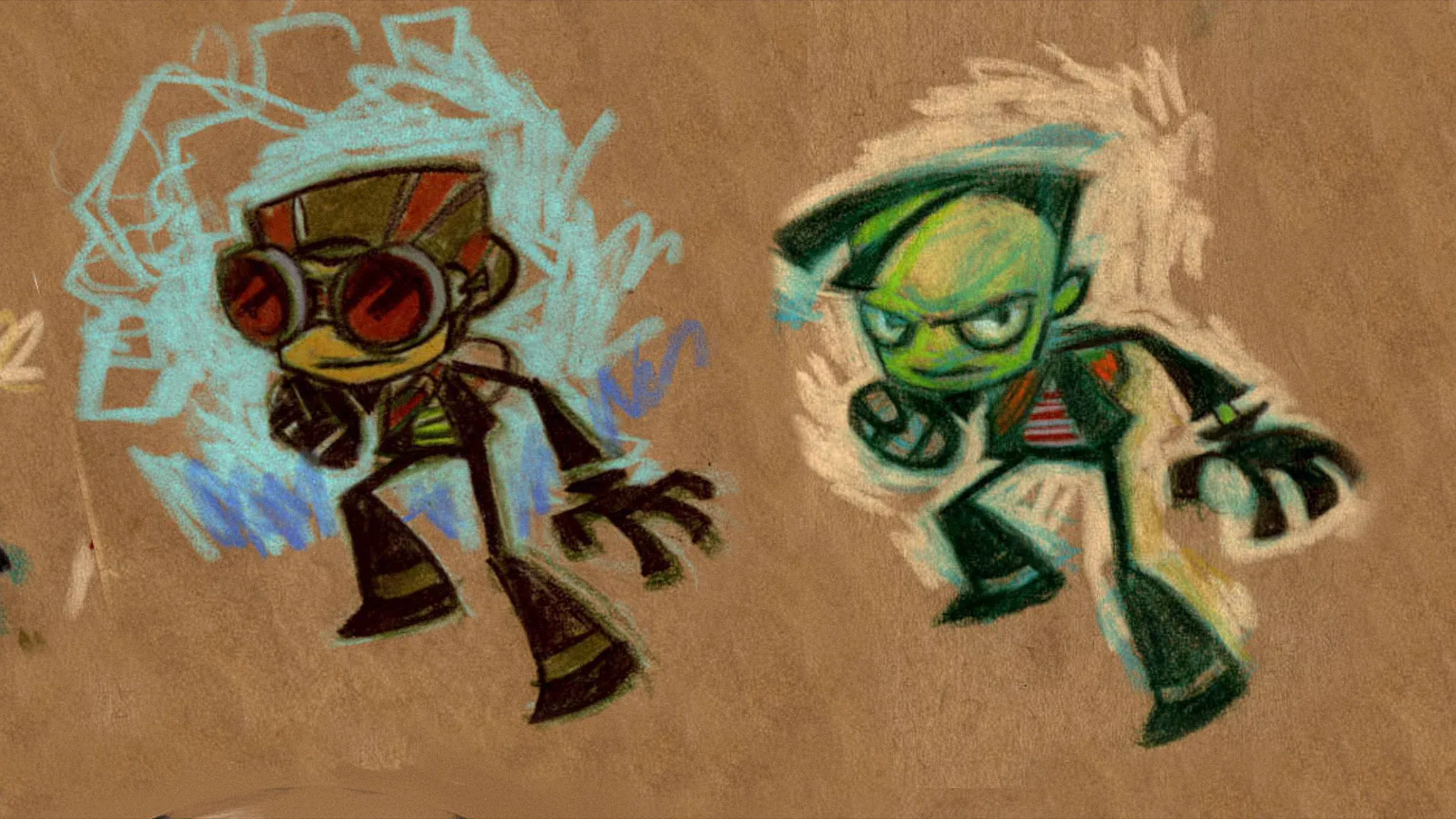


Psychonauts fans have been through a rough stretch. With Xbox continuing to shutter or restructure studios under the Microsoft umbrella, the fate of Double Fine Productions has become a recurring anxiety point for the community. And predictably, a certain idea keeps bubbling up online: what if Nintendo just bought them?
It's a genuinely appealing thought. Double Fine's creative DNA, weird worlds, strong characters, and games built around imagination rather than spectacle, feels like it belongs on a Nintendo platform. Tim Schafer and his team have made the kinds of games Nintendo fans tend to love. The fit looks obvious on paper.
Here's the thing, though. Nintendo doesn't work that way.
Use code TRYHARD33 at checkout to redeem this offer before code expires again.
Get 33% Off GAMES+ Subscription
How Nintendo actually acquires studios
Nintendo's acquisition history is short, deliberate, and almost entirely domestic. The company has historically bought studios it already has deep, ongoing working relationships with, often ones that have spent years developing Nintendo-published titles or building tools that feed directly into Nintendo's own development pipeline.
Look at the pattern. Monolith Soft, acquired in 2007, had already built Xenosaga on Nintendo platforms and went on to co-develop major Nintendo titles. Next Level Games, acquired in 2021, had been making Nintendo-published games exclusively for over a decade before the deal was made official. These weren't rescues. They were formalized partnerships that had already been functioning like internal teams for years.
Double Fine has no equivalent history with Nintendo. The studio has released games on Nintendo platforms, sure, but there's no deep co-development relationship, no exclusive pipeline, no years-long collaboration that would make an acquisition the natural next step. Nintendo tends to buy studios they've already been quietly running.
The Xbox situation isn't a fire sale
Another part of the fan logic here is the assumption that Microsoft might be looking to offload Double Fine. That's not clearly the case. Xbox has cut staff, closed studios, and restructured aggressively over the past two years, but Double Fine hasn't been publicly identified as a studio on the chopping block. Psychonauts 2 was a genuine success for the label, and Tim Schafer remains one of the more visible creative figures in Xbox's portfolio.
Even if Microsoft were open to selling, Nintendo doesn't typically swoop in on acquisitions involving major Western publishers. The company operates with a long-term, conservative approach to studio ownership. A bidding situation involving a Microsoft-owned Western studio would be very far outside that comfort zone.
For a broader look at what Nintendo is actually building toward with its platform strategy, the news around Phasmophobia coming to Nintendo Switch 2 gives a clearer picture of how Nintendo prefers to expand its library: through third-party ports and publishing deals rather than outright studio ownership.
What would actually need to be true
For a Nintendo acquisition of Double Fine to happen, you'd essentially need several things to align simultaneously: Microsoft actively wanting to sell, Nintendo deciding to break from every precedent in its acquisition history, both companies agreeing on valuation, and Nintendo seeing a strategic reason to own a California-based studio with no existing exclusive relationship.
That's a lot of dominoes. None of them are currently falling.
The fan enthusiasm makes sense on an emotional level. Double Fine makes the kinds of games that feel underserved in the current Xbox strategy, and Nintendo's platform has become a genuine home for creative, character-driven titles. But wanting two things to go together isn't the same as those two things actually fitting together at a business level.
If you're looking for something to play while this situation develops, our gaming guides cover a solid range of titles that scratch that same creative, adventure-game itch Double Fine has always delivered on. The studio's future inside Xbox remains the more likely story to watch, not a Nintendo rescue that would require the company to rewrite its own rulebook.