

Nintendo has spent decades proving that the safest bet is to never play it safe. The company that gave us cardboard Toon Link when fans wanted a gritty Hero of Time, that shipped a motion-controlled white box when Sony and Microsoft were racing for teraflops, has built its entire identity on the willingness to be weird on purpose. So why does 2026's Nintendo feel like a company that's finally decided to go with the flow?
The question isn't whether Nintendo is still making good games. It clearly is. The question is whether it's still making Nintendo games, and right now the evidence is genuinely mixed.
Use code TRYHARD33 at checkout to redeem this offer before code expires again.
Get 33% Off GAMES+ Subscription
The remake slate that started the conversation
Star Fox on Switch 2 is, by most measures, a technically impressive game. It runs smoothly, looks gorgeous, and plays almost identically to the 1993 original and its 1997 Nintendo 64 iteration. That last part is where things get complicated. Behind the lens flare and physically-based feather rendering, this is the same barrel roll the series has done multiple times across multiple platforms. What's new is the aesthetic, and the aesthetic looks like everything else out there right now.
The original Star Fox 64's unhinged vocal performances, delivered through distorted N64 audio compression, became cultural touchstones for an entire generation of players. The remake replaces that with clean, serviceable modern voice acting that sounds like it was recorded to avoid waking someone up. The radio static and squeal are gone. The bosses have lost the crispy hit feedback that made landing shots feel satisfying. It's technically better and experientially flatter, which is a strange trade-off for a company that usually knows the difference.
Then there's The Legend of Zelda: Ocarina of Time. The most celebrated entry in one of gaming's most celebrated franchises appears to be heading toward a remake built around the "mature, realistic" visual direction that fans have been demanding since the Spaceworld 2000 demo lit message boards on fire in August 2000. Back then, Nintendo showed 12 seconds of a polished, realistic Zelda tech demo and the internet lost its mind. Nintendo ignored the noise and gave us Wind Waker instead, which aged beautifully while that 2000 demo looks like brown plastic soup. The lesson seemed clear. Nintendo apparently needs a refresher.
Switch 2 and the cost of playing it safe
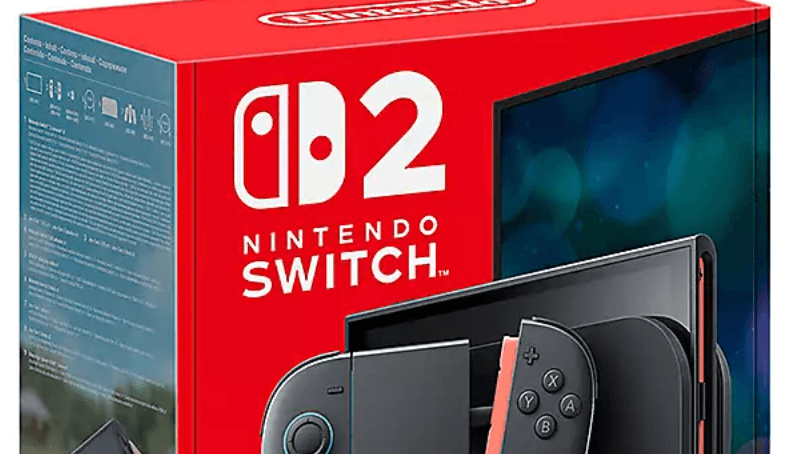
The hardware side of this conversation is just as telling. The Switch 2 is the Switch, with better specs. That's not a criticism of the console itself, which fixes real problems like the original's dismal resolution and inconsistent framerates. But it's a perfectly whelming piece of hardware from a company whose previous consoles arrived with a genuine point of view about what gaming could be.
The Wii was underpowered by design, built around Gunpei Yokoi's philosophy of "Lateral Thinking with Withered Technology," which prioritized cheap, well-understood components pushed in unexpected directions over raw performance. The Switch was a genuinely novel idea about where and how people play. The Switch 2 is more of the same thing, executed better. That's a fine product. It's just not a Nintendo product in the way fans have come to expect.
Mario Kart World launched as the Switch 2's flagship title at a historic $80 price point, making it one of the first major releases to cross that threshold before GTA 6 faced similar backlash for the same move. The game is fine. Fine is the word that keeps coming up.
For every genuine surprise like Tomodachi Life: Living the Dream (check out our Switch 1 vs Switch 2 version breakdown if you're figuring out which version to pick up) or Donkey Kong Bananza, there's a Metroid Prime 4 that landed without the seismic impact the series deserved, or a back catalog of GBA Pokemon ROMs sold at full price. It reads like a company comfortable enough with its commercial position to coast a little.
What Nintendo's soul actually looked like
Here's the thing: Nintendo has been through this crisis of confidence before, and it came out the other side with some of its best work. The GameCube era saw the company briefly chase graphical credibility before Satoru Iwata took the wheel in 2002 and steered hard in the opposite direction. The Wii and DS that followed were the most commercially successful hardware Nintendo had ever shipped, and they got there by being completely themselves.
The soul that made Nintendo Nintendo has always been the same thing: a decision that could only have come from them. Yoshi's Island responding to Donkey Kong Country's pre-rendered muscle with crayon scribbles. Paper Mario turning to cardboard when Square was doing operatic CGI cutscenes. Even Yoshi and the Mysterious Book, which leans into Nintendo's knack for toylike charm with its amiibo integration (the full compatible amiibo guide is worth bookmarking), carries more of that handmade Nintendo spirit than a photorealistic Hyrule ever could.
The problem isn't remakes. Remakes can absolutely carry creative vision. Capcom has rebuilt the entire Resident Evil series with genuine opinions about what each game is and what it could become. Atlus is revitalizing classic Persona titles with the confident visual identity it developed after Persona 5's success. Both approaches require someone in the room who cares enough to argue about the source material. Nintendo used to be that company without question.
The talent question nobody wants to ask
Nintendo's development talent is aging. Legendary designer Takashi Tezuka is heading into retirement. Shigeru Miyamoto has settled into a ceremonial role, which he's more than earned after decades of work. The problem is that Miyamoto recently went on record defending the Mario Galaxy movie against critical reviews, which is a strange hill to plant a flag on given that the film is, by most accounts, a fairly routine sequel.
The people who built Nintendo's culture of creative courage are stepping back, and the question of who carries that spirit forward is genuinely open. There's real talent in the next generation, from the Splatoon team to Masahiro Sakurai delivering an unasked-for Kirby Air Riders sequel with obvious love before heading back to Smash Bros. But institutional weirdness is hard to maintain when the institution is this large, this successful, and this comfortable.
Nintendo's near-future slate is light on original titles and heavy on remakes of beloved properties. At some point the back catalog stops being a treasure chest and starts being a safety net. The company's history suggests it knows the difference. Whether the current version of Nintendo acts on that knowledge is what the next few years will actually answer. Keep an eye on the full guides hub as more Switch 2 titles land and the picture gets clearer.