

YouTube sits at number one. But right behind it, beating Pokémon, Disney, and even the Nintendo brand itself, is the Nintendo Switch. That's not a marketing pitch. That's the finding of Japan's Brand Japan 2026 survey, and it tells a pretty fascinating story about how deeply Nintendo's hybrid console has embedded itself into the lives of Japan's younger generation.

Use code TRYHARD33 at checkout to redeem this offer before code expires again.
Get 33% Off GAMES+ Subscription
A Survey Built on Scale
The Brand Japan survey isn't some small online poll. Now in its 26th year, the study canvassed 37,000 Japanese citizens and evaluated 1,000 brands spanning companies, products, and services. Results were then split into two separate charts: one for respondents under 20, and one covering all age groups. That distinction turns out to be where things get really interesting.
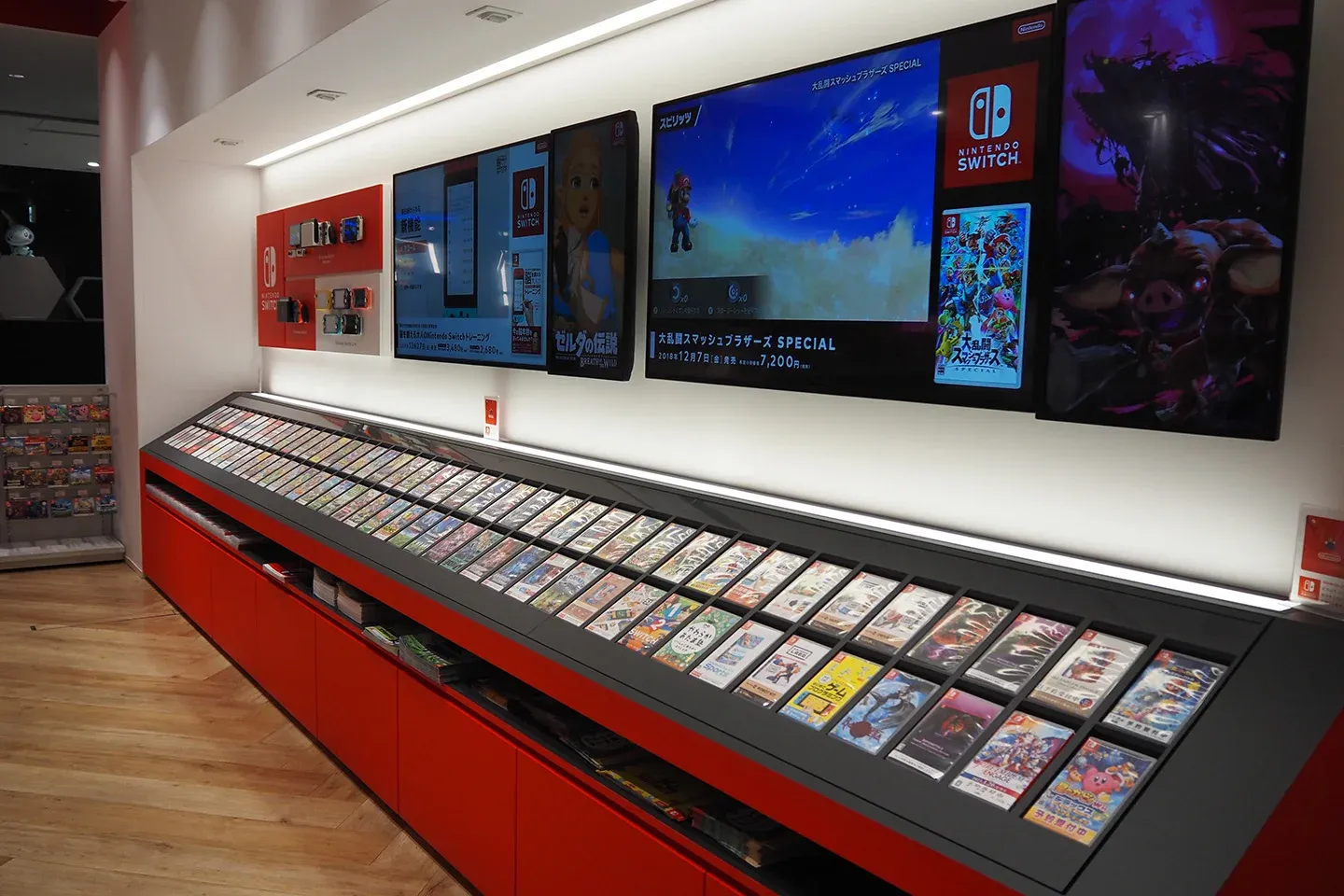
For the under-20s, the full survey results show Nintendo Switch landing at 2nd place, directly behind YouTube. The Nintendo brand name itself came in at 3rd. Pokémon placed 7th. Amazon at 9th. Disney at 10th.
Think about what that means for a second. A gaming console, not a media empire, not a franchise with 30 years of cultural history, but a piece of hardware, is the second most beloved brand among Japanese teenagers.
Switch ranks #2 among Japanese teens
How the Rankings Stack Up
Here's the full top 10 for each demographic, side by side:
The generational split is stark. Suntory, an alcohol and soft drink manufacturer, tops the all-ages chart but sits at a distant 47th among teenagers. Sony ranks 10th across all ages but drops to 40th with the under-20 crowd. Meanwhile, Nintendo Switch falls from 2nd among teens all the way to 59th in the full-population ranking.
What the Generational Gap Actually Reveals
The key here is that this isn't just a story about Nintendo doing well. It's a story about which brands resonate with young Japanese consumers right now, and the picture that emerges is one shaped by digital platforms and interactive entertainment.
Pokémon's drop from 7th among teens to 201st in the all-ages chart is particularly telling. Despite the franchise celebrating its 30th anniversary, it remains largely a youth-driven brand in Japan. The same logic applies to Nintendo Switch: its identity is built around active play, portability, and social gaming, all things that map cleanly onto how teenagers spend their time.
Older respondents, by contrast, gravitated toward automobile makers, electronics manufacturers, and consumer goods companies. The survey notes this generational shift explicitly, pointing out that younger Japanese consumers are moving away from cars and alcohol as aspirational brands.
The Switch Effect on Nintendo's Identity
What's worth noting is that the Switch outranking the Nintendo name itself among teens suggests the hardware has become its own cultural touchstone. It's not just a product Nintendo makes. For Japan's under-20s, it's a defining brand in its own right, more recognizable and more beloved than the parent company behind it.
With the Nintendo Switch 2 now in the market, it'll be worth watching whether that brand identity transfers to the new hardware or whether "Switch" remains the shorthand teenagers associate with Nintendo's golden era. For now though, the data speaks clearly. Make sure to check out more: