

Palworld hit version 1.0 on July 10, 2026, and Pocketpair has delivered something that defies easy categorization. This is not purely the "Pokemon with guns" game that dominated early access headlines. Play it for more than a few minutes and you start clocking influences from places you did not expect.
More than just Pokemon with guns
The opening area alone gives it away. A ruined church, a looming World Tree visible from almost anywhere on the map, and a giant mounted enemy that will stop any Elden Ring veteran dead in their tracks. Strip out the cute creatures and you could genuinely mistake parts of the world for something FromSoftware built. The climbing and gliding mechanics, the menu structure, the way exploration rewards curiosity with hidden collectibles, all of it reads like The Legend of Zelda: Breath of the Wild running in the background as a reference doc.
Here's the thing: none of this feels accidental. Pocketpair has clearly played a lot of games and absorbed them deeply. The result is a survival game that keeps triggering recognition in your brain every few minutes, which is either delightful or disorienting depending on your tolerance for genre blending.

The loop that actually works
Strip away the identity questions and what you find underneath is a survival loop that holds up well. There is always a next objective pulling you forward, always a resource you need, always a base upgrade you are mentally planning three steps ahead. That forward momentum is what separates functional survival games from forgettable ones, and Palworld 1.0 has it.
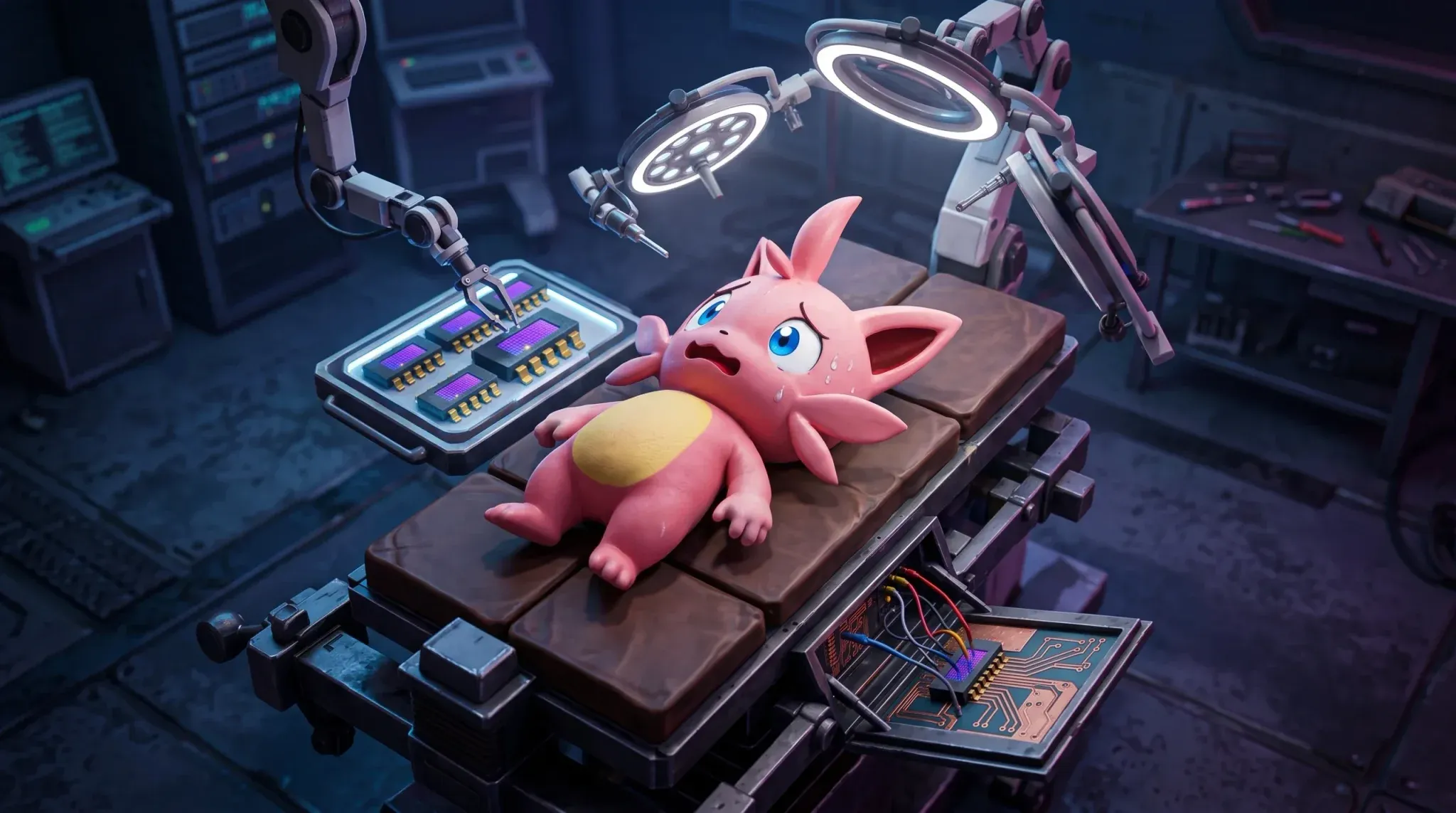
Your Pals are central to this. Capture them in the wild and you can deploy them at your base, where they independently gather resources, construct buildings, and handle threats. The game frames this as a partnership, though the darker option of ignoring their needs entirely is always available. As their sanity deteriorates from neglect, you can butcher them for meat. You can also sell captured humans you encounter in the world. Palworld does not shy away from tonal whiplash, and that contrast between adorable creature design and genuinely grim mechanics is either a feature or a bug depending on who you ask.
The combat pulls in a different direction from the Pal management side. Weapons range from stone axes to plasma cannons, and the early bows feel genuinely tactile. The real standout mechanic is using Pals as weapons directly. Foxsparks, a fiery fox you encounter early, can be picked up and used as a biological flamethrower. It is absurd in the best way.
Where the messiness shows
The 1.0 release adds a proper story for the first time, alongside major additions including 72 new Pals, a sky island zone, and a breeding mutation system. There is more content here than ever before. The problem is that more content has also amplified the game's core tension: it still feels unfocused.
Dungeons, wildlife preserves to raid for rare Pals, breeding programs, base building, and a full narrative campaign all coexist without a strong hand guiding you between them. The game is happy to let you wander between systems without much connective tissue. For some players that freedom is the point. For others it will feel like a collection of good ideas that never quite cohered into a single vision.
What most players miss when dismissing Palworld as derivative is that the borrowing is deliberate and executed with genuine craft. The survival loop works. The combat has personality. The Pal management creates real attachment, even when the game is actively inviting you to exploit it. The messiness is real, but so is the pull to keep playing.
If you are jumping in for the first time or returning after early access, check out the Palworld guide collection to get up to speed on everything from the best accessories to platform availability before you start.