

The PC market is heading into rough territory. IDC is forecasting an 11.3% drop in PC shipments for 2026, with the slump extending well into 2027 and sales not fully recovering to current levels even by 2030. At the same time, Apple is reportedly doubling production of the MacBook Neo to 10 million units after demand blew past initial targets. Two stories, one market, and they tell completely opposite tales.

Use code TRYHARD33 at checkout to redeem this offer before code expires again.
Get 33% Off GAMES+ Subscription
The memory shortage driving PC prices up
Here's the thing: the memory crisis is the root of almost everything going wrong for PC makers right now. IDC points directly at a persistent memory shortage with no meaningful relief expected before the end of 2027 as the primary driver behind its grim forecast. Prices are climbing, and manufacturers are struggling to maintain full product portfolios as a result.
The situation is already playing out in consumer behavior. PC shipments actually grew 3% in Q1 2026 compared to the same period last year, but IDC is clear that growth was borrowed time. Buyers, both consumer and commercial, pulled purchases forward to beat anticipated price hikes and supply constraints. That front-loaded demand is now spent, and the drop-off is coming.
What this means for gamers is straightforward: if you were already thinking about upgrading your rig, the window where prices were still manageable has likely closed. RAM and storage costs are up, and the full impact on gaming PC builds and laptops hasn't fully landed yet.
Why the MacBook Neo is bucking the trend
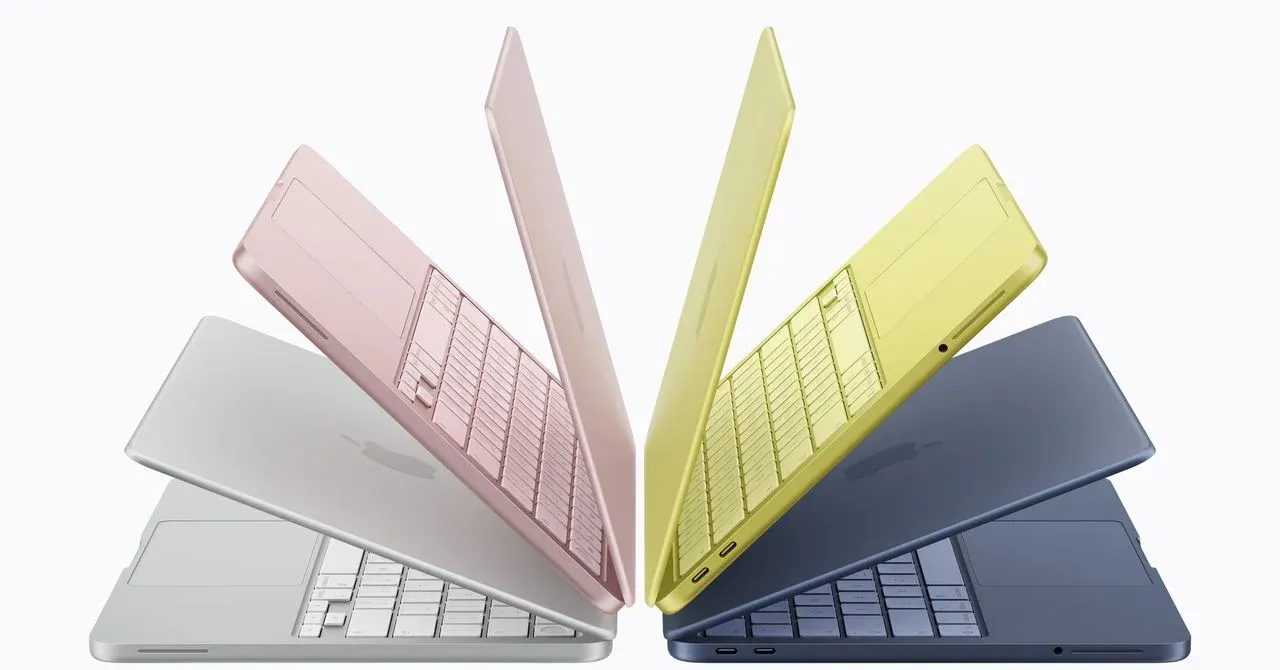
Apple's position here is genuinely interesting. Analyst Ming-Chi Kuo reports that Apple has doubled its MacBook Neo production target for 2026, jumping from an initial 5 million units to 10 million. Apple CEO Tim Cook described customer response as "off the charts," and the numbers back that up.
The timing helps explain everything. The Neo launched at $599 as the broader PC market was getting more expensive. Competing Windows laptops are creeping up in price while Apple held its line, and buyers noticed. IDC even revised its notebook forecast upward specifically because of Neo sales momentum.
Apple also has the supply chain muscle to absorb the memory shortage better than most. Through forward contracts and sheer purchasing scale, Apple can secure memory allocations that smaller PC vendors simply cannot match. The result is that the Neo stays at $599 while comparable Windows machines inch higher.
What the PC industry has to do next
IDC's analysis doesn't just describe the problem, it sketches out what a response looks like. The Neo's success is putting real pressure on Windows PC makers to answer with new silicon, a more efficient operating system from Microsoft, and aggressive promotional pricing. That's a tall order when memory costs are squeezing margins from the other direction.
The key here is that the MacBook Neo hasn't just eaten into Windows laptop sales. It has forced IDC to revise its entire notebook category forecast upward, meaning Apple is genuinely moving the needle on what the market looks like through 2026. That's a significant shift from a device that only launched recently.
For PC gaming specifically, the concern is less about MacBooks (macOS gaming is still limited) and more about what rising component costs do to mid-range gaming laptops and desktops. The $800 to $1,200 gaming laptop sweet spot is where the memory crunch will hit hardest, and that's exactly where most PC gamers shop.
Check out the latest reviews to see which gaming laptops are still worth the money before prices shift further. The market picture heading into the second half of 2026 is going to look very different from where things stood at the start of the year.