

If you were counting on Phasmophobia hitting its full 1.0 release this year, that plan just changed. Kinetic Games has updated the game's roadmap and confirmed that Version 1.0 has slipped from 2026 to 2027, with the studio pointing to community feedback and a desire to ship the game at the highest possible standard.
The delay is disappointing on paper, but the context matters. Phasmophobia entered Early Access back in 2020 and has been in active development for six years. At this point, waiting one more year for a 1.0 that actually delivers feels more reasonable than rushing a release that falls short.
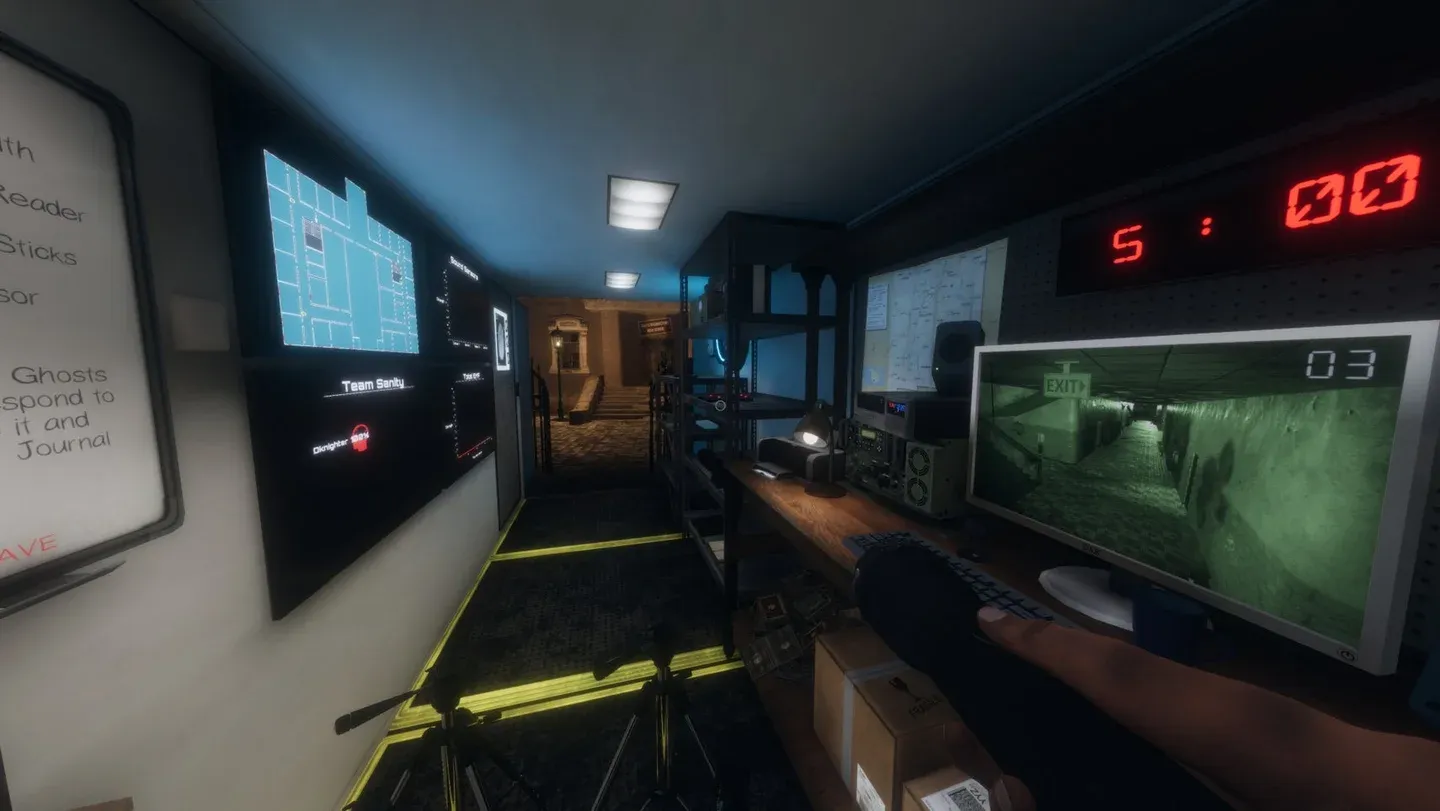
Phasmophobia's 2026 update roadmap
What triggered the timeline shift
Here's the thing: this delay didn't come out of nowhere. Earlier this year, Kinetic Games issued an apology to players after its long-awaited Player Character Update missed expectations. The studio admitted it "missed the mark" and "didn't deliver on our promises," and followed that with several patches and hotfixes to address the fallout. The player character update introduced full ghost hunter customization and new animations, but the execution drew clear criticism from the community.
CEO and game director Dan Knight addressed the situation directly, saying the feedback from that update revealed "many areas to address before moving further along our roadmap." The studio is now taking additional time to expand and improve the update, with the stated goal of shaping Phasmophobia into the "refined horror experience" players expect.
"We're also investing more time into our 1.0 update, allowing us to add more content, further improve existing features, and ensure it launches at the highest standard possible," Knight said.
The studio has grown to over 50 developers since the game's Early Access launch, which Knight credited to community support.
What 1.0 actually promises to deliver
When Version 1.0 does arrive, it's shaping up to be a significant overhaul of the game's core content rather than just a version number change.
The biggest planned addition is a complete redesign of the ghost roster. Every ghost model is being replaced with a unique entity that has its own appearance, animations, and backstory. Kinetic also plans to expand the game's lore through environmental storytelling, with ghost-specific details tied to the people and places connected to each haunting.
Beyond the ghosts themselves, the 1.0 update is planned to include:
- Weather systems affecting investigations
- Spatial sound improvements
- Deeper immersive investigation mechanics
- Audio upgrades across the board
That's a meaningful list. The ghost model overhaul alone would change how the game feels to play, and weather systems could genuinely shift how certain investigations unfold.
The 2026 roadmap before 1.0 arrives
The delay doesn't mean the game goes quiet until 2027. Kinetic has a packed schedule between now and the end of the year.
First up is the reworked Willow Street map, arriving as a free update on July 21. The redesign was shaped by community feedback and includes refreshed rooms, adjusted hiding spots, and new lore elements that haven't appeared in the game before. The update also brings improvements to player character models, animations, and customization options.
After Willow Street, the roadmap includes:
- A second major quality-of-life update
- Migration to the Unity 6 engine
- Return of seasonal events Crimson Eye and Winter's Jest
- Reworked Edgefield map, currently targeting December
The Unity 6 migration is worth watching. Engine transitions can introduce instability in the short term, but they also open the door to performance improvements and features that the older version couldn't support. If Kinetic handles it cleanly, it should set a better foundation for everything that follows.
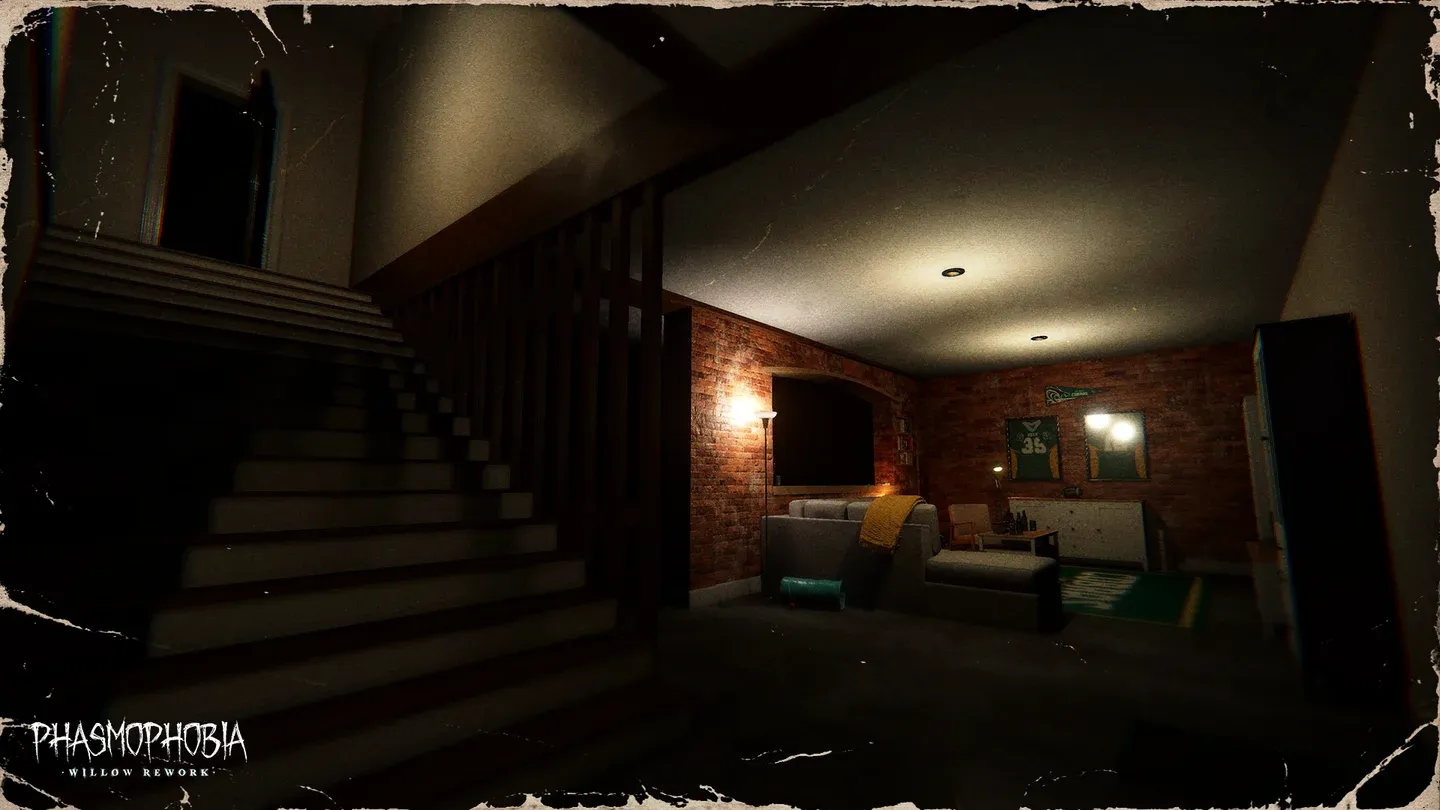
Willow Street rework, July 21
Six years in Early Access, one more year to go
The honest read on this delay is that Kinetic Games is trying to avoid repeating the Player Character Update situation at a much larger scale. Shipping a broken or underwhelming 1.0 would be far more damaging to the game's reputation than pushing the date back.
What most players miss in situations like this is that the studio's willingness to slow down is actually the more reassuring sign. A team that rushes to hit a date despite knowing the product isn't ready tends to create much bigger problems than one that calls the delay early and explains why.
Phasmophobia is also confirmed for Nintendo Switch 2 in 2026, which adds another layer of complexity to the development schedule. If you want the full picture on that, the Nintendo Switch 2 port details are worth a read.
For now, the July 21 Willow Street update is the next concrete milestone. Keep an eye on the Phasmophobia guides hub for coverage of everything that drops between now and the 1.0 launch.