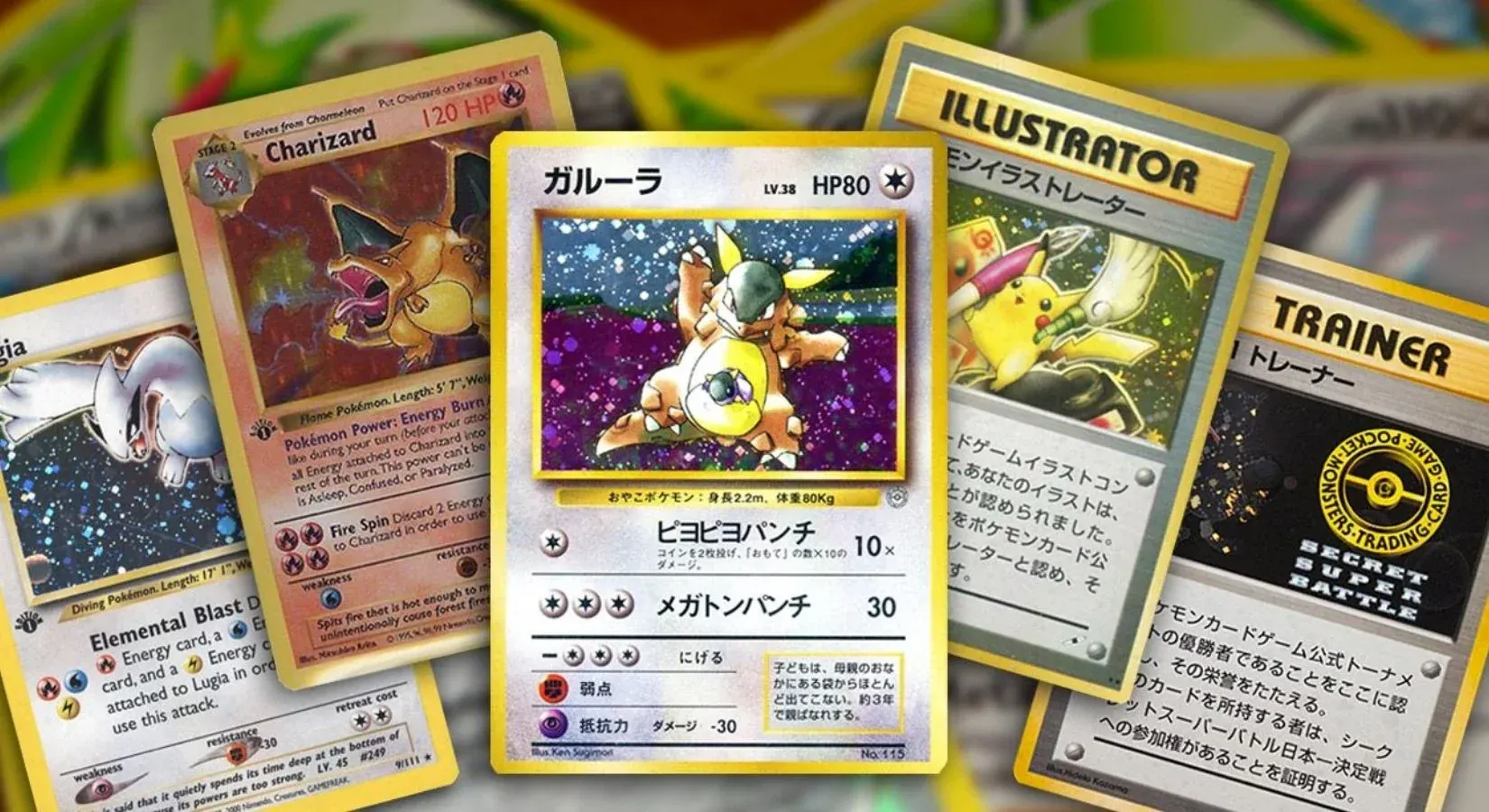


Picture a Charizard holo being minted on a blockchain and sold to a buyer who never physically touches it. That's the reality of the tokenized Pokémon card market right now, and it's growing faster than most collectors anticipated.
Over the past year, platforms built on blockchain infrastructure have quietly turned physical Pokémon card collecting into a digital speculation market. Cards get graded, vaulted, and then tokenized as NFTs or fractional ownership assets, letting buyers trade stakes in high-value slabs without ever handling the cardboard. The pitch is simple: all the excitement of the Pokémon card market, with the liquidity and 24/7 accessibility of crypto trading.

Use code TRYHARD33 at checkout to redeem this offer before code expires again.
Get 33% Off GAMES+ Subscription
Why the Pokémon card market is a natural fit for tokenization
Here's the thing about Pokémon cards: the market already behaves like a speculative asset class. A PSA 10 Shadowless Base Set Charizard has sold for six figures at auction. Sealed booster boxes from the early 2000s appreciate faster than most traditional collectibles. The collector community has spent years treating card condition, print run rarity, and grading outcomes as investment variables.
Tokenization doesn't change that logic. It just moves the trading activity onto a new rail. Platforms vault the physical card with a certified grading service, issue a digital token representing ownership, and let that token trade freely. The card stays locked in climate-controlled storage while its digital twin changes hands dozens of times.
What makes this particularly interesting for the Pokémon community specifically is the gacha element. Opening packs has always carried a gambling-adjacent thrill, and several crypto platforms have leaned directly into that by offering digital pack-opening experiences where buyers purchase sealed product that gets opened on camera, with the contents tokenized in real time. The rush of not knowing what's inside transfers almost perfectly to the blockchain format.
The gacha mechanic problem nobody wants to name
Platform operators are careful with their language. Nobody calls it gambling. The preferred framing is "collectible trading" or "digital pack breaks." But the structural design of many of these experiences, randomized outcomes, paid entry, variable reward tiers, maps closely to mechanics that gambling regulators have flagged in video games for years.
The Pokémon card community has navigated this tension before. Physical pack breaks, where a buyer pays for someone to open packs on their behalf and ship the results, became a massive streaming trend. Crypto platforms are essentially the next evolution of that format, with the added complexity of tokenized ownership and secondary market trading baked directly into the experience.
For players already familiar with digital collecting in games like Pokémon Pokopia, where trading and item discovery mechanics reward engagement with in-game economies, the jump to tokenized physical cards feels intuitive. The Gimmighoul trading guide for rare rewards covers how those in-game trading systems work if you want to see the parallel in action.
What the surge actually looks like on the ground
The growth isn't uniform across all platforms. A handful of dedicated tokenized collectibles marketplaces have captured the bulk of activity, particularly those that partnered early with established grading services like PSA and BGS. Cards with verified grades and documented provenance move significantly faster than ungraded raw cards, which tells you the market values certainty over pure speculation.
High-end vintage Pokémon cards dominate the top of the market. First-edition holofoils, error cards, and sealed vintage product are the assets drawing the most attention. But mid-tier modern cards, particularly Alt Art variants from recent sets, have also found a home on these platforms because they carry enough recognizable value for buyers to feel confident in the trade.
The key here is that the Pokémon brand carries a level of mainstream recognition that most collectibles can't match. When crypto-adjacent platforms need a flagship product to attract non-crypto-native buyers, Pokémon cards are an obvious choice. The brand does the trust-building work that blockchain technology still struggles with on its own.
For collectors wanting to stay sharp on Pokémon's evolving digital ecosystem, the best items to prioritize in Pokémon Pokopia is worth a read alongside watching how tokenized card markets develop. The two worlds are converging faster than most people in either community expected.
Where this goes from here
Regulatory attention is the biggest variable. Several jurisdictions are already scrutinizing tokenized collectibles under existing securities and gambling frameworks. How those legal questions resolve will determine whether these platforms scale into mainstream collecting tools or remain a niche corner of the market.
What's clear is that the Pokémon card market's speculative energy isn't going anywhere, and crypto platforms have found a real audience willing to engage with it in digital form. For collectors sitting on graded slabs, the emergence of liquid tokenized markets is genuinely useful. For newcomers drawn in by the gacha mechanics, the risks are real and not always clearly communicated.
Keep an eye on how major grading services position themselves as platform partners over the next few months. That relationship is the infrastructure the whole model depends on. For more on the gaming side of Pokémon's expanding digital universe, the 3D Printer duplication guide for Pokémon Pokopia shows just how creative the franchise's digital economies are getting.