

Most people would not list Dark Souls and Destiny in the same sentence. One is a methodical, punishing single-player RPG where every death carries weight. The other is a fast-moving cooperative shooter built around accessibility and momentum. Yet a former lead designer on the original Destiny has revealed that FromSoftware's brutally demanding design philosophy directly influenced a push to place genuinely tough enemies right at the start of Bungie's flagship franchise.
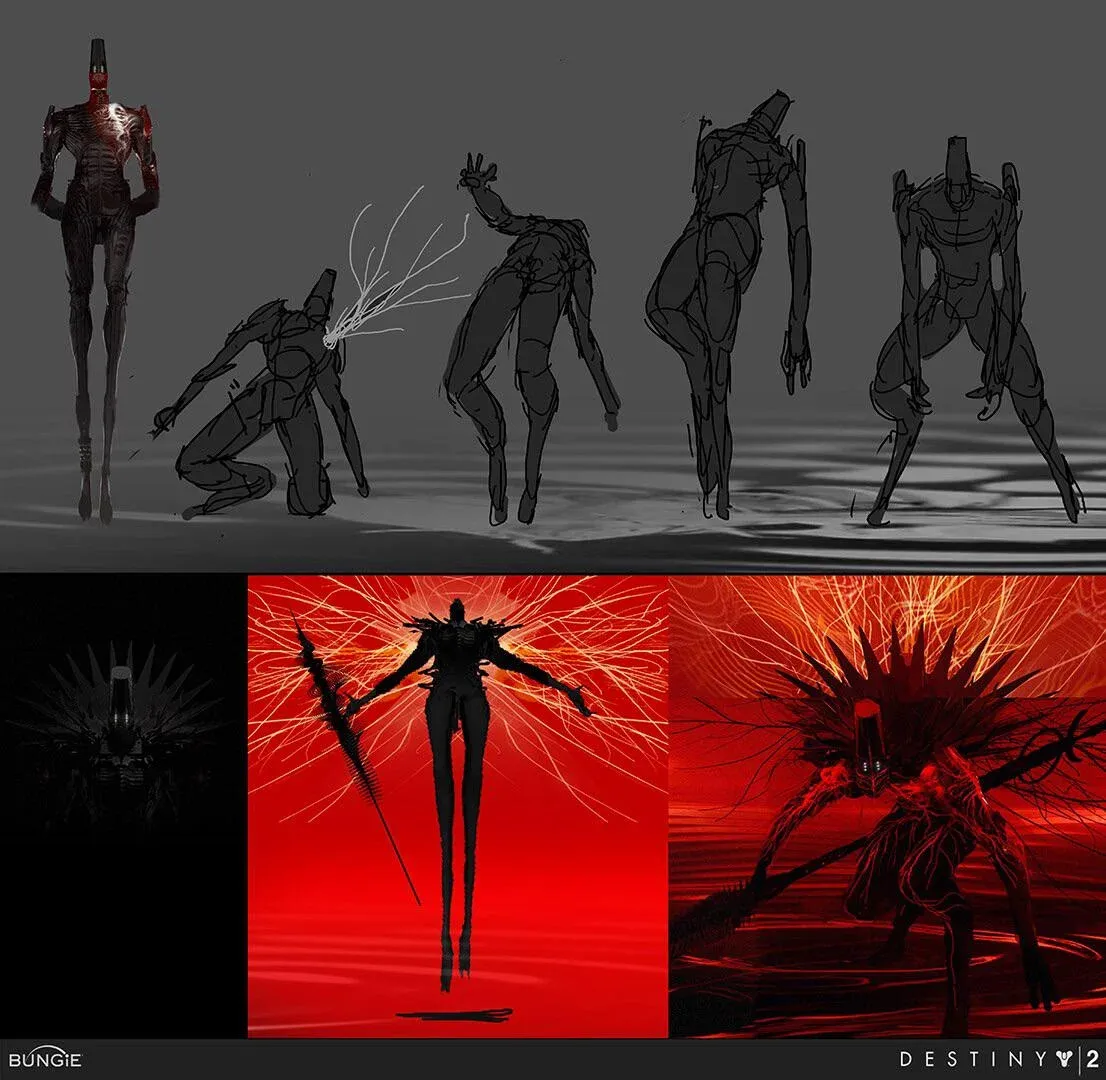
The key idea was simple but contentious inside the studio: drop players into a threat they cannot casually shoot through. Not a tutorial boss with telegraphed weak points, but an encounter that communicates danger immediately and makes the world feel genuinely hostile from the first few minutes.

Use code TRYHARD33 at checkout to redeem this offer before code expires again.
Get 33% Off GAMES+ Subscription
What most players miss about Destiny's opening design
The argument the designer made internally was rooted in what Dark Souls does so effectively in its opening areas. Placing an enemy that can genuinely end a run early, like the Asylum Demon or the Titanite Demon near the starting bonfire, does something clever. It tells the player the world has real stakes. You are not guaranteed to win every fight. That sense of danger, even if players eventually learn to handle it, creates a tension that carries through the entire experience.
Bringing that logic to Destiny meant fighting for enemies in early patrol zones and story missions that were not scaled down to the point of irrelevance. The goal was to give new players a moment where they felt the universe pushing back, not just a gallery of targets to shoot on the way to the next waypoint.
Here's the thing: that friction is exactly what separates a game world that feels alive from one that feels like a theme park. Dark Souls earns its atmosphere partly because the enemies mean business from the first bonfire. The designer wanted Destiny to borrow that lesson without copying the genre.
The internal fight to keep the difficulty in
Pushing for harder enemies at the start of a mainstream shooter is not an easy sell in a development meeting. Destiny was always built for a broad audience, and the commercial pressure to keep the opening hours approachable is real. The designer had to make the case that challenge and accessibility are not opposites, and that a player who gets pushed around early and then figures out how to overcome that is more invested than one who coasts through the first act.
The argument drew directly on the Souls experience: players who bounce off that first difficult encounter and return to beat it feel a specific kind of satisfaction that smoother games cannot replicate. That emotional payoff was worth the risk of some players struggling.
Whether every version of that vision survived the full development process is another matter. Destiny shipped as a game with a famously uneven opening, and the balance between challenge and onboarding has been a recurring conversation in the community ever since. But the intent was there, driven by someone who had clearly spent serious time in Lordran.
Why this matters for Destiny Rising and what comes next
This kind of design philosophy does not stay locked to a single game. The Destiny franchise continues through Destiny: Rising, the mobile entry that brings the Guardian experience to a new platform and a new audience. Understanding how the series has historically thought about early difficulty, and where those ideas came from, gives context to how the game is built from the ground up.
For players jumping into the franchise fresh, the Destiny: Rising beginner tips and tricks guide is a solid starting point for understanding how enemy encounters are structured and how to approach the early game without getting caught off guard.
The Dark Souls influence on mainstream game design has been one of the more fascinating threads running through the last decade of the industry. Developers across every genre have borrowed its lessons about communicating danger, rewarding patience, and making the player feel like they earned their progress. The fact that Bungie's designers were actively drawing on it during Destiny's development, and fighting for it in production meetings, shows how far that influence reached.
For anyone building a loadout to handle what the game throws at you early, the Destiny: Rising gear guide covers how to build out weapons and armor to handle tougher encounters. And if you want the full picture on optimizing your character from the start, the Destiny: Rising best build guide breaks down every character's strengths in detail.
The conversation around how Destiny handles difficulty, and where that design DNA originally came from, is worth watching as the franchise moves into its next chapter.