
Niantic closed off New York's Times Square for a Pokemon Go anniversary event that handed hundreds of influencers a guaranteed perfect IV Mega Mewtwo Y, and the game's actual player base is not taking it well. The backlash is loud, fast, and entirely predictable once you hear what happened.
What went down at Times Square
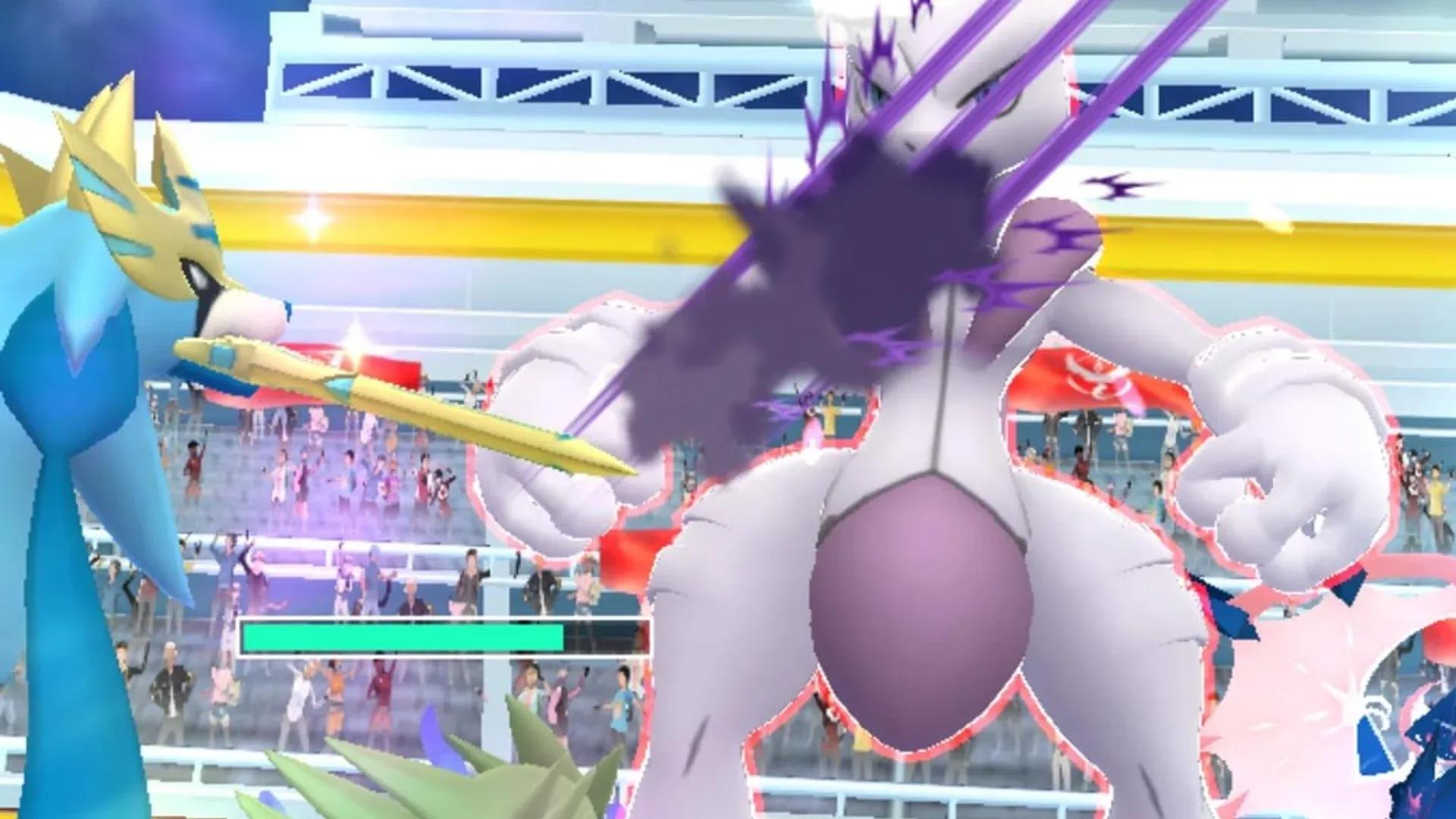
As part of Pokemon Go's tenth anniversary celebrations, Niantic staged a spectacle in the heart of Manhattan. Times Square was closed off, hundreds of content creators and influencers were invited in, and together they took down the newly debuting Mega Mewtwo Y in a coordinated raid. Every attendee received a Master Ball to guarantee the catch, and the Mewtwo itself was guaranteed to have perfect IVs across the board, what the community calls a "hundo." Some attendees even walked away with a shiny.
On paper, it reads like a marketing win. Dozens of high-reach creators posting simultaneously about a flagship Pokemon Go moment, all tied to a milestone anniversary. The problem is what it looked like from the outside.
The part that lit the fuse
Here's the thing: a guaranteed hundo Mewtwo is not a small deal. Perfect IV legendaries are the kind of thing regular players grind raids for weeks trying to get, often never succeeding. Niantic handing them out to influencers as event swag, while regular players were physically locked out of the area, hit a nerve that goes well beyond typical community grumbling.
A Reddit thread titled "The NYC event is the antithesis of what made Pokemon GO a phenomenon back in 2016" appeared on the Pokemon Go subreddit and crossed 1,600 upvotes with over 200 comments within five hours of posting. The original post, by user Christophisis, put it plainly: "Gating off Times Square to host an event exclusively for content creators and influencers was one of the most out-of-touch decisions in the history of this game. The 'plebeians' that weren't deemed worthy to attend this event, even if they were in the nearby vicinity, are what made Pokemon GO what it was."
The comment section backed the sentiment up. User jessiehuff described "a very weird feeling watching a party I wasn't invited to where the guests got something AMAZING," while 0rganicMach1ne went further, calling the trend of designing events around content creators "a cancer to gaming."
Why this stings more than a typical PR misstep
Pokemon Go became a global phenomenon in 2016 because it was radically democratic. Strangers gathered in parks. Office workers raided on lunch breaks. Grandparents and teenagers stood in the same spot staring at their phones. The magic was that everyone was playing the same game with the same odds.
What most players miss in the marketing framing of this event is that Niantic wasn't just throwing a party for influencers. They were demonstrating, in the most visible way possible, that the game's reward systems can be adjusted on demand for the right audience. That's a different kind of frustration than "I wasn't invited." It's the realization that the grind regular players accept as part of the game is, at least partially, a choice.
The timing adds another layer. This event was connected to a broader Mewtwo push that included the Mewtwo statue at the Shibuya Pokemon Center in Tokyo mysteriously disappearing in the days prior, clearly a coordinated stunt. The spectacle was clearly planned well in advance. Regular players just weren't part of the plan.
For fans of monster-catching games with a community-first identity, this kind of controversy isn't new. blockchain Monster Hunt has built its entire model around on-chain accessibility, where every player operates under the same transparent rules. The contrast with what happened in Times Square is hard to miss.
Where things go from here
Niantic has not publicly responded to the backlash as of this writing. The Reddit thread is still climbing, and the sentiment across social platforms is consistent: loyal players feel like an afterthought in an event designed to celebrate a game they built.
The tenth anniversary was supposed to be a moment of goodwill. Instead, it's produced one of the more pointed community flashpoints in recent Pokemon Go history. Whether Niantic addresses the guaranteed hundo directly, or the optics of influencer-exclusive access, will say a lot about how seriously they take the players who kept the game alive between the viral moments.
If you want to go deeper on how monster-catching games handle community and reward design differently, check out the blockchain Monster Hunt guides for a look at how transparent progression systems work in practice, or read our in-depth review for full context on the experience.