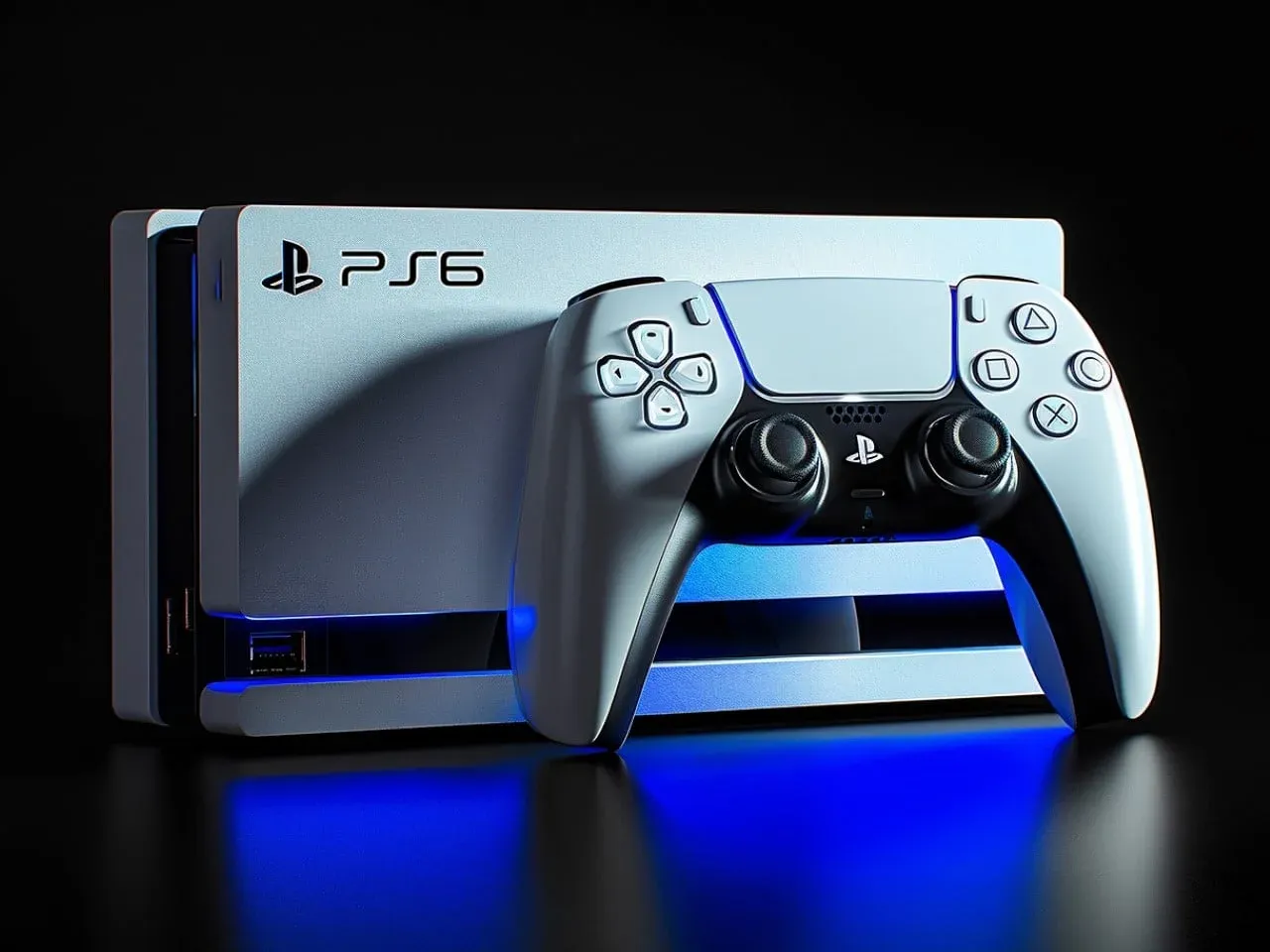


The PS6 may cost Sony close to $1,000 just to put together, before a single unit ever ships to a store shelf.
Hardware leaker KeplerL2, who has a solid track record on console hardware predictions including accurate PS5 Pro specs, has updated his estimate for the PS6's Bill of Materials (BoM) to approximately $960. That figure represents the raw cost of components needed to assemble one unit. It does not include shipping, warehousing, marketing, or retailer margins.
Here's the thing: just three months ago, the same leaker pegged that number at $760, with a cautiously optimistic outlook for a subsidised launch price around $699. That window appears to have closed fast.

Use code TRYHARD33 at checkout to redeem this offer before code expires again.
Get 33% Off GAMES+ Subscription
Why the cost jumped $200 in three months
The short answer is memory. An AI-driven surge in demand for components has pushed prices across the board, and RAM is bearing the brunt of it. Microsoft has flagged that memory prices could double within the next year or so. Lenovo has gone further, suggesting prices may not normalise until at least 2030, if they ever do.
This is not a Sony-specific problem. Every console manufacturer is navigating the same component market. Even Apple has raised prices across several product lines recently, which puts the scale of the problem in perspective. If one of the most capitalised tech companies on the planet is passing costs onto consumers, the math gets very uncomfortable for hardware that traditionally launches at a subsidy.
The case for launching anyway
KeplerL2's updated position is that Sony should stick to its current release plan rather than delay. The logic is straightforward: if component prices keep rising, waiting only increases the BoM further. Redesigning the hardware to reduce costs would take years and likely breach existing contracts with AMD, who developed the custom SoC at the core of the PS6. Sony is deep enough into production commitments that pivoting is not a realistic option.
Delaying also creates a competitive exposure. Microsoft is pushing forward with its next hardware generation, and Sony will remember what a one-year head start did for the Xbox 360 against the PS3.
What a $960 BoM actually means for launch price
The PS3 era is the most extreme example of Sony absorbing hardware losses, with the company taking a cumulative $3.3 billion hit over the product lifecycle. That was possible partly because component costs dropped steadily after launch. The current consensus among analysts is that the same trajectory is not guaranteed this time, and may not happen at all before 2030.
Selling a console with a $960+ BoM at a price consumers will actually accept, somewhere in the $700 to $800 range, would require a subsidy that strains Sony's current financial position. The company has already absorbed significant write-downs on the software side in recent years. The margin buffer that made deep hardware subsidies viable in the PS3 era looks much thinner now.
For context, GTA 6 launches on PS5 this year and is shaping up to be the biggest software event of the generation. If you want a breakdown of what Sony's current hardware can do with it, check out the GTA 6 PS5 exclusive features guide covering DualSense haptics, Tempest 3D audio, and near-instant load times.
The broader picture for console gaming
The component pricing squeeze is a structural issue, not a blip. AI infrastructure buildout is consuming memory and chip capacity at a scale that gaming hardware simply cannot compete with on procurement priority. Console manufacturers are, in effect, buying components in a market being shaped by data centre demand.
That creates a scenario where the traditional console value proposition, powerful hardware at an accessible price point subsidised by software sales, becomes genuinely difficult to maintain. A $1,000+ retail price for the PS6 would push it into territory where the audience narrows significantly. If you're curious how premium pricing plays out in games themselves, the Forza Horizon 6 most expensive cars guide is an interesting parallel in how players respond to high-cost items when value is clearly demonstrated.
The PS5 install base sits above 90 million units. Any PS6 that launches at a price that alienates a large portion of that base will face a prolonged cross-gen period by necessity, not by design. Developers will follow the audience, and the audience will follow the price.
Sony has not officially confirmed any PS6 specifications, pricing, or launch window. What is clear is that the window for a straightforward next-gen launch is getting narrower with every quarterly component report. For a full breakdown of what the current generation's biggest upcoming release includes, the GTA 6 Ultimate Edition guide covers everything in the $100 package that will likely anchor PS5 for the foreseeable future regardless of what happens with PS6 pricing.